


Traditional Wooden Drawer Unit
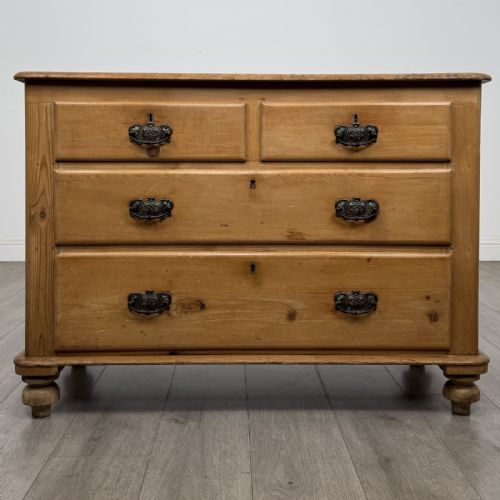
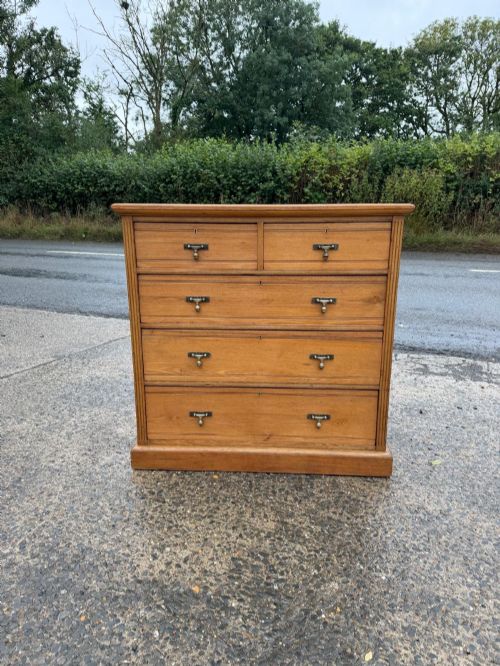
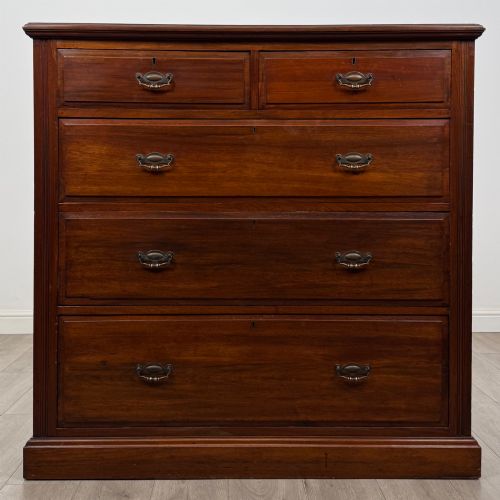
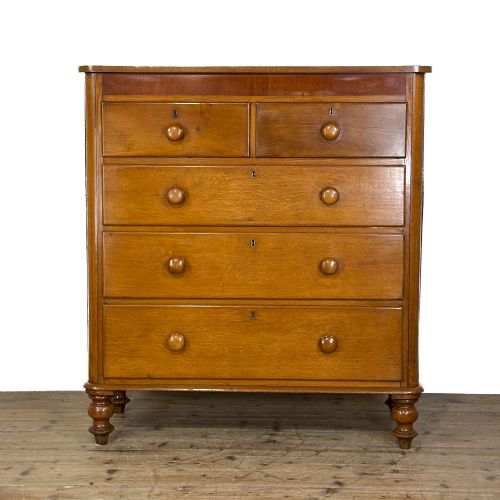
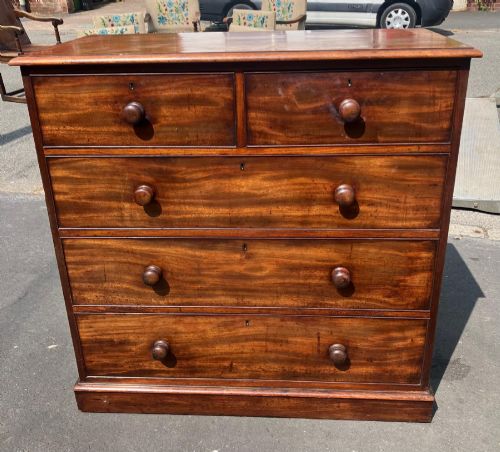
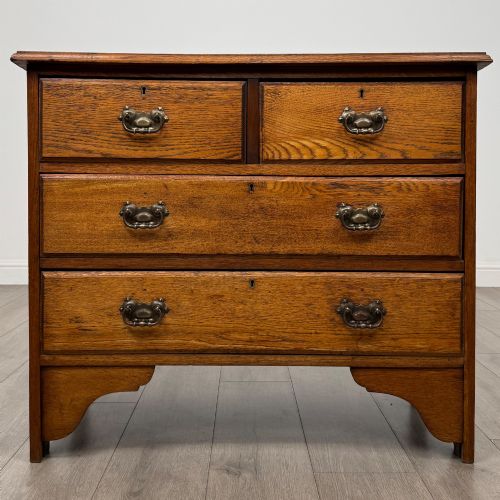
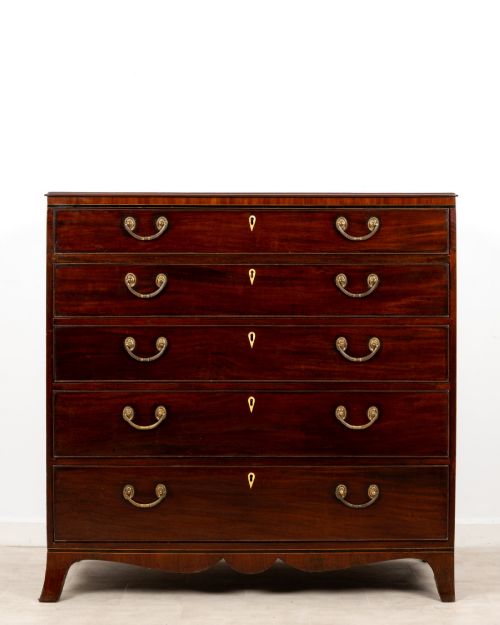
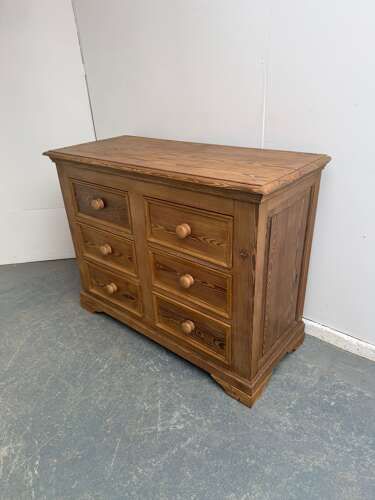
A traditional wooden drawer unit offers honest storage, and you are most likely to meet a sturdy Victorian pine or mahogany chest here.
Traditional Wooden Drawer Unit
A traditional wooden drawer unit serves as a practical storage piece found across multiple eras, ranging from compact bedside cabinets to substantial banks of drawers. When searching for a traditional wooden drawer unit, buyers commonly encounter chest of drawers formats alongside specialised items like vertical filing cabinets and step chests.
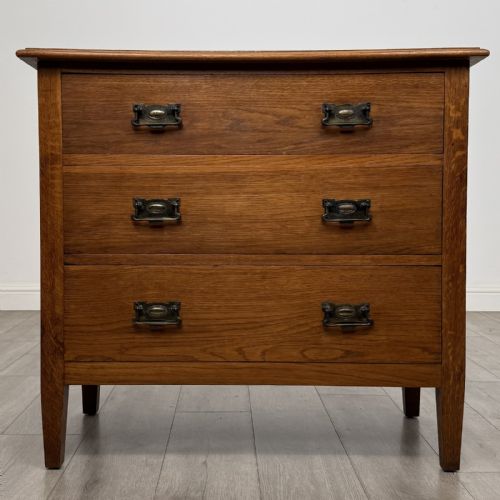
The selections span various historical periods including the 18th century, Georgian, Victorian, Edwardian, and early 20th century. Mahogany, oak, and pine dominate the offerings, accompanied by walnut, yew wood, and poplar.
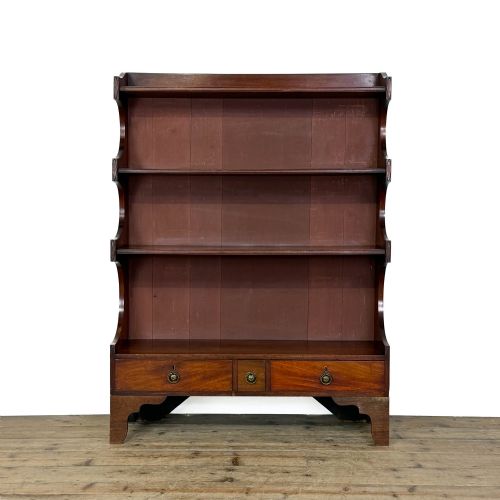
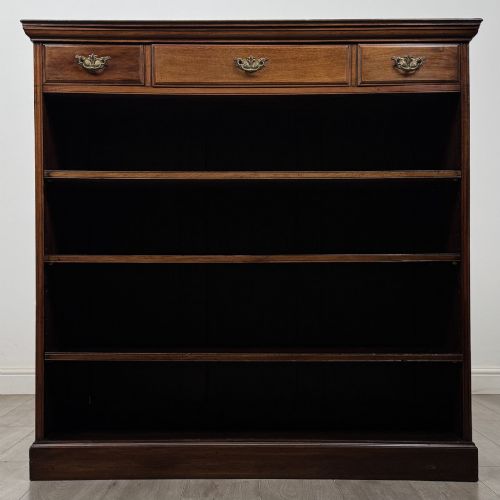
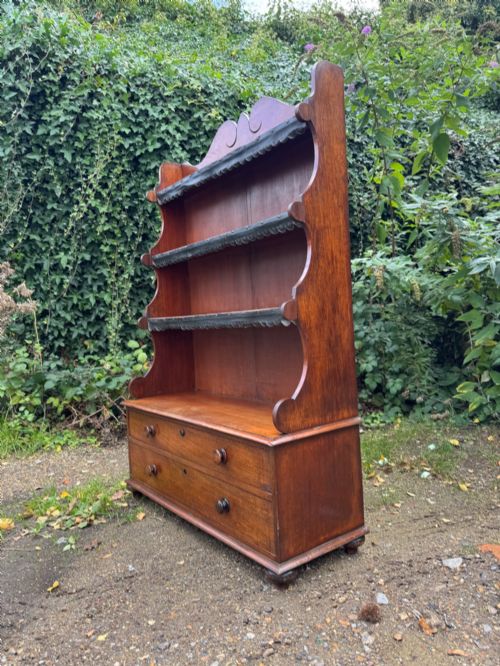
Stylistic influences vary widely, taking in Sheraton style, Regency, French country, and Victorian country. Most pieces function primarily as bedroom or study storage while incorporating architectural details like raised galleries or waterfall shelving.
How they were made
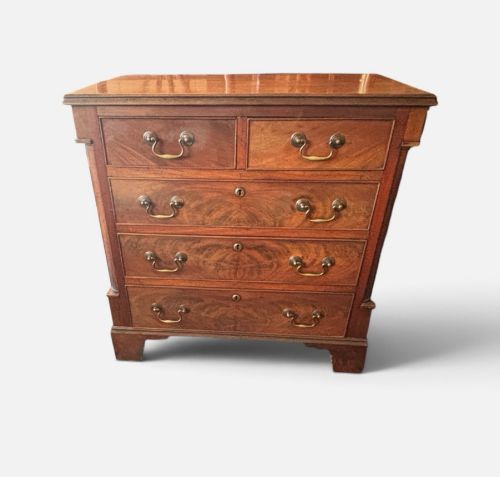
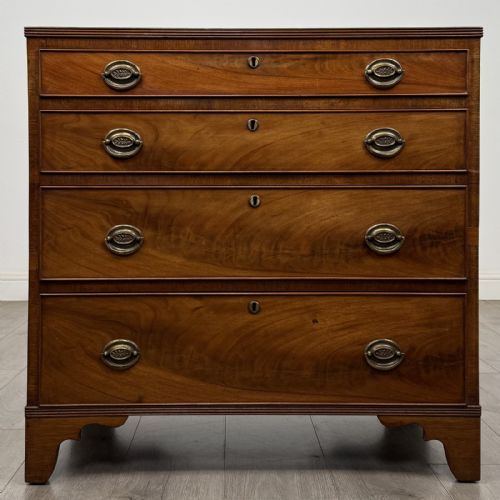
Cabinet makers utilised solid hardwoods such as mahogany, oak, walnut, and yew alongside softer timbers like pine and poplar. Flame mahogany veneer frequently appeared on premium surfaces to create dramatic grain patterns.
Metal hardware, particularly brass handles and drawer pulls, accompanied wooden construction, whilst specialised pieces incorporated metal mechanisms for filing systems. Waxed finishes preserved the natural timber surfaces on pine and oak furniture.
Traditional Wooden Drawer Unit Retail Price Guide 2026
Typical asking prices for traditional wooden drawer unit among the pieces listed under this phrase on Sellingantiques today, from the lower quarter to the upper quarter. They describe what is for sale here now, not the wider market.
Scumble pine brings painted ambition to humble softwood.
What varies in quality
The choice of primary timber dictates the initial tier of a piece, with figured grains like flame mahogany and burr walnut sitting above standard utility pine. Selecting dense hardwoods requires greater joinery skill from the maker.
The Traditional Wooden Drawer Unit Glossary
- Chest of Drawers
- A furniture piece consisting of multiple parallel drawers stacked vertically for storing clothing and personal items.
- Flame Mahogany Veneer
- A thin decorative slice of mahogany timber applied to a carcase to display a distinctive flame-like grain pattern.
- Raised Gallery
- A low decorative upstand or railing fitted to the top rear or sides of a cabinet or chest.
- Step Chest
- A traditional multi-tiered storage unit resembling a staircase, often associated with Japanese kaidan tansu design.
- Scumble Pine
- A decorative painting technique applied to pine furniture to simulate the appearance of more expensive figured woods.
Traditional Wooden Drawer Unit: Frequently Asked Questions
What is a traditional wooden drawer unit?
A traditional wooden drawer unit is a functional piece of furniture designed for storage, utilising timbers like mahogany, oak, and pine across various historical eras.
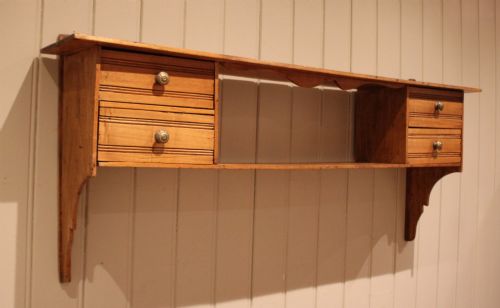
These pieces range from multi-drawer bedroom chests to commercial filing cabinets and open bookcases with integrated drawers.
How were old drawer units used?
Historically, these units served domestic and commercial purposes for organising clothing, documents, and household items in bedrooms, studies, and offices.
Larger banks of drawers and vertical filing cabinets accommodated business paperwork, whilst smaller chests managed personal garments.
How do I live with antique wooden drawers?
Living with these pieces involves placing them in stable environments away from direct heat sources to prevent timber warping and veneer cracking.
Regular waxing maintains the finish on softwoods like pine, whilst hardwoods require gentle dusting and occasional polishing to preserve their appearance.
How do I tell different periods apart?
Distinguishing periods relies on observing stylistic details, such as the elegant proportions of Georgian pieces or the robust proportions typical of Victorian furniture.
Materials also offer clues, as early pieces frequently utilise solid mahogany or oak, whereas Edwardian items often feature golden oak or walnut.