






Traditional Wooden Couch
A traditional wooden couch brings warmth and substance to a room, offering sturdy seating carved from mahogany, walnut, or ebonised wood.
Traditional Wooden Couch
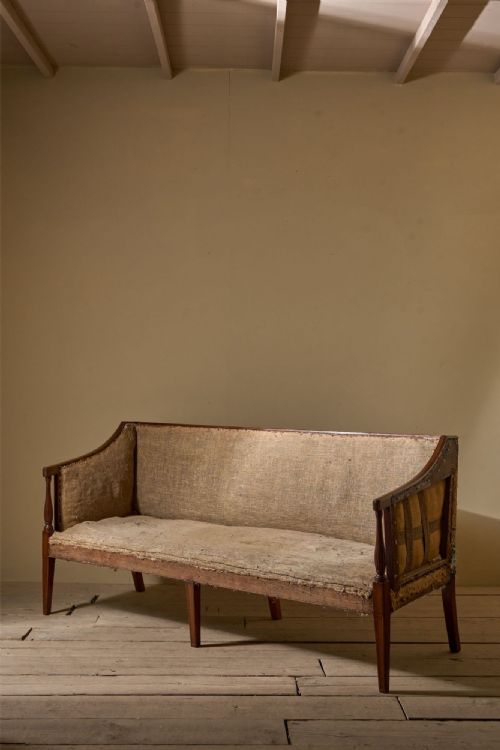
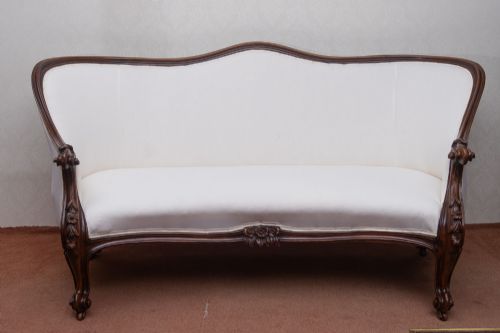
When you search for a traditional wooden couch, you encounter solid timber seating spanning the Regency, Victorian, and Georgian periods, alongside later revival styles. These pieces range from large country house sofas and carved settees to daybeds and benches.
You are most likely to meet nineteenth-century mahogany or walnut frames, often featuring carved details or scroll ends. Some examples reflect earlier George II or Chippendale aesthetics, while others bring regional country house character or imported hardwood construction into the mix.
How they were made
Construction relies heavily on dense timbers like mahogany, walnut, and ebonised wood, shaped through traditional joinery and carving techniques. Frames are built to support generous seating, sometimes enhanced with giltwood highlights or turned wooden components.
Upholstery varies across the selections, incorporating fabric, velvet, hessian, and brass details to finish the seats and backs. Certain items dispense with upholstery entirely, presenting exposed carved hardwood surfaces or lacquered finishes.
Traditional Wooden Couch Retail Price Guide 2026
Typical asking prices for traditional wooden couch among the pieces listed under this phrase on Sellingantiques today, from the lower quarter to the upper quarter. They describe what is for sale here now, not the wider market.
Listings feature 19th Century, Victorian, and Regency periods alongside Chippendale revival styles.
What varies in quality
Quality separates through the crispness of the wood carving and the selection of timber figures in woods like mahogany and walnut. Superior examples display thoughtful proportions and harmonious stylistic details, such as well-executed scroll ends or balanced triple-back designs.
The integrity of the wooden frame and the precision of the joinery dictate the durability of each piece over time. Finer items maintain robust structural framing beneath their upholstery or exposed woodwork, reflecting skilled cabinet-making traditions.
The Traditional Wooden Couch Glossary
- Mahogany
- A durable, reddish-brown tropical hardwood frequently utilised for fine furniture frames throughout the eighteenth and nineteenth centuries. Its stable nature allowed craftsmen to carve intricate details without splitting.
- Scroll-end
- A structural sofa arm design curving outward and downward in a continuous spiral shape. This characteristic silhouette appears frequently on nineteenth-century seating.
- Ebonised wood
- Timber treated with a dark finish to imitate expensive ebony. This technique creates a dramatic, dark surface popular on nineteenth-century frames.
- Giltwood
- Wood treated with a thin layer of gold leaf or gilt paint to create a luminous surface. It highlights specific carved areas on grander country house sofas.
- Daybed
- A long seating unit designed for reclining during the day, combining sofa and bed functions. These timber frames often feature extended platforms or open ends.
Traditional Wooden Couch: Frequently Asked Questions
What is a traditional wooden couch?
A traditional wooden couch is a sturdy timber-framed seating option spanning periods like the Regency, Victorian, and Georgian eras. These items include country house sofas, carved settees, and benches constructed from woods such as mahogany and walnut.
They often feature exposed wooden frames, detailed carving, and various upholstery treatments ranging from velvet to plain hessian. Their designs draw on historical styles, bringing classic silhouettes into domestic spaces.
How do I identify a Regency sofa?
Regency sofas typically date from the early nineteenth century and display classical influences inspired by ancient Greek and Roman forms. You will often notice clean architectural lines, simulated rosewood, or scroll-end woodwork.
These pieces emphasise the natural grain of the timber alongside understated brass accents or giltwood details. They reflect a shift toward lighter, more refined proportions compared to earlier heavy furniture.
Where were wooden settees used?
Wooden settees served multiple functions in grand country houses, formal reception rooms, and hallways. Large carved mahogany hall seat sofas provided firm seating in entrance spaces, while upholstered variants furnished drawing rooms.
Daybeds and benches offered versatile resting places in quieter corners of the home. Their robust wooden frames ensured they could withstand daily domestic use.
What is a Chippendale revival settee?
A Chippendale revival settee is a later interpretation of mid-eighteenth-century designs by Thomas Chippendale, typically produced around the late nineteenth or early twentieth century. These pieces emulate the intricate carved mahogany woodwork and graceful proportions of the original Georgian period.
Makers of this era utilised seasoned timber and traditional carving methods to recreate the classic aesthetic. They offer the visual appeal of eighteenth-century furniture with the sturdiness of later manufacture.
How do I care for antique wood furniture?
Caring for antique wood furniture involves keeping pieces away from direct sunlight and sudden temperature fluctuations that can dry out timber. Regular dusting with a soft, dry cloth helps protect the polished surface of mahogany, walnut, or ebonised wood.
Avoid harsh chemical cleaners, using mild, appropriate wax or polish only when the wood appears dry. Preserving the original finish maintains the character and integrity of the wooden frame.