



Traditional Wooden Conference Table
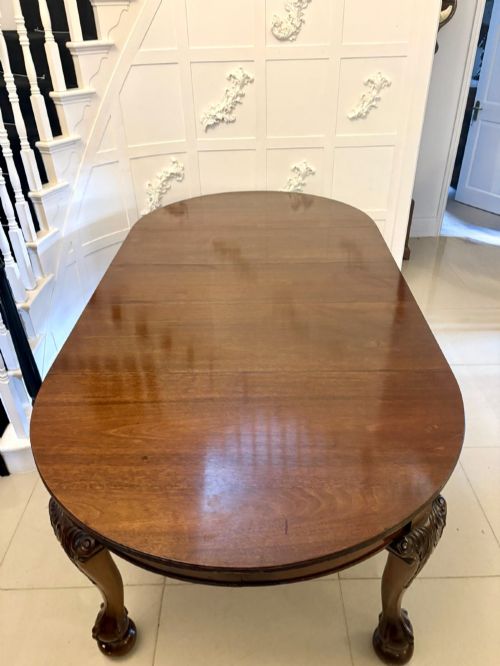
A traditional wooden conference table brings scale, timber grain and historic presence into a large meeting room.
Traditional Wooden Conference Table
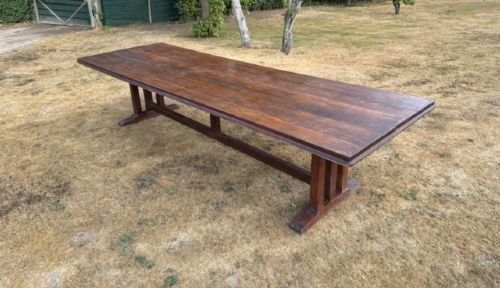
When searching for a traditional wooden conference table, you encounter large scale dining forms repurposed from the nineteenth and early twentieth centuries. These pieces typically take the form of extending dining tables, refectory tables, or large boardroom tables designed to seat ten to over twenty people. The selection spans styles from Regency and William IV to Victorian, Edwardian, and revival periods.
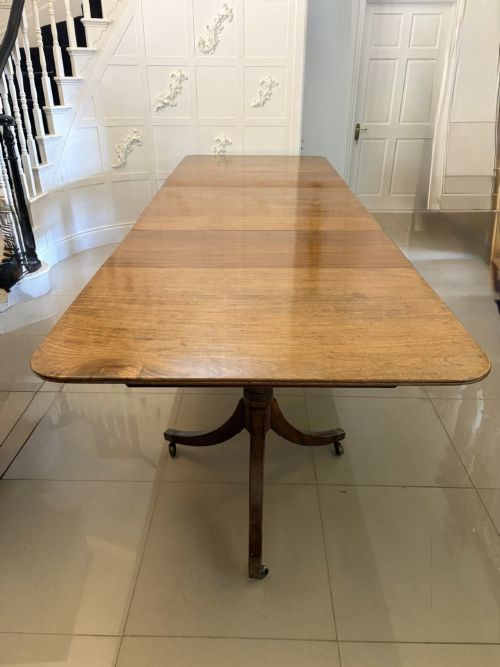
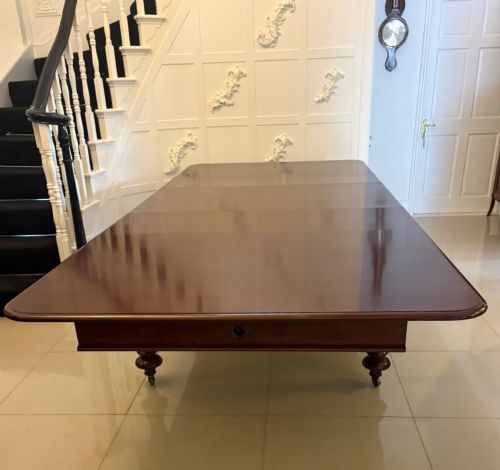
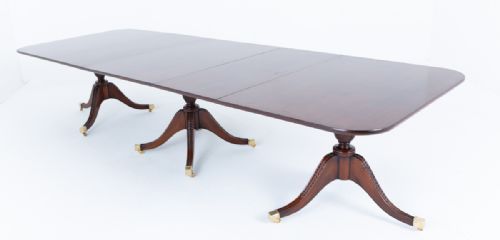
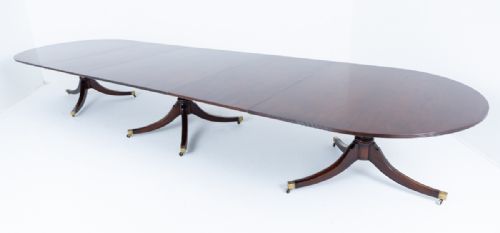
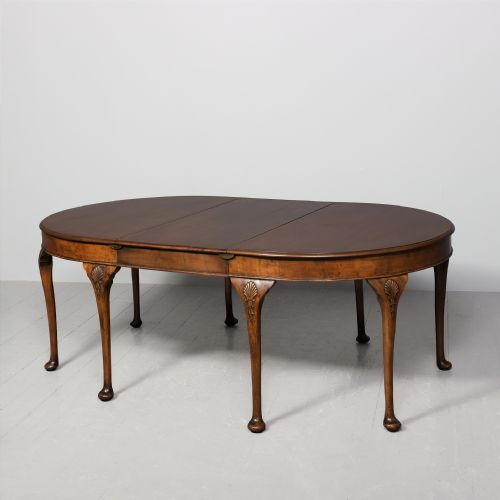
The versions most frequently met on this page are multi-pillar extending mahogany tables featuring additional leaves, alongside substantial oak refectory tables and walnut formats. Dating ranges from the early nineteenth century through to the 1920s, reflecting the periods when large timber furniture was built for institutional and domestic dining on a grand scale.
Materials and Construction
Cabinet makers built these large tables primarily using solid timber frameworks with figured mahogany, walnut, oak, and pollard oak for the primary show surfaces. Brass mechanisms, castors, and pillar supports frequently aided the extension of multi-pedestal dining formats, allowing tables to accommodate numerous leaves.
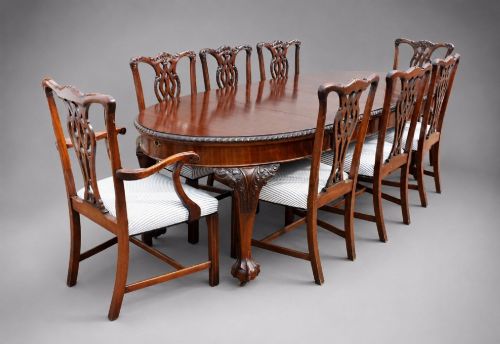
Surface finishes relied on French polishing to highlight the natural grain figures of the mahogany and walnut timbers. Some larger formats incorporated auxiliary seating sets, such as balloon back chairs, utilising matching wood and fabric upholstery.
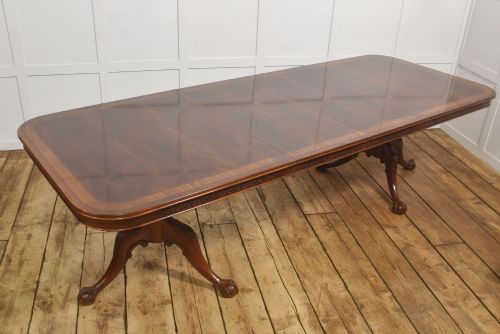
Formats range from twin and triple pedestal extending tables to long refectory and boardroom tables.
Distinctions in Quality
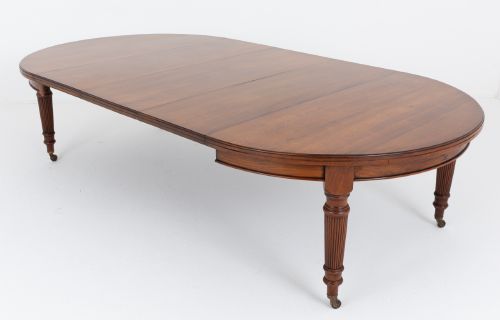
The distinction between standard commercial pieces and the finest examples rests on the selection of timber figure, the stability of the multi-pillar or refectory construction, and the presence of maker attribution. Tables featuring deeply figured mahogany veneers, well-matched leaf extensions, and reeded or carved pillar supports represent the upper tier of the range.
Proportion and scale further separate exceptional boardroom pieces from standard dining formats. Tables designed to seat fourteen to twenty-two guests with multiple pedestals require robust internal framing to support heavy timber tops without sagging across the extensions.
GILLOWS of Lancaster
The Traditional Wooden Conference Table Glossary
- Extending dining table
- A table designed with a mechanism or loose leaves to lengthen the top surface. This configuration allows a surface to expand for large gatherings.
- Pedestal
- A central column support resting on feet, often used in multiples under long dining tables. Multiple pedestals distribute weight evenly across large timber tops.
- Refectory table
- A long, narrow dining table traditionally supported by substantial legs connected by stretchers. These sturdy forms provide ample legroom along the entire length.
- Figured mahogany
- Mahogany timber exhibiting pronounced decorative grain patterns such as flame or curl. Cabinet makers reserved these choice veneers for prominent table tops.
- Reeded leg
- A column carved with parallel convex mouldings resembling bundled reeds. This classical decorative detail frequently appears on Regency furniture legs.
Traditional Wooden Conference Table: Frequently Asked Questions
How do I seat twenty people?
Tables designed to seat twenty individuals typically utilise a triple or multi-pillar extending format with multiple removable leaves inserted along the centre. These expansive configurations distribute weight across several heavy pedestals.
Ensure your room dimensions allow adequate clearance around the perimeter of the extended table for chairs and guests to move freely.
Are these original dining tables?
The pieces listed originate primarily from the nineteenth and early twentieth centuries, constructed originally for large dining and boardroom use. Many function effectively as conference tables due to their substantial length and proportions.
Makers built these heavy timber surfaces to withstand decades of heavy daily gathering and institutional employment.
How do I identify the period?
Period identification relies on observing leg styles, timber choices, and structural hardware such as brass extension mechanisms or castors. Regency and William IV pieces often display reeded legs and figured mahogany, while Edwardian and later revival styles show distinct turnings.
Consulting the listed century and style attributes helps place the table within its historical era of manufacture.
How do I care for timber?
Maintaining historic wood surfaces involves keeping tables away from direct heat sources and sudden humidity changes that can affect timber movement. Regular dusting with a soft cloth preserves the polished finish without buildup.
Using protective pads beneath hot items prevents thermal marking on the polished mahogany or walnut surfaces.