



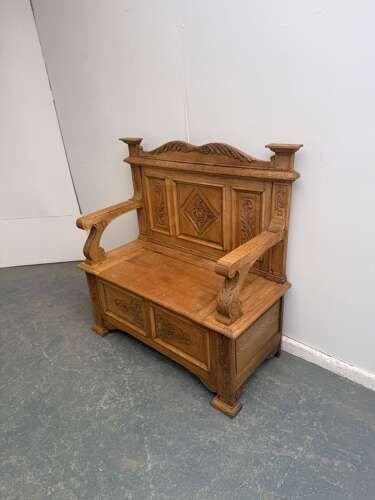
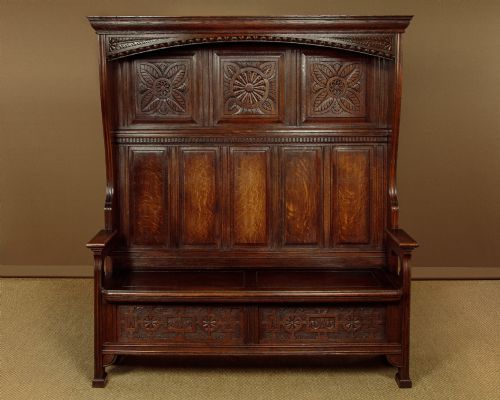
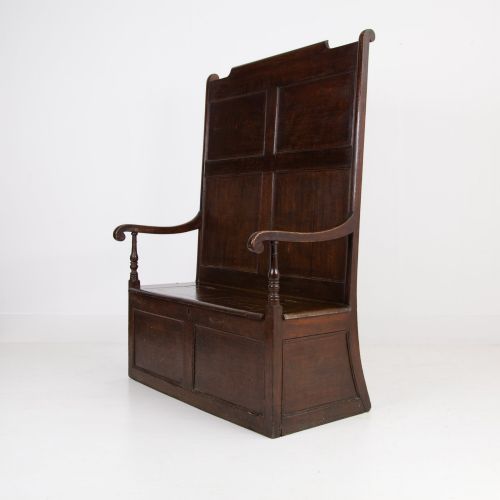
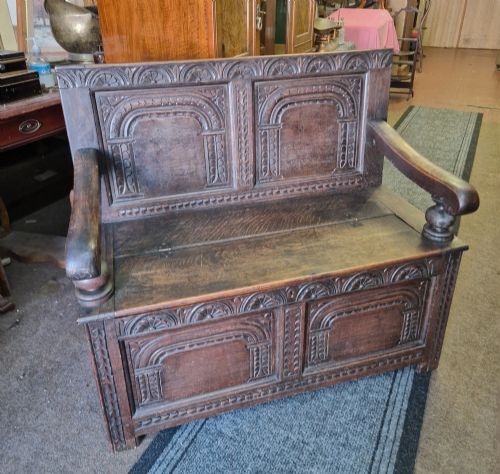


Traditional Wooden Box Settle
Traditional wooden box settle pieces are sturdy, high-backed seats with hidden storage compartments beneath the cushion, offering both a place to sit and a practical chest.
Traditional Wooden Box Settle
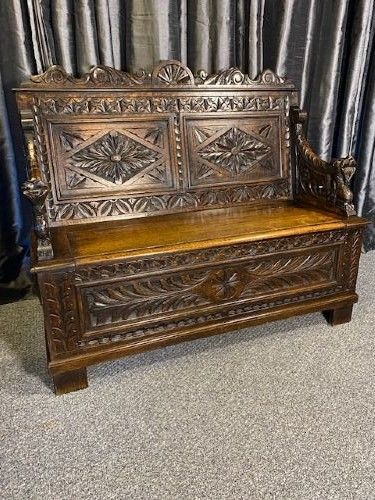
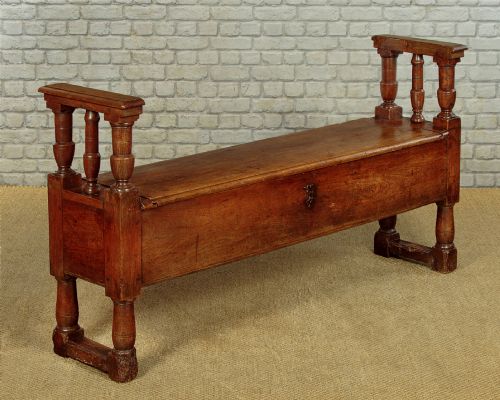
A traditional wooden box settle provides high-backed seating combined with a concealed storage chest beneath the seat, serving practical purposes in hallways and living spaces. Buyers search for these pieces to bring rustic character and dual-purpose utility into a home.
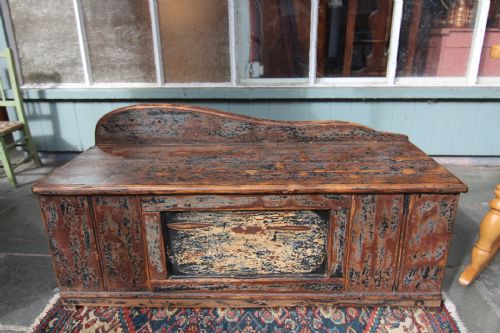
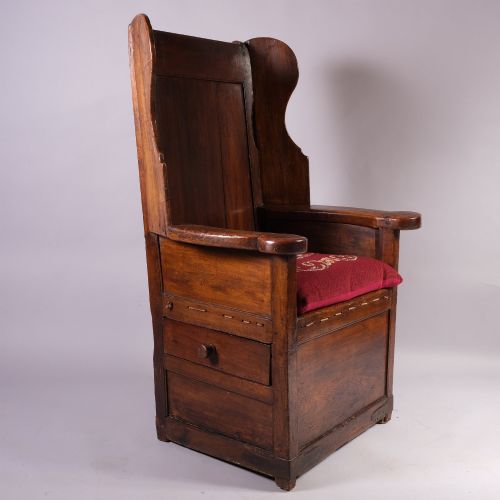
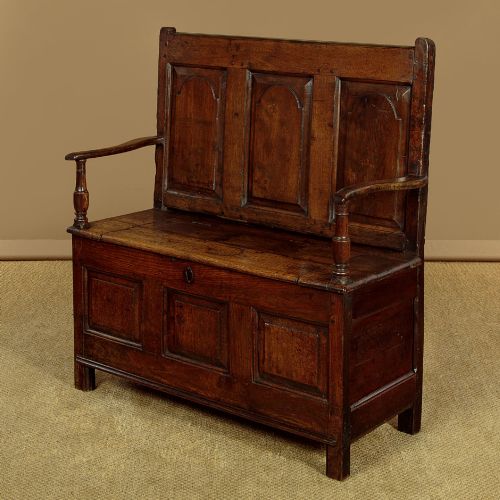
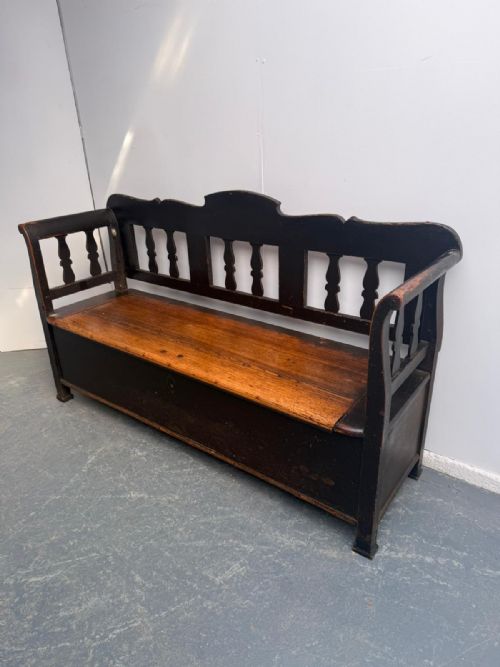
The selections span multiple eras, including Georgian, Victorian, and early twentieth-century examples, with constructions ranging from British country oak and elm to painted continental pine. Many surviving pieces reflect regional traditions, such as Welsh oak designs, Lakeland lambing chairs, and Hungarian painted pine benches.
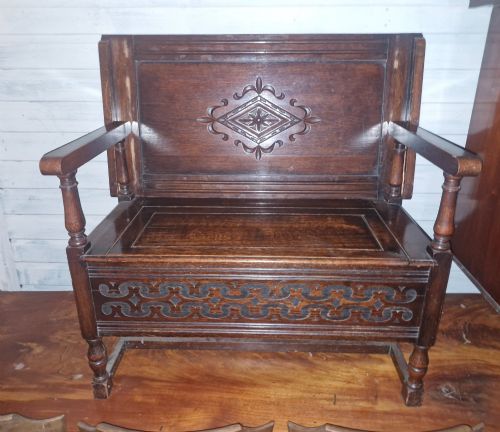
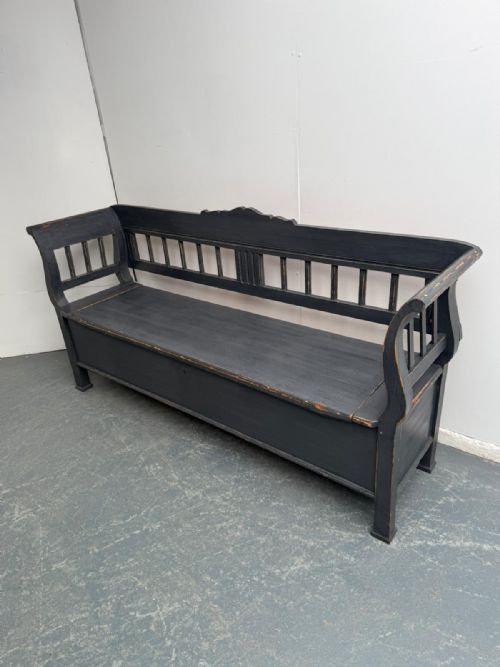
Forms vary from compact hallway seats with lift-up lids and fold-over tops to larger three and four-seater storage benches. Common structural variations include canopy tops, carved panels, and plain country surfaces.
What varies in quality
Quality differences emerge in the selection of timber and the complexity of the carpentry, where dense hardwoods like oak and mahogany demonstrate greater structural permanence than softer pine variants. The depth of hand-carving on panels and canopy tops also separates standard utility furniture from more ornate commissions.
The integrity of original surfaces determines much of the character, distinguishing untouched aged wax or original paint schemes from later refinishing. Retaining original hinges, ironwork, and lift-up mechanisms preserves the authentic utility of the piece.
Traditional Wooden Box Settle Retail Price Guide 2026
Typical asking prices for traditional wooden box settle among the pieces listed under this phrase on Sellingantiques today, from the lower quarter to the upper quarter. They describe what is for sale here now, not the wider market.
Several continental pine benches come ready to accommodate multiple family members with surprisingly cheerful cream and green paint schemes.
The Traditional Wooden Box Settle Glossary
- Settle
- A wooden bench with a high back, solid arms, and a closed base, designed to block draughts in older homes. It often incorporates a chest beneath the seat for storage.
- Bacon settle
- A specialised high-backed storage bench historically used in rural farmhouses for curing and storing meat in the upper compartments. These pieces reflect specific agrarian domestic habits.
- Lambing chair
- An enclosed rustic armchair, frequently constructed from elm or oak, featuring solid sides to protect the sitter from cold draughts near a hearth. They often include a hidden box compartment beneath the seat.
- Monks bench
- A convertible piece of furniture featuring a hinged top that folds down over the arms to transform the high-backed seat into a table. It shares the box-base storage characteristic of settles.
- Polychrome
- Painted in multiple colours, frequently seen on folk art and continental pine storage furniture. This decoration style preserves traditional regional aesthetic choices.
Traditional Wooden Box Settle: Frequently Asked Questions
What is a traditional wooden box settle used for?
These pieces provide a high-backed seating option designed originally to deflect cold draughts in historical hallways and living rooms. The integrated box compartment beneath the seat offers concealed storage for household goods, blankets, or boots.
In modern interiors, they function effectively as hallway benches where the lifting lid allows for practical daily storage. Their substantial backs also create a visual divider in open living spaces.
How do I identify an eighteenth-century settle?
Eighteenth-century examples typically display heavy regional timbers such as oak or elm, assembled with traditional hand-cut joinery. Their proportions often reflect country workshop construction rather than standardised factory output.
Details like pegged joints, hand-planed boards, and patinated wax surfaces help distinguish these older pieces from later revival items. The wear patterns on the seat and arms also point toward extended domestic use over centuries.
Are painted pine settles authentic?
Painted pine finishes appear frequently on continental pieces, including Hungarian and Swedish country benches from the nineteenth century. Original paint layers often show natural craquelure, wear, and fading consistent with age.
Many examples feature muted tones like grey, cream, or green, while others display folk art decoration. Examining the paint layers helps determine whether the colour scheme dates to the original period of manufacture.
How do I care for a waxed wooden settle?
Maintaining a waxed wooden surface involves occasional applications of quality beeswax to nourish the timber and prevent drying. Avoid placing these pieces in direct sunlight or near heat sources that could cause the wood to split.
Routine dusting with a soft, dry cloth protects the accumulated patina on oak, elm, or pine. Liquid cleaners should be avoided as they can strip the historical wax finish.