



Traditional Wood Wardrobe
A traditional wood wardrobe provides substantial storage, bringing architectural presence and enduring timber character to a room.
Traditional Wood Wardrobe
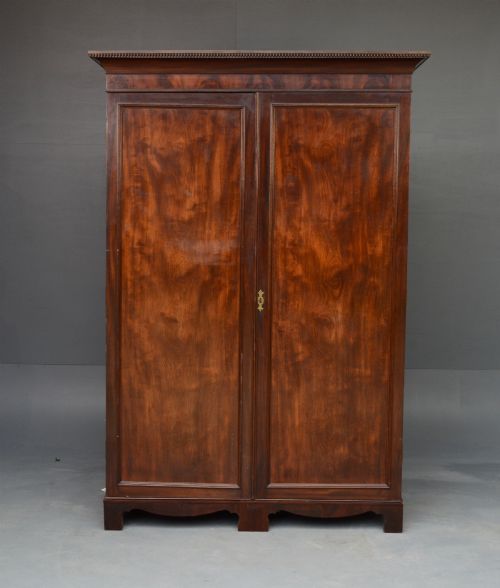
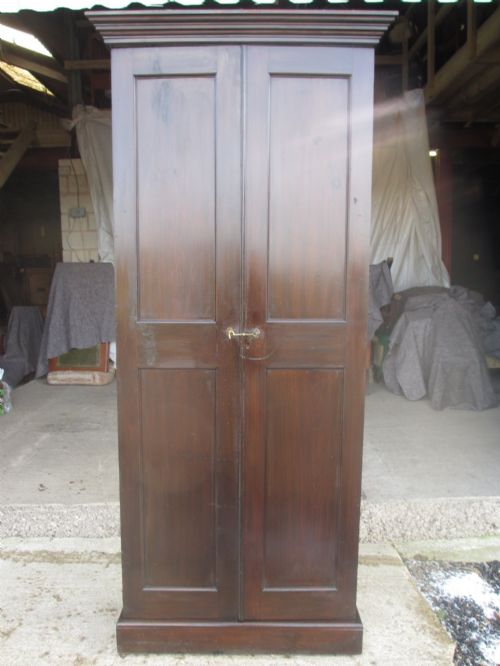
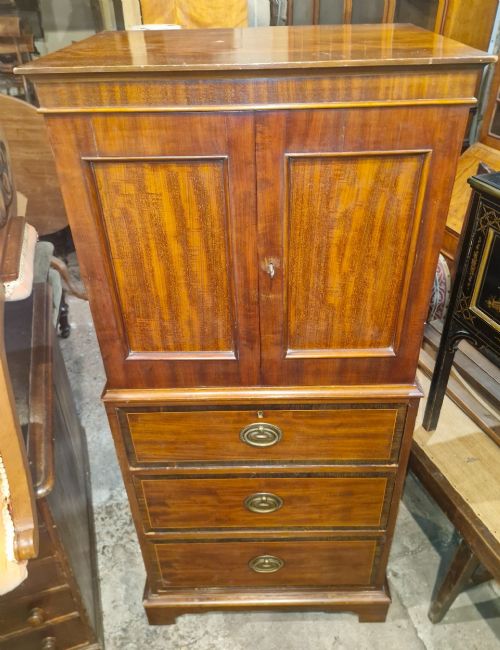
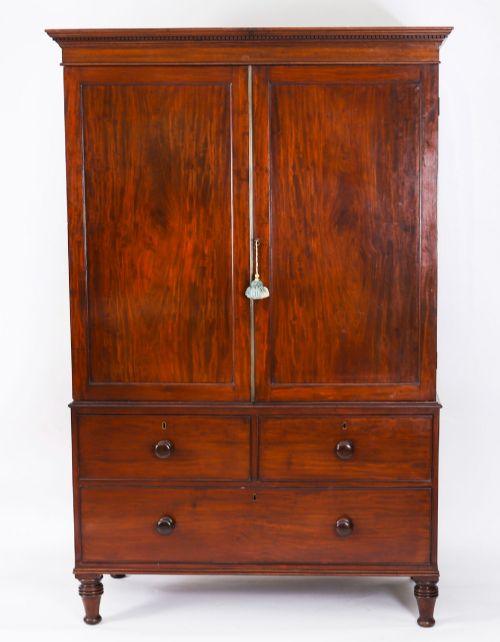
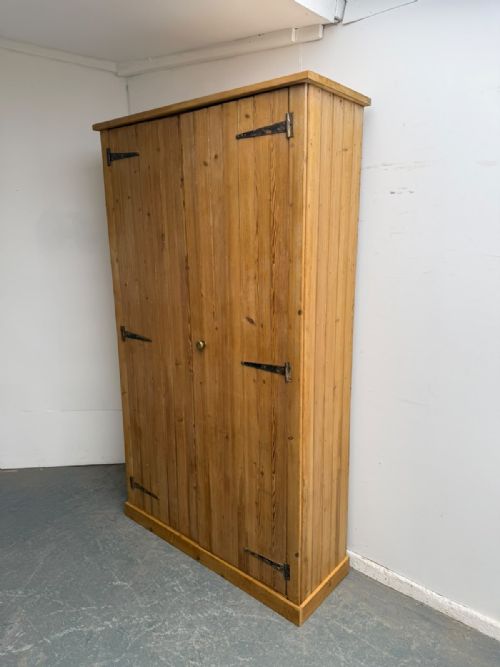
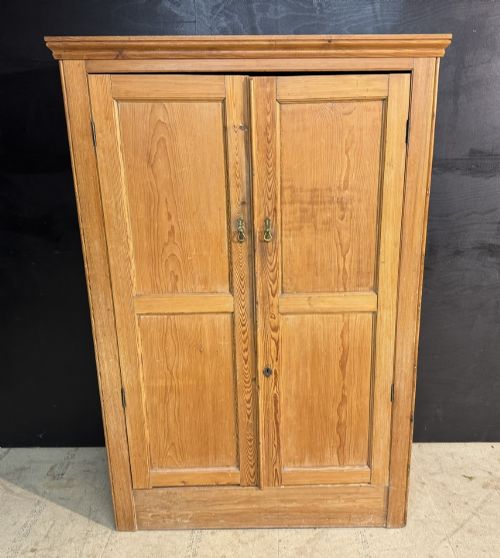
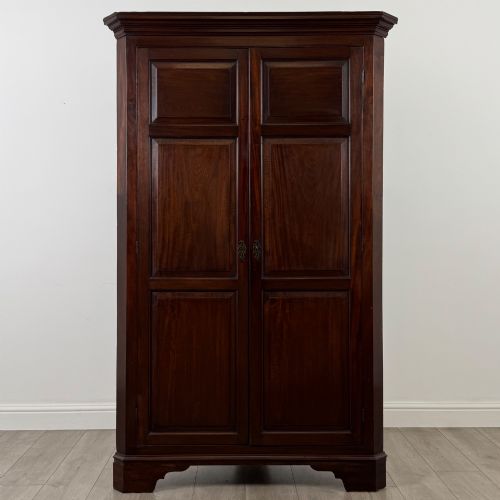
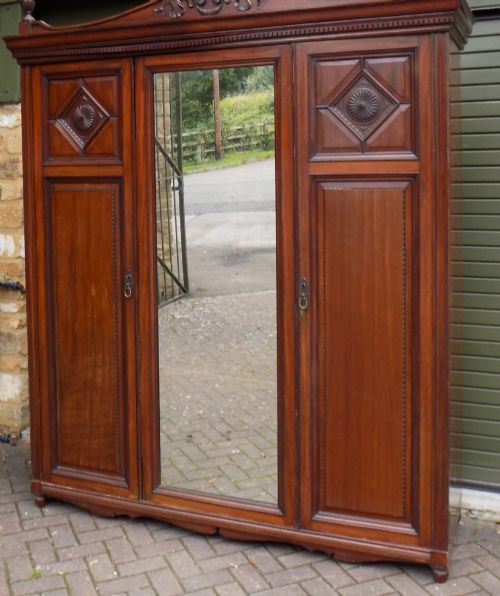
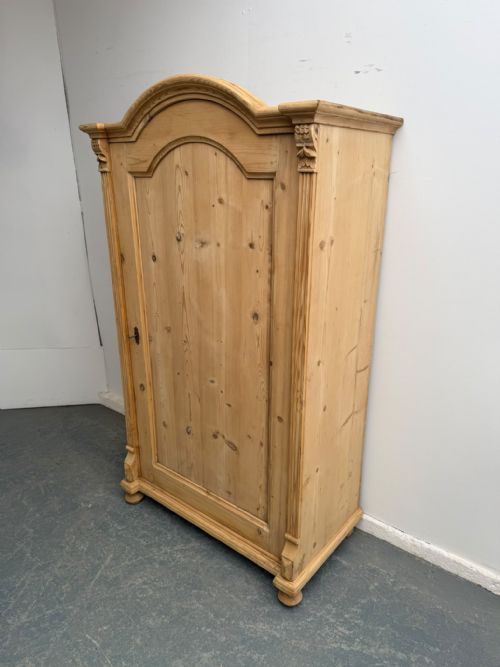
When searching for a traditional wood wardrobe, collectors and homeowners encounter a variety of substantial timber storage furniture spanning several centuries. The selection encompasses grand mahogany triple wardrobes, practical pine knockdown cupboards, and architectural linen presses dating from the Georgian and Victorian eras.
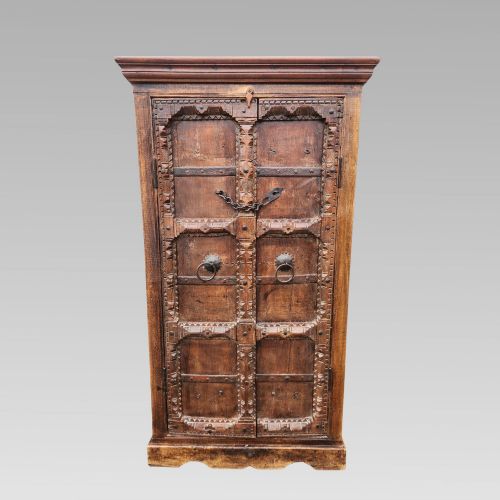
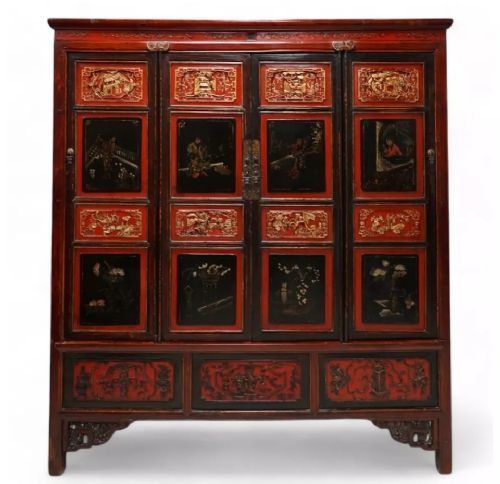
The pieces on this page lean heavily towards British and continental European cabinet-making, alongside select pieces from international traditions such as Chinese elm and Indian teak. Mahogany and oak dominate the formal examples, while stripped pine provides the vernacular domestic storage found in country houses and farmhouses.
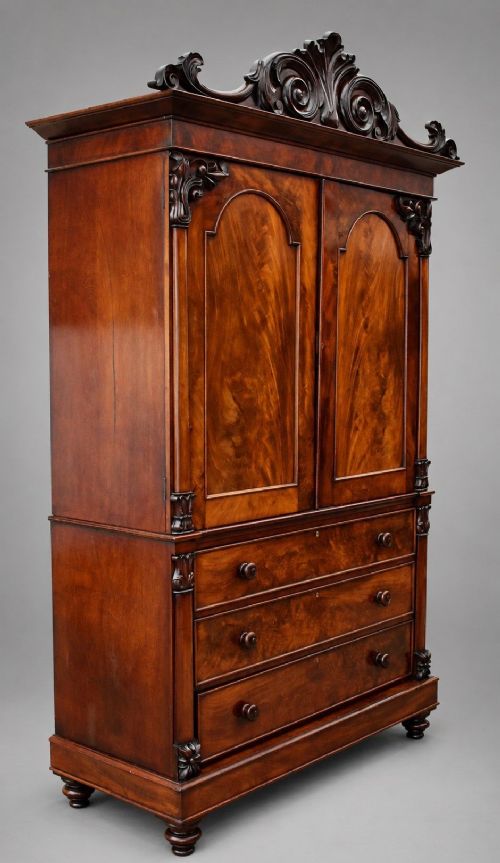
Buyers are most likely to meet substantial mahogany hanging wardrobes and pine double door cupboards equipped with internal shelving or hanging space. These pieces combine functional clothing storage with distinct period joinery, ranging from restrained Georgian proportions to decorative Victorian flame mahogany finishes.
Construction and materials
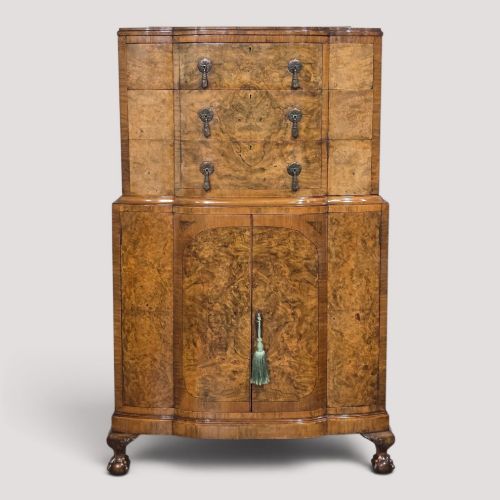
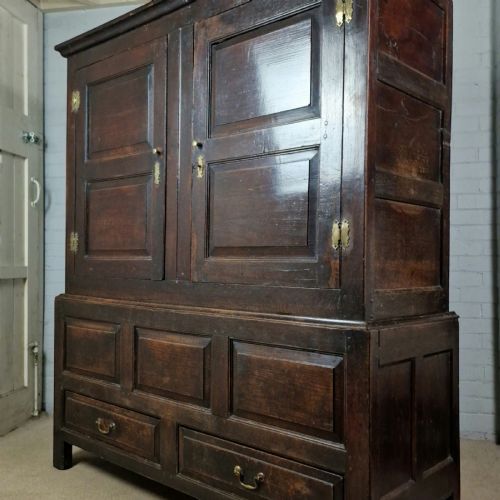
Cabinet-makers constructed these wardrobes using solid timbers including mahogany, oak, walnut, and pine, frequently applying figured flame mahogany veneers to primary display surfaces. Panels were typically fielded or panelled into robust frames to accommodate seasonal timber movement without splitting.
Internal elements often utilised secondary softwoods alongside pegged joints, hand-cut dovetails in drawers, and solid brass hardware for locks and hanging hooks. Larger Victorian and Georgian examples frequently employed knockdown construction using internal bolts, allowing these massive pieces to be dismantled for transport.
Traditional Wood Wardrobe Retail Price Guide 2026
Typical asking prices for traditional wood wardrobe among the pieces listed under this phrase on Sellingantiques today, from the lower quarter to the upper quarter. They describe what is for sale here now, not the wider market.
Regional variations appear across the inventory, ranging from British oak livery cupboards to Dutch marquetry robes and Chinese lacquer cabinets.
Distinctions in quality
Quality separates along the lines of timber selection and joinery refinement, where premium pieces display deeply figured flame mahogany veneers, symmetrical grain matching, and meticulous hand-carved mouldings. Lesser examples rely on plain utility timbers with minimal decorative flourishes, built strictly for functional domestic storage rather than display.
The integrity of the original construction, including unaltered cornices, working brass locks, and uncompromised internal hanging arrangements, determines the standing of a piece. Alterations to interiors, such as the removal of linen press sliding trays to insert modern hanging rails, alter the historical character of the furniture.
The Traditional Wood Wardrobe Glossary
- Linen press
- A two-part storage piece featuring sliding trays or shelves in the upper section above a base of drawers. These were traditionally used for storing household linens flat before hanging wardrobes became standard.
- Knockdown wardrobe
- A large piece of case furniture engineered to be disassembled into component parts using internal bolts and bed bolts. This clever construction allowed bulky furniture to move through narrow staircases and doorways.
- Flame mahogany
- A veneer cut from the branch junction of the mahogany tree, producing a distinctive, highly figured flame pattern. Cabinet-makers reserved this striking material for the primary facade and doors of formal pieces.
- Livery cupboard
- An early form of storage cabinet featuring panelled doors designed to store food, clothing, or household goods. These sturdy oak pieces represent some of the earliest domestic case furniture found in homes.
Traditional Wood Wardrobe: Frequently Asked Questions
How do I fit a antique wardrobe in a modern room?
Many period wardrobes were built as massive single units or tall breakfronts requiring careful measurement of ceiling heights and floor space. Knockdown pine versions offer a practical solution because they can be disassembled and rebuilt on site.
Internal configurations often require adaptation since historical wardrobes were designed for shorter garments and folded linens. Adding a slim hanging rail or adjusting internal shelving allows these traditional pieces to serve modern clothing storage needs.
What is the difference between a linen press and a wardrobe?
A linen press traditionally combines upper sliding shelves or trays with lower drawers, designed originally for flat textiles rather than garments on hangers. Wardrobes are dedicated primarily to hanging clothes behind full-length doors.
Many antique presses have undergone conversion over the years to include hanging space inside the upper section. Examining the interior construction reveals whether the sliding trays remain intact or if the piece has been altered for modern use.
How do I date an old wooden wardrobe?
Dating relies on observing timber choices, construction techniques, and stylistic vocabulary such as Georgian bracket feet or Victorian breakfront cornices. Secondary woods, hand-cut dovetails, and the presence of original brass hardware provide reliable clues to the decade of manufacture.
Earlier pieces from the eighteenth century often feature pegged frame-and-panel construction in oak or solid mahogany. Later nineteenth-century examples introduce machine-sawn elements, mahogany veneers, and more expansive glazed or mirrored doors.
How should I care for a timber wardrobe?
Solid wood and veneer surfaces respond best to stable indoor humidity and protection from direct sunlight, which can fade rich mahogany and walnut tones. Applying traditional beeswax periodically helps nourish dry timber and maintains a soft sheen.
Avoid placing large wooden furniture directly against damp walls or near active heat sources that cause wood to warp or split. Regular dusting with a soft, dry cloth preserves the original polish without building up harmful chemical residues.