
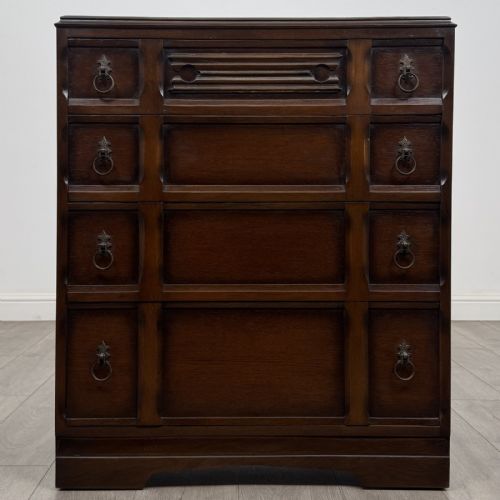
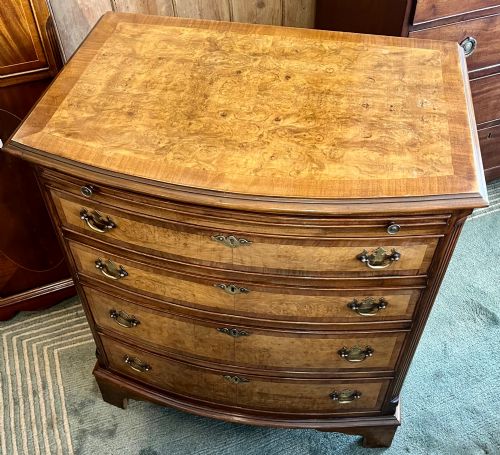
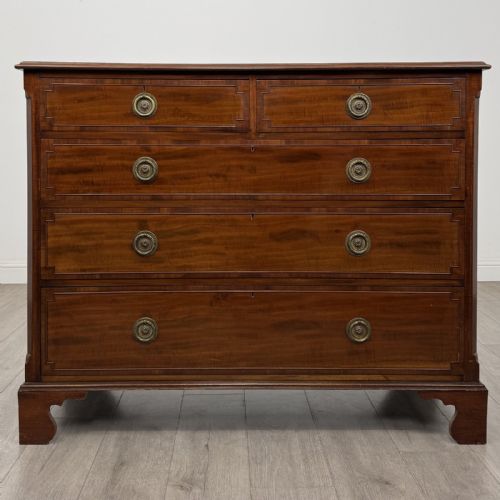
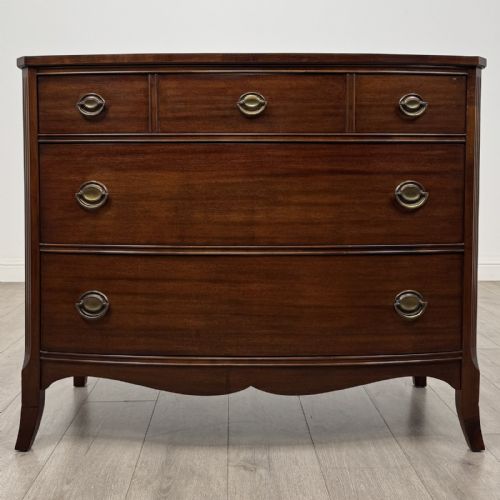
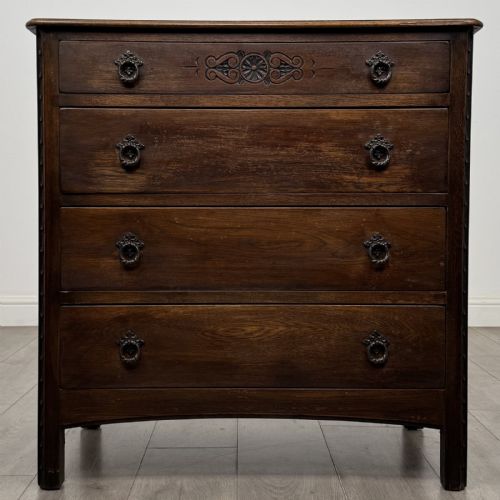
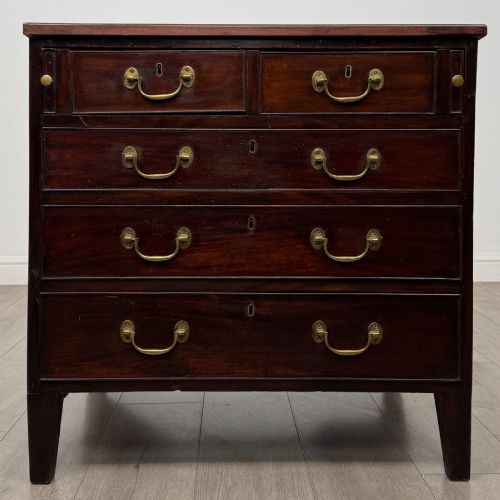
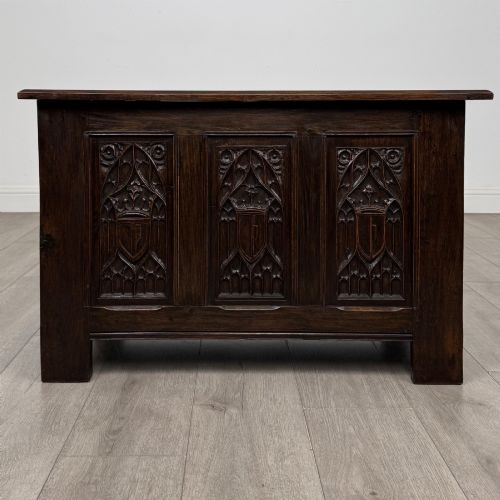
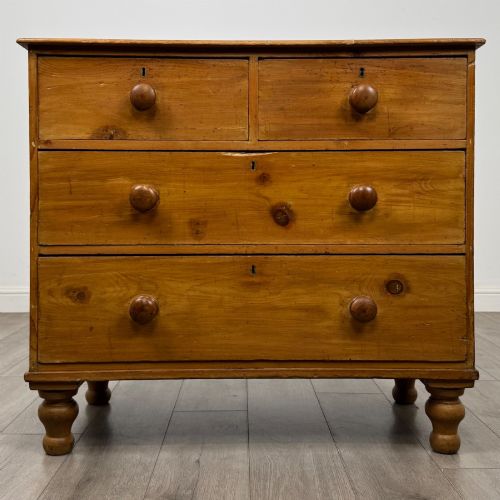
Traditional Wood Storage Chest
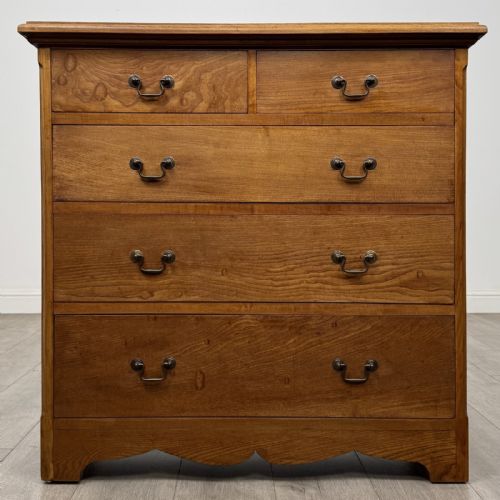
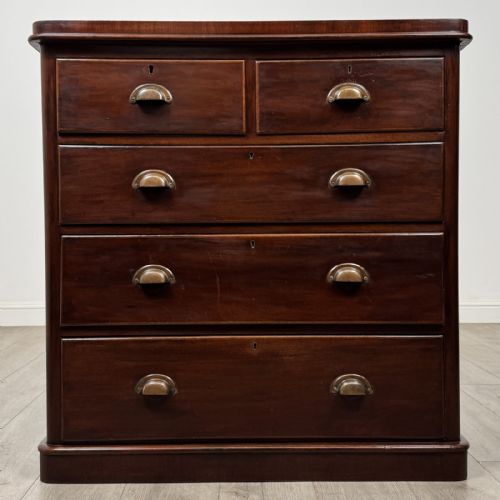
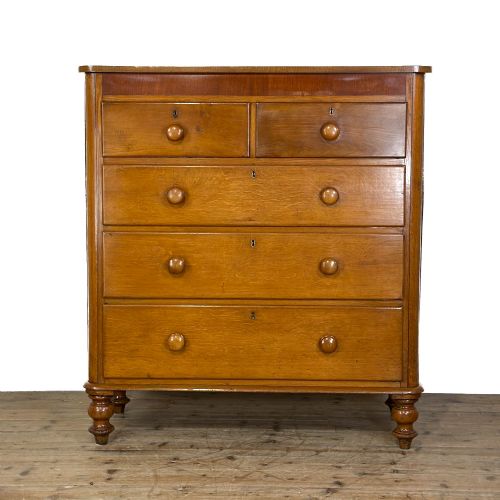
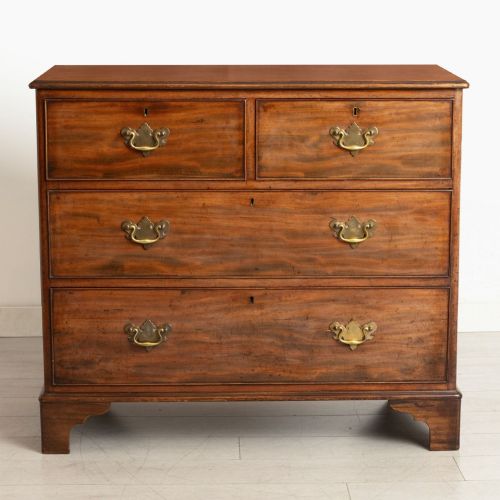
These traditional wood storage chest options include coffers, trunks and chests of drawers built to hold domestic belongings securely.
Traditional Wood Storage Chest
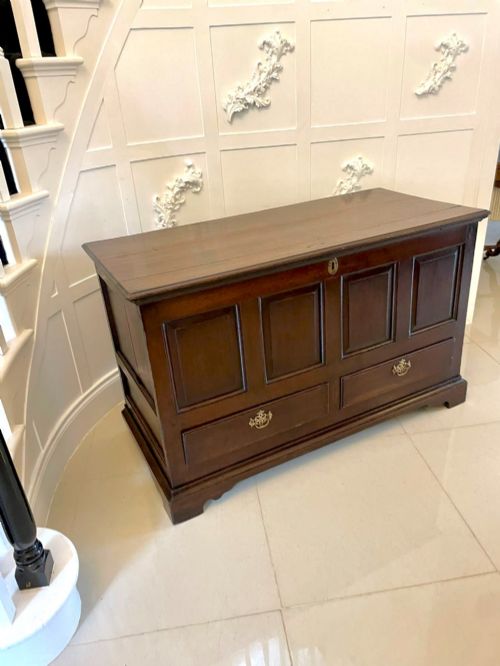
A traditional wood storage chest encompasses forms such as coffers, blanket boxes, linen presses and multi-drawer chests. These pieces span the 18th century, Georgian and Victorian periods, extending into the Edwardian era and the early decades of the 20th century.
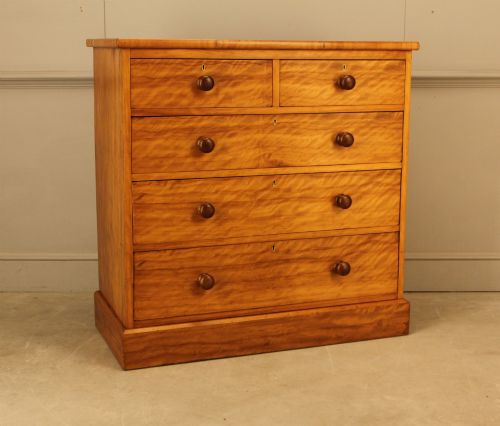
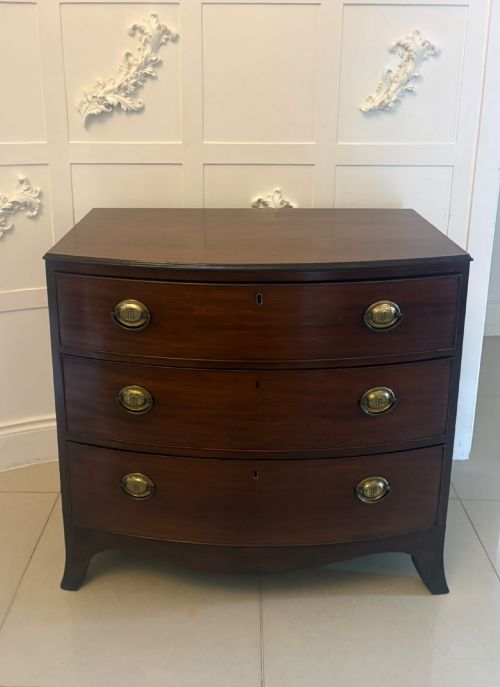
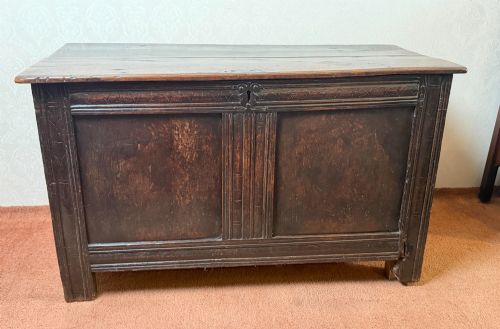
The versions most frequently met here are mahogany chests of drawers and oak coffers, alongside pine storage pieces and camphor wood trunks. Styles range from plain country items to formal Georgian designs and revival pieces.
Makers and builders utilised regional timbers to construct utilitarian storage for households, resulting in variations from simple six-plank construction to carved panels and serpentine drawer fronts.
Materials and construction
Timbers such as oak, mahogany, pine and elm form the primary structure of these storage pieces, supplemented by cedar and camphor wood for specific trunk interiors. Brass hardware, iron fittings and bun handles provide functional details and structural support.
Carpenters joined panels using traditional methods suited to each form, from pegged joints in oak coffers to dovetailed drawer construction in mahogany and pine chests.
Listings feature oak, mahogany, pine, elm, cedar and camphor wood across pieces dated from the 18th to the 20th century.
Craftsmanship and timber selection
The standard of a traditional wood storage chest depends upon the choice of timber, such as flame mahogany veneer or solid oak, and the precision of its construction. Drawer operation and the integrity of original brass handles or carved details distinguish finer examples from plain utility pieces.
Condition plays a part, with original surfaces, uncompromised timber and intact period hardware maintaining the character of the piece more effectively than later alterations.
The Traditional Wood Storage Chest Glossary
- Coffer
- A large wooden box with a lid, traditionally used for safekeeping valuables or textiles. Early examples often feature carved panels and heavy oak construction.
- Dovetail
- A joint used in drawer construction where interlocking wedge-shaped fingers hold the sides together securely. This technique indicates traditional cabinet-making.
- Serpentine
- A curved front shape with a convex centre flanked by concave sides. It appears on polished mahogany drawer units from the Georgian and Edwardian periods.
- Six-plank
- A primitive box construction method utilising six individual boards joined directly at the edges. Elm and oak coffers often employ this simple technique.
Traditional Wood Storage Chest: Frequently Asked Questions
What is a traditional wood storage chest used for?
These pieces served households for storing heavy textiles, blankets, linen and personal belongings safely away from dust and pests. Their deep drawers and lidded compartments accommodate bulky items easily.
Today, they function as practical furniture in bedrooms, hallways and living spaces, providing concealed storage while serving as surface tables or benches.
How do I date an oak coffer?
Dating relies on observing construction methods, timber grain, and decorative carving styles associated with periods like the Georgian era or Jacobean revival. Pegged joints and hand-planed surfaces indicate older origins.
Later 20th-century reproductions often display machine milling marks and different interior fixings compared to 18th or 19th-century originals.
Are mahogany chests of drawers Georgian or Victorian?
Mahogany chests span multiple periods, appearing in George III, Regency, Georgian revival, and Victorian eras. Formal Georgian pieces often feature clean proportions and brass pull handles.
Victorian and Edwardian iterations frequently incorporate flame mahogany veneers, bow fronts, or serpentine shapes while retaining similar drawer arrangements.
How should I care for antique pine furniture?
Pine pieces require protection from direct heat sources and excessive moisture to prevent timber splitting or warping. Regular dusting with a dry cloth maintains the surface.
Original paint or waxed finishes benefit from minimal intervention, avoiding harsh chemical cleaners that strip historical patination.