




Traditional Wood Side Lamp
A traditional wood side lamp brings warmth and practical surface space beside a chair, uniting useful illumination with solid timber construction.
Traditional Wood Side Lamp
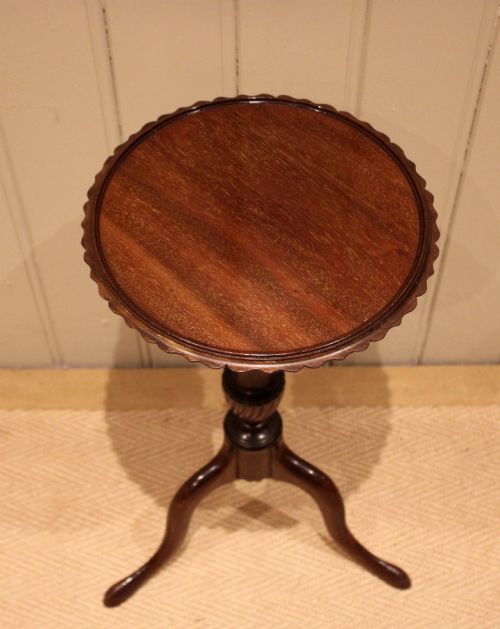
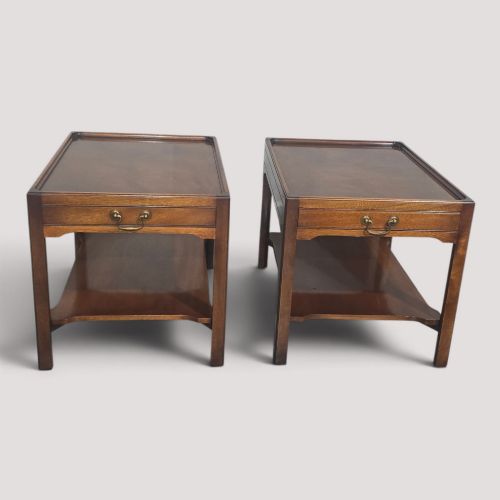
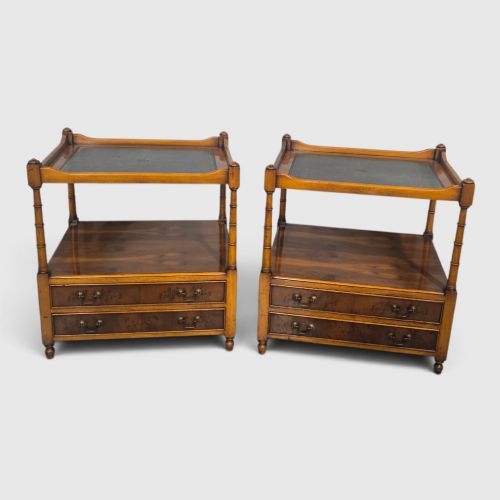
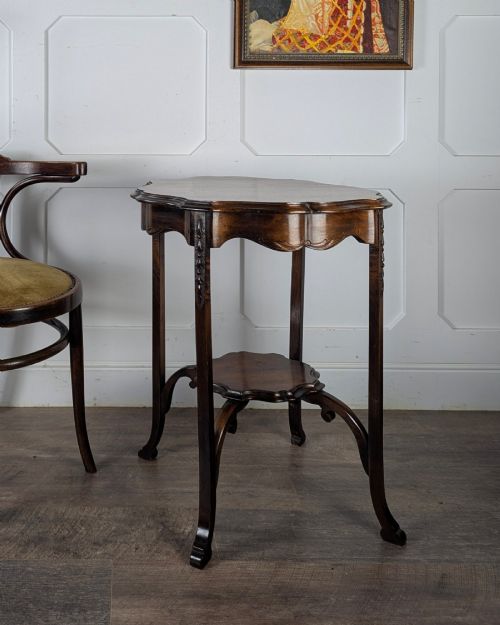
When searching for a traditional wood side lamp, buyers encounter compact occasional tables, wine tables, and specialised lamp tables designed to hold lighting. These pieces span the 18th century, 19th century, Edwardian era, and early 20th century, reflecting periods such as Georgian, Victorian, and Regency.
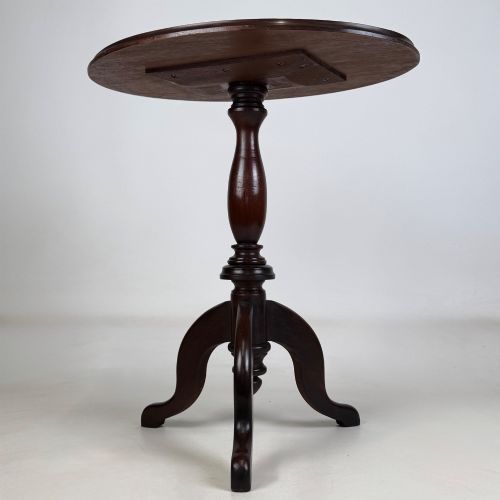
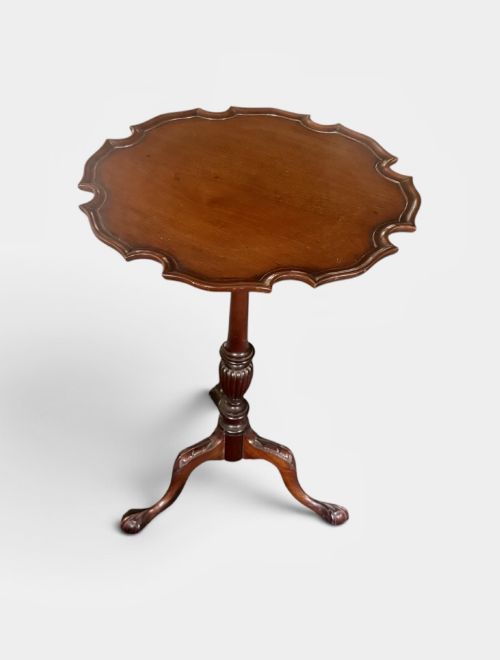
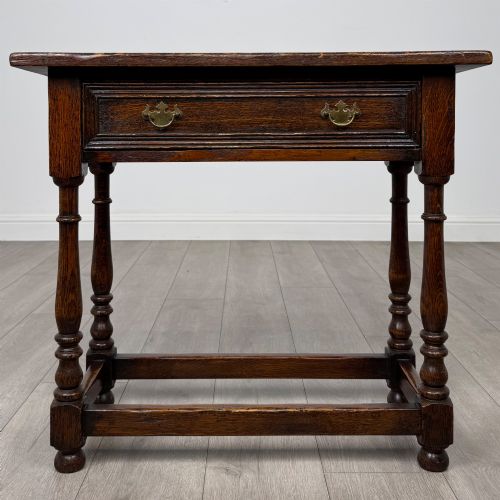
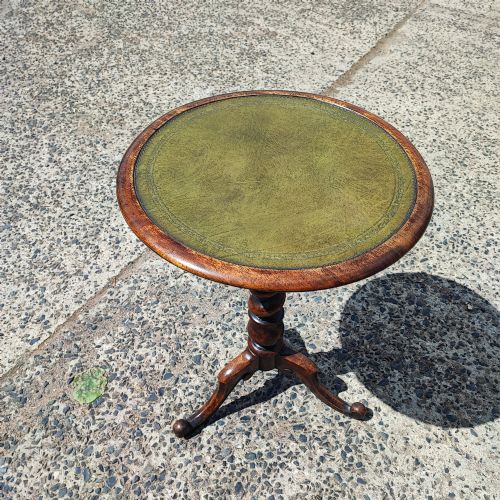
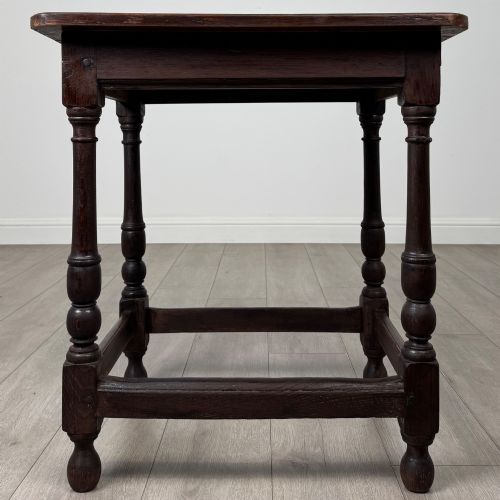
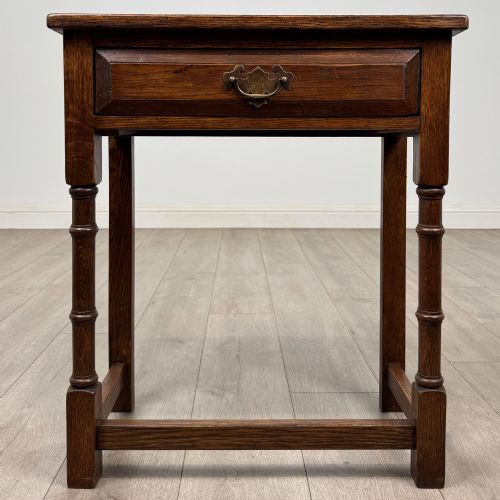
The versions met most frequently on this page include mahogany wine tables with tripod bases, oak side tables from the Edwardian period, and elm occasional tables. Forms range from spider leg tables and pie crust rims to barley twist pedestals and cricket tables.
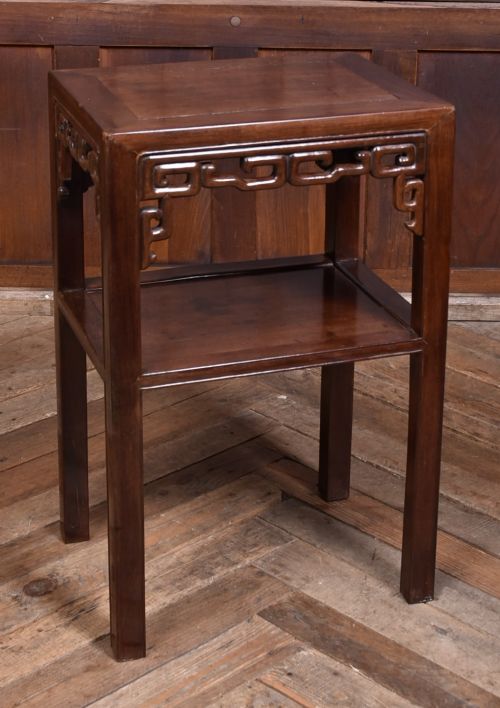
Origins vary from English country pieces to Dutch and Chinese imports in elm or mahogany. Buyers select these items to serve as functional stands that integrate historical timber grain into domestic spaces.
Materials and construction methods
Makers utilised a range of native and imported hardwoods including mahogany, oak, walnut, elm, ash, cherry, yew, and lignum vitae, frequently pairing timber structures with brass details or leather inserts.
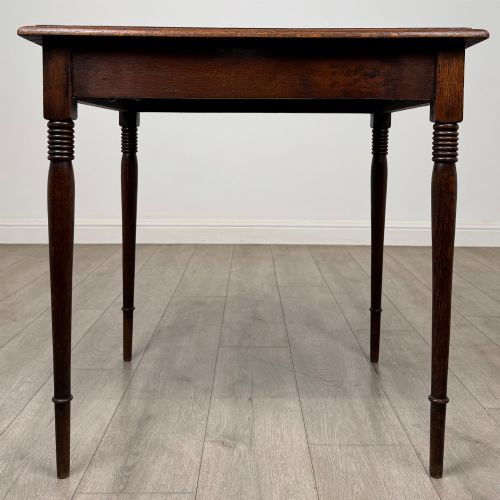
Turning techniques created barley twist pedestals and shaped legs, while joinery methods produced tripod bases and sturdy side tables designed to support lamps and small objects without wobbling.
Carving appears on specific regional pieces, such as Flemish oak items and Black Forest linden animal figures, demonstrating hand-worked detail across different centuries.
A carved linden bear holds aloft a light source, proving that historical forest fauna make surprisingly dedicated illumination assistants.
Evaluating construction and timber quality
Quality in these pieces depends upon the selection of timber, such as figured mahogany, burr elm, or solid yew, which displays natural grain rather than applied veneer.
Construction integrity separates standard examples from superior ones, visible in the stability of tripod leg joints, the crispness of turned wooden elements, and the retention of original rims or drawers.
The Traditional Wood Side Lamp Glossary
- Tripod table
- A small occasional table supported by three legs radiating from a central pillar. This form became popular during the 18th century for ease of movement.
- Wine table
- A compact occasional table originally intended for holding glasses or bottles during social gatherings. They typically feature small circular tops on slender pedestals.
- Cricket table
- A small, three-legged English table with a round wooden top, traditionally used in domestic settings. The three-legged design ensured stability on uneven floors.
- Pie crust rim
- A raised, decoratively carved edge on a table top that resembles the fluted crust of a pastry pie. This detail is often found on 18th-century and Edwardian occasional tables.
- Barley twist
- A type of turning that creates a spiral column resembling a twisted stalk of barley. This decorative motif appears frequently on 17th-century and Victorian supports.
Traditional Wood Side Lamp: Frequently Asked Questions
What is a traditional wood side lamp table used for?
These tables provide a stable surface for holding table lamps, books, and small decorative items beside seating areas. Their compact footprints allow them to fit into corners and narrow spaces where larger furniture cannot go.
Historically, many of these pieces began as wine tables or occasional tables before being adopted for modern lighting. Their sturdy timber construction ensures they handle daily use while adding period character to a room.
How do I identify an Edwardian wood side table?
Edwardian tables, typically dating from the early 20th century, often feature lighter woods like oak and mahogany with restrained decorative details. They frequently incorporate tripod bases, small drawers, or narrow proportions suited to urban homes of the period.
Examining the underside and joint construction helps confirm the era, as machine-sawn elements became more common alongside traditional hand-finishing. These pieces bridge the gap between heavy Victorian furniture and simpler modern designs.
Are these tables made from solid wood?
The inventory includes items fashioned from solid hardwoods such as mahogany, oak, elm, ash, and walnut. Timber selection varied by region and period, with English country pieces favouring local elm and oak.
Grain patterns and surface patination reveal the natural characteristics of the timber used by the maker. Solid construction ensures that the tables withstand the weight of lamps and daily handling.
How do I care for an antique wood lamp table?
Maintaining these wooden surfaces requires keeping them away from direct heat sources and strong sunlight that can dry out the timber. Regular dusting with a soft cloth preserves the polish and natural patina accumulated over the decades.
Applying appropriate wax occasionally helps nourish hardwoods like mahogany and oak without building up heavy residues. Protecting the surface from moisture prevents rings and water marks on the antique finish.