


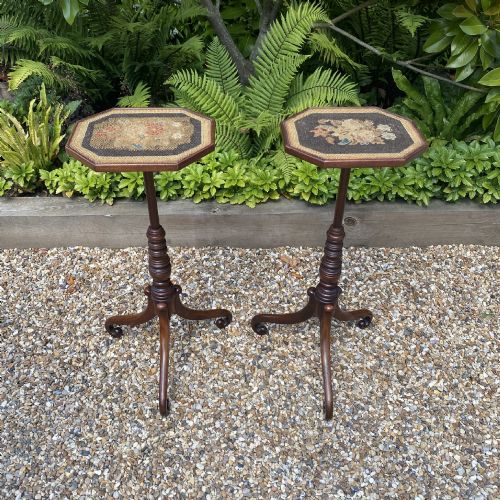
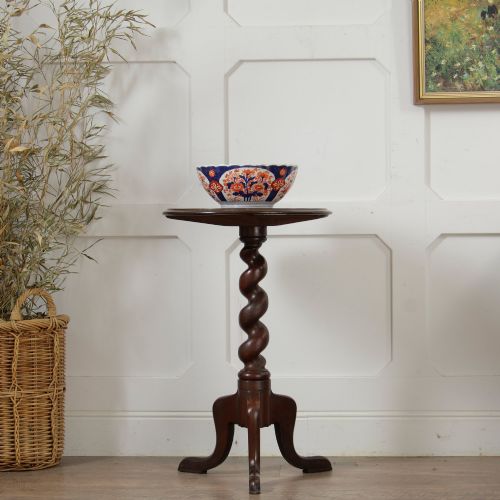
Traditional Wood Lamp Stand
A traditional wood lamp stand brings grounded vertical presence to a room, offering a sturdy timber shaft designed to hold light.
Traditional Wood Lamp Stand
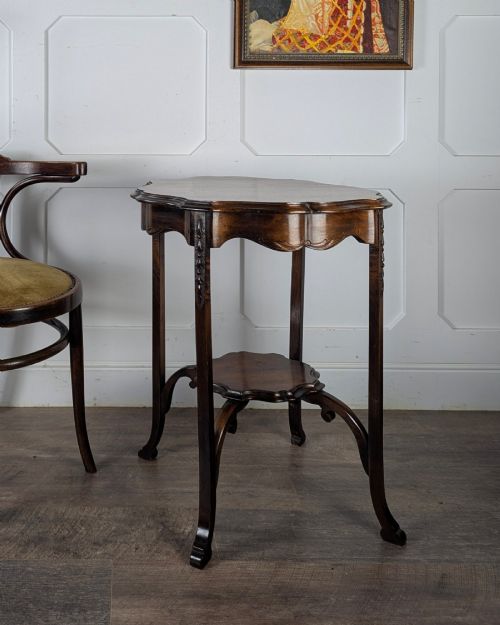
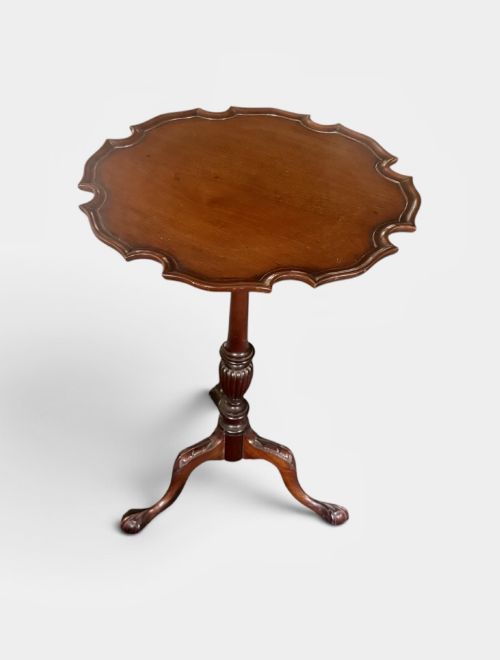
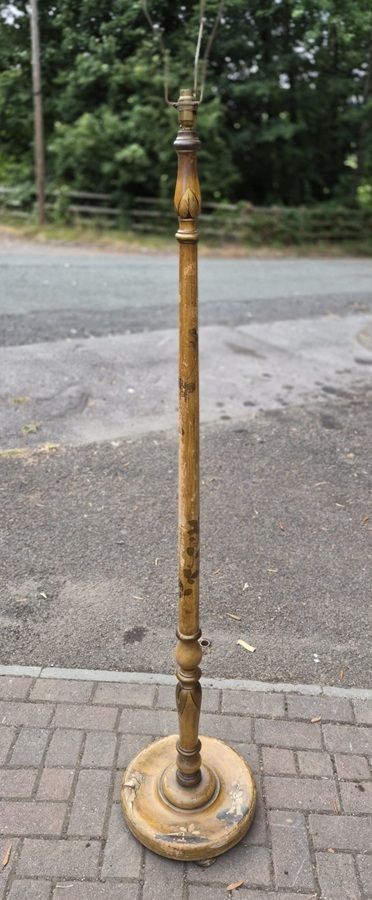
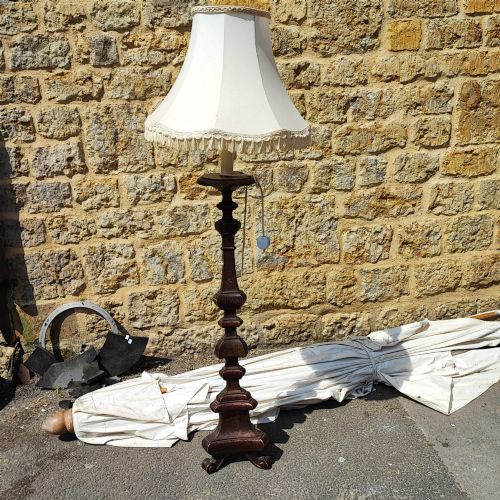
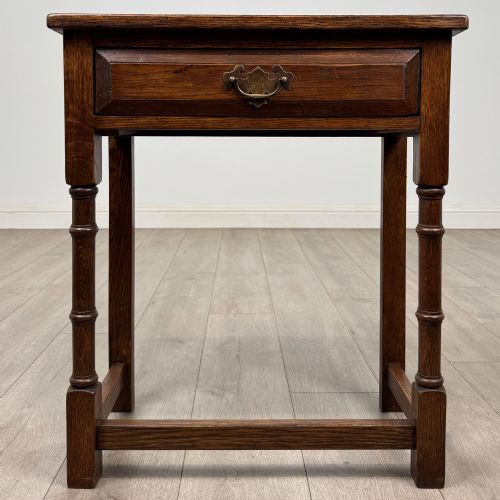
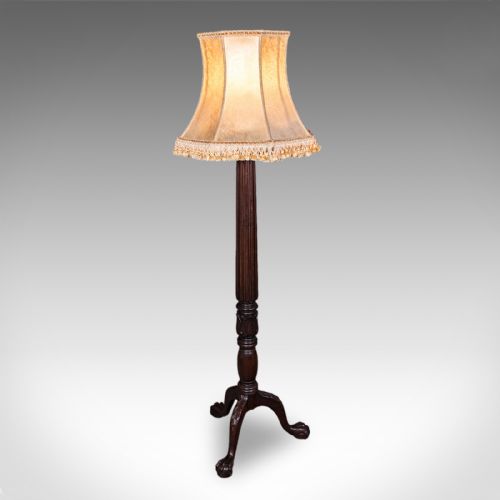
A traditional wood lamp stand typically takes the form of a tall floor-standing standard lamp or a smaller wine and side table adapted for illumination. These pieces span the Victorian, Edwardian, Georgian, and early twentieth-century periods, showing the evolution of domestic lighting furniture over time.
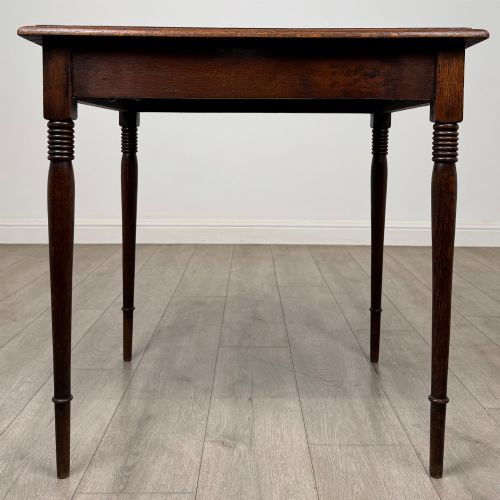
The most common examples met on this page are Edwardian and nineteenth-century standard lamps alongside mahogany and oak occasional tables. Makers of these periods often drew on Georgian, Regency, and Jacobean revivals to shape the timber.
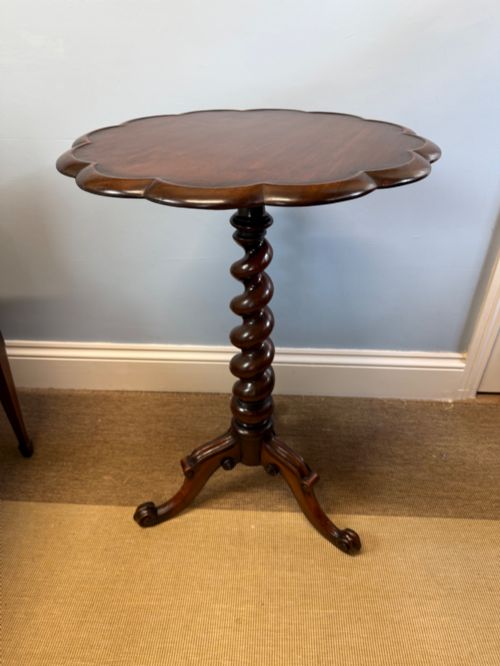
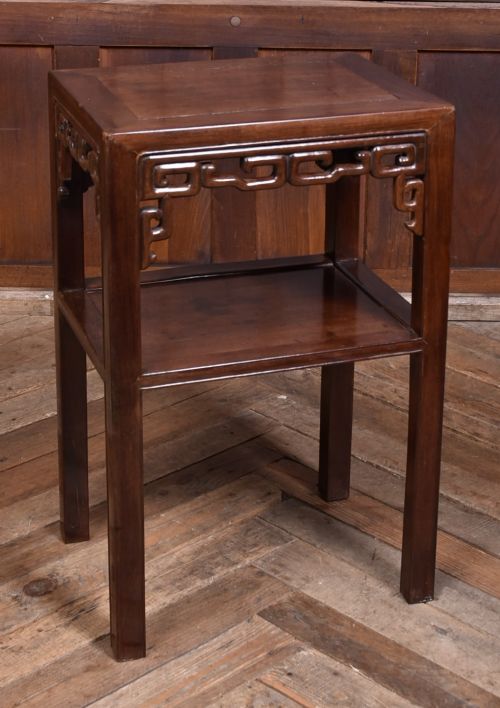
Floor lamps and smaller lamp tables share turned, carved, or barley twist pedestals designed to support either a fabric shade or a direct light fitting. Their origins are rooted in British and imported traditions, including Chinese hardwood and Chinoiserie lacquered finishes.
Materials and construction methods
Construction relies primarily on hardwoods such as mahogany, oak, walnut, beech, and padauk, often turned on a lathe to create slender vertical shafts. Brass fittings and fabric shades frequently accompany the timber structures to complete the lighting apparatus.
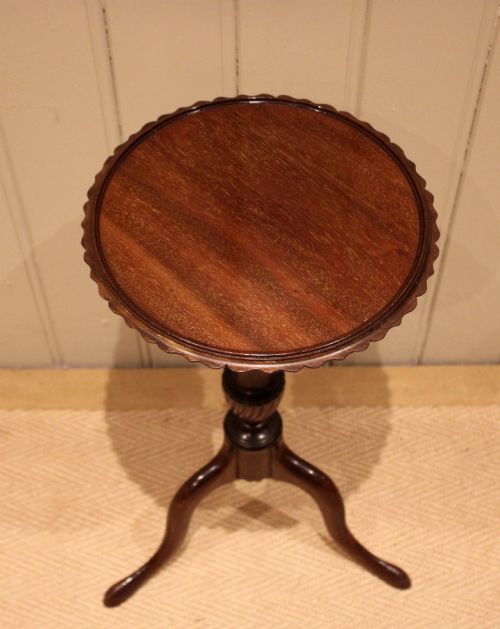
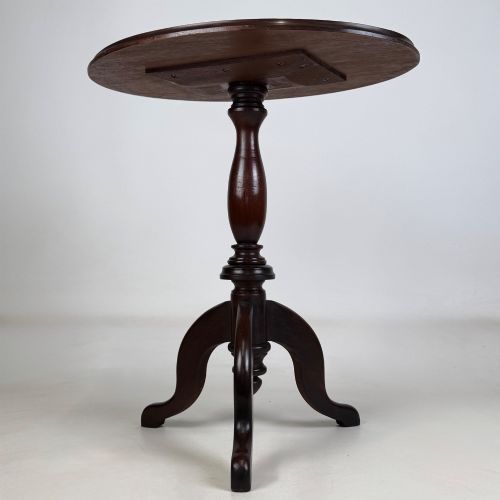
Joinery techniques include stable tripod bases, heavy circular plinths, and carved pedestal feet that provide balance for tall standards and small wine tables. Surface treatments range from parcel gilt and red lacquer to polished natural grain.
Some tall wooden stands were thoughtfully designed to extend upwards, perhaps to accommodate exceptionally tall ceilings or particularly dramatic hats.
Distinctions in craftsmanship and design
Quality separates through the crispness of hand-carving on the pedestal and the selection of figured timber veneers such as burr walnut or rich mahogany. Heavier, well-balanced bases demonstrate superior stability compared to lighter, plain alternatives.
Refined details such as barley twist turnings, parcel gilding, or intricate Chinoiserie decoration elevate certain standards and tables above plain utility pieces. The integration of original brass hardware and thoughtful proportions further marks out superior examples.
Heals and Sons
The Traditional Wood Lamp Stand Glossary
- Standard lamp
- A tall floor-standing lamp designed to provide ambient room illumination. These vertical timber posts often feature turned shafts and heavy supporting bases.
- Tripod table
- A small occasional or wine table supported by three legs branching from a central pillar. This form provides stable footing on uneven older floors.
- Barley twist
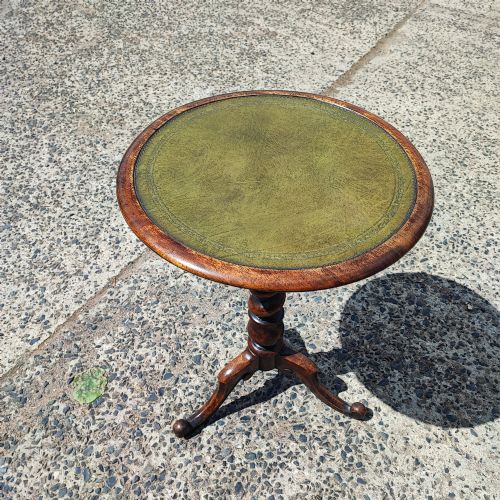
- A spiral carving resembling a twisted rope running up the length of a wooden pedestal. It became particularly popular during the Victorian and revival periods.
- Chinoiserie
- European decorative style reflecting Chinese artistic influences, frequently seen in lacquered finishes and painted motifs on furniture and lamp stands.
- Wine table
- A small freestanding circular table originally designed to hold glasses or bottles, often adapted to serve as a compact lamp stand.
Traditional Wood Lamp Stand: Frequently Asked Questions
What is a traditional wood lamp stand?
A traditional wood lamp stand is a floor-standing vertical light fixture or a small occasional table used to support a lamp. They are constructed from timbers such as mahogany, oak, and walnut.
These pieces often feature turned shafts, carved pedestals, and tripod bases originating from the nineteenth and early twentieth centuries.
How do I date a wooden standard lamp?
Dating relies on examining the timber species, turning styles, and revival characteristics present in the design. Victorian and Edwardian examples often display specific stylistic revivals like Regency or Jacobean.
Hardware, wiring methods, and base construction also offer clues to whether a piece originates from the nineteenth or twentieth century.
Where should I place a standard lamp?
A standard lamp fits well in corners, beside reading armchairs, or next to side tables to create layered ambient lighting. Their vertical presence adds height to a room without occupying much floor space.
Matching the timber tone to surrounding furniture helps integrate the lamp naturally into the existing room layout.
What is the difference between a standard lamp and a wine table?
A standard lamp is built primarily as a tall vertical shaft to hold a light fixture at eye level. A wine table is a low occasional surface that can also function as a small lamp stand.
Both forms utilise turned wooden pedestals and often share tripod or pedestal bases across Victorian and Edwardian styles.