
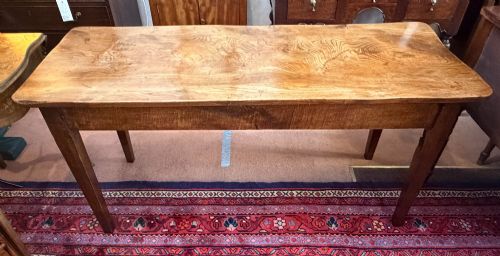
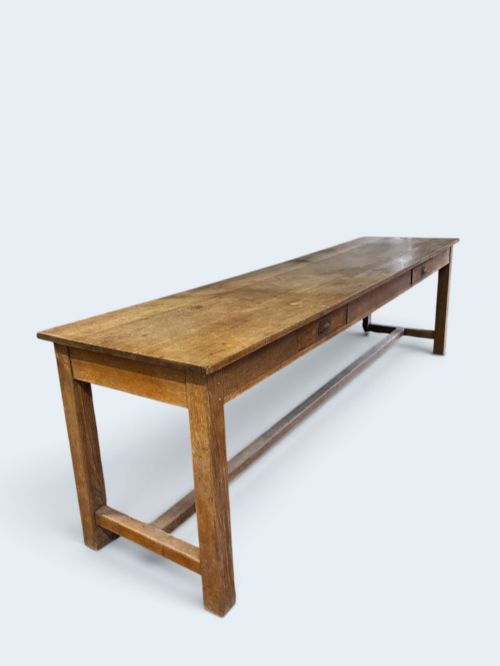
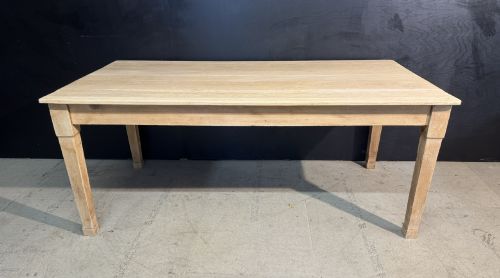
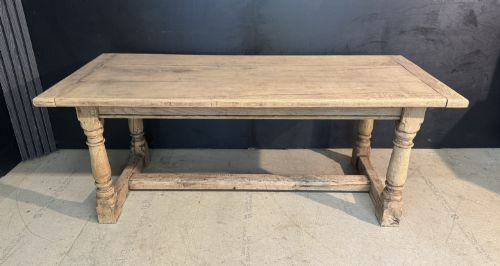
Traditional Wood Kitchen Table
A traditional wood kitchen table anchors the room with sturdy practicality, built from honest materials designed to withstand daily use for generations.
Traditional Wood Kitchen Table
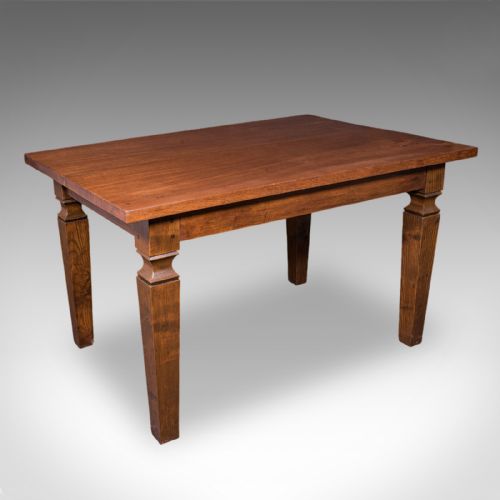
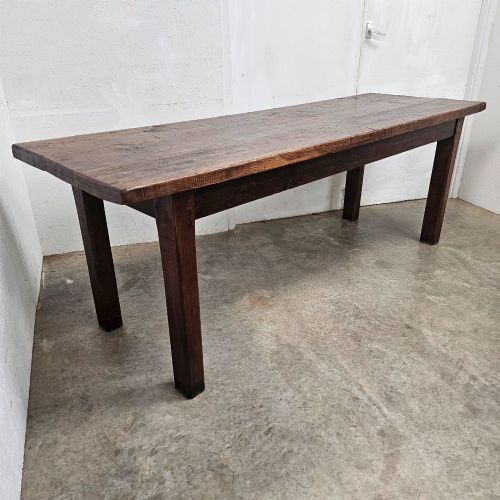
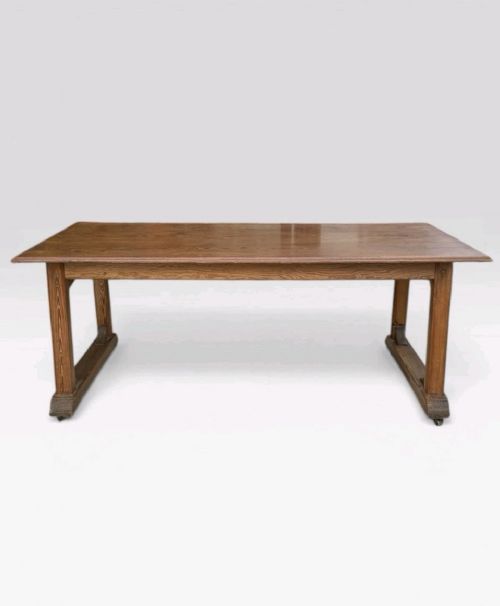
A traditional wood kitchen table serves as the hardworking centre of the home, drawing from centuries of utilitarian design. These pieces encompass sturdy farmhouse tables, substantial refectories, and functional workbenches originating from periods ranging from the eighteenth century through to the early twentieth century.
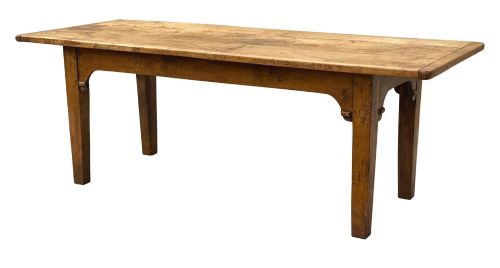
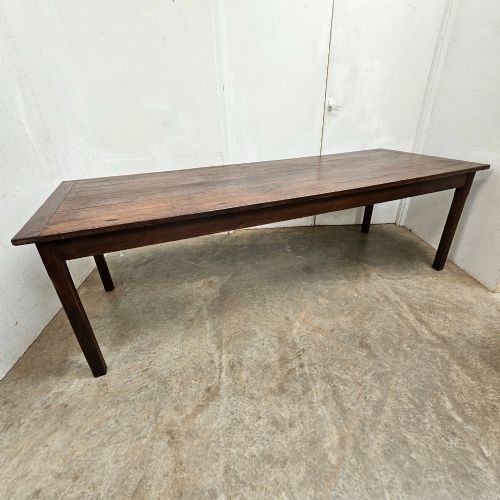
The selection on this page leans heavily toward robust English and French country pieces, often constructed with generous proportions suited for communal dining or food preparation. Buyers will encounter various configurations, including plank tops, draw-leaf mechanisms, and sturdy gate-leg designs that reflect regional domestic traditions.
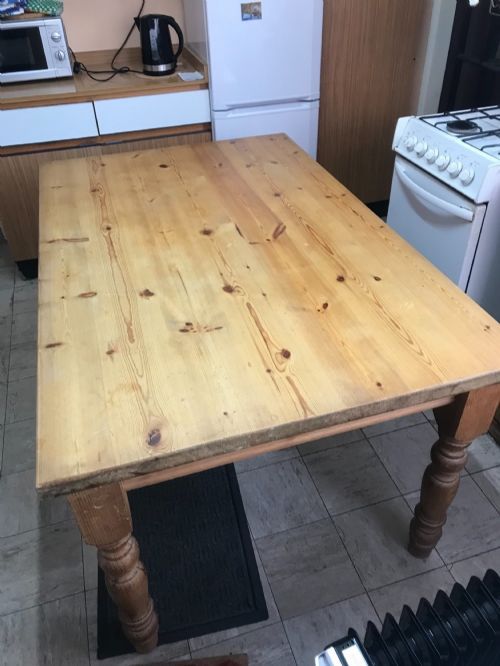
Makers fashioned these tables primarily for endurance, resulting in forms that prioritise functional workspace over delicate ornament. Whether searching for an oak tavern table or a scrubbed pine kitchen surface, the pieces carry the physical marks of active domestic or workshop use.
Materials and Construction Methods
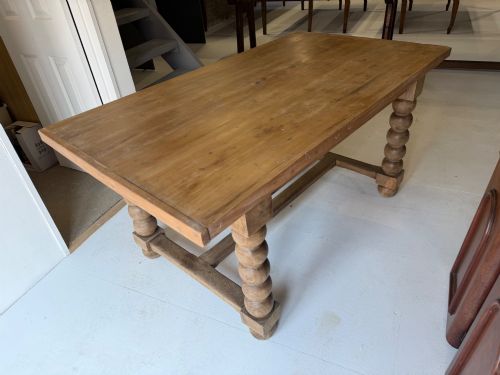
Carpenters relied on domestic hardwoods and softwoods such as oak, pine, elm, beech, and cherry, selecting timber based on regional availability and structural demand. Thick planks formed heavy tabletops capable of enduring sustained weight and friction, supported by sturdy turned, tapered, or bobbin legs.
Joinery methods focused on mechanical stability, utilising pegging, mortise and tenon joints, and heavy stretchers to prevent lateral movement during vigorous kitchen tasks. Iron brackets, brass fittings, and wooden vices appear on specialised workbench variants to reinforce the heavy timber structures.
Several vintage French workbenches still retain their original built-in wooden vices, perfect for clamping down a very stubborn loaf of sourdough.
Judging the Quality of Domestic Tables
Quality rests upon the integrity of the timber selection and the honesty of the construction, where thicker single-plank tops and uncompromised structural frames command higher regard. The relationship between the top and the base dictates longevity, with tighter joinery and original stretchers indicating superior craftsmanship.
Surface patination reveals much about a table's history, distinguishing pieces that have aged naturally through generations of use from those subjected to aggressive modern stripping. The presence of original working elements, such as integrated drawers, operational vices, or period hardware, elevates the historical authenticity of the piece.
The Traditional Wood Kitchen Table Glossary
- Refectory table
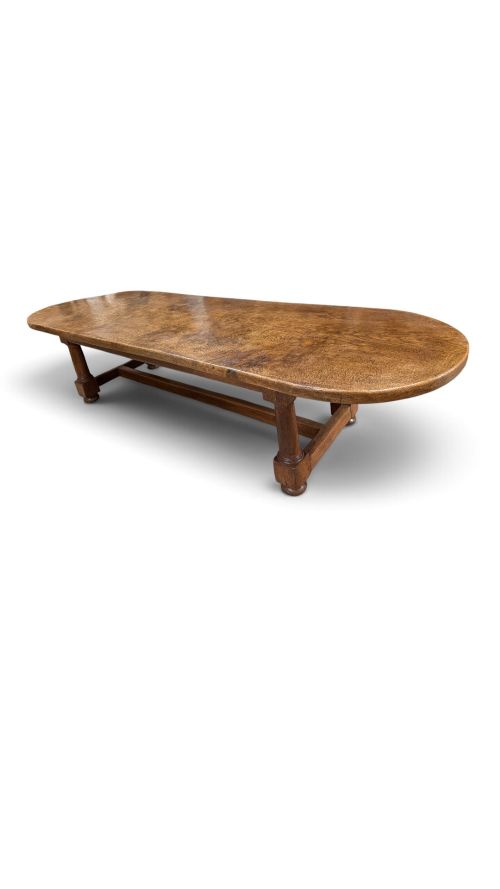
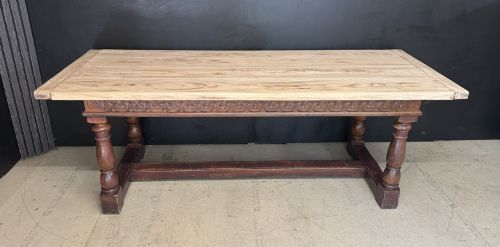
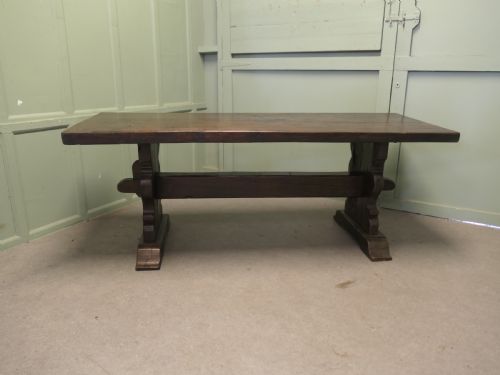
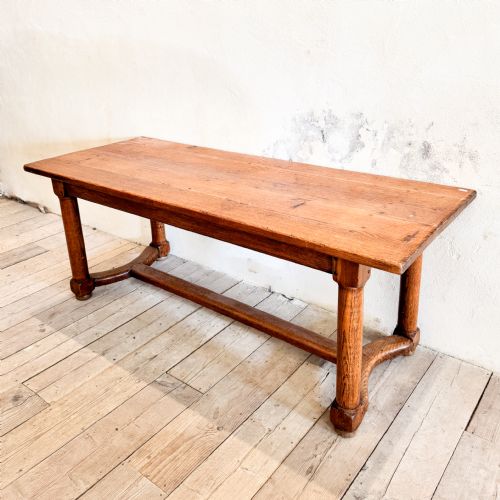
- A long, narrow dining table originally used in monastic dining halls, characterised by substantial length and structural stretchers running close to the floor. These heavy tables often feature thick oak planks and sturdy legs designed for communal gatherings.
- Draw leaf table
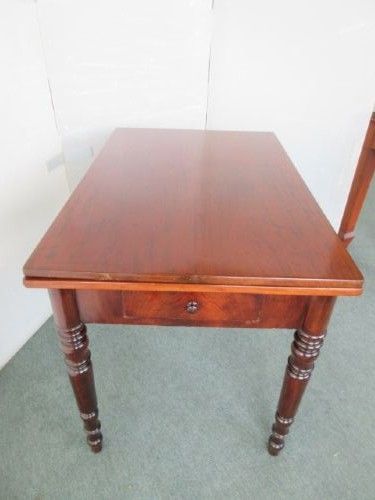
- An extending table equipped with two hidden leaves tucked beneath the main surface that pull out to lengthen the top. This clever mechanism allows the table to expand for guests without requiring separate storage for loose leaves.
- Scrub top
- A tabletop surface finished without varnish or polish, designed to be repeatedly scrubbed clean with water and sand or soap. This finish is typical of utilitarian pine tables used in nineteenth-century kitchens for food preparation.
- Dresser base
- The lower cabinet or sideboard component of a kitchen dresser, featuring cupboards and drawers beneath a flat top. These sturdy bases frequently double as functional work surfaces in traditional country kitchens.
- End stretcher
- A horizontal wooden brace connecting the legs at the shorter ends of a table to provide lateral rigidity. This traditional support prevents the legs from bowing outward under heavy downward pressure.
Traditional Wood Kitchen Table: Frequently Asked Questions
How do I clean a wooden table top?
Maintain timber surfaces by wiping them down with a damp cloth and mild soap, avoiding harsh chemical cleaners that strip natural oils. Regular application of beeswax helps nourish the wood and protects against moisture rings without creating an artificial gloss.
Allow spills to dry naturally and lift hot dishes using trivets to preserve the historical patination of the surface. Scrub-top tables tolerate more rigorous cleaning, but finished hardwood surfaces require gentle maintenance to retain their character.
Can I use an antique workbench indoors?
Antique workbenches make striking kitchen islands or side tables due to their substantial proportions and integrated vices. Their heavy timber construction and practical drawers offer excellent utility for modern culinary spaces.
Ensure the room has adequate clearance to accommodate the depth and length of these industrial forms. The inclusion of working wooden vices adds distinctive tactile interest to a working kitchen environment.
What is a refectory table?
A refectory table is a long, narrow dining table historically designed for communal meals in large halls. Their elongated proportions and sturdy stretcher bases make them ideal for modern family dining and large gatherings.
Built predominantly from heavy oak, these tables offer exceptional legroom beneath the top due to the recessed placement of the structural legs. They anchor a dining space with significant historical presence.
How do I spot an old pine table?
Examine the timber for signs of hand-planing, irregular board widths, and the use of early square-headed nails or wooden pegs. Old pine often displays a deep honey tone and varied surface indentations accumulated over generations of domestic use.
Check underneath the table for traditional joinery methods rather than modern metal brackets. The presence of historic paint remnants or unsealed scrubbed surfaces further points to genuine age.