



Traditional Wood Box
These traditional wood box pieces are robust storage forms spanning centuries, offering practical utility and genuine period character for the home.
Traditional Wood Box
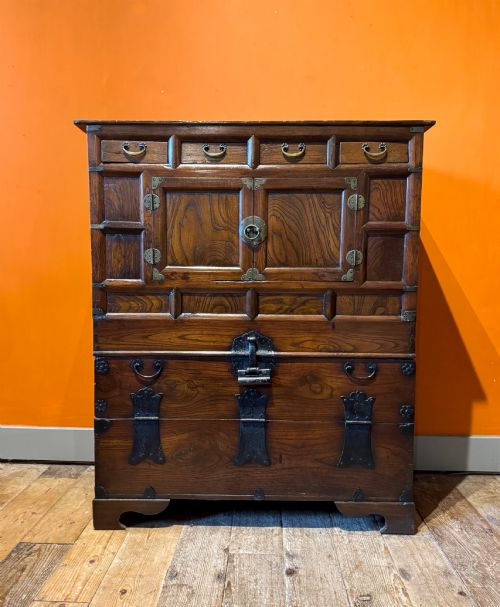
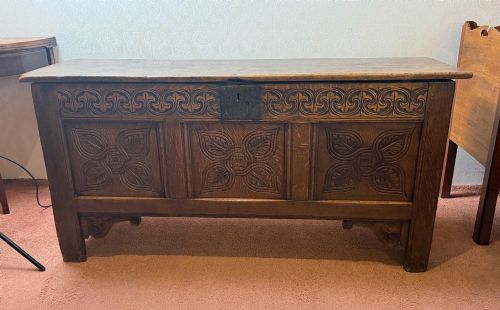
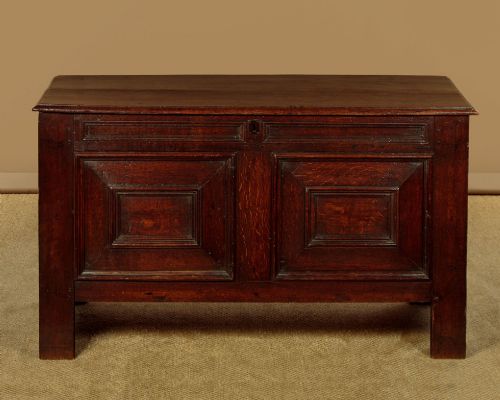
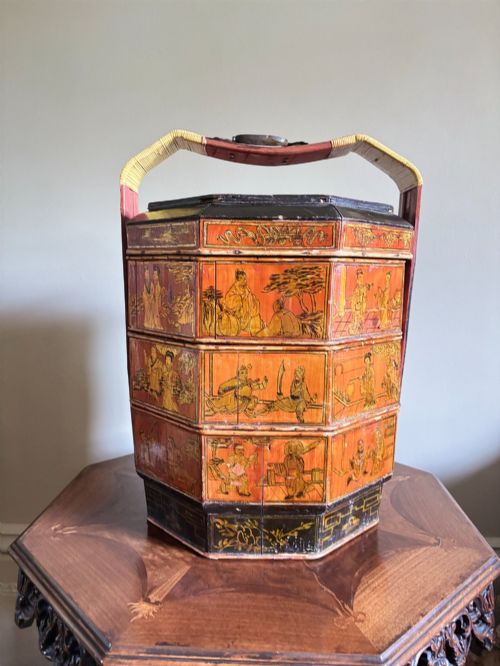
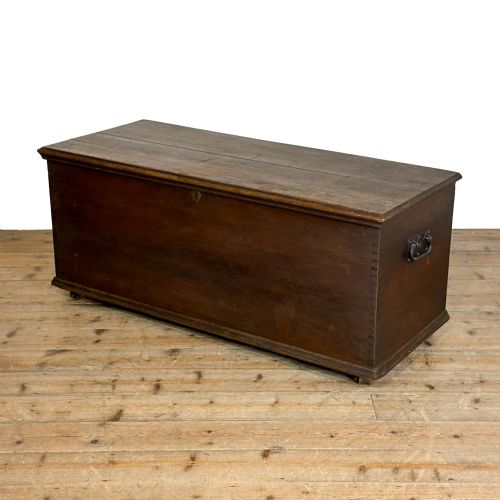
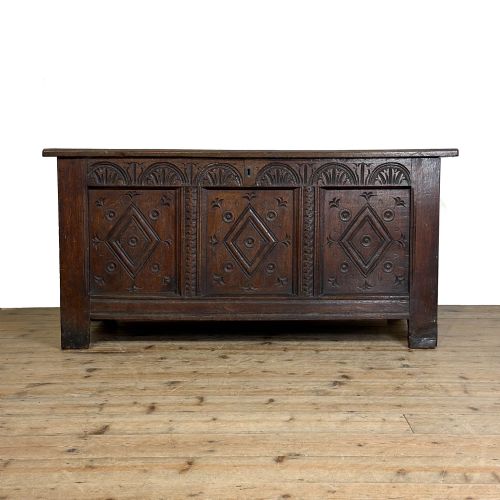
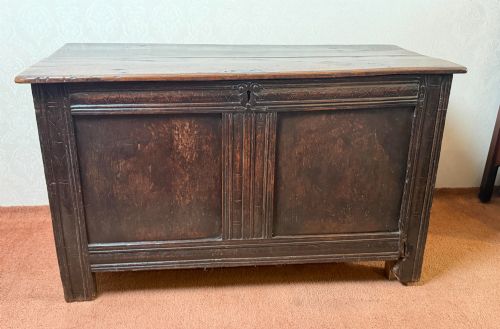
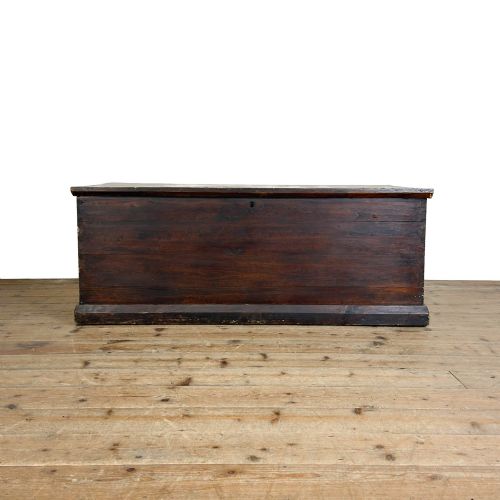
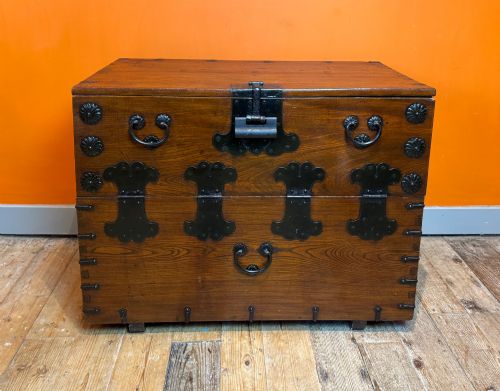
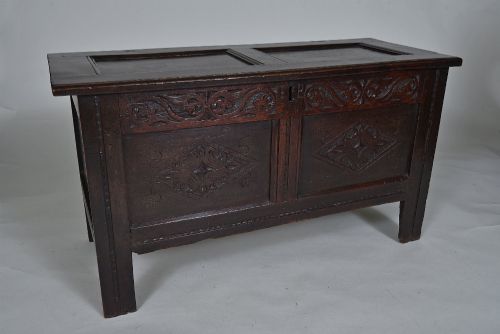
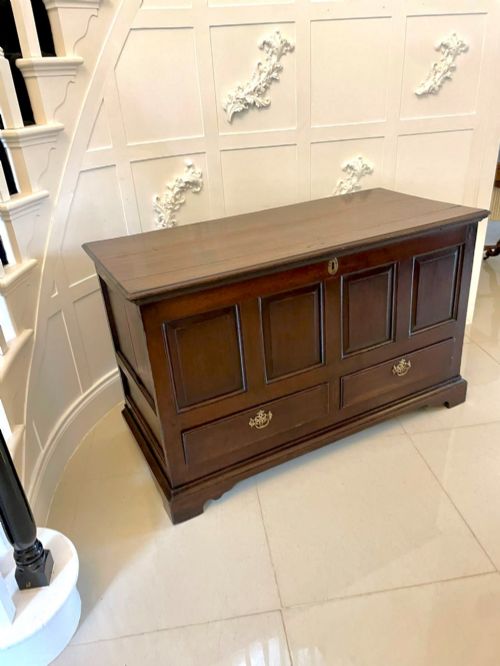
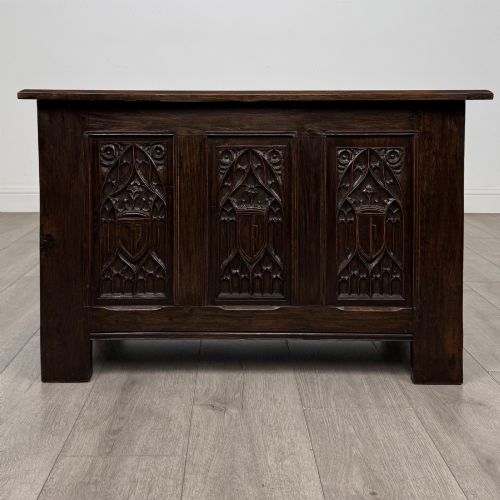
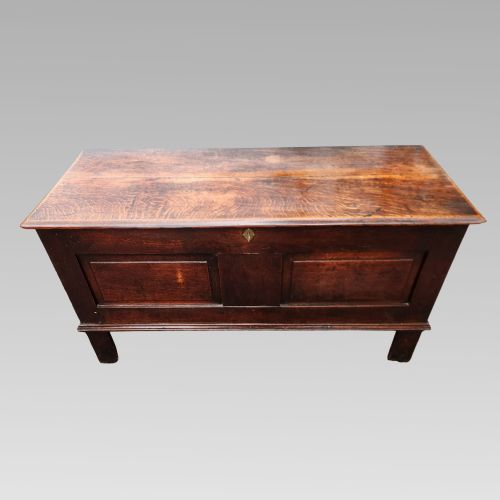
A traditional wood box encompasses a broad family of storage containers, ranging from compact salt boxes and blanket chests to large oak coffers. When searching for a traditional wood box, buyers frequently encounter heavy timber blanket chests, carved blanket boxes, and utilitarian storage trunks dating from past centuries.
The material origins and forms vary extensively across these listings, spanning domestic British oak and elm alongside camphor wood, pine, and mahogany. Coffer and trunk forms dominate the selection, built originally to secure household valuables, linens, and personal dry goods.
Origin periods stretch from the seventeenth century through to the Edwardian era and the early twentieth century. Buyers will find rustic country pieces alongside more formal Georgian and Victorian examples, all sharing a foundation in solid timber construction.
What varies in quality
Quality in these storage pieces rests upon the integrity of the timber and the depth of the natural patina accumulated over centuries. Heavy solid oak construction and crisp period carving distinguish higher tier coffers and chests from simpler utilitarian pine boxes.
The survival of original hardware, hinges, and internal compartments elevates a piece significantly. Superior examples display thoughtful proportions, balanced timber grain, and minimal later intervention to the primary structure.
Traditional Wood Box Retail Price Guide 2026
Typical asking prices for traditional wood box among the pieces listed under this phrase on Sellingantiques today, from the lower quarter to the upper quarter. They describe what is for sale here now, not the wider market.
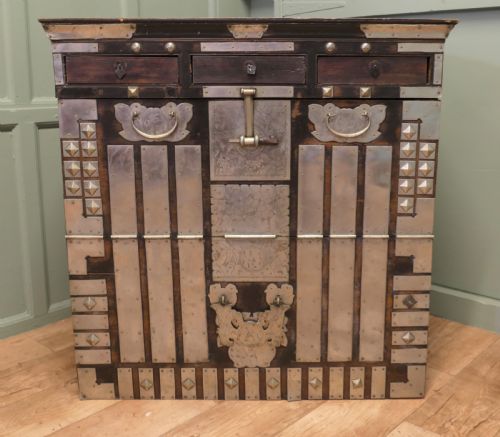
Object forms span large coffers, blanket chests, salt boxes, and specialised dowry trunks originating from British, European, and Asian workshops.
The Traditional Wood Box Glossary
- Coffer
- A heavy wooden chest traditionally used for storing valuables, linens, or documents. These storage forms often feature robust panelled construction and hinged lids.
- Blanket box
- A deep domestic chest designed specifically for holding woollen blankets and heavy textiles. They are commonly constructed from native woods like pine or oak.
- Mule chest
- A traditional storage chest featuring one or more drawers built beneath the main internal compartment. This design evolved from standard coffers to offer more accessible storage.
- Treen
- Small handmade wooden household objects created before the era of mass production. This category includes utilitarian items like mortars, pestles, and small turned boxes.
Traditional Wood Box: Frequently Asked Questions
What were traditional wood boxes used for?
These containers served as secure storage for valuable documents, family textiles, clothing, and domestic foodstuffs such as salt. Their heavy construction kept contents safe from dampness and pests in historical homes.
Over time, many adapted to general household storage or served as decorative furniture centrepieces within period interiors.
How do I date an old wooden coffer?
Dating relies on examining the timber species, joinery methods, tool marks, and hardware style. Seventeenth-century examples often display hand-split oak panels and pegged framing, while later pieces show more refined machine-sawn timber.
Secondary woods and the character of the surface wear provide further clues to whether a piece belongs to the Georgian, Victorian, or Edwardian periods.
Are these chests suitable for modern living?
Their sturdy construction and generous internal capacity make them practical for storing modern blankets, shoes, or bulky items in contemporary living spaces. They function well as coffee tables at the foot of a bed or as hallway storage.
Allowing adequate clearance from direct heat sources helps protect historical timbers from shrinking or cracking in centrally heated rooms.
What is the difference between a coffer and a trunk?
Coffers generally feature heavier framed-and-panelled timber construction designed for domestic security and long-term storage in larger homes. Trunks often utilise lighter planking or exotic woods like camphor, built frequently for travel or specialised storage.
Both fall under the wider umbrella of traditional storage boxes but reflect different domestic requirements and workshop traditions.