

Traditional Wingback
A traditional wingback brings high-sided comfort and timeless fireside proportion to a room, offering draught-proof seating rooted in centuries of craftsmanship.
Traditional Wingback
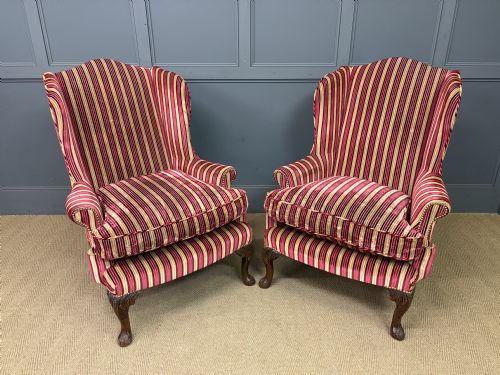
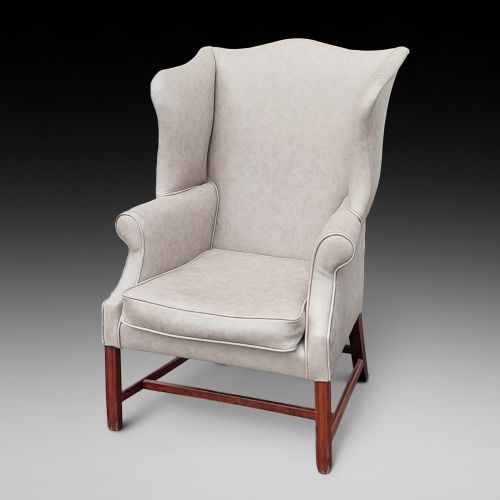
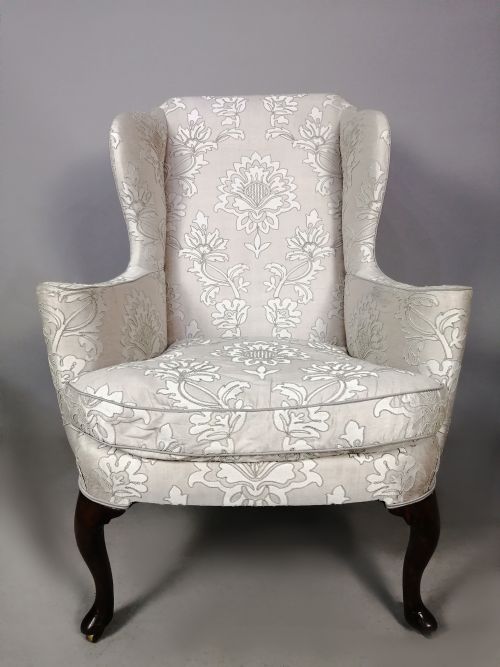
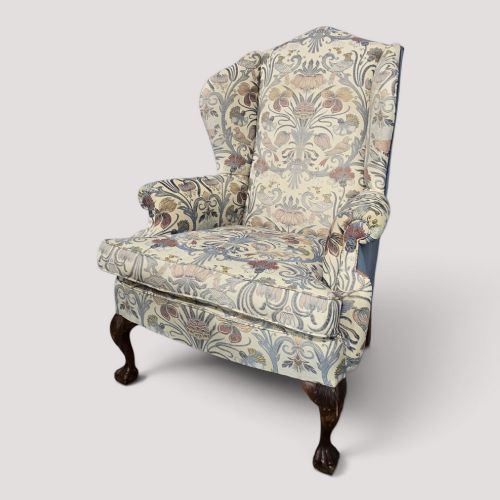
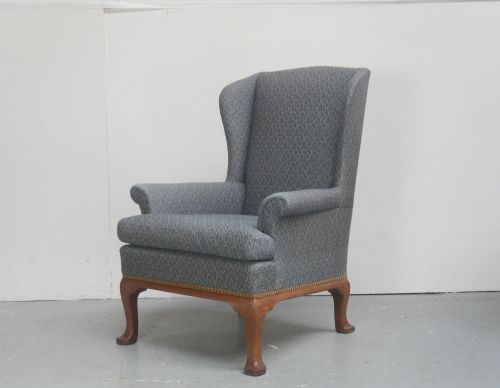
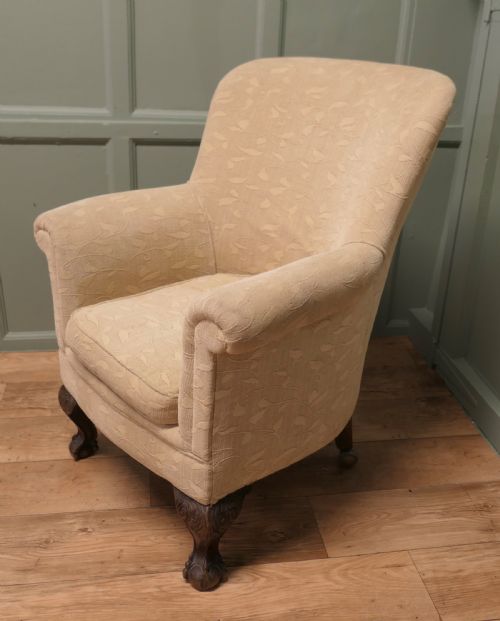
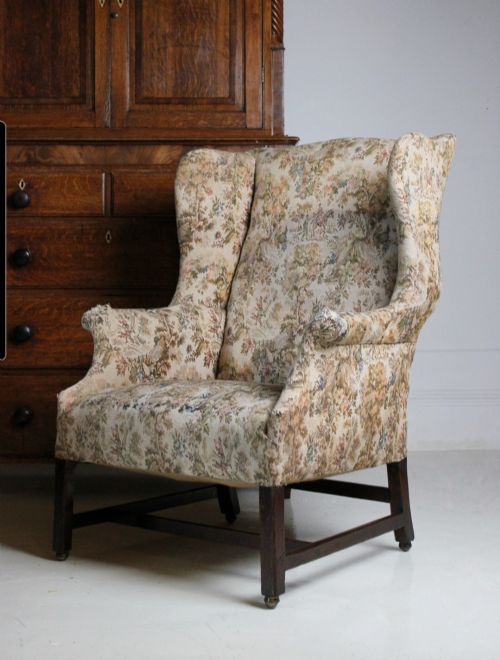
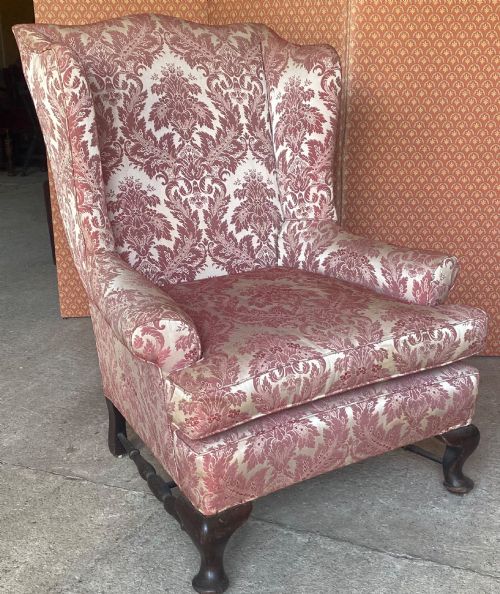
A traditional wingback is a deeply comfortable fireside armchair designed with protective side panels, or wings, intended to deflect draughts and trap heat from an open hearth. When searching for a traditional wingback, buyers encounter forms spanning the eighteenth century through to the 1930s, including revival pieces created in the Georgian and Queen Anne styles.
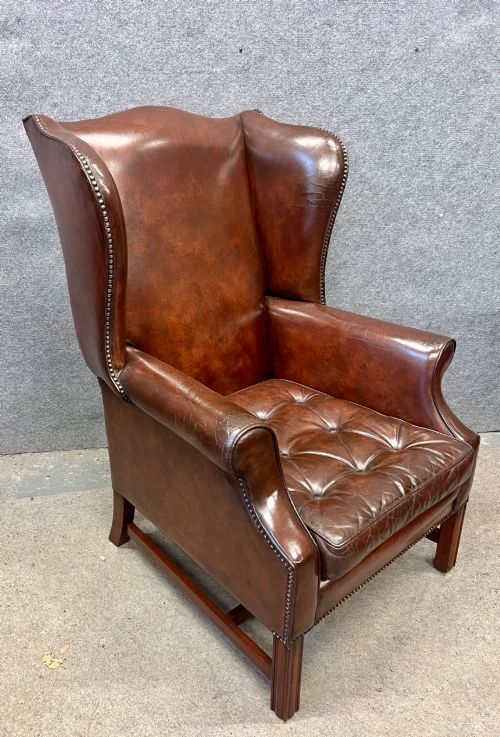
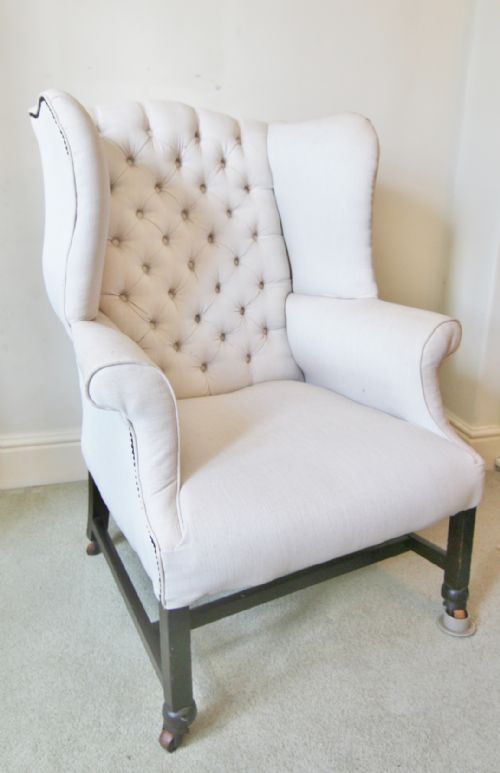
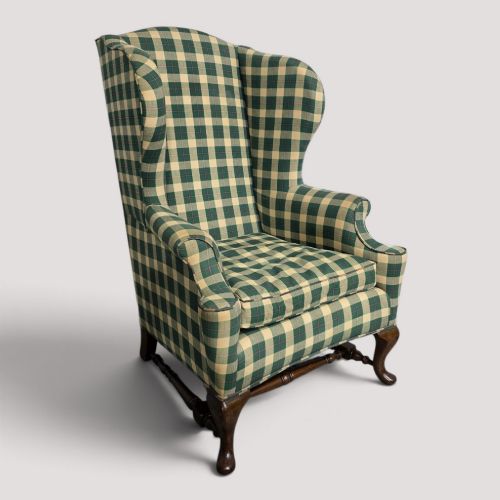
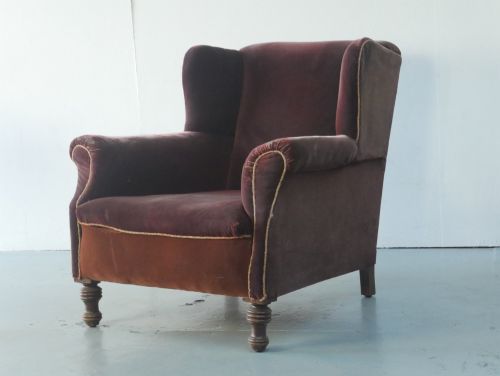
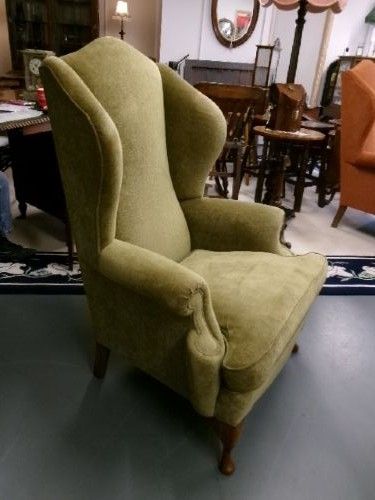
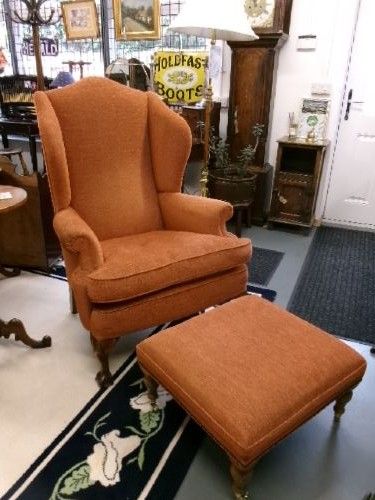
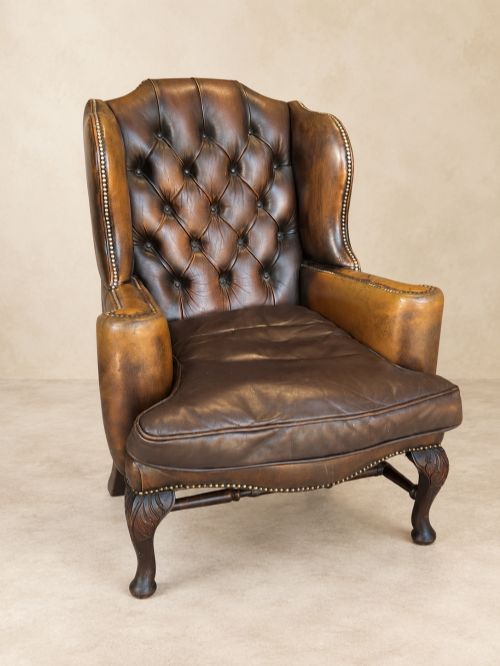
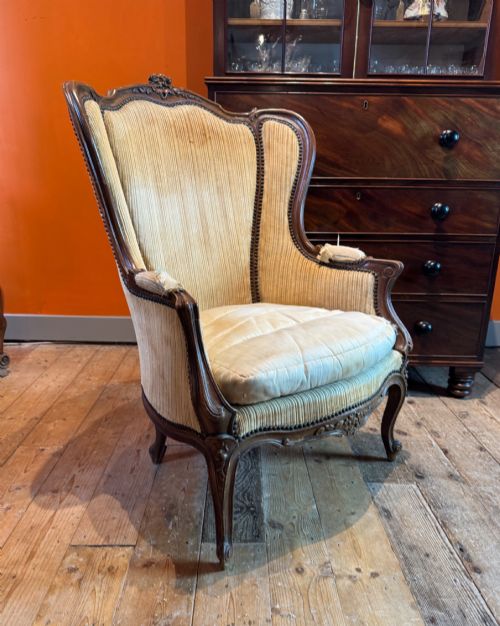
The selection ranges from grand George III examples and nineteenth-century library chairs to smaller Edwardian and 1930s armchairs upholstered in leather, velvet, chenille, or plaid fabric. Wooden frames utilise mahogany, walnut, oak, and hardwood, frequently supported by exposed timber legs or brass details.
Armchairs dominate the available selection, alongside occasional settees, sofas, and footstools. Pieces originate from English, Scottish, and French traditions, encompassing country house vernacular items such as lambing chairs alongside formal parlour seating.
How they were made
Traditional wingbacks rely on sturdy internal timber frames constructed from hardwoods such as mahogany, oak, and walnut, providing a rigid skeleton for the upholstered body. Joinery methods varied by period, ensuring structural endurance beneath layers of padding and heavy textile or leather coverings.
Upholstery techniques combined durable internal stuffing with exterior surfaces finished in leather, velvet, cotton calico, or patterned wool fabrics. Brass tacks frequently secure the edges of leather hides, while exposed wooden legs display carved details or inlaid decoration.
Traditional Wingback Retail Price Guide 2026
Typical asking prices for traditional wingback among the pieces listed under this phrase on Sellingantiques today, from the lower quarter to the upper quarter. They describe what is for sale here now, not the wider market.
Listings feature frames constructed from mahogany, walnut, oak, and hardwood, upholstered in leather, velvet, chenille, and plaid fabric.
What varies in quality
Quality in a traditional wingback is defined by the integrity of the timber frame and the authenticity of its proportions. Early eighteenth-century and Georgian pieces display precise joinery and balanced wing geometry, whereas later revivals interpret these historic lines with varying degrees of sculptural authority.
The character of the materials - ranging from thick patinated leather to dense woven wool and heavy hardwood frames - determines the substantial feel of the piece. Superior examples maintain their original structural stance and harmonious scale without clumsy alterations to the silhouette.
Howard And Sons
The Traditional Wingback Glossary
- Wingback
- An armchair featuring projecting side panels attached to the arms to shield the sitter from draughts. This characteristic silhouette defines the entire category.
- Bergere
- An enclosed upholstered armchair with wooden framing visible around the sides and back. Originating in France, these seats offer a lighter alternative to solid upholstered wing chairs.
- Lambing chair
- A vernacular seating form featuring a high solid wooden or upholstered back and enclosed sides, historically used by shepherds and farmers. These vernacular pieces showcase regional British woodworking traditions.
- Chesterfield
- A large upholstered sofa or chair traditionally characterised by deep button tufting and rolled arms of equal height to the back. Examples in this style often incorporate wingback profiles.
- Patina
- The surface sheen and mellowing developed by wood and leather through age and handling. This visual depth indicates genuine historical use rather than artificial distressing.
Traditional Wingback: Frequently Asked Questions
How were wingback chairs used?
Wingbacks were originally placed close to open fireplaces where the side wings trapped heat and deflected cold air currents away from the head and neck. They served as comfortable seats for reading, resting, and conversing in draughty historic homes.
Over time, they transitioned from utilitarian hearth seating into formal parlour and library chairs. Today, they continue to function as reading chairs or statement fireside seating.
How do I date a wingback chair?
Dating a wingback relies on examining the timber frame, leg style, and upholstery construction methods. Georgian and eighteenth-century examples display distinct proportions and joinery techniques compared to nineteenth-century Victorian or Edwardian revivals.
Materials also offer clues, as early pieces utilise solid hardwoods and traditional stuffing, while later twentieth-century examples incorporate updated fabrics like plaid wool and varied internal fillings.
Are all wingback chairs antique?
Not all wingbacks are antique, as the style has been continuously reproduced since the Georgian era through the Edwardian period and into the 1930s. Revival pieces from the nineteenth and early twentieth centuries emulate earlier eighteenth-century designs.
These later revival and twentieth-century interpretations carry their own period charm and craftsmanship while referencing classical furniture styles.