

Traditional Windsor Seat
A traditional windsor seat brings substantial country character and sturdy construction into daily domestic life.
Traditional Windsor Seat
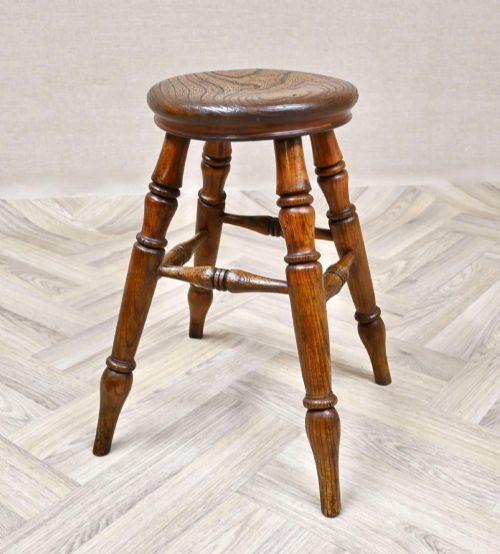
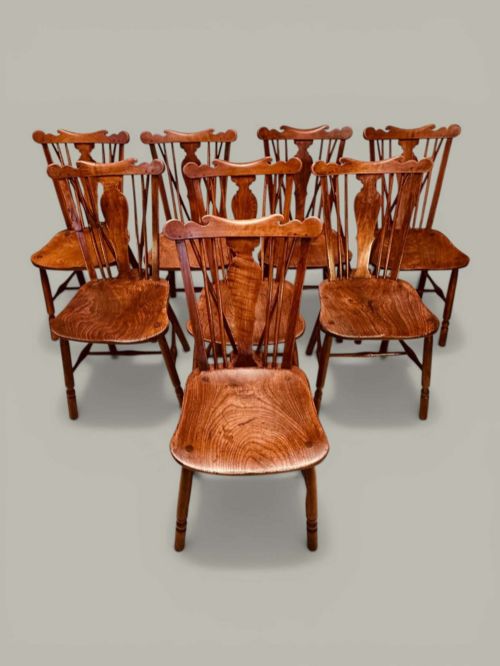
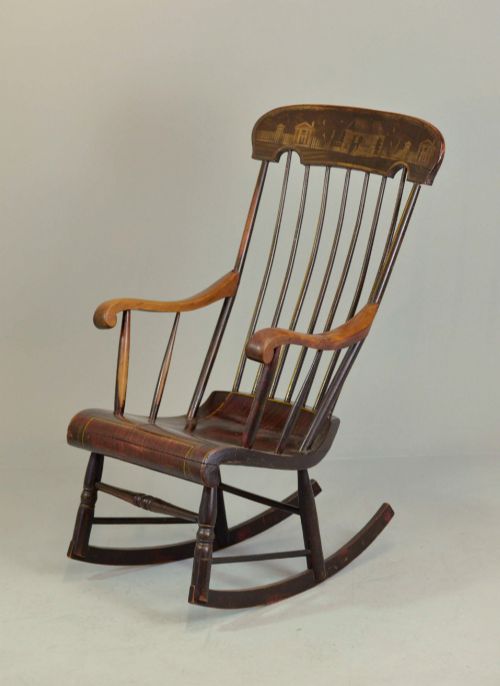
When you search for a traditional windsor seat, you enter a diverse field of sturdy wooden seating shaped by centuries of regional English rural practice. The pieces listed range from individual armchairs and carvers to sets of kitchen chairs, low backs, high backs, and benches.
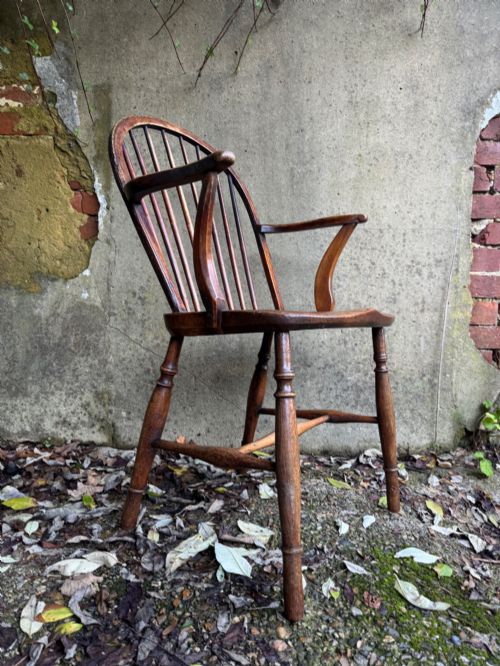
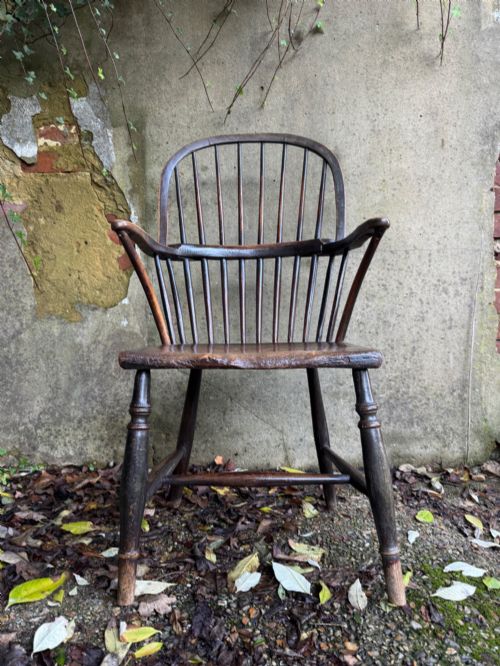
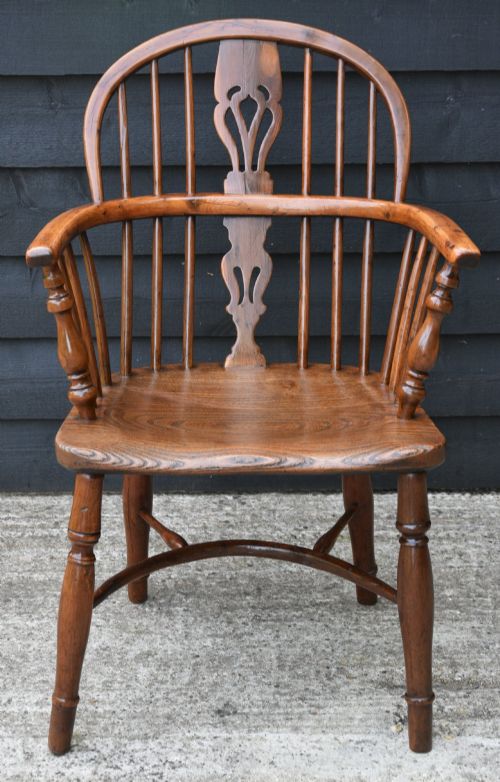
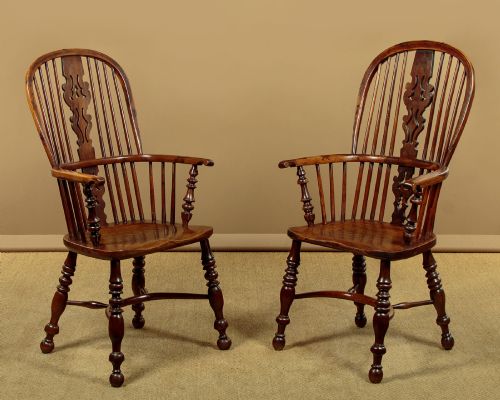
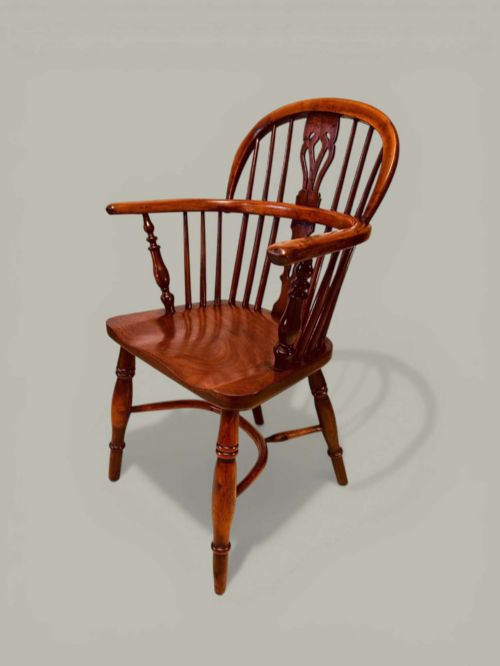
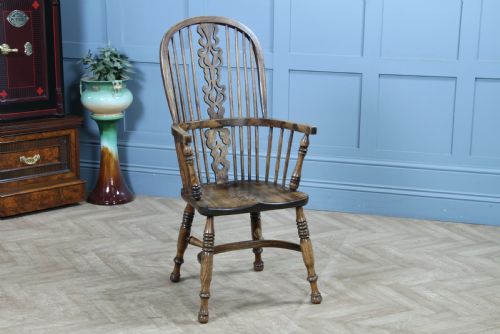
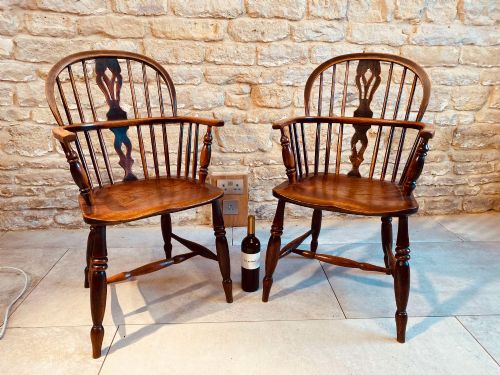
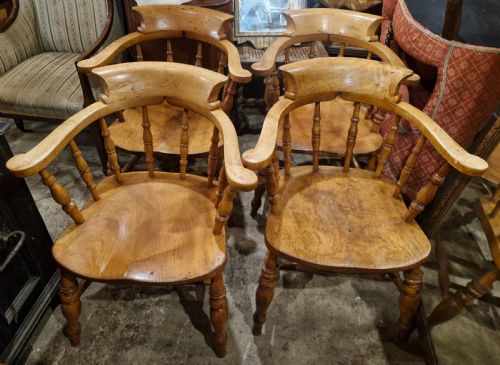
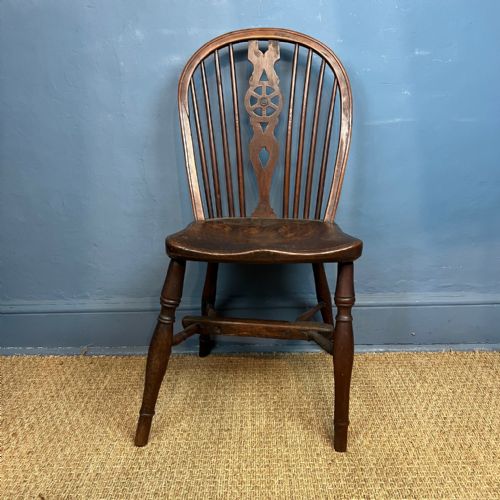
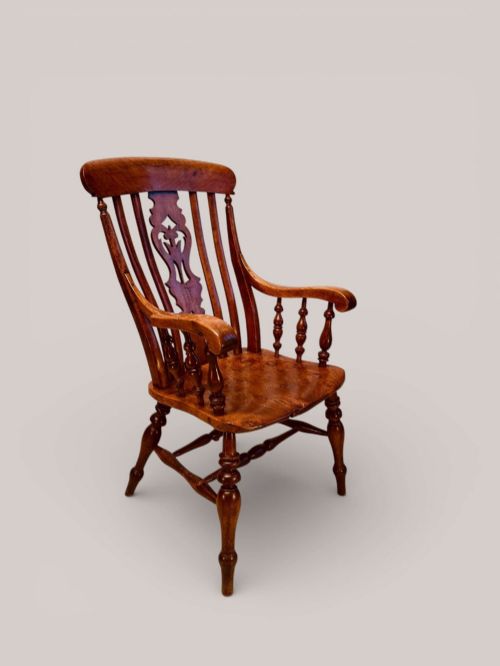
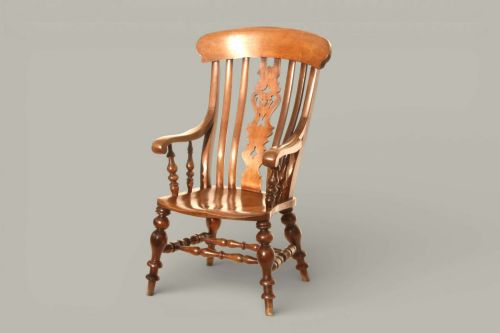
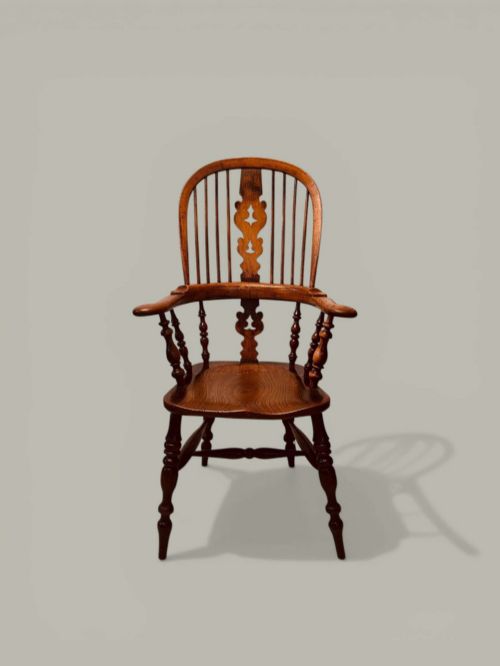
You are most likely to meet nineteenth-century examples originating from domestic farmhouse and kitchen settings. These pieces carry regional vernacular styles such as stickback, barback, hoop back, lathback, and wheelback designs.
Makers produced these chairs across various districts, including the Thames Valley and West Country, creating practical seating for everyday use. Variants extend from standard armchairs to specialised children's chairs and broad arm models.
Materials and Construction
Craftsmen built these seats by combining contrasting native timbers to utilise the specific mechanical properties of each wood. Elm provided a tough, resilient surface for shaped solid timber seats.
Turned beech, ash, and fruitwood formed the spindled backs and underframes, while yew appeared in select regional examples. Components joined through traditional socket and wedge methods to ensure structural integrity.
Traditional Windsor Seat Retail Price Guide 2026
Typical asking prices for traditional windsor seat among the pieces listed under this phrase on Sellingantiques today, from the lower quarter to the upper quarter. They describe what is for sale here now, not the wider market.
A tiny child's chair sits among the full-sized armchairs, ready for the smallest member of a nineteenth-century farmhouse.
Judging the Work
The standard of a traditional windsor seat rests on the balance of its proportions and the integrity of its timber combinations. Superior examples display carefully sculpted saddle seats and finely turned spindles that retain their original physical relationship.
Wear and replacement parts separate standard utilitarian survivors from exceptional specimens. The depth of the wood's grain and the harmony of the aged surface dictate the visual distinction of the piece.
Rockley maker
The Traditional Windsor Seat Glossary
- Hoop back
- A continuous curved wooden bow forming the upper back and arm supports of an armchair. This resilient shape distributes weight effectively across the frame.
- Stickback
- A chair back constructed from multiple vertical plain spindles inserted directly into the seat. It represents a straightforward regional method of Windsor construction.
- Penny seat
- A wooden seat base featuring a circular depression carved into the centre. This shaping provides ergonomic comfort for the sitter.
- Broad arm
- An armchair featuring an enlarged, paddle-like wooden armrest designed for writing or resting. It appears frequently on nineteenth-century vernacular seating.
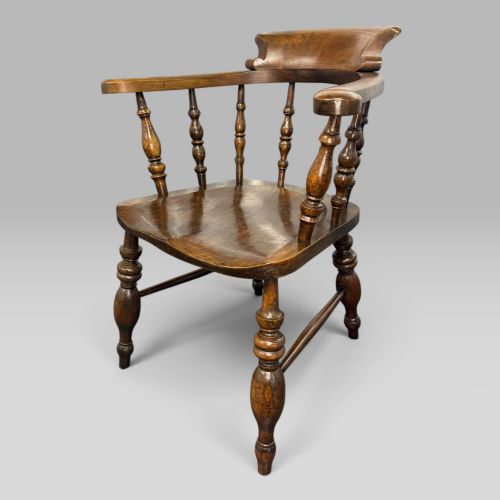
- Smoker's bow
- A low-backed Windsor armchair with a continuous rounded top rail supported by short spindles. It served as a common seating form in rural homes and inns.
Traditional Windsor Seat: Frequently Asked Questions
What is a traditional windsor seat?
A traditional windsor seat is a form of wooden chair where the legs and back spindles are fitted directly into a solid carved seat base rather than a separate frame.
These pieces developed through English country vernacular traditions, utilising native timbers to create durable seating for kitchens, farmhouses, and cottages.
How do I date a windsor chair?
Dating relies on observing construction methods, tool marks, timber choice, and the evolution of back styles from low hoops to high Victorian backs.
Nineteenth-century examples often display machine-turned components alongside hand-shaped seats, whereas earlier pieces show more evidence of entirely hand-carved joinery.
Were these seats used for dining?
Yes, many sets of Windsor chairs were made specifically for kitchen and dining tables in rural households.
Sturdy construction allowed them to withstand heavy daily use, and matching sets of four, six, or eight remain functional for dining today.
Why are different woods mixed together?
Country makers combined multiple tree species to optimize the physical strengths of each material within different parts of the chair.
Elm resisted splitting under the sitter's weight, while ash and beech offered flexible strength for steam-bent backs and slender turned legs.