


Traditional Wheelback Chair
A traditional wheelback chair brings robust country comfort to any room, combining solid timber seats with distinctive spindle backs.
Traditional Wheelback Chair
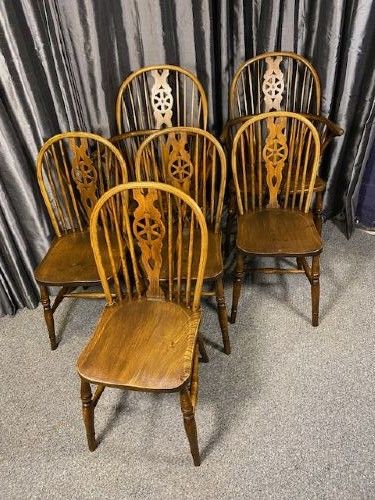
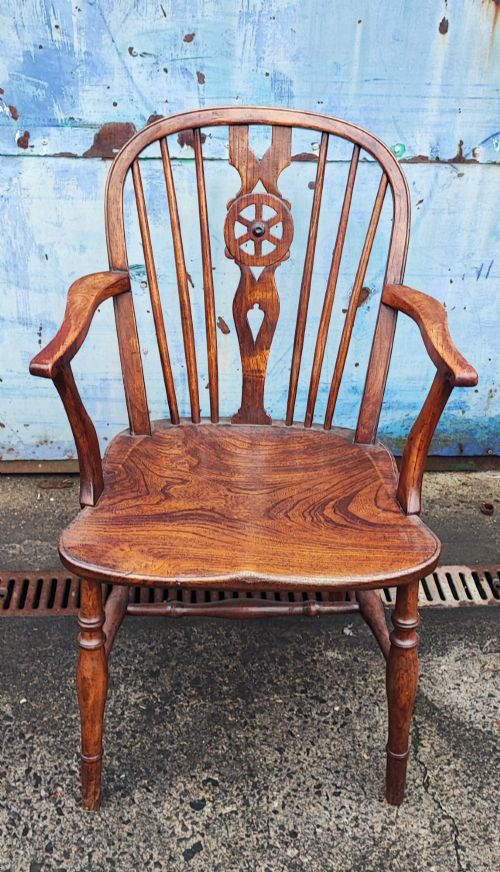
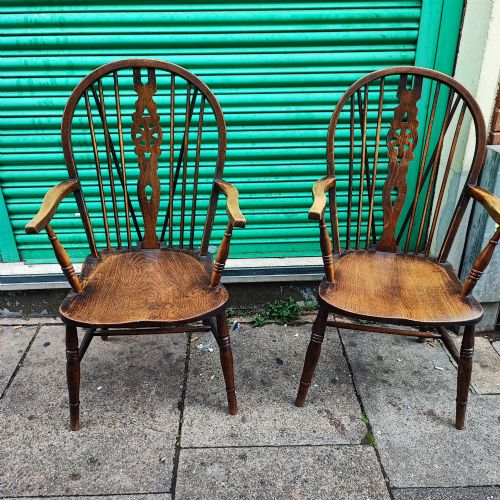
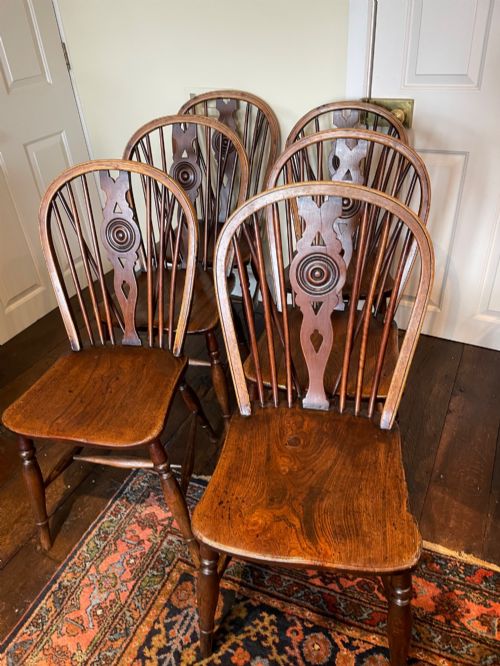
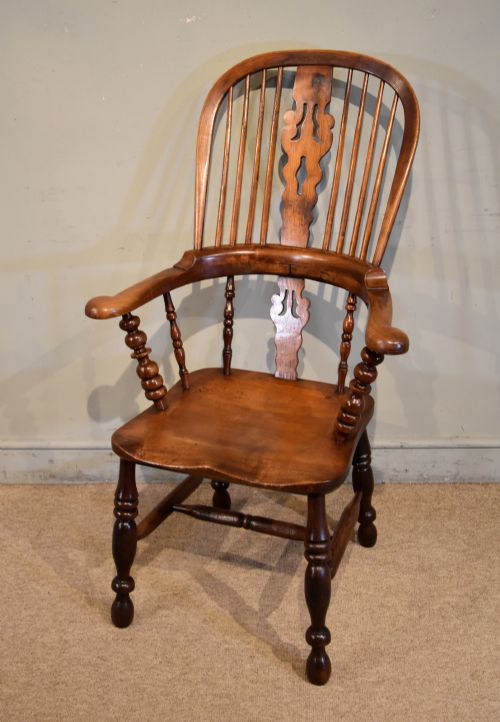
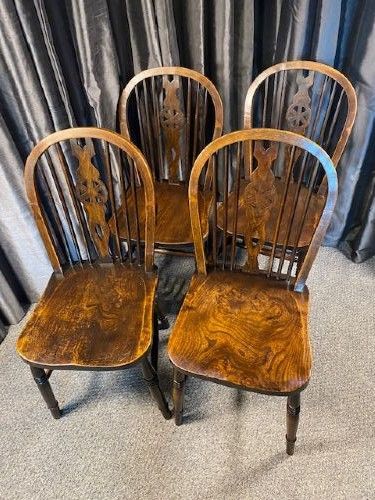
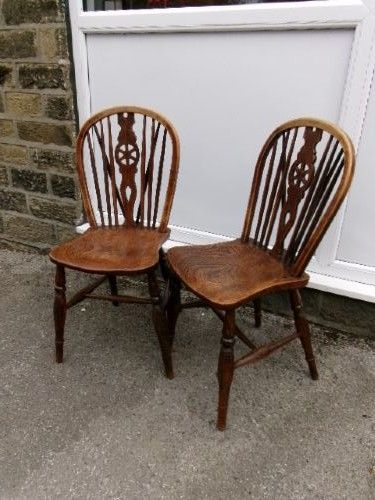
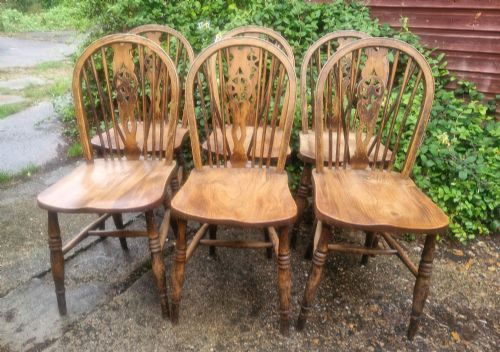
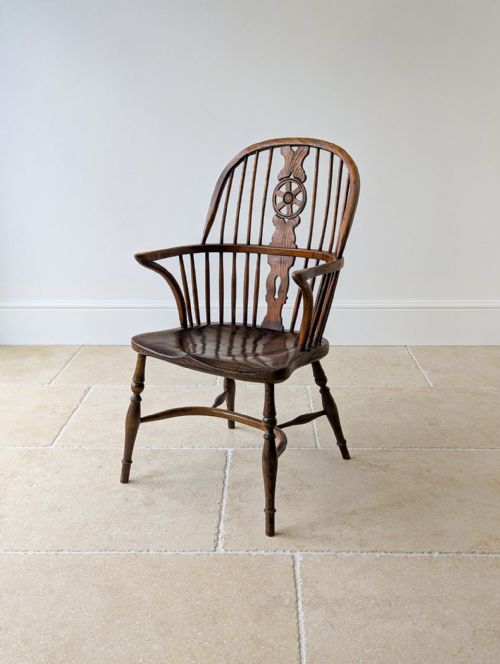
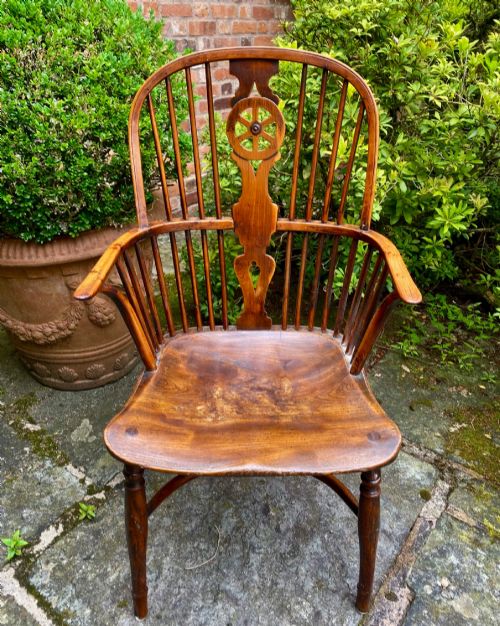
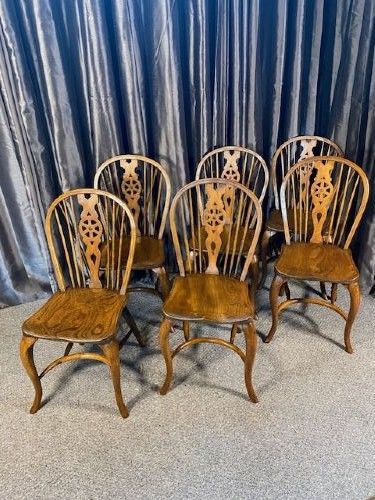
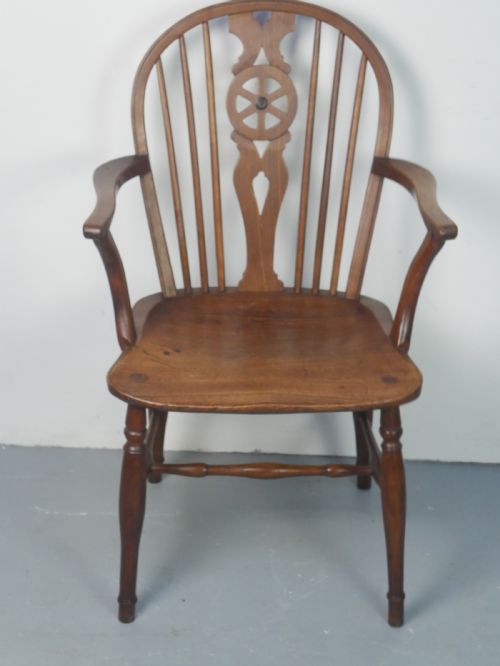
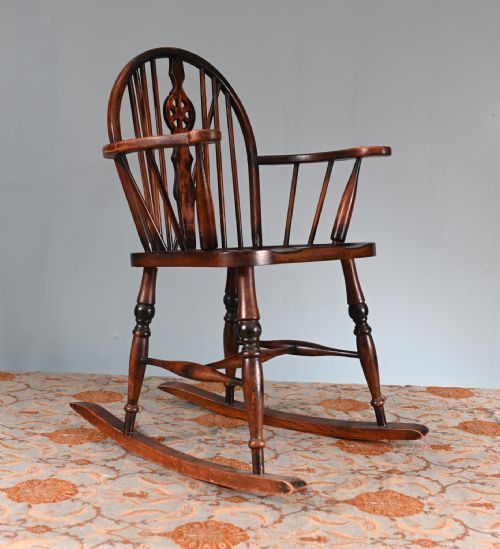
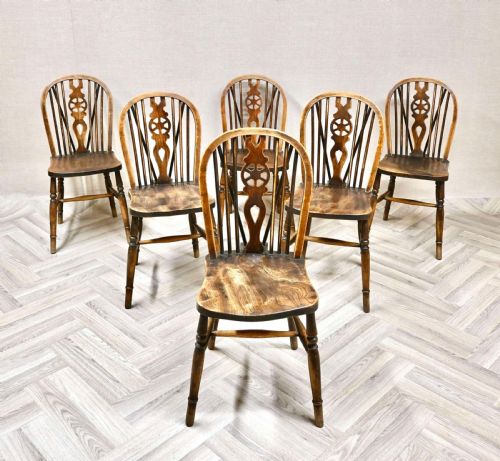
A traditional wheelback chair is a sturdy form of Windsor seating designed for practical use in kitchens, dining rooms and country houses. When searching for a traditional wheelback chair, buyers encounter single armchairs, rocking chairs, and matched or harlequin sets intended for dining tables.
The pieces on this page span several periods, from George III and Regency eras through Victorian times and into the early twentieth century. Most examples found here belong to the nineteenth century and reflect English country vernacular traditions.
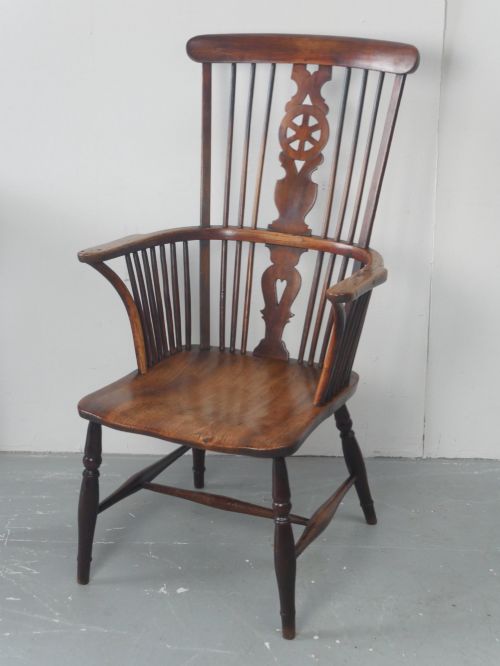
Makers shaped these items as open armchairs, carvers, and high-backed grandfather chairs alongside standard dining seats. Elm seats paired with ash, beech or fruitwood frames form the most frequent configuration in these listings.
Materials and construction
Cabinet makers utilised a combination of native timbers to build these seats, selecting durable woods suited to specific components. Elm provided a strong, heavily grained solid slab for the sculpted seat bottom, resisting splitting under daily use.
Ash and beech formed the turned spindles, legs and bow backs, offering flexibility and tensile strength where needed. Selected pieces incorporated yew wood or fruitwood for richer colour and finer grain patterns across the arms and crest rails.
Construction relied on traditional joinery where turned legs and back spindles slotted directly into bored holes within the thick wooden seat. Steam bending shaped the continuous or bow back rails to create the distinctive arched support characteristic of the form.
Traditional Wheelback Chair Retail Price Guide 2026
Typical asking prices for traditional wheelback chair among the pieces listed under this phrase on Sellingantiques today, from the lower quarter to the upper quarter. They describe what is for sale here now, not the wider market.
Many a nineteenth-century kitchen chair bears the faint indentations of past sitters who spent decades leaning back against the wooden spindles.
Evaluating quality and character
Quality in these seats rests upon the depth of the sculpted elm seat and the visual crispness of the turned components. Superior examples display balanced proportions, deep saddle seats, and well-defined wheel splats set centrally within the back frame.
The choice of secondary timbers also marks the grade of a piece, with figured yew wood or rich fruitwood commanding particular attention above standard beech and ash. Maker stamps or regional origins, such as Thames Valley work, elevate the standing of a chair.
The integrity of the structural joints and the preservation of original surface patination distinguish finer items from heavily restored or replaced examples. A coherent set maintaining matching timber tones across multiple chairs represents a higher tier of craftsmanship.
Fred Walker
The Traditional Wheelback Chair Glossary
- Wheelback
- A style of Windsor chair featuring an ornamental pierced splat shaped like a carriage wheel in the centre of the backrest. This decorative motif became popular during the nineteenth century.
- Windsor chair
- A wooden chair built with a thick solid saddle seat into which the legs and back spindles are directly dowelled. The design originated in English rural areas.
- Carver
- An armchair designed to match a set of smaller dining chairs, traditionally placed at the head of a table. These often feature sweeping armrests supported by turned spindles.
- Harlequin set
- A collection of dining chairs that share similar styles, materials or periods but were not originally manufactured as a single batch. Such sets offer a collected country house aesthetic.
- Saddle seat
- A wooden chair seat sculpted with hollowed depressions to provide ergonomic comfort for the sitter. Elm was frequently utilised for this component due to its interlocking grain.
Traditional Wheelback Chair: Frequently Asked Questions
How do I date a wheelback chair?
Dating relies on observing timber choices, turning styles, and construction wear evident across the frame. Earlier examples from the Georgian period often display finer turning and distinct regional characteristics.
Victorian and later nineteenth-century pieces tend to feature heavier proportions and broader elm seats. Maker stamps, where present, offer definitive production dates.
Are these chairs comfortable for dining?
These seats are designed for upright posture and daily use around a kitchen or dining table. The sculpted wooden seat bottoms provide ergonomic contouring without requiring upholstered cushions.
Armchair versions offer additional support with integrated armrests, while standard dining chairs fit neatly beneath table edges.
What woods were used to make them?
Elm served as the primary material for the solid carved seats due to its resistance to splitting under pressure. Ash and beech provided robust timbers for the legs, spindles, and bow backs.
Finer versions incorporated decorative yew wood or fruitwood, adding warmth and varied grain patterns to the upper back rails.
What is a Thames Valley wheelback?
Thames Valley pieces represent a distinct regional school of Windsor chair making renowned for exceptional joinery and timber selection. These items frequently utilise rich yew wood and exhibit refined proportions.
Master craftsmen in this region produced some of the most sought-after examples of the form.