



Traditional Welsh Furniture
Traditional welsh furniture brings solid regional character into a room, offering centuries of utilitarian design made for country life.
Traditional Welsh Furniture
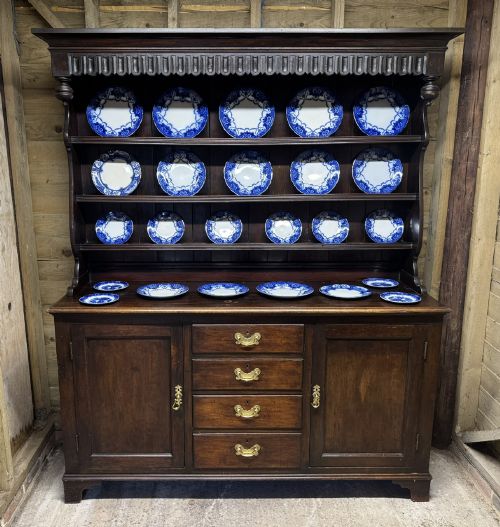
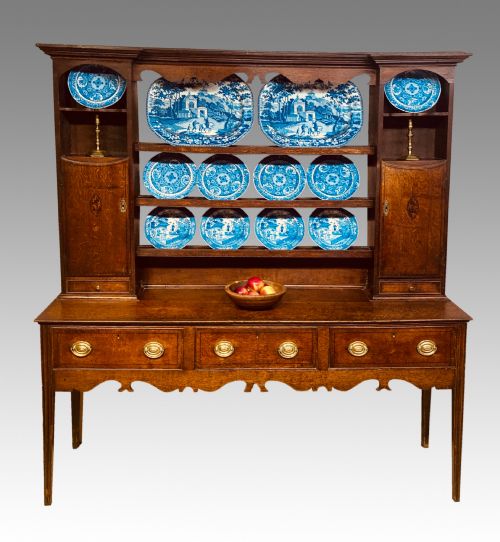
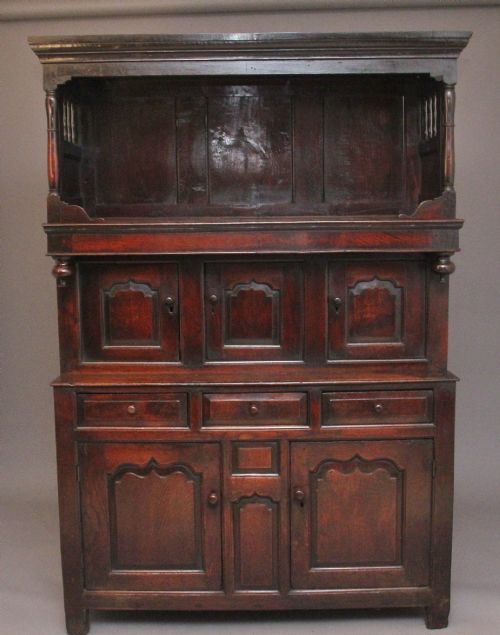
Traditional welsh furniture encompasses heavy storage pieces, kitchen furniture, and seating built across the eighteenth and nineteenth centuries. Buyers searching for traditional welsh furniture will most frequently encounter oak dressers, settle benches, and cupboards originating from rural workshops.
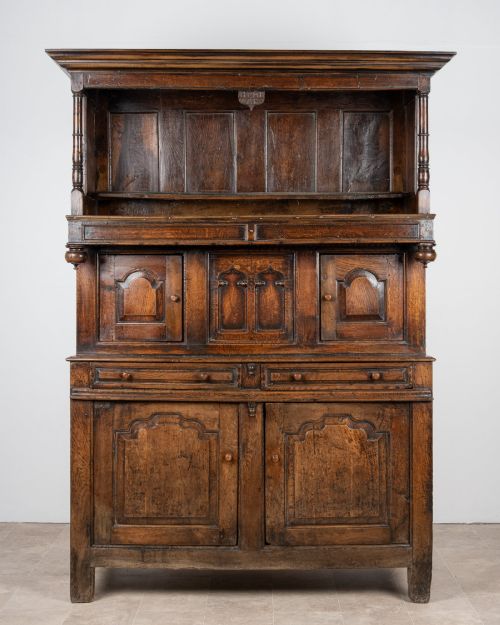
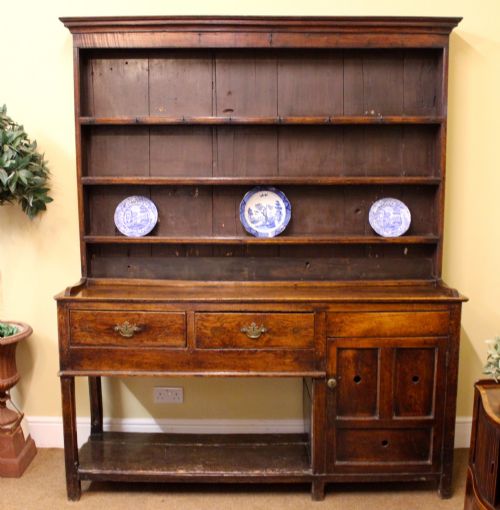
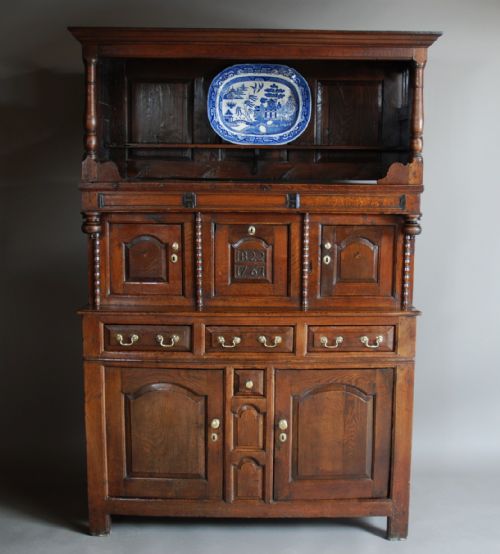
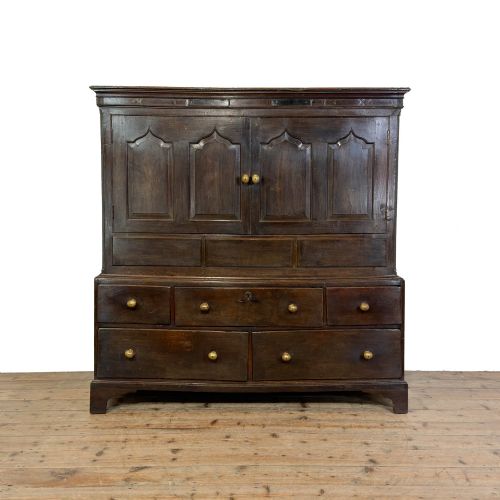
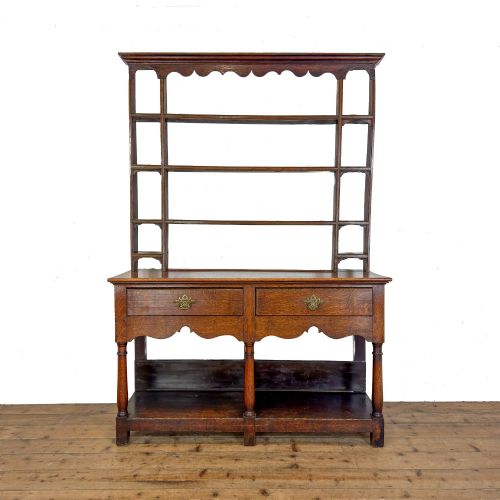
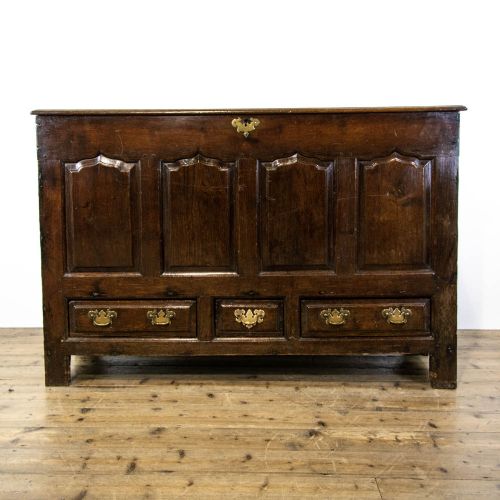
The selection ranges from large cwpwrdd tridarn cupboards and potboard dressers down to smaller coffer bach chests and spinning chairs. Many pieces reflect specific regional origins such as Snowdonia or Carmarthenshire, showing distinct local building traditions.
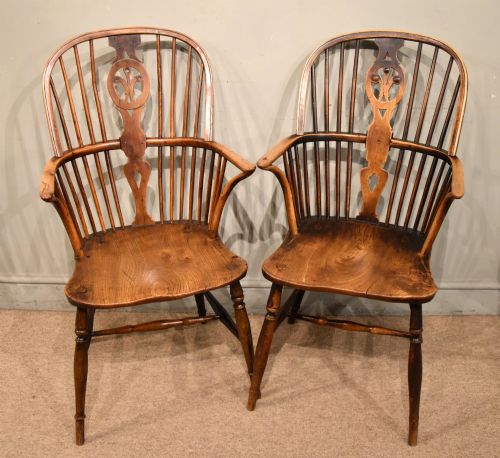
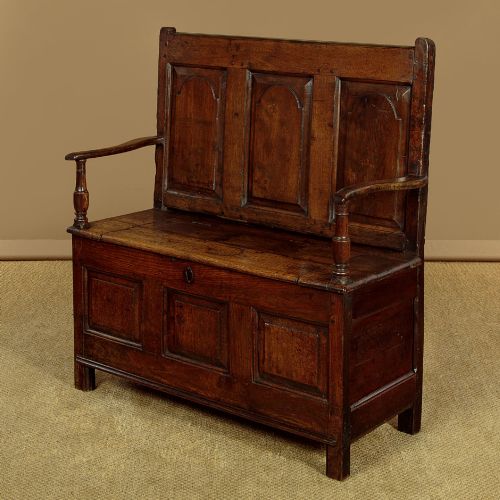
Seating forms include high back Windsor armchairs, comb back stick chairs, and enclosed box settles designed to block drafts in farmhouse kitchens. These utilitarian items were built to serve daily domestic life rather than for formal display.
Materials and construction methods
Makers relied heavily on native timber, selecting solid oak as the primary structural material alongside pine, elm, ash, and yew for specific components. Secondary woods and occasional paint finishes appear on vernacular items.
Joinery techniques prioritize durability, utilising pegged joints, solid panels, and turned spindles without modern adhesives. Secondary metals such as brass and iron provide essential hinges, pulls, and structural fastenings.
Traditional Welsh Furniture Retail Price Guide 2026
Typical asking prices for traditional welsh furniture among the pieces listed under this phrase on Sellingantiques today, from the lower quarter to the upper quarter. They describe what is for sale here now, not the wider market.
Certain spinning chairs feature carved hearts tucked into the backrests, made for fireside handcrafting.
Factors influencing quality
Quality rests on the integrity of the timber and the depth of the natural patina accumulated over centuries of use. Untouched surface finishes and original hardware separate superior examples from heavily altered pieces.
Structural proportions and regional distinctiveness dictate the standing of a piece within the field. Items retaining their original configuration, such as upper plate racks paired with dresser bases, hold greater significance.
The Traditional Welsh Furniture Glossary
- Cwpwrdd tridarn
- A traditional three piece Welsh cupboard featuring an enclosed upper section, an open middle stage, and cupboards below. This monumental form dates primarily to the eighteenth century.
- Coffer bach
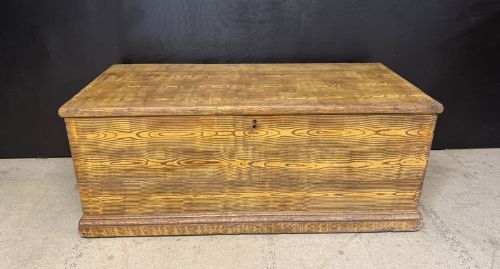
- A small oak chest or box, often fitted with a drawer underneath, traditionally given as a wedding gift in Wales.
- Box settle
- A high backed wooden bench with a closed lower storage compartment forming the seat base. It provided shelter from cold drafts in farmhouse kitchens.
- Potboard
- The lower open shelf on a dresser base used originally for storing heavy pots and pans. It defines a specific subcategory of regional dressers.
- Comb back Windsor
- A vernacular wooden armchair where the vertical spindles of the back extend upward through a top rail to form a comb shape.
Traditional Welsh Furniture: Frequently Asked Questions
What is a cwpwrdd deuddarn?
A cwpwrdd deuddarn is a traditional two tier Welsh cupboard featuring enclosed upper and lower storage compartments. These substantial oak pieces date mainly from the eighteenth century.
They served as primary storage furniture in country homes, housing linens and provisions. Their proportions make them central statement pieces in modern interiors.
How do I date an oak dresser?
Dating relies on construction methods, timber characteristics, and stylistic evolution across the eighteenth and nineteenth centuries. Early examples display hand-split boards and pegged joinery without modern fasteners.
Changes in hardware, moulding profiles, and regional vernacular details help narrow down the period of manufacture. Patina and wear patterns further confirm age.
Where were Windsor chairs made?
Windsor chairs were produced across various rural regions, with notable examples originating from Welsh workshops utilising local elm, ash, and yew. Makers employed stick back and comb back designs tailored for country use.
These chairs combine turned legs with steam-bent wooden components for flexible strength. They function well as desk chairs or occasional seating today.