



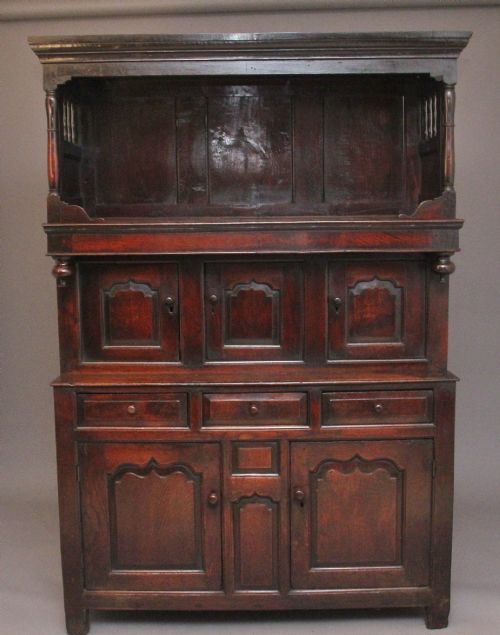


Traditional Welsh Base
These traditional welsh base pieces are robust country furniture crafted for storage and display, offering a practical anchor for a rustic interior.
Traditional Welsh Base
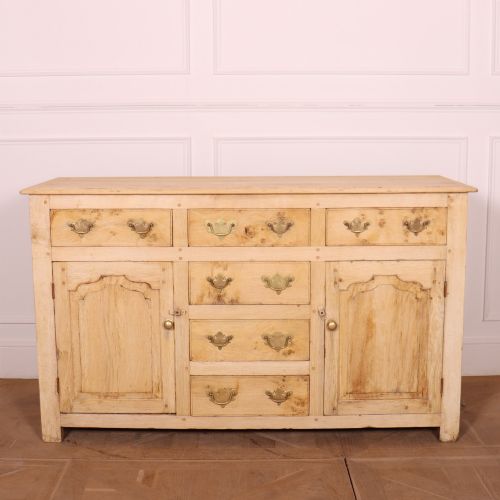
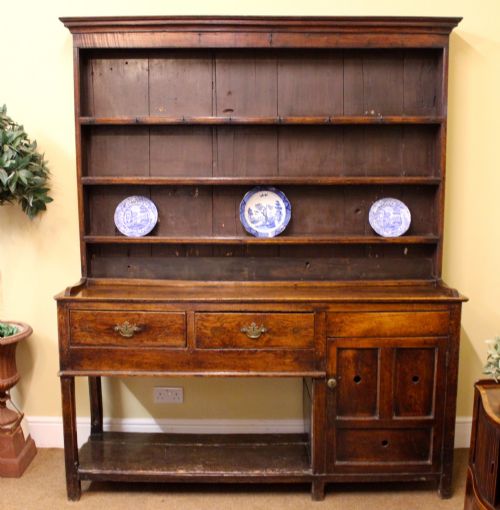
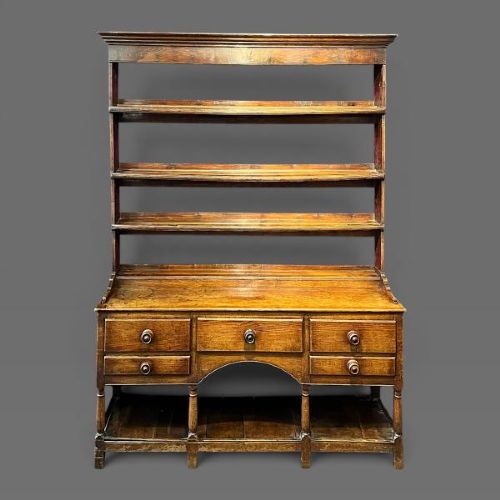
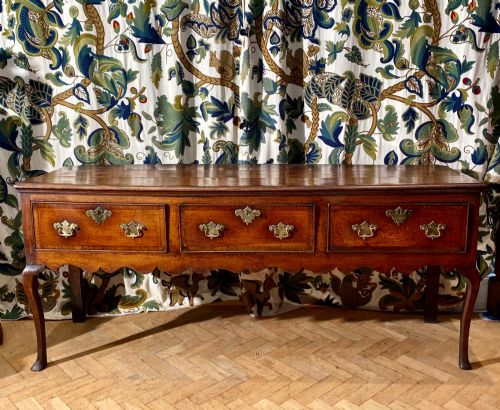
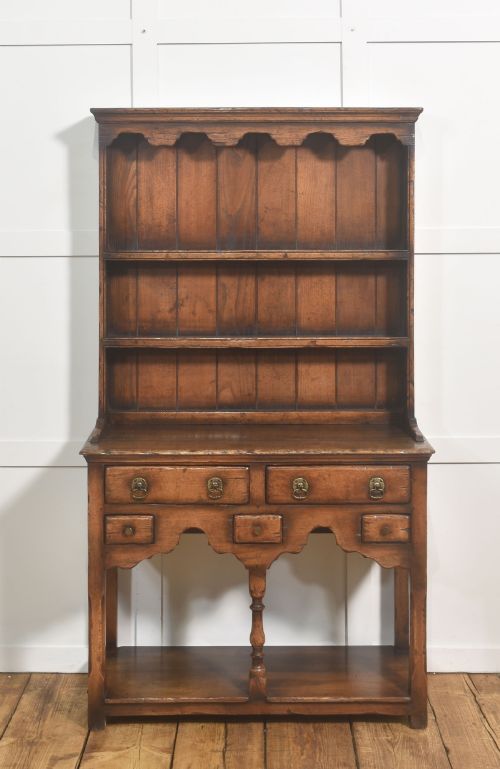
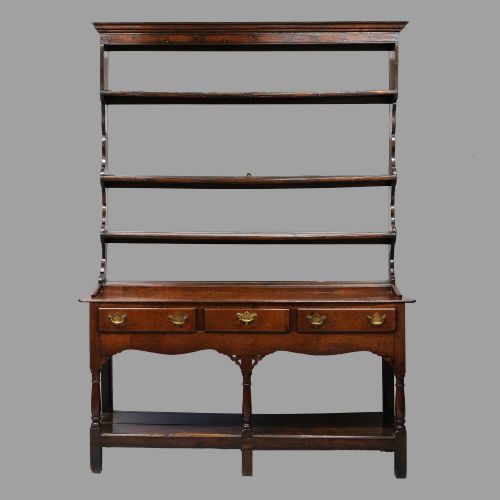
A traditional welsh base represents the lower portion of a regional dresser or a standalone serving unit, appearing across periods from the eighteenth century into the Victorian era. These heavy forms usually integrate drawers and cupboards beneath a flat top, sometimes resting on an open potboard structure designed for storage.
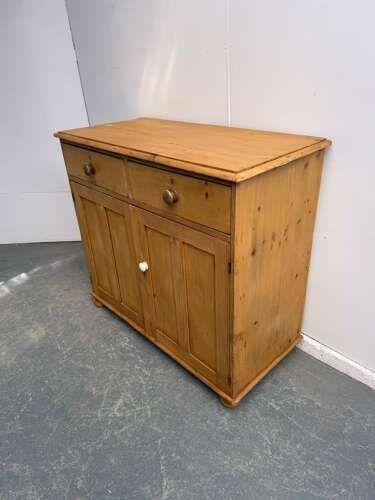
The pieces on this page lean heavily toward rural vernacular styles, predominantly oak and pine constructions associated with farmhouse and cottage interiors. Collectors encounter variations featuring plate racks, enclosed cupboard bases, or open potboards built by provincial cabinet makers.
Materials and Construction
Makers relied on native timber, building the primary carcases in sturdy oak or pine, occasionally incorporating mahogany or flame mahogany in later Edwardian examples. Brass hardware and iron fixtures provide structural support and functional handles for drawers and doors.
Joinery methods reflect traditional country workshop practices, utilising pegged framing and solid board construction designed to endure heavy daily use in farmhouse kitchens. Surfaces frequently show the marks of hand-planing and waxed finishes that highlight the natural grain of the wood.
Traditional Welsh Base Retail Price Guide 2026
Typical asking prices for traditional welsh base among the pieces listed under this phrase on Sellingantiques today, from the lower quarter to the upper quarter. They describe what is for sale here now, not the wider market.
Some country dresser bases retain distinct dog kennel compartments, originally built to house the farm working dogs overnight.
Judging Quality
The standard of a traditional welsh base depends heavily on the integrity of its timber selection and the degree of original surface patination. Pieces retaining their early boards, period brasses, and untouched waxed finishes sit firmly at the upper end of the scale.
Proportion and regional character also dictate distinction, with well-balanced drawer arrangements and open potboards commanding greater interest than heavily altered or later utility forms. The crispness of the original mouldings and the tightness of the structural joinery separate standard vernacular work from finer provincial pieces.
The Traditional Welsh Base Glossary
- Potboard
- An open lower shelf beneath a dresser base used originally for storing pots and pans. This platform sits raised off the floor on feet or legs.
- Tridarn
- A traditional three-tiered Welsh Welsh cupboard featuring an enclosed middle section and an upper display canopy. These towering forms represent substantial vernacular joinery.
- Deuddarn
- A traditional two-section Welsh press cupboard featuring panelled doors and internal shelving. These pieces date primarily from the seventeenth and eighteenth centuries.
- Vernacular
- Furniture built by local craftsmen using regional traditions and readily available native timbers rather than following strict metropolitan design fashions.
- Dog kennel
- A central recessed space or compartment positioned between lower cupboards in a dresser base. This architectural feature breaks the monotony of solid drawer banks.
Traditional Welsh Base: Frequently Asked Questions
What is a traditional welsh base?
A traditional welsh base is the lower counter portion of a Welsh dresser, functioning independently as a sideboard or serving table with drawers and cupboards.
These pieces typically date from the eighteenth and nineteenth centuries, originating in rural workshops where local timbers like oak were standard.
How were these bases used historically?
Households utilised these heavy pieces in the kitchen or dining area for food preparation, serving meals, and storing heavy earthenware platters.
The open potboard or lower cupboards kept everyday cooking vessels close at hand while keeping the main surface clear for work.
How do I style a traditional welsh base at home?
Position the piece against a dining room or kitchen wall to serve as a practical sideboard for serving food or displaying ceramics.
Pair the warm oak or pine tones with simple earthenware and vintage textiles to complement the rustic vernacular aesthetic.
How can I tell the period of a dresser base?
Examine the timber selection, drawer construction, and joinery methods, noting that eighteenth-century examples often feature hand-cut dovetails and pegged oak frames.
Victorian and Edwardian pieces frequently introduce softer pine construction, painted finishes, or different secondary woods like mahogany.