

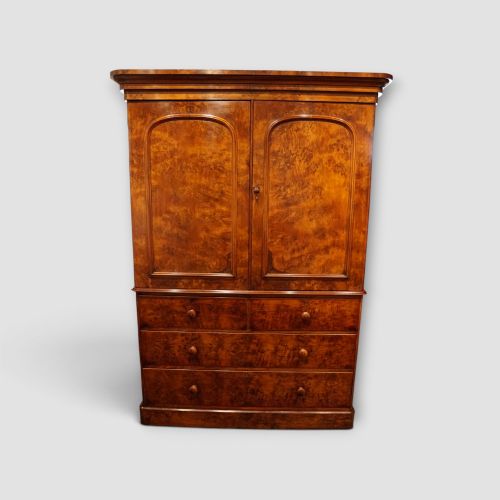
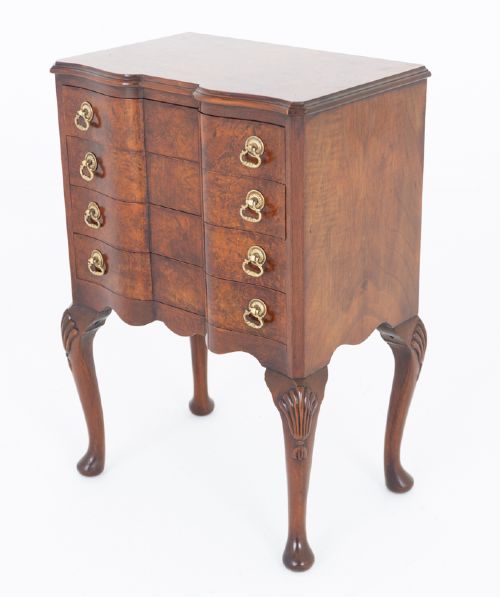
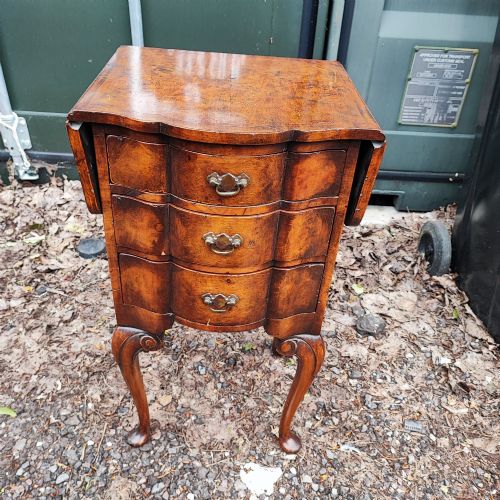
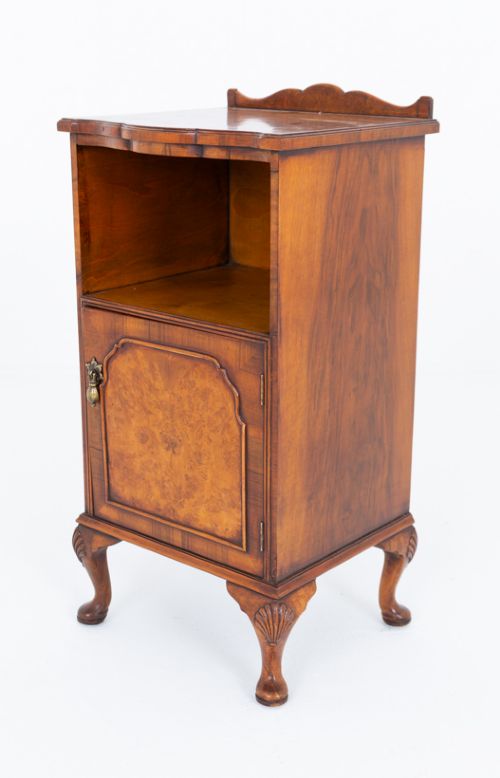

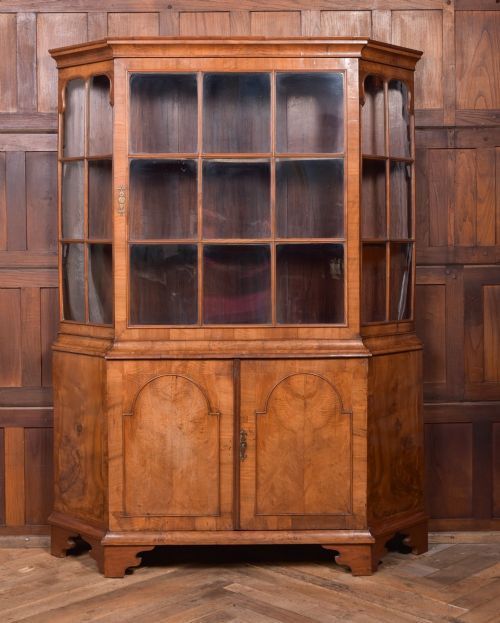
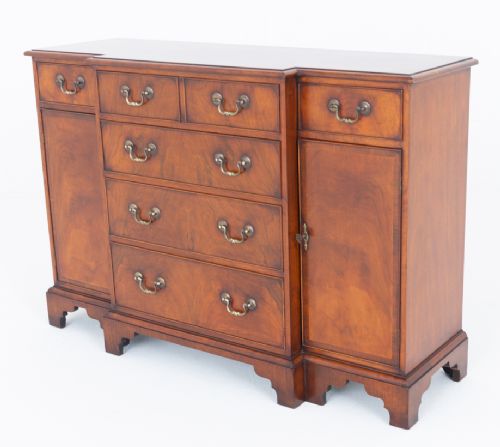


Traditional Walnut Cupboard
A traditional walnut cupboard brings rich timber grain and classic proportions to a room, offering practical storage with genuine character.
Traditional Walnut Cupboard
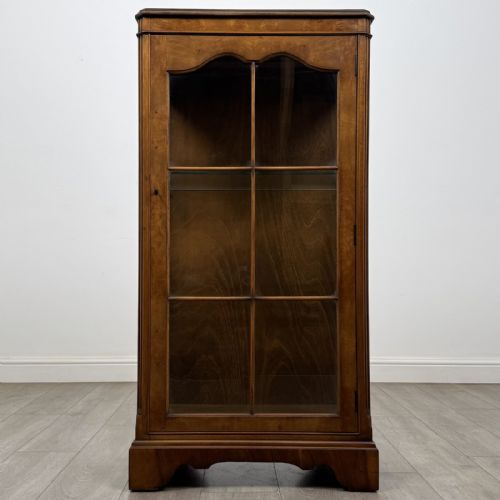
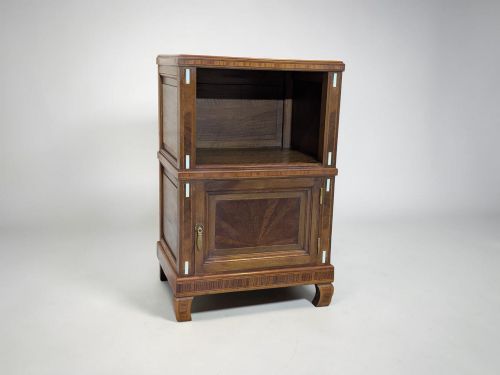
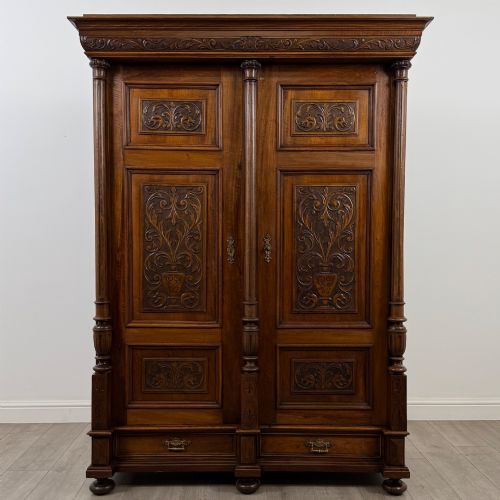
A traditional walnut cupboard spans several centuries of cabinet making, ranging from 18th century Georgian designs to 20th century revival pieces. Buyers seeking this search phrase often encounter smaller bedside cabinets, larger armoires, and formal display pieces.
How they were made
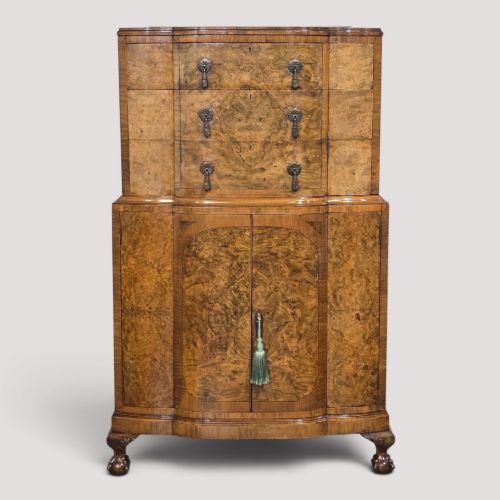
Craftsmen utilised solid walnut and decorative burr or figured veneers applied to secondary timbers such as oak and fruitwood. These surfaces frequently incorporate intricate marquetry inlay and grain matching to accentuate the natural beauty of the wood.
Construction details include brass hardware, glass panels, and iron fittings suited to the specific function of each piece, whether a wardrobe, sideboard, or compact bedside cabinet.
Traditional Walnut Cupboard Retail Price Guide 2026
Typical asking prices for traditional walnut cupboard among the pieces listed under this phrase on Sellingantiques today, from the lower quarter to the upper quarter. They describe what is for sale here now, not the wider market.
Current listings span from the 18th century to the 1930s, featuring walnut, burr walnut, oak, and fruitwood across various regional styles.
What varies in quality
The standard of a traditional walnut cupboard depends heavily on the selection of the timber veneers and the precision of the cabinet work. Finely figured burr walnut and delicate floral marquetry elevate decorative pieces significantly above plain timber constructions.
Structural integrity, original brass hardware, and the preservation of the polished finish distinguish superior examples from simpler utilitarian storage furniture.
The Traditional Walnut Cupboard Glossary
- Burr walnut
- A highly figured wood veneer obtained from the Burl growths of walnut trees. It creates complex, swirling patterns prized by cabinet makers.
- Marquetry
- The art of applying pieces of veneer to a structure to form decorative patterns and pictures. Floral motifs are particularly common on Victorian examples.
- Linen press
- A tall storage cabinet traditionally used for storing folded linen and textiles, typically featuring sliding trays enclosed by doors above a set of drawers.
- Queen Anne style
- A revival design aesthetic characterised by cabriole legs, pad feet, and graceful curved lines. It heavily influences many 20th century bedside cabinets.
- Armoire
- A large freestanding wardrobe or cupboard used for hanging garments. French and Breton variations often display substantial carved ornamentation.
Traditional Walnut Cupboard: Frequently Asked Questions
What is a walnut cupboard used for?
These cupboards serve versatile storage roles throughout the home, from bedside tables holding lamps and books to large wardrobes and sideboards housing dining wares.
Smaller cabinets function well as lamp stands or bedside storage, while taller armoires and linen presses provide substantial capacity for garments and household linens.
How do I date an antique walnut cabinet?
Dating relies on examining construction techniques, timber choices, and stylistic revival markers such as Queen Anne cabriole legs or Georgian proportions.
Secondary woods like oak or fruitwood, alongside the specific style of brass hardware and veneer application, help narrow the period of manufacture.
Are walnut cupboards durable?
Walnut is a sturdy hardwood that stands up well to daily domestic use when properly maintained with standard furniture care.
The durability depends on the stability of the timber joints and the condition of the protective polished finish over the veneer.
How do I care for walnut furniture?
Protect the wood from direct sunlight and extreme temperature fluctuations to prevent the walnut veneer from drying out or splitting.
Regular dusting with a soft, dry cloth and occasional light waxing maintains the natural lustre of the polished timber surface.