


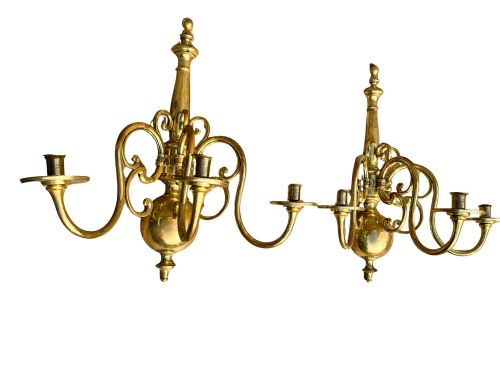


Traditional Wall Brackets
Traditional wall brackets span periods from the eighteenth century to the 1930s, offering structural support and decorative lighting for period interiors.
Traditional Wall Brackets
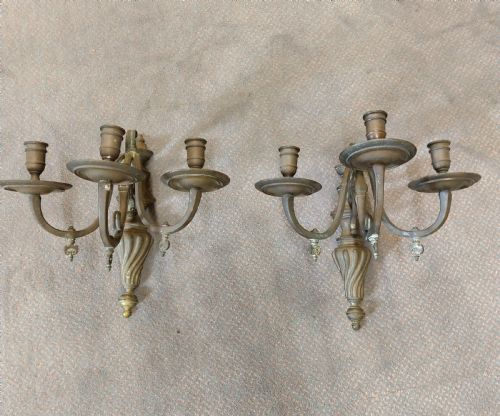
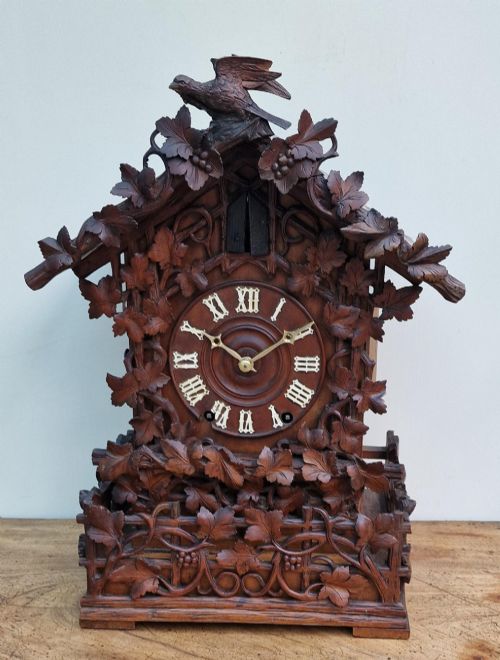
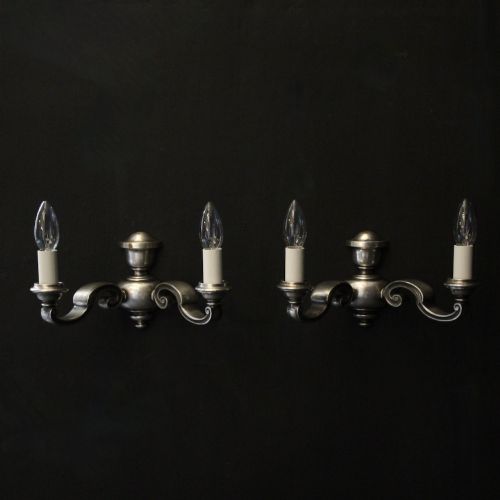
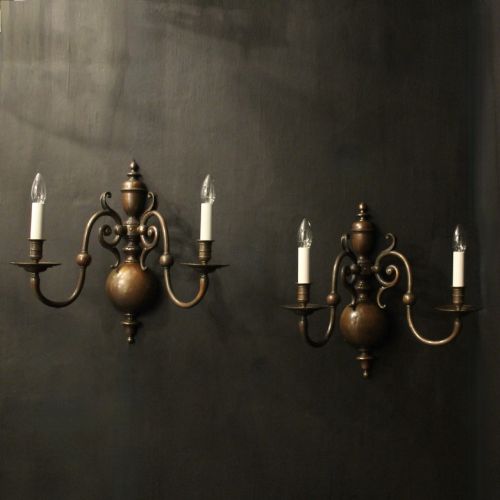
Traditional wall brackets encompass various forms including architectural shelf supports, candle sconces, lighting fixtures, and dedicated wall brackets designed to hold heavy bracket clocks. These items originate across multiple eras, ranging from eighteenth-century pieces to twentieth-century examples from the 1920s and 1930s.
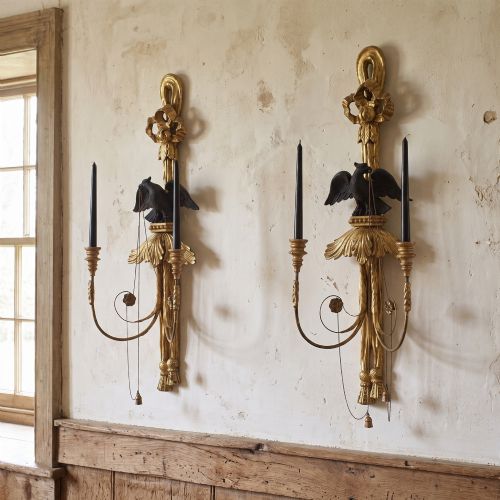
The objects serve dual purposes of practical utility and decorative display within historic interiors. Buyers encounter functional trade signs alongside refined giltwood eagle sconces and heavy cast iron shelf supports.
Materials span domestic hardwoods like mahogany and walnut alongside gleaming brass, wrought iron, and giltwood. Each form reflects the aesthetic preferences of its specific period, from Georgian classicism to Victorian revival styles.
Materials and construction
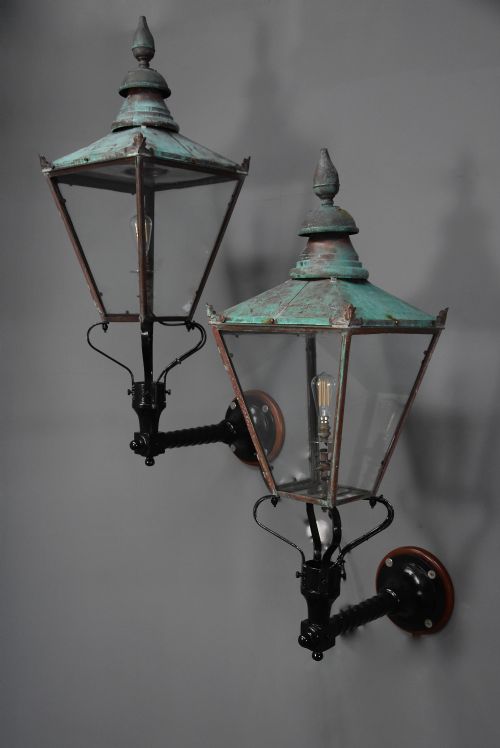
Metalwork forms utilise cast iron, bronze, copper, and brass, often shaped into intricate wall lights or robust structural sign brackets. Makers employed traditional casting and forging methods to ensure structural integrity for supporting heavy lanterns, clocks, or shelves.
Woodworking relies on quality timbers such as mahogany, walnut, and oak, frequently carved or polished to accentuate natural grain patterns. Giltwood examples demonstrate skilled application of gold leaf over carved wooden bases, particularly visible in neo-classical and French Rococo wall sconces.
Combinations of glass and metal appear frequently in lighting fixtures, alongside specialised housing for fusee clock mechanisms. Artisans constructed these pieces to withstand regular use while maintaining decorative refinement.
Traditional Wall Brackets Retail Price Guide 2026
Typical asking prices for traditional wall brackets among the pieces listed under this phrase on Sellingantiques today, from the lower quarter to the upper quarter. They describe what is for sale here now, not the wider market.
Evaluating quality and craftsmanship
Quality rests upon the crispness of execution in carved timber, cast metal, or applied gilding. Superior examples display careful attention to detail in decorative motifs, whether dealing with neo-classical drapery or Gothic Revival tracery.
Structural integrity dictates the worth of load-bearing items like shelf brackets and clock supports. Well-made pieces utilise robust joinery and heavy gauge metals capable of sustaining weight without sagging.
Originality of surface finish and component parts separates standard items from exceptional survivals. Untouched patination on brass and aged timber indicates a high standard of historical preservation.
John Spershott·F. & C. Osler·Henry Deykin·Cording of London·Connell of London·J. A. Wheatley Carlisle·Lenzkirch
The Traditional Wall Brackets Glossary
- Fusee clock
- A clock driven by a spring utilising a fusee cone to ensure even tension throughout the running period. These movements frequently appear paired with matching wall brackets.
- Pricket candle light
- A candlestick featuring an upward-pointing metal spike that secures the base of a wax candle. These items date back to earlier centuries of interior lighting.
- Bracket clock
- A portable clock originally designed to sit on a bracket affixed to the wall. They often share stylistic traits with dedicated wall shelves.
- Trade sign
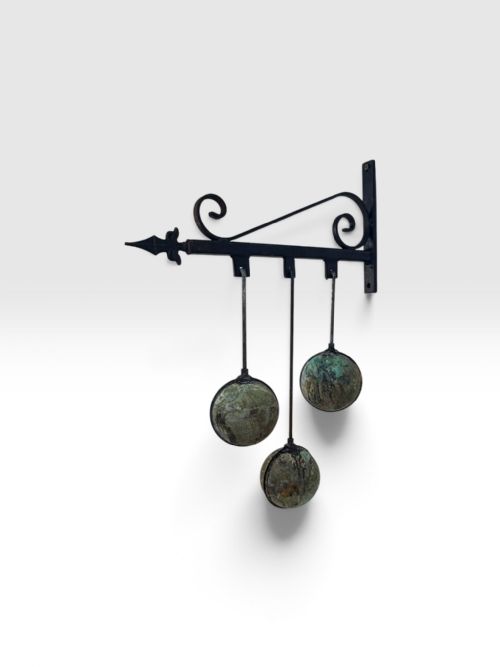
- An exterior indicator utilised by businesses to advertise services. Examples include copper pawnbrokers' signs supported on robust metal brackets.
Traditional Wall Brackets: Frequently Asked Questions
What holds up a traditional wall bracket?
Traditional wall brackets rely on sturdy backplates, screw fixings, or structural flanges designed to anchor directly into masonry or timber studs. Heavier items such as cast iron shelf supports and large clock brackets require secure load-bearing fixings to ensure safety.
Installers must match the mounting hardware to the specific weight of the object and the composition of the wall surface. Proper anchoring prevents movement and protects historic plasterwork from undue stress.
How do I mount a clock wall bracket?
Clock wall brackets require precise positioning to support the exact weight and pendulum swing of a fusee or mantel clock. The bracket must sit level and secure to prevent any operational strain on the clock movement.
Ensure the fixing screws penetrate solid structural material rather than surface plaster alone. Testing the stability of the bracket before placing the clock upon it remains essential.
Are these wall lights electrified?
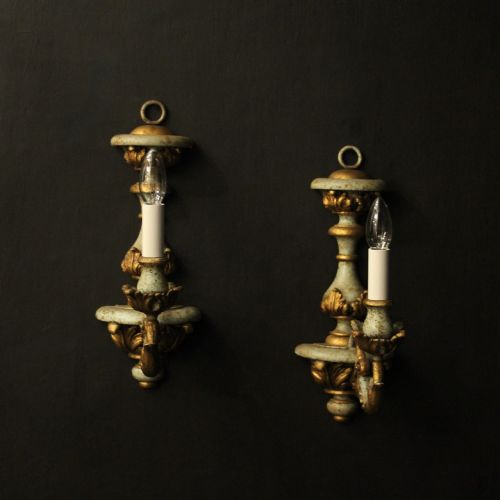
Many antique wall lights and sconces have undergone conversion to electricity during the twentieth century to suit modern domestic requirements. Others retain original configurations intended for candles or oil.
Buyers should examine the wiring and lampholders on electrified pieces to confirm they meet current safety standards. Rewiring is straightforward for a qualified electrician if updates are required.
How do I care for antique brass brackets?
Antique brass brackets require gentle dusting with a soft, dry cloth to prevent the accumulation of grime. Avoid aggressive metal polishes that strip away historical patination and soften crisp cast details.
Maintaining a stable indoor climate away from excessive moisture protects both the metal surfaces and any adjacent timber elements from deterioration. Wax can be applied sparingly to wood components to preserve the finish.