

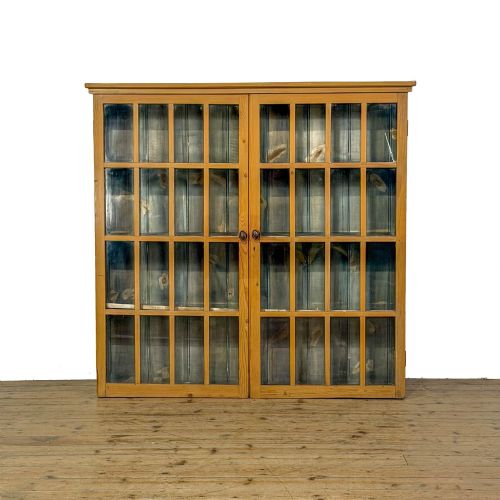
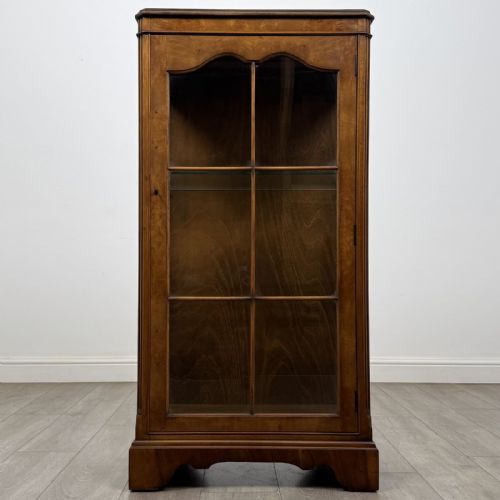
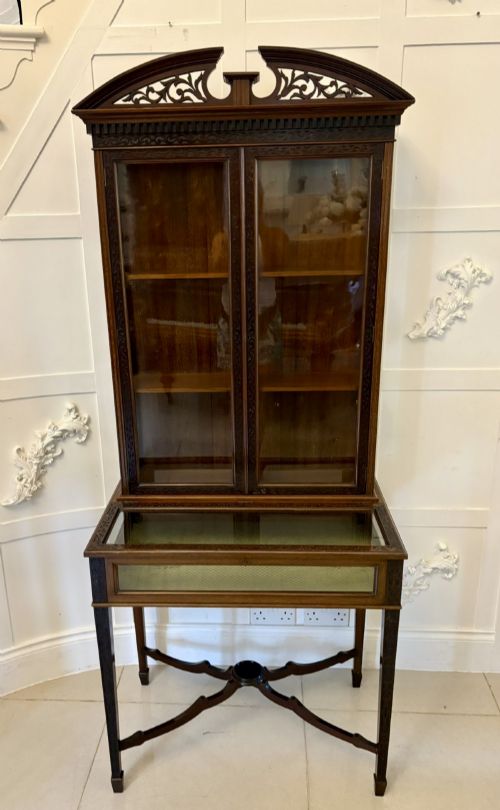
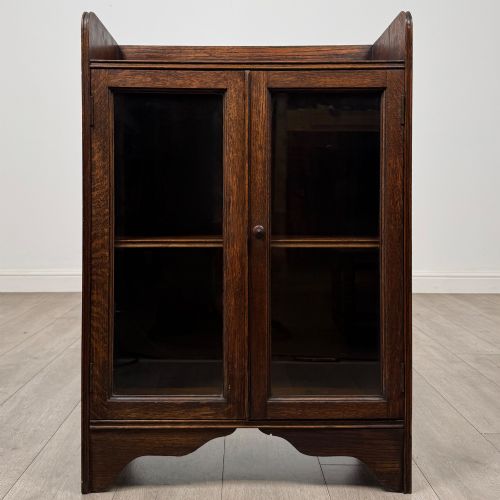

Traditional Vitrine Cabinet
A traditional vitrine cabinet is a glass-fronted piece designed to hold and display china, books and curiosities, bringing architectural presence to a room.
Traditional Vitrine Cabinet
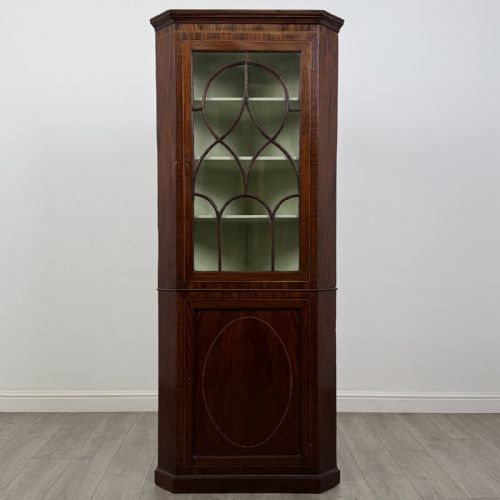
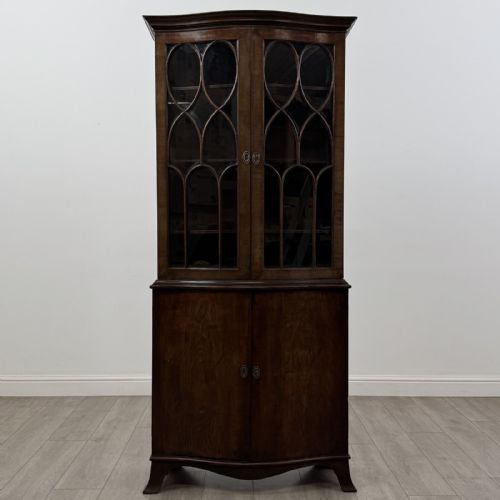
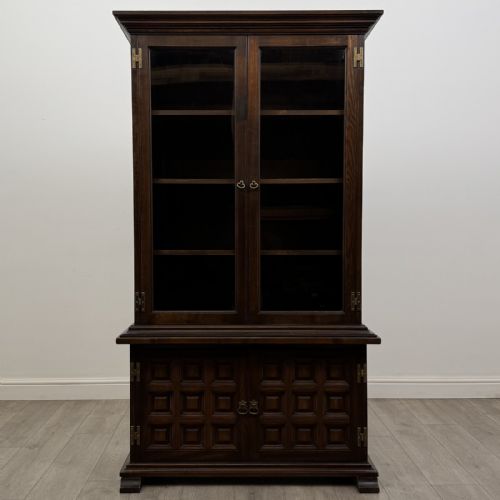
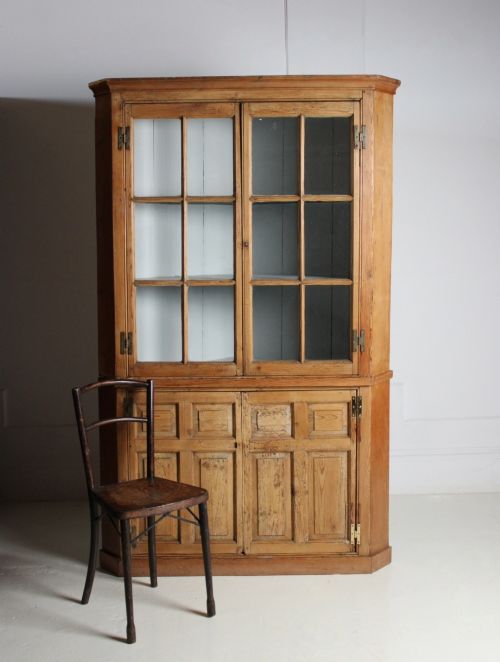
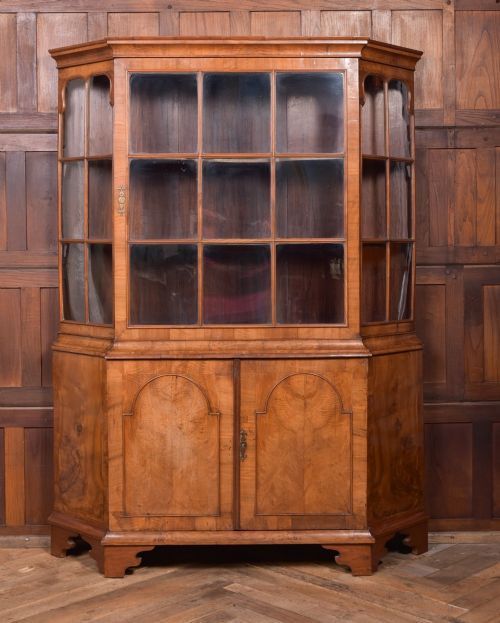
A traditional vitrine cabinet encompasses display pieces, glazed bookcases and corner cupboards spanning the Georgian, Victorian and Edwardian periods, alongside later 20th century examples. The selection includes corner cabinets, serpentine front bookcases and Dutch display cases in varying timbers.
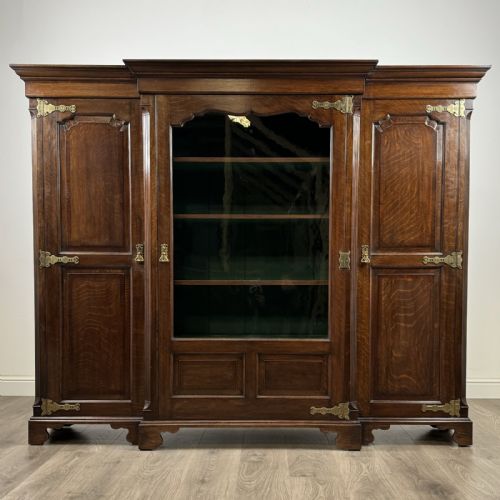
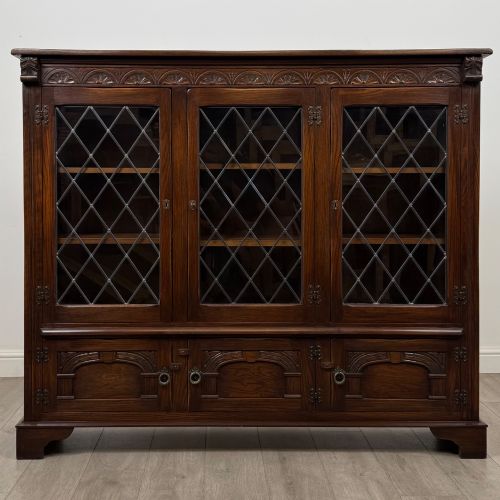
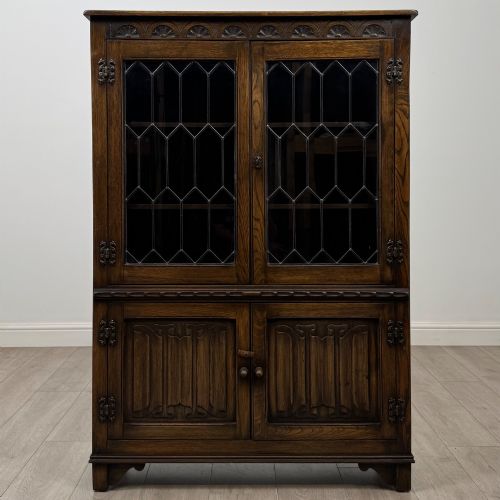
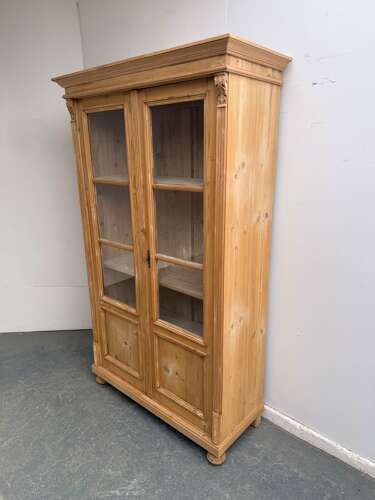
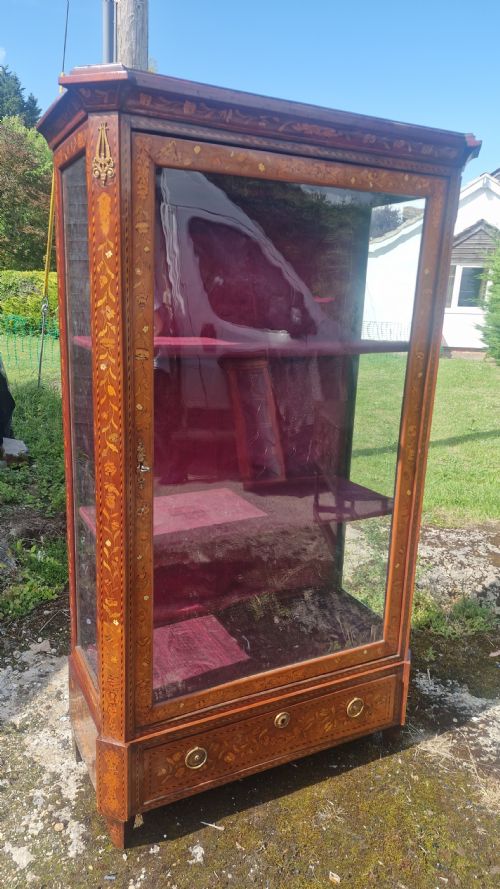
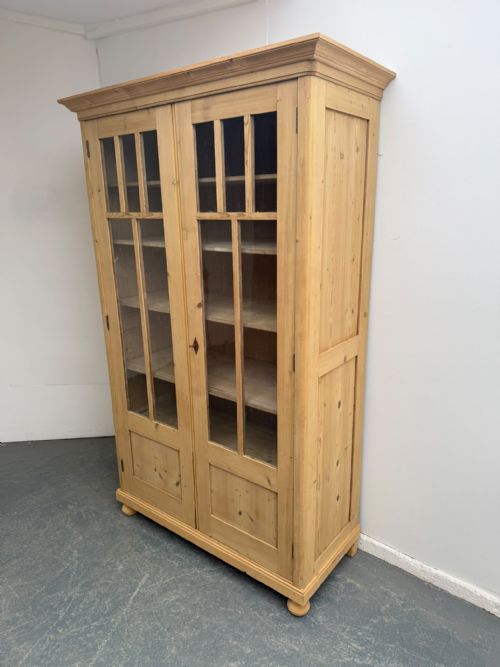
Edwardian oak and mahogany cabinets frequently feature leaded glass or carved panels, while 19th century Dutch walnut and burr walnut models showcase canted sides and marquetry. Buyers will also encounter pine farmhouse cupboards and oak veneered bookcase cabinets dating from the 1920s and 1930s.
These pieces function primarily to exhibit collections behind glass doors while keeping items protected from dust. Originating across England, Italy and the Netherlands, they range from large freestanding furniture to compact corner units tailored for specific interior spaces.
Materials and construction
Cabinet makers utilised solid and veneered hardwoods including mahogany, walnut, burr walnut and oak, often paired with pine carcases and interior shelving. Glass provides the principal viewing panels for doors and sides, sometimes held in place with lead came.
Brass hardware such as hinges, handles and escutcheons punctuate the timber surfaces, while decorative techniques range from intricate marquetry and linenfold carving to painted finishes and wax treatments.
Traditional Vitrine Cabinet Retail Price Guide 2026
Typical asking prices for traditional vitrine cabinet among the pieces listed under this phrase on Sellingantiques today, from the lower quarter to the upper quarter. They describe what is for sale here now, not the wider market.
The inventory spans the 18th, 19th and early 20th centuries, covering Georgian, Victorian, Edwardian, Arts and Crafts and Queen Anne styles.
What determines quality
The distinction between tiers of quality rests upon the choice of timber and the execution of cabinet work, such as the selection of figured burr walnut veneers over plain surfaces. Crispness in carved panels and precision in the joinery of glazed doors separate standard utility pieces from finer workshop productions.
Proportion and decorative restraint dictate the standing of a piece, with well-balanced cornices, canted corners and original brass fittings elevating the overall integrity of the cabinet.
The Traditional Vitrine Cabinet Glossary
- Vitrine
- A glass-fronted cabinet or case specifically designed for displaying fine china, porcelain or small objects of curiosity.
- Glazed
- Fitted with glass panes, allowing visibility of the interior contents while protecting them from environmental dust and handling.
- Serpentine front
- A cabinet front curved in a wave-like shape, featuring a convex centre flanked by concave ends, requiring skilled carpentry.
- Linenfold
- A style of wood carving that imitates folded fabric, frequently seen on panels from the Edwardian period and revivalist furniture.
- Canted sides
- Vertical corners that are cut away or bevelled at an angle rather than meeting in a sharp ninety-degree right angle.
Traditional Vitrine Cabinet: Frequently Asked Questions
Where were traditional vitrine cabinets placed in homes?
These cabinets traditionally stood in formal reception rooms, drawing rooms or parlours where hosts displayed their finest ceramics, glassware and collected treasures to visitors.
Corner cupboards and corner cabinets were specifically utilised to make use of awkward wall junctions in smaller sitting rooms or dining spaces.
How do I distinguish between Georgian and Edwardian cabinets?
Georgian cabinets typically rely on proportion, mahogany timbers and understated classical lines, often featuring astragal glazing bars on the doors. Edwardian examples tend to incorporate oak, sometimes with heavier carved panels, leaded glass or inlaid mahogany details.
Construction methods and secondary woods inside the carcase also provide clues to the true age of the piece.
Can I use a vitrine cabinet for a modern book collection?
Many pieces catalogued as display cabinets double effectively as glazed bookcases, offering secure shelving behind glass doors. Adjustable timber shelves in later 20th century models accommodate varying book heights.
Burr walnut and mahogany variants bring a traditional warmth to home studies and libraries.
What is the difference between a vitrine and a china cabinet?
While both terms describe glass-fronted display furniture, vitrines often feature glass panels on the sides as well as the doors to let in maximum light. China cabinets frequently incorporate solid wooden sides and dedicated lower cupboards for storage.
Dutch and Italian variations frequently adopt the vitrine designation for glazed display cases with canted sides.