
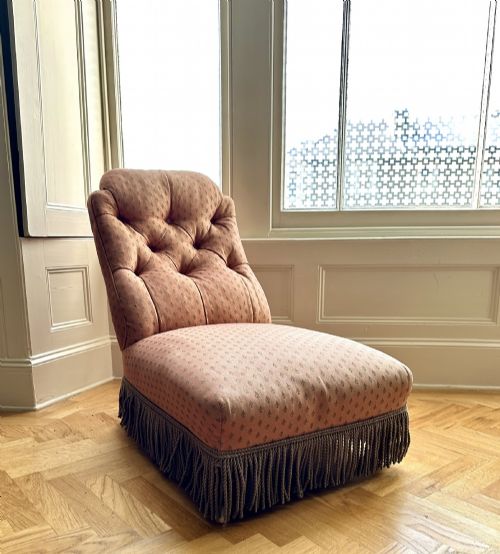


Traditional Vanity Seat
A traditional vanity seat brings low, practical seating to a dressing room or bedroom, offering specific period forms built for grooming and repose.
Traditional Vanity Seat
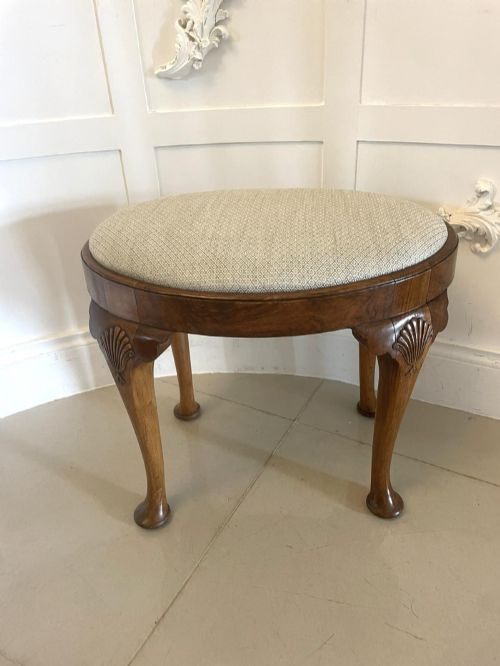
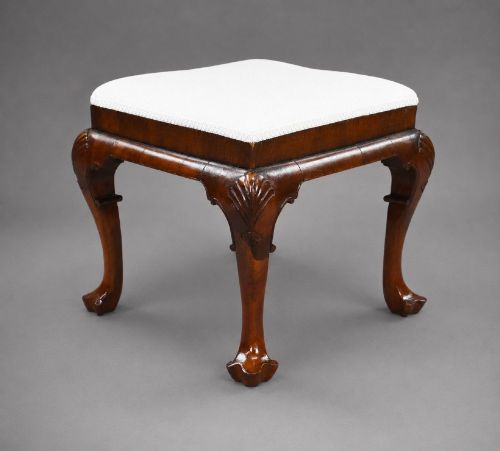
A traditional vanity seat appears primarily as a low stool, dressing stool, or slipper chair designed for use at a dressing table or in a bedroom. The selection spans the eighteenth century through the Edwardian period, encompassing Victorian, Regency, and Queen Anne styles.
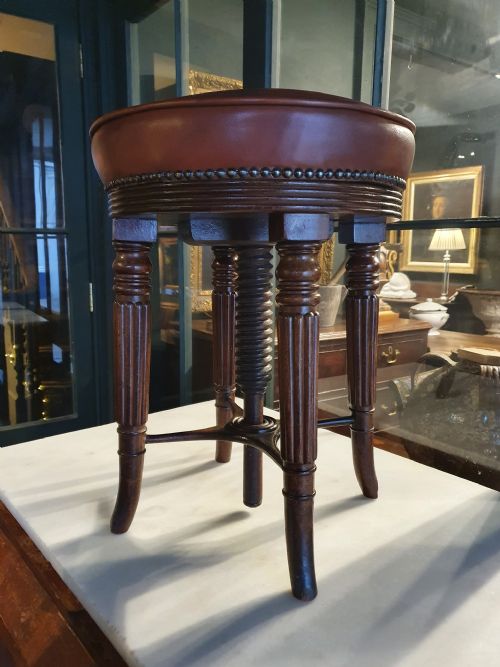
Most examples found here are mahogany or walnut frames, often carrying upholstered seats in fabric, leather, or textile. Stools dominate the listings, alongside occasional piano stools, music stools, and low bedroom chairs with fringe or original coverings.
Materials and construction
Frames rely predominantly on timber such as mahogany, walnut, oak, and yew wood, shaped with cabriole legs, turned supports, or inlay work. Brass hardware appears on adjustable or revolving piano stools.
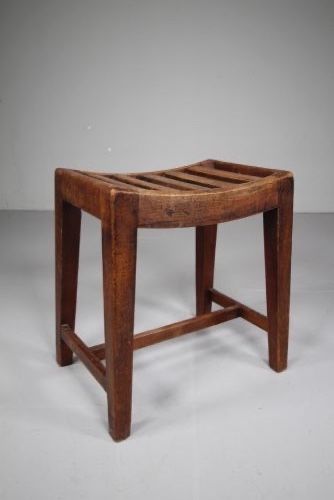
Seats combine solid wood frames with woven rattan, rush, or padded upholstery finished in vintage linen, wool, and textile fabrics. Joinery reflects period cabinet-making standards, utilising carved details and shaped slats.
One neat oak stool arrives complete with a very tidy rush seat.
Evaluating the pieces
Quality depends on the crispness of the timber carving, particularly on cabriole legs and Chippendale style or Queen Anne style motifs. The integrity of the original wood frame and the retention of period elements such as fringe or early fabric elevate an example.
Proportion and stability separate standard utility seating from finer decorative pieces. Well-balanced proportions, intact inlay, and sound structural joinery distinguish better examples across walnut, mahogany, and oak.
The Traditional Vanity Seat Glossary
- Cabriole leg
- A furniture leg that curves outward at the knee and tapers inward toward the ankle, ending in a pad or foot. This form derives from animal legs and defines many Queen Anne and Georgian pieces.
- Slipper chair
- A low-set bedroom chair upholstered close to the floor, traditionally used by women for sitting while putting on shoes or garments. These pieces often feature sprung or padded seats.
- Piano stool
- A revolving or adjustable seat designed for musicians at a keyboard, frequently constructed in mahogany or walnut with brass mechanisms.
- Dressing stool
- A compact stool made to sit beneath a dressing table, generally matching the wood and style of the accompanying vanity.
- Rush seat
- A woven seating surface made from dried marsh grasses twisted into cords. This technique provides a durable, textured surface on country and vernacular stools.
Traditional Vanity Seat: Frequently Asked Questions
What is a traditional vanity seat used for?
These pieces serve as low seating placed in front of a dressing table or within a bedroom. They provide a compact seat for daily grooming and personal care.
Their small scale allows them to slide entirely beneath a dressing table when not in use, keeping bedroom space clear.
How do I identify a Victorian vanity seat?
Victorian pieces frequently feature dark timbers like mahogany or walnut, heavy turned legs, and elaborate upholstery with fringes. They date from the mid to late nineteenth century.
Look for structural solidity and heavier proportions compared to lighter eighteenth-century or Edwardian equivalents.
What is the difference between a slipper chair and a dressing stool?
A slipper chair includes a supportive backrest and sits low to the ground for bedroom dressing. A dressing stool is backless and sits squarely beneath a vanity table.
Both pieces belong to the bedroom suite but serve distinct seating postures.
Are these seats suitable for daily use?
Most period frames are structurally robust enough for regular sitting, provided the timber joints remain sound. Professional reupholstery ensures modern comfort while preserving the antique frame.
Checking the stability of the legs and frame integrity determines how an individual piece handles daily weight.
How do I care for antique wood and fabric?
Dust timber frames regularly with a dry cloth and avoid placing them in direct sunlight to protect the polish. Upholstery benefits from gentle vacuuming with a soft brush attachment.
Keep wooden frames away from sudden temperature shifts to prevent the timber from splitting.