
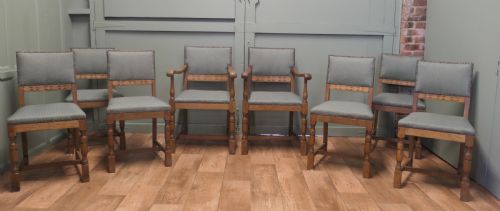
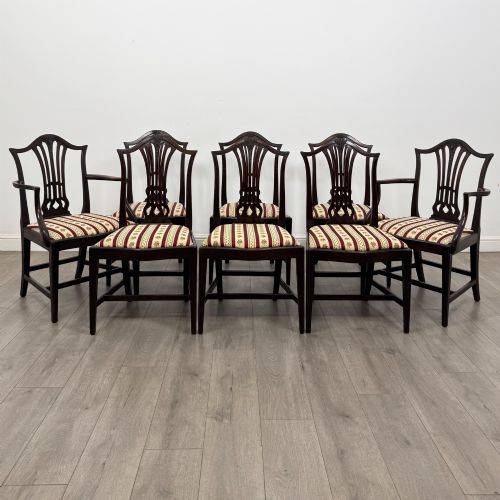
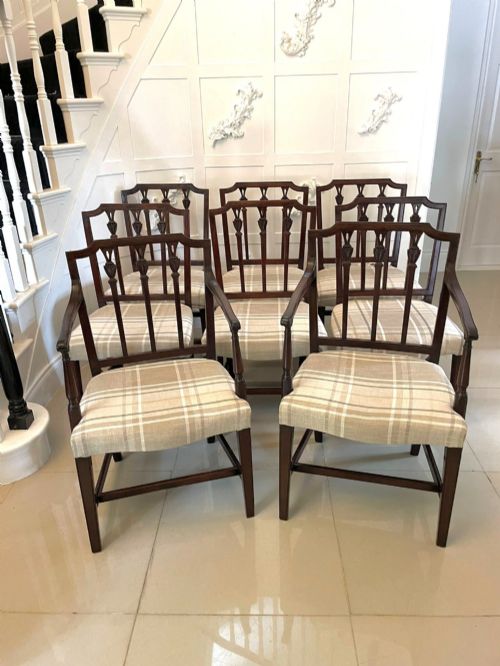
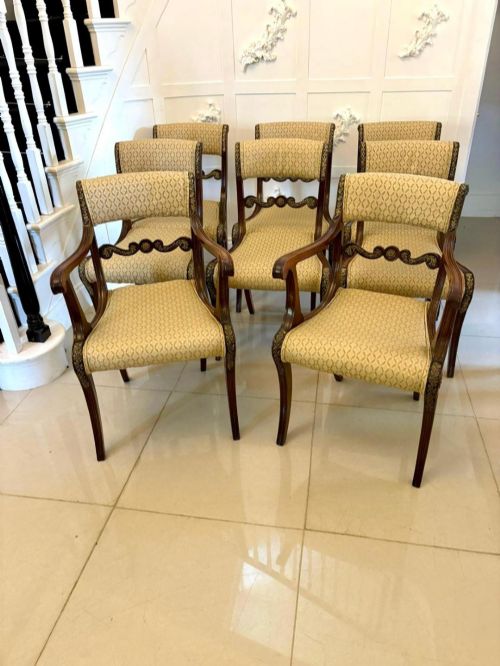
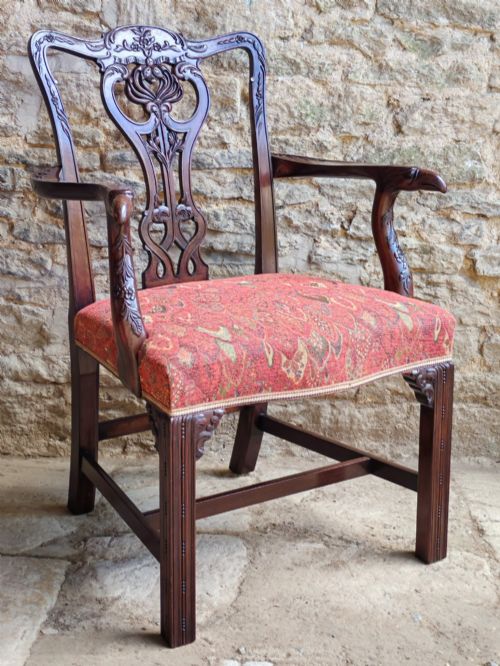
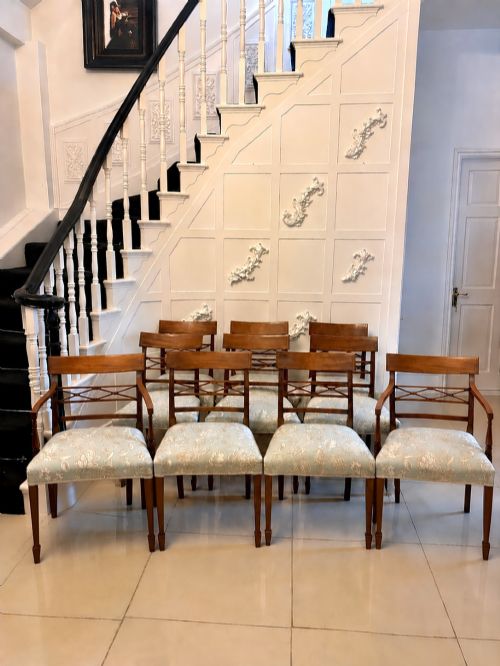
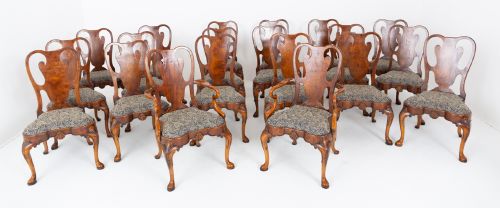
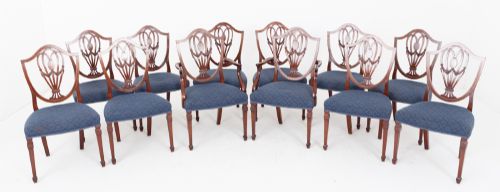
Traditional Upholstered Carver
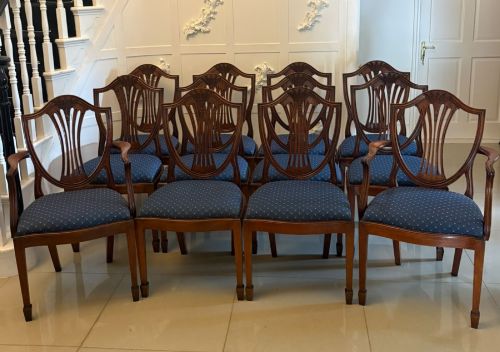
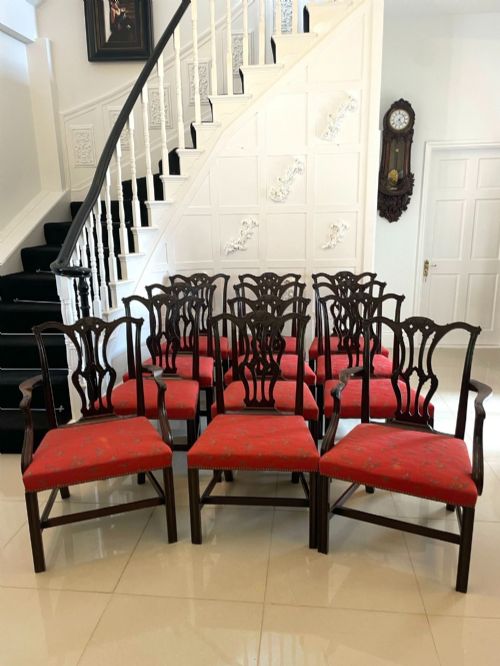
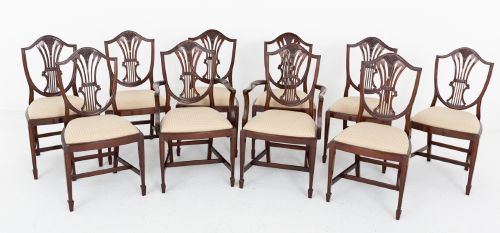
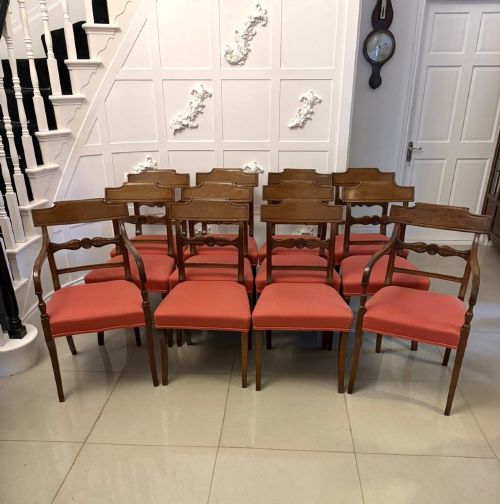
A traditional upholstered carver provides arm support at the table head, combining period timber frames with comfortable seating.
Traditional Upholstered Carver
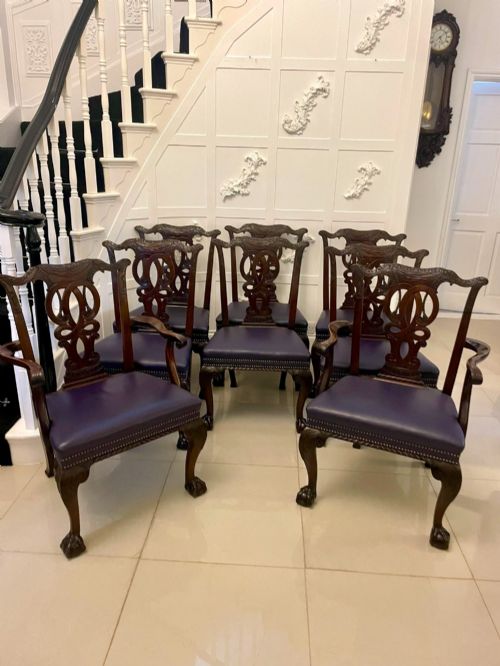
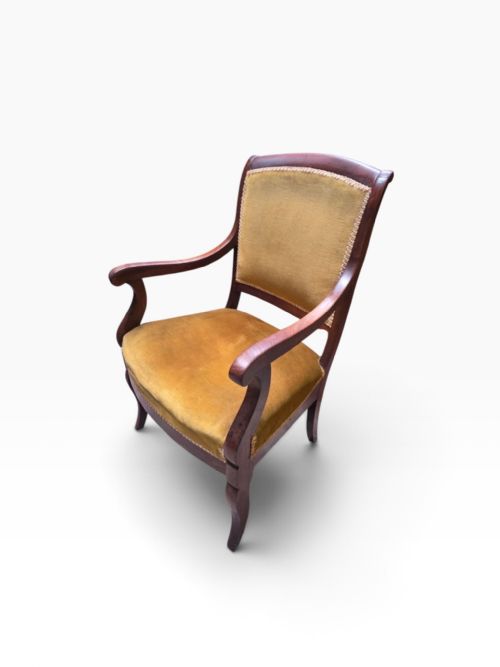
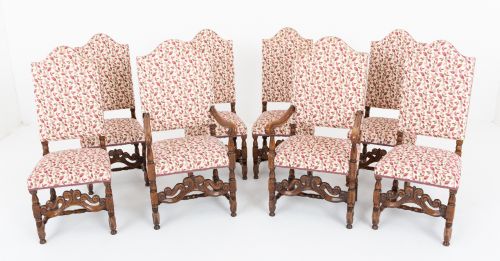
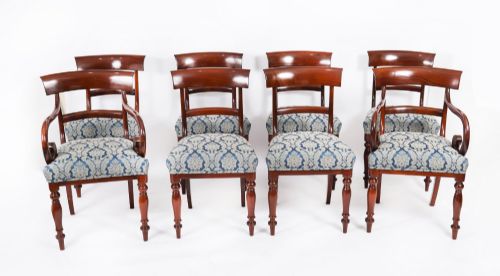
A traditional upholstered carver stands as the principal seating option at the head of a dining table, offering integrated armrests alongside padded support. When exploring this selection, buyers encounter single chairs and larger dining sets that include matching armchairs alongside side chairs.
The pieces span multiple eras, encompassing genuine 18th century and Georgian examples alongside Victorian, Edwardian, and later revivals from the early 20th century. These items manifest in various forms including dining chairs, desk chairs, and open armchairs designed for domestic utility.
Makers and designers from past centuries drew upon established aesthetic movements, resulting in Chippendale style, Hepplewhite style, Regency, and Queen Anne designs. Timber choices reflect these historical periods, incorporating mahogany, oak, walnut, and maple structures.
How they were made
Cabinetmakers constructed the supportive wooden frames predominantly using solid mahogany, oak, and walnut, employing traditional joinery techniques to ensure structural stability. Wood turning, hand carving, and smooth polishing defined the outer appearance of the arms, legs, and back splats.
Upholstery techniques involved securing natural fabrics, leather, or tapestry textiles over internal padding to provide comfortable seating. Brass elements occasionally appeared in structural reinforcement or decorative detailing on desk and armchair variants.
Listings feature mahogany, oak, walnut, and maple timbers across Georgian, Victorian, and Edwardian periods.
What varies in quality
The standard of timber selection and the crispness of hand carving on the arm supports and back rails distinguish exceptional examples from standard ones. Master craftsmen invested greater time in shaping structural components, resulting in harmonious proportions and robust joinery that withstands centuries of use.
The integrity of the upholstery foundation and the choice of covering material dictate the comfort and historical authenticity of the piece. Well executed period textiles and traditional stuffing methods elevate the standing of a carver within its respective period category.
Howard and Sons·Alfred Allen of Birmingham·Maple and Co·Wheelers of Arncroach
The Traditional Upholstered Carver Glossary
- Carver chair
- An armchair designed specifically for use at a dining table, featuring elevated arms to clear the table edge. These chairs typically match a larger set of simpler side chairs.
- Shield back
- A chair back design shaped in the form of an antique shield, popular during the late 18th century and later revived in the Edwardian period. This shape often incorporates carved wheat ears or drapery motifs.
- Open armchair
- A seat featuring wooden arms without upholstered padding along the elbow rests. The design showcases the turned or carved wooden structure of the frame.
- Splat
- The vertical wooden strip down the centre of a chair back connecting the seat to the top rail. Master cabinetmakers shaped these elements into urn, lyre, or ladder patterns.
- Elbow chair
- A traditional regional term for an armchair, often utilised in vernacular oak and walnut seating arrangements. These pieces provide sturdy construction for everyday domestic environments.
Traditional Upholstered Carver: Frequently Asked Questions
How do I identify a Georgian carver?
Georgian carvers feature solid mahogany or walnut construction with hand carved details reflecting Chippendale or Hepplewhite influences. Look for proportions, quality timber selection, and traditional joinery methods typical of the 18th and early 19th centuries.
Revival pieces from the Edwardian era often replicate these specific stylistic traits while utilising similar construction techniques.
Where should I place a carver chair?
Carvers suit placement at either end of a dining table to provide defined seating for hosts. They also function well as desk chairs in a study or as standalone accent seating in a living room.
The upholstered seat and arm supports offer comfortable placement in spaces where seating duration is longer.
What fabrics are used on these chairs?
Original and replacement upholstery includes patterned fabrics, leather, tapestry textiles, and standard upholstery fabric. These materials secure over traditional padding to ensure comfortable daily use.
Various coverings reflect both historical period preferences and later restoration choices made by previous owners.