

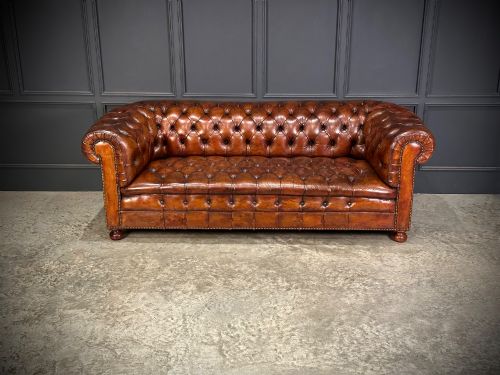
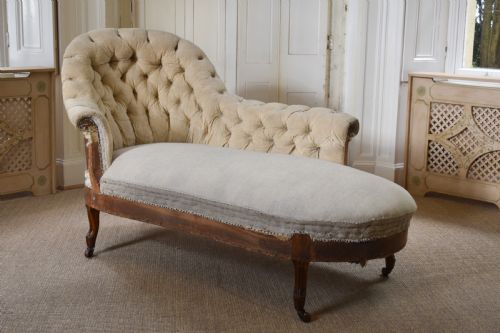
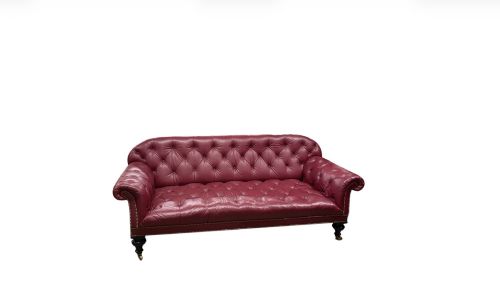
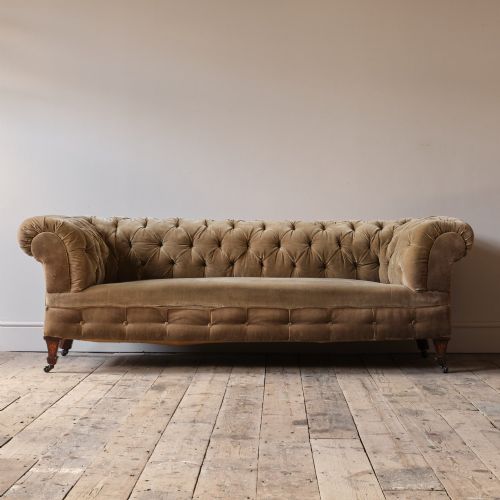
Traditional Tufted Couch
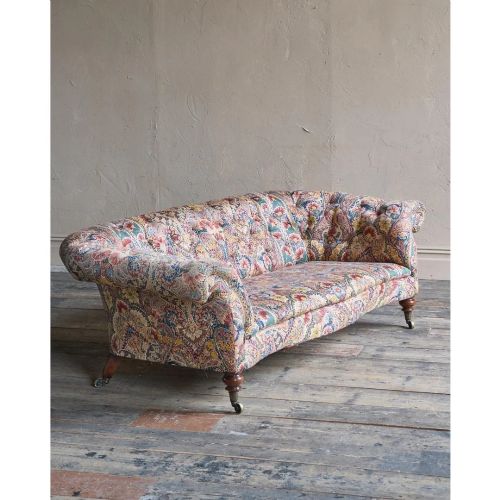
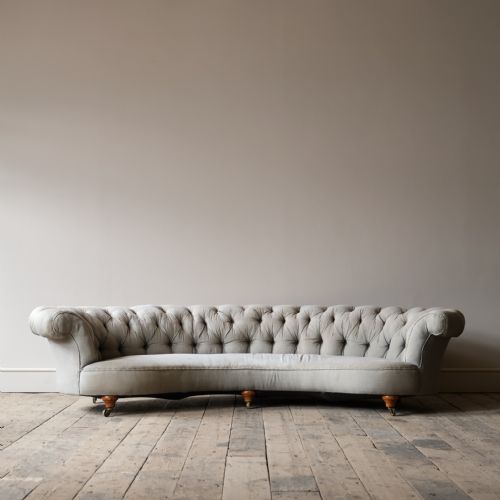
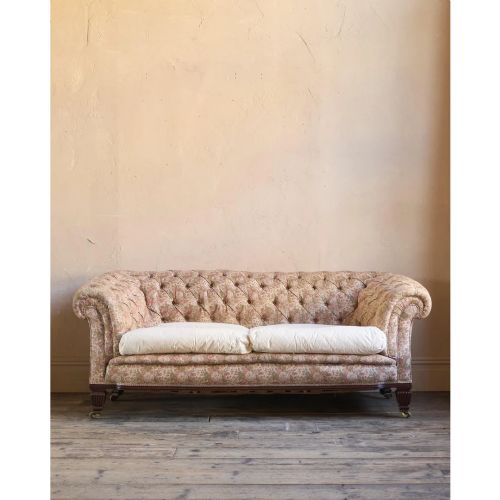
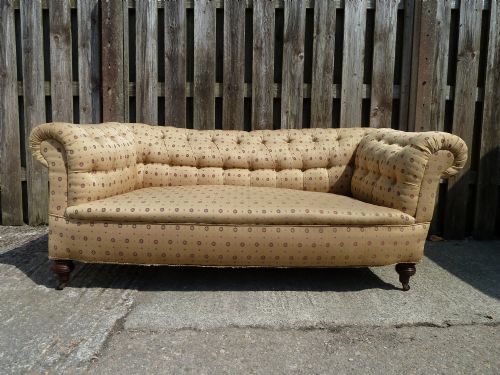
A traditional tufted couch offers deep buttoning and generous proportions, providing a grounded seating anchor for a period room.
Traditional Tufted Couch
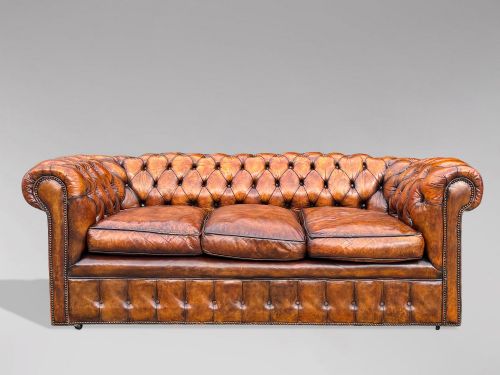
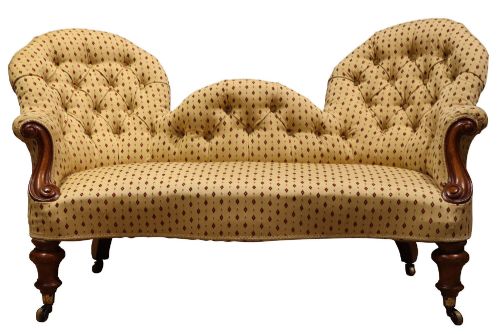
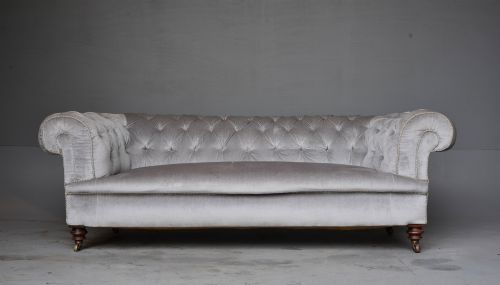
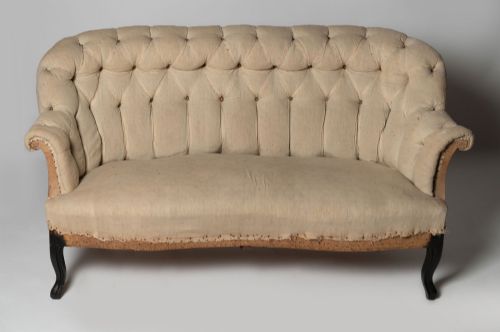
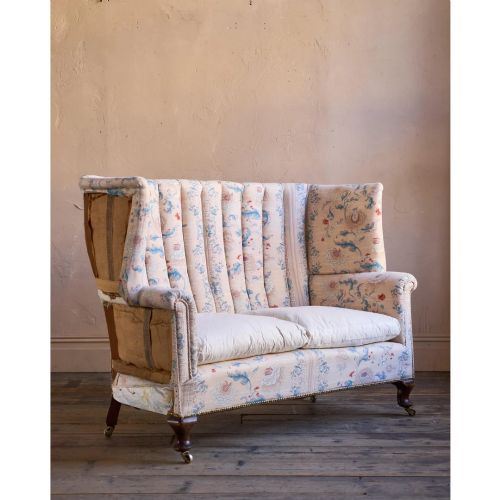
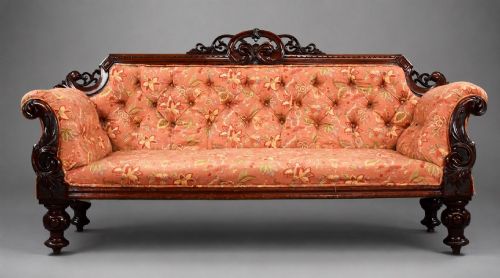
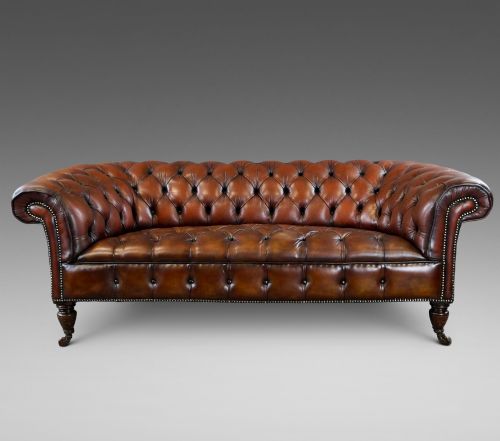
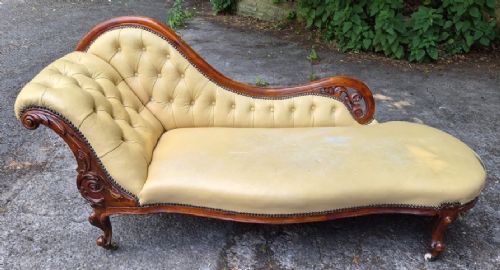
When you search for a traditional tufted couch, you encounter a lineage of heavily upholstered seating spanning the nineteenth and early twentieth centuries. The selection on this page consists predominantly of Victorian and Edwardian Chesterfields, alongside settees, daybeds, and chaise longues.
These forms emerge from nineteenth-century parlours and country houses, built around substantial wooden frames and deep seats. Alongside classic Chesterfields, you find mahogany-framed settees and open-arm variations reflecting Victorian and Edwardian tastes.
The materials span rich brown and red leathers, alongside velvet and fabric coverings. Many examples display the characteristic buttoned upholstery that defines the style, supported by coil springing and horsehair stuffing.
How they were made
Construction begins with robust timber frames, utilising hardwoods and mahogany for structural integrity. Frame members are jointed solidly to support the heavy internal padding required for deep seating.
Traditional stuffing relies on materials such as horsehair, held securely beneath leather or velvet coverings. Deep buttoning is pulled tight by hand, anchoring the upholstery directly into the internal webbing and padding layers.
Traditional Tufted Couch Retail Price Guide 2026
Typical asking prices for traditional tufted couch among the pieces listed under this phrase on Sellingantiques today, from the lower quarter to the upper quarter. They describe what is for sale here now, not the wider market.
Available forms include Chesterfares, settees, daybeds, and chaise longues from Victorian and Edwardian periods.
What varies in quality
Quality rests in the integrity of the internal construction and the handling of the hide or fabric. Frames that remain rigid without movement provide the essential baseline for durable upholstery.
The depth and execution of the button tufting dictate the definition of the pleats and the resilience of the seating surface. Superior examples demonstrate uniform tension across the leather or velvet, maintaining structural form through decades of use.
Howard and Sons·Jas Shoolbred·Gillows·Hampton and Sons
The Traditional Tufted Couch Glossary
- Chesterfield
- A large upholstered sofa characterised by deep button tufting, equal height back and arms, and generous proportions. It remains the defining archetype within traditional seating.
- Chaise Longue
- An elongated chair form designed for reclining, featuring an asymmetric backrest and a single raised end. Victorian examples often incorporate carved mahogany frames.
- Horsehair
- A traditional stuffing material gathered from the mane and tail of horses, prized for its natural resilience and breathability in deep upholstery.
- Coil Sprung
- An internal spring system utilising steel coils tied together by twine, providing supportive elasticity beneath the horsehair and leather layers.
Traditional Tufted Couch: Frequently Asked Questions
What defines a traditional tufted couch?
A traditional tufted couch is characterised by deep buttoning embedded directly into the upholstery, creating a distinctive diamond pattern across the back and arms. These pieces originate primarily from the nineteenth and early twentieth centuries, utilising leather or velvet over robust wooden frames.
Such sofas were designed for formal reception rooms and country house libraries, offering both upright support and deep lounging comfort. Their enduring appeal lies in this combination of heavy architectural presence and tactile upholstery.
How do I care for antique leather?
Antique leather requires gentle conditioning to maintain its suppleness and prevent the hide from drying out over time. Regular dusting with a soft cloth keeps abrasive particles away from the surface.
Avoid placing these couches in direct sunlight or near heat sources, as excessive warmth damages historical leather. Professional conservation products formulated specifically for antique hides help preserve the original hand-dyed finish.
Are these couches comfortable for daily use?
Most traditional tufted couches feature deep seats and resilient coil springing designed for extended periods of sitting or reclining. The combination of horsehair padding and sturdy frame construction provides firm yet yielding support.
Because seat depths and heights vary across nineteenth-century and Edwardian examples, physical dimensions matter when selecting one for daily lounging. Examining the internal stuffing method helps indicate the level of cushion resilience you can expect.
How can I tell a Victorian piece apart?
Victorian examples often feature exposed mahogany woodwork, hand-carved frames, or dense leather upholstery finished with individual brass tacks. The proportions tend to be heavy and robust, reflecting nineteenth-century manufacturing standards.
Comparing the frame timber and the style of the armrests against dated pieces in the inventory clarifies the specific era. Structural markers like hand-tied coil springs and horsehair stuffing further confirm nineteenth-century origins.