






Traditional Tribal Area Runner
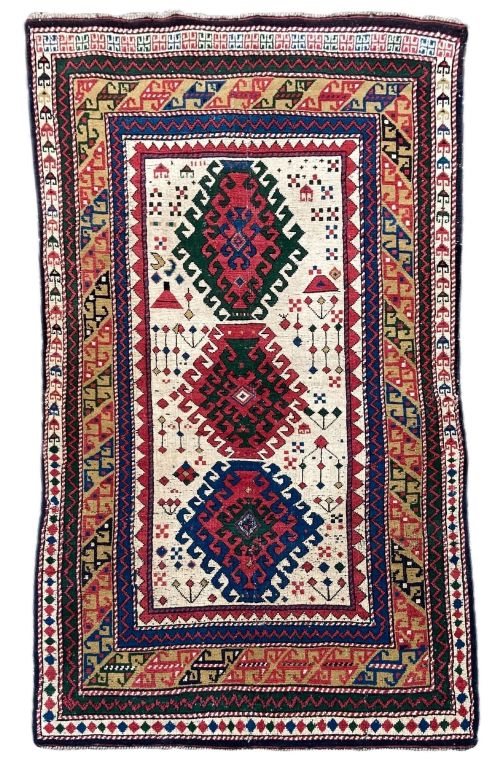
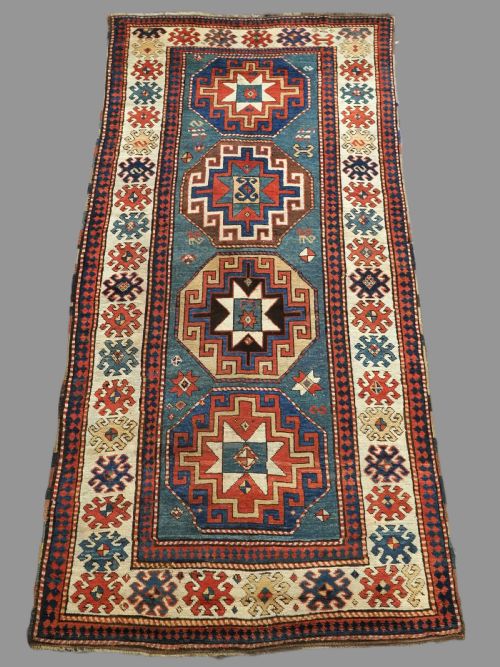
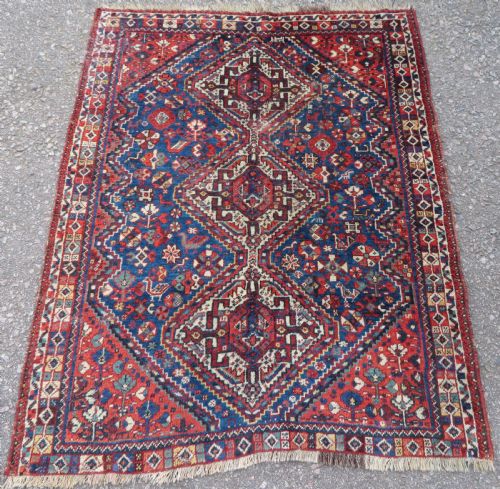
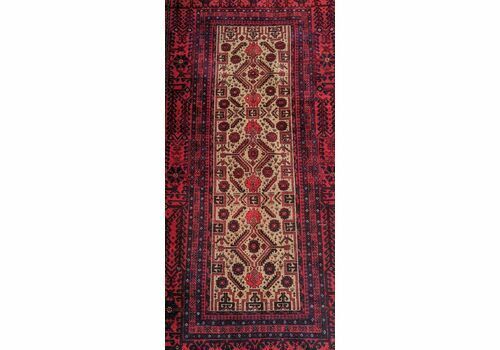
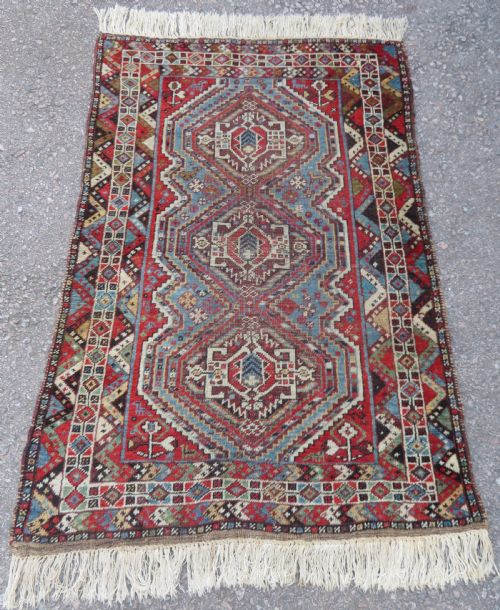
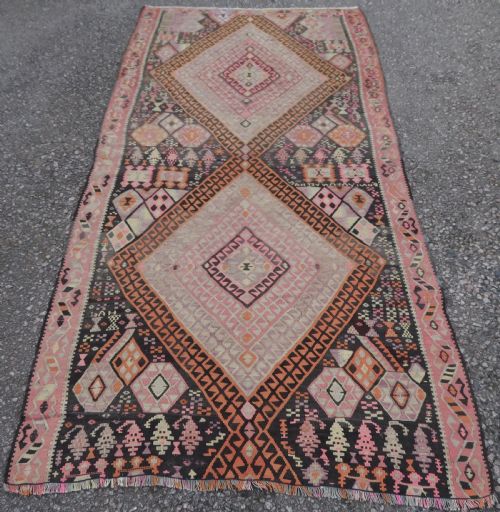
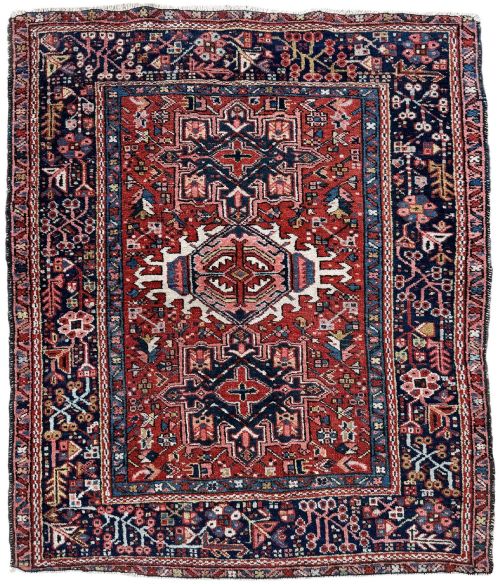
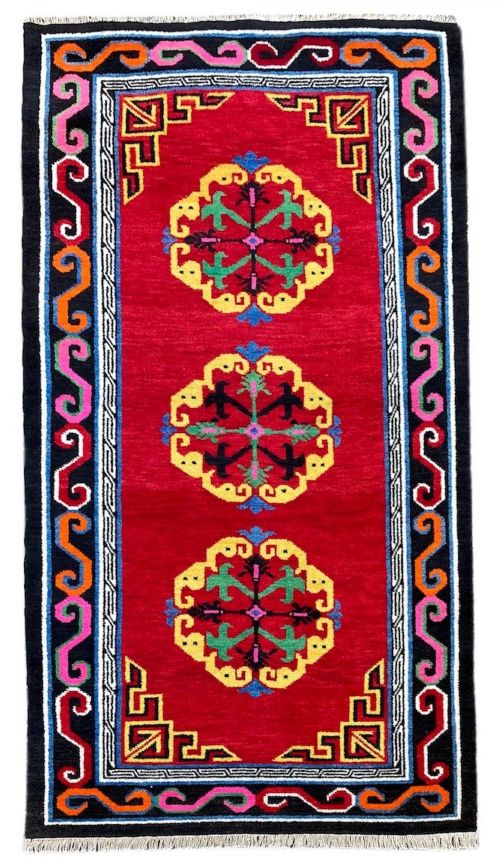
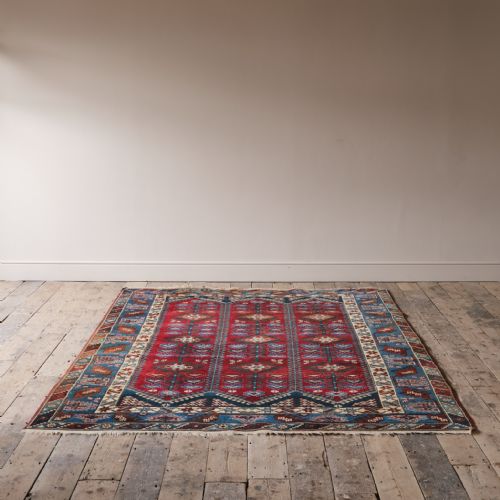
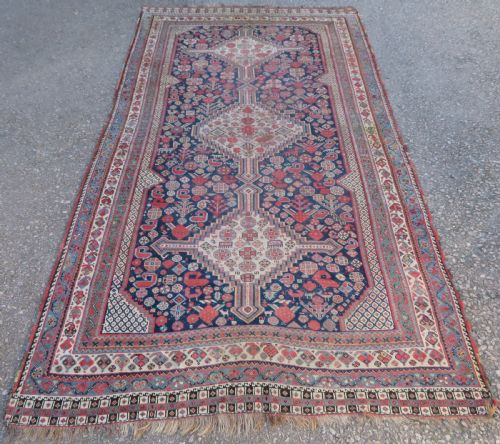
These traditional tribal area runner pieces bring hand-knotted wool and geometric motifs into a hallway.
Traditional Tribal Area Runner
A traditional tribal area runner represents a long, narrow format woven by nomadic and village groups from Persia, the Caucasus, and Central Asia. These textiles serve primarily as corridor or hallway floor coverings, designed to withstand heavy foot traffic while displaying regional tribal patterns.
The selection here draws heavily upon nineteenth and early twentieth-century examples, spanning from the eighteen-seventies to the nineteen-thirties. Pieces originate from weaving traditions such as Caucasian, Kurdish, and Persian tribal groups, capturing specific regional aesthetics.
Runners on this page present distinct structural forms alongside area rugs, prayer rugs, and larger carpets. Buyers encounter formats suited for narrow spaces, anchored by hand-knotted foundations and traditional village designs.
Materials and construction
Weavers constructed these textiles predominantly using hand-spun wool and cotton, occasionally incorporating camel hair for natural tone variations. Artisans knotted the pile by hand onto sturdy warp and weft foundations to ensure durability.
Colour derives from natural dyes applied to local wool, producing rich tones that age with character. The physical hand-knotting technique allows for intricate geometric designs, animal motifs, and medallion layouts to emerge across the surface.
Listings span periods from the 1870s through the 1930s, featuring wool, cotton, and natural dyes.
Distinctions in execution
Knot density and structural tightness set individual examples apart, influencing how crisply the geometric motifs and tribal patterns resolve. Tighter foundations generally indicate greater patience and skill during the weaving process.
The depth and vibrancy of the natural dyes influence visual success, alongside the integrity of the wool itself. Examples retaining rich, uncompromised colour balance alongside solid structural foundations represent the higher tier of these traditional textiles.
The Traditional Tribal Area Runner Glossary
- Runner
- A long, narrow carpet format traditionally utilised in corridors, hallways, and narrow spaces.
- Pile
- The cut or looped surface yarn of a rug that stands up from the woven foundation.
- Warp
- The vertical threads stretched lengthwise on a loom that form the structural backbone of a woven textile.
- Weft
- The horizontal threads passed across the warp threads to secure the knots in place.
- Natural Dyes
- Colourants extracted from plants, insects, and minerals rather than synthetic chemical sources.
Traditional Tribal Area Runner: Frequently Asked Questions
Where should I place a runner in my home?
These narrow formats suit hallways, corridors, and entryways where floor coverings soften footfall and protect high-traffic wooden boards.
They also function well alongside kitchen islands or beside beds to anchor narrow transitional spaces.
How do I care for an old wool rug?
Regular gentle vacuuming without a beater bar removes surface grit that wears down the wool fibres over time. Professional cleaning tailored to antique textiles preserves the natural lanolin and dye integrity.
Rotating the piece periodically ensures even wear across high-traffic areas.
What distinguishes a tribal design from a city design?
Nomadic and village weavers relied on memory and local tradition rather than precise cartoon drawings, resulting in geometric motifs and spontaneous asymmetry.
City workshops produced more formal, curvilinear floral layouts with strict symmetry and higher knot counts.
How can I tell the age of these pieces?
Dating relies on material analysis, dye characteristics, structural wear patterns, and stylistic markers associated with specific periods from the late nineteenth to early twentieth century.
Hand-spun wool and specific regional colour palettes often point toward older production dates before synthetic dyes became widespread.