
Traditional Trestle Dining Table
A traditional trestle dining table brings heavy timber surfaces and linear bases into domestic spaces for long communal meals.
Traditional Trestle Dining Table
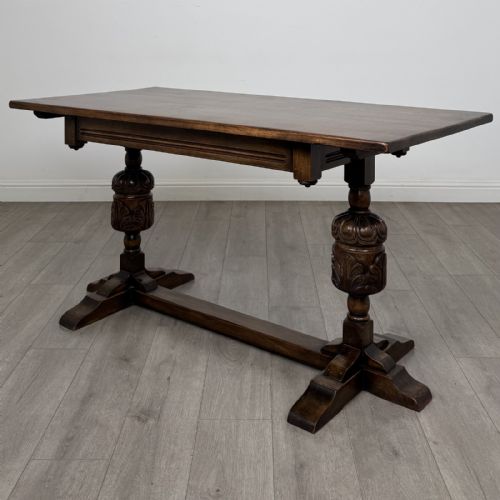
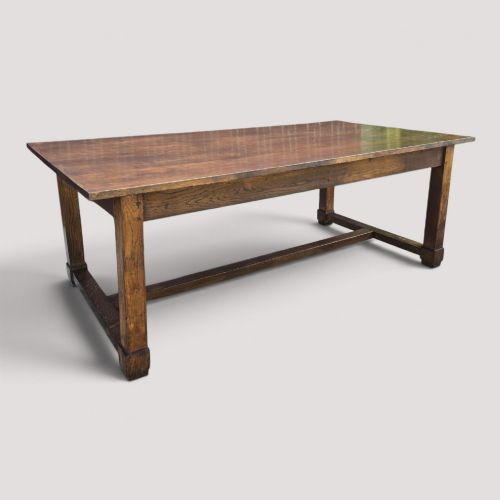
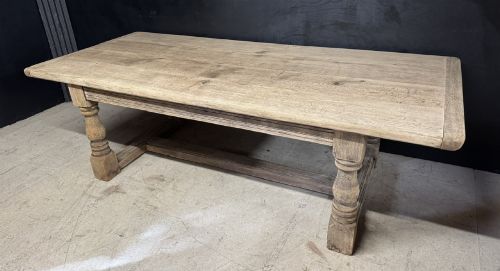
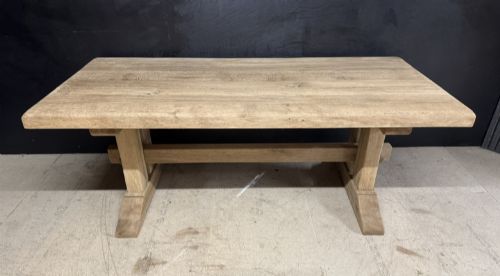
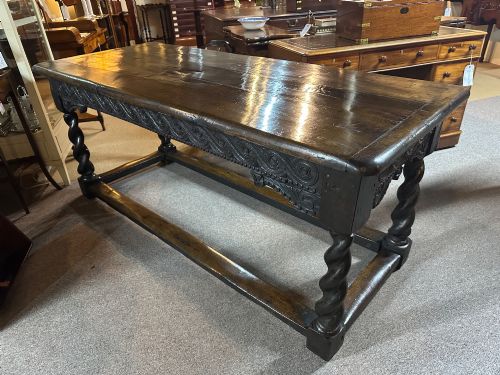
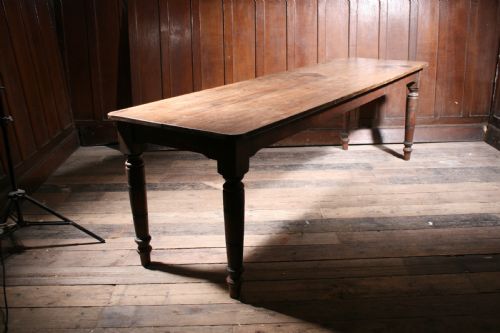
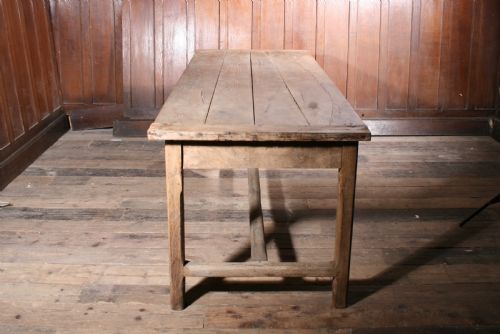
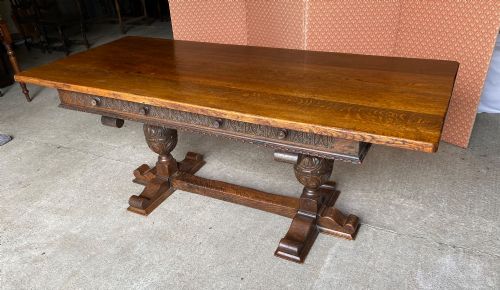
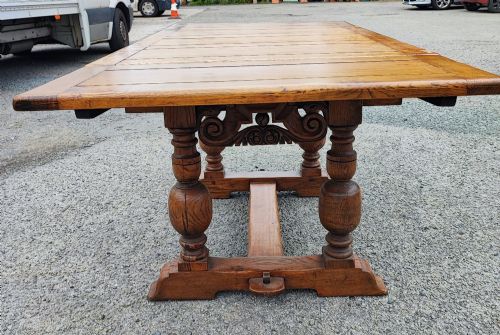
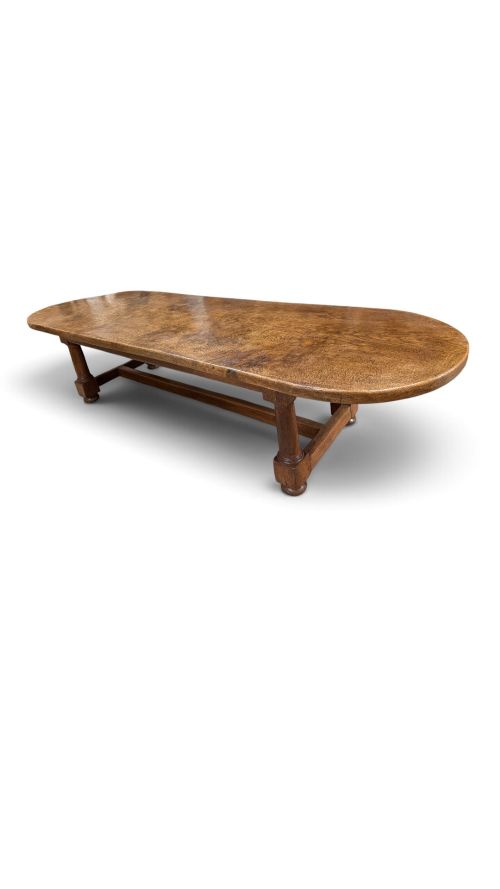
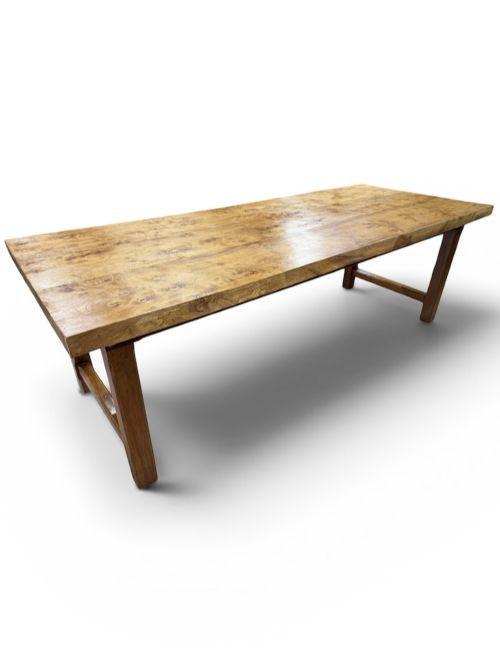
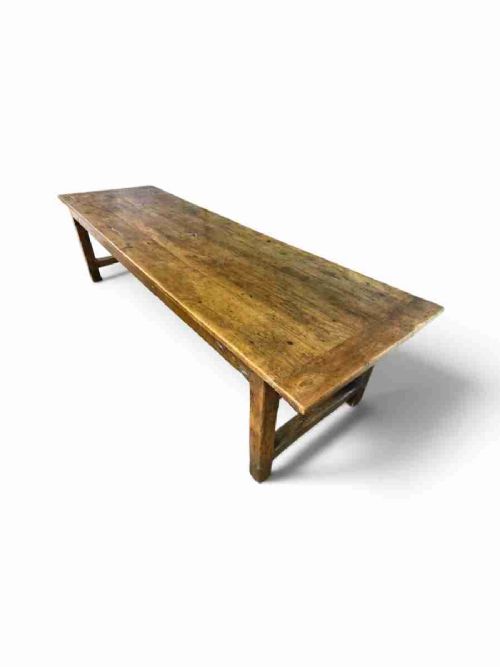
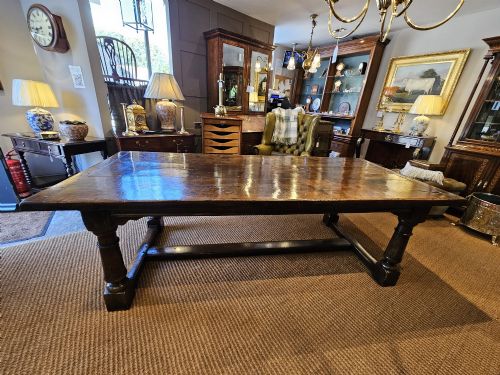
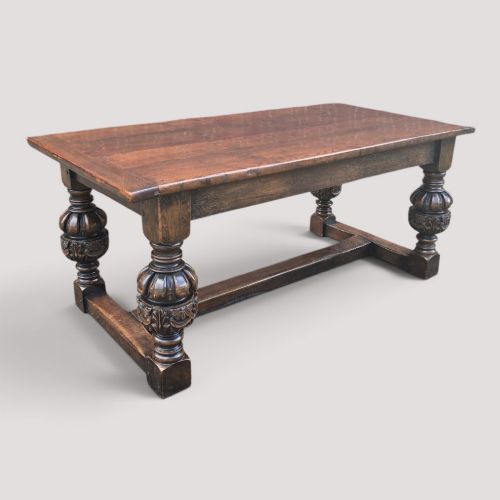
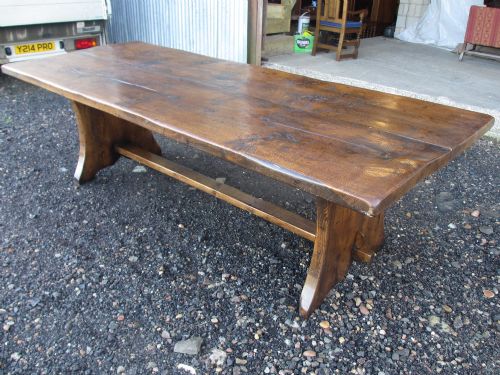
A traditional trestle dining table is typically encountered as a long oak refectory or farmhouse table spanning centuries from the seventeenth through to the twentieth. These pieces appear in forms ranging from heavy oak refectory designs with shaped ends to deep single plank elm tables and oak library hybrids.
The selection includes rustic farmhouse styles, Jacobean revival pieces, and Arts and Crafts golden oak iterations. Buyers often find matching bench forms alongside the primary table, or draw leaf extending mechanisms designed for practical versatility.
Materials and construction
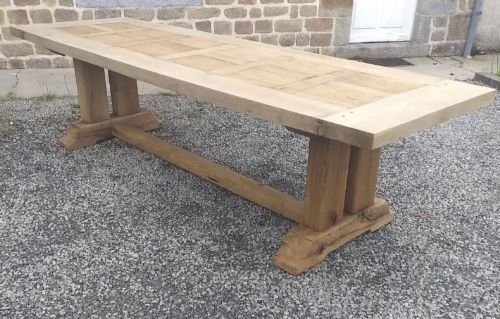
These tables rely predominantly on solid English, French, and Spanish hardwoods like oak, elm, and walnut, frequently paired with beech for structural framing or pine for kitchen variants. Thick timber planks form the heavy tops, supported by solid wood trestle ends rather than standard corner legs.
Joinery methods utilise pegged tenons, substantial stretchers, and draw leaf extensions that allow the surface area to expand. Carved detailing appears on select examples, alongside polished or waxed timber finishes that highlight the natural grain of the wood.
The listings span from the seventeenth century through the Edwardian era, featuring oak, elm, walnut, and pine across refectory and farmhouse forms.
Character and construction differences
Quality separates through the integrity of the primary timber top, such as whether a surface consists of a single wide plank of elm or oak rather than multiple joined boards. The substance of the trestle ends and the tightness of the structural joints dictate the long term stability of the frame.
Age and regional origin also define the piece, with seventeenth and eighteenth century examples displaying authentic patination and tool marks that later twentieth century revival pieces emulate.
The Traditional Trestle Dining Table Glossary
- Refectory table
- A long dining table historically used in monastic dining halls. These pieces feature elongated tops supported by trestles and a central floor stretcher.
- Draw leaf table
- A dining table equipped with two sliding leaves hidden beneath the main top. These pull out from each end to extend the surface length.
- Trestle
- A structural support consisting of a horizontal beam fixed to two splayed vertical feet. This design allows maximum legroom along the length of the table.
- Single plank top
- A solid wooden tabletop formed from one wide board cut from a single tree. Such tops indicate high status and large mature timber.
- Stretcher
- A horizontal wooden bar connecting the legs or trestles of a table to provide rigidity. It often serves as a footrest on traditional tavern and refectory pieces.
Traditional Trestle Dining Table: Frequently Asked Questions
How do I style a traditional trestle table?
Pair the heavy timber frame with simple wooden chairs or matching oak benches to maintain the communal aesthetic. The linear base allows diners to sit along the entire length without obstruction from corner legs.
Keep table dressings understated to let the grain of the oak, elm, or walnut remain the visual focus of the room.
Can I use an antique trestle table daily?
These solid wood tables were built for heavy domestic and communal use over centuries. Their robust construction handles everyday dining and kitchen activities with ease.
Apply wax periodically to protect the timber surface from moisture and daily wear without altering the historic finish.
What is the difference between refectory and farmhouse tables?
Refectory tables traditionally feature longer, narrower proportions with trestle bases and floor stretchers designed for communal halls. Farmhouse tables often display slightly more domestic proportions and varied leg or trestle configurations.
Both styles utilise thick timber boards and solid wood construction suited for large dining spaces.
How do I identify an older trestle table?
Examine the timber top for peg construction, hand tool marks, and the deep patination that develops over centuries of use. Earlier pieces from the seventeenth and eighteenth centuries show distinct hand-cut joinery compared to later revival periods.
The choice of woods, such as single plank elm or early English oak, also points towards specific historic periods.