

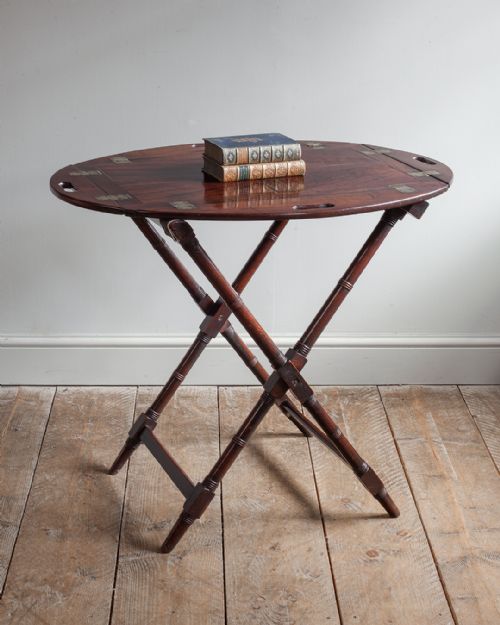


Traditional Tray Table
A traditional tray table offers a portable, collapsible serving surface with centuries of domestic utility behind it.
Traditional Tray Table
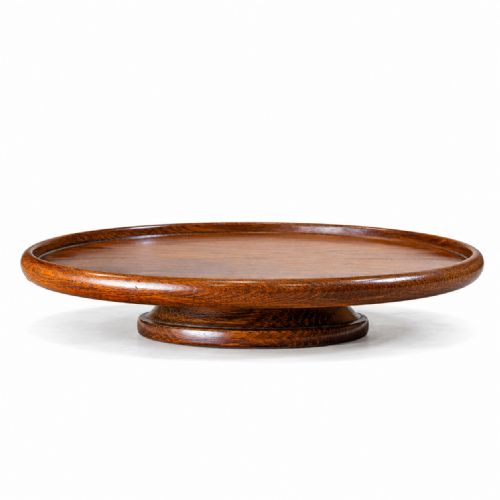
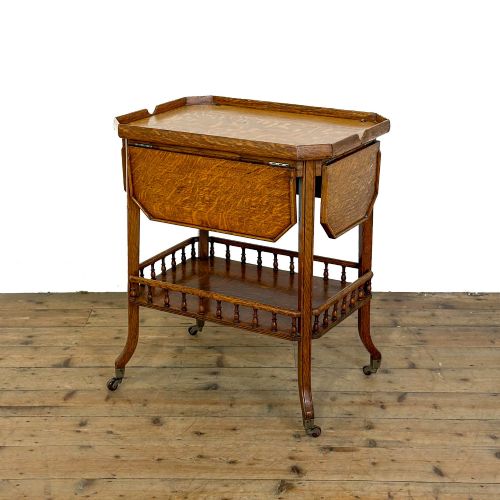
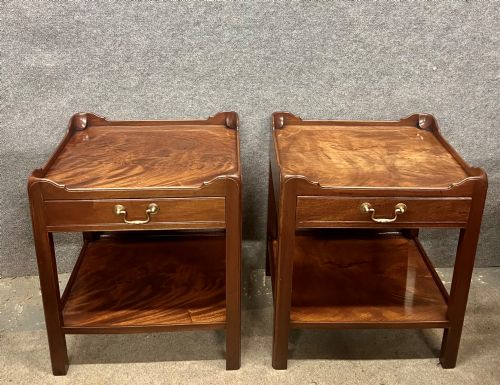
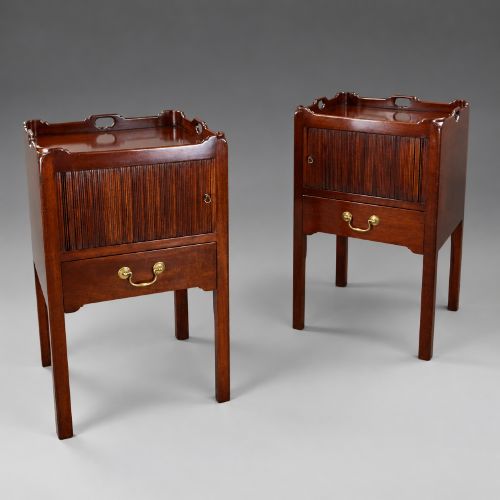
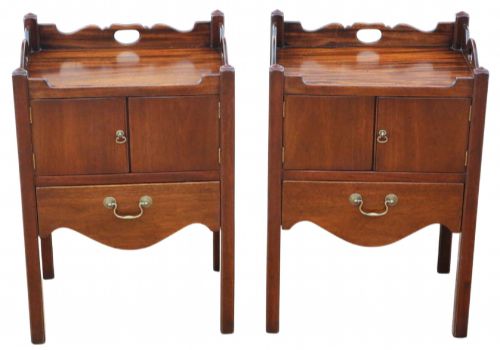
A traditional tray table typically combines a removable top surface with a collapsible or folding stand, though fixed frames also appear across these listings. This category centres on butler's tray tables and tray-top tables, which bridge the gap between portable servingware and permanent occasional furniture.
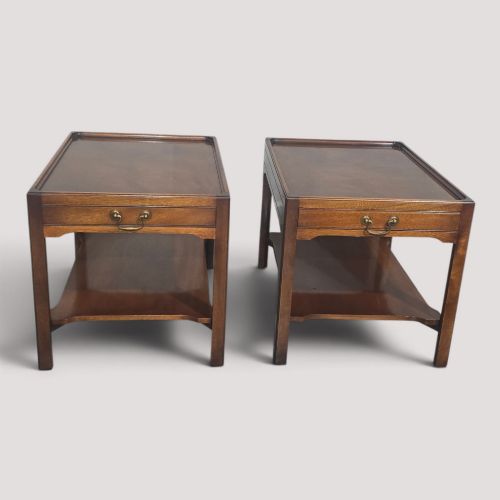
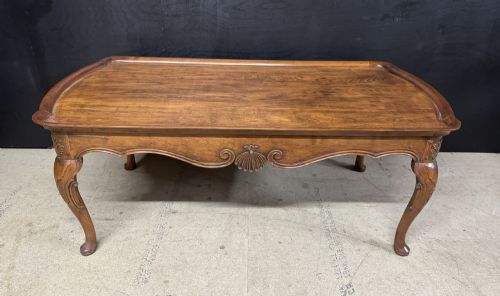
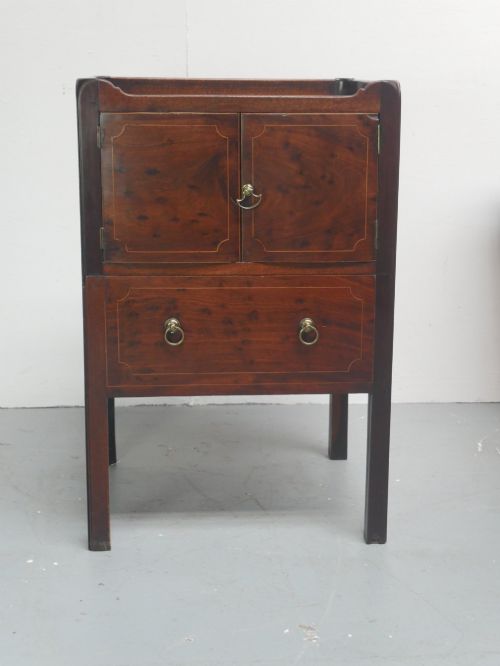
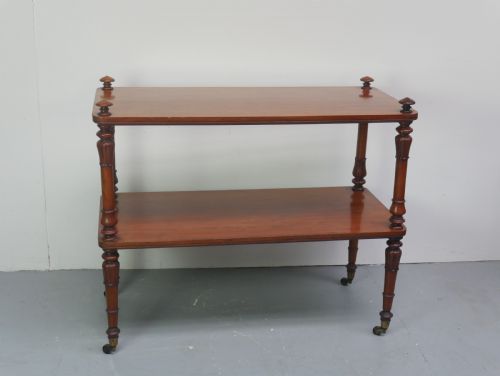
The pieces on this page span several centuries, with particular representation from the Georgian, Victorian, and Edwardian periods. Buyers encounter variations that range from utilitarian folding stands with raised-edge trays to more decorative coffee tables and side tables featuring tray tops.
Mahogany and oak dominate the timber choices, reflecting the materials favoured by makers from the eighteenth century into the twentieth century. These tables serve equally as functional side tables or decorative centrepieces within contemporary rooms.
Materials and construction methods
Cabinet makers relied primarily on dense hardwoods such as mahogany and oak, selecting them for structural integrity during folding and transport. Burr walnut and general walnut also appear, offering rich grain patterns on surfaces designed to catch the eye.
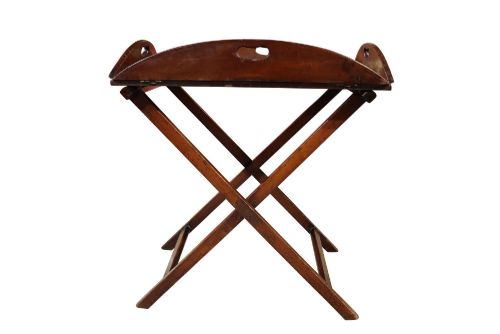
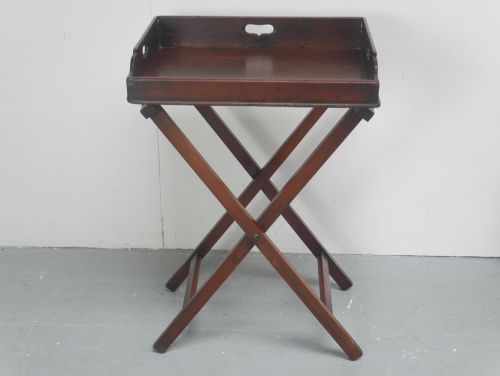
Folding stands utilise hinged or X-frame cross-stretchers that allow the support to collapse flat when the tray is lifted away. Joints on the trays themselves often incorporate dovetailing or raised solid rims designed to secure glassware and ceramics during service.
Listings feature mahogany, oak, and walnut, stretching from eighteenth-century Georgian designs to Edwardian and 1930s interpretations.
Distinctions in quality
Quality rests upon the crispness of the timber selection, the stability of the folding mechanism, and the integrity of the tray's gallery edges. Pieces constructed with figured mahogany or burr walnut show a higher degree of material selection by the maker.
The relationship between the tray and its stand dictates the overall harmony of the piece, with original stands exhibiting precise joinery that matches the age and patina of the tray above. Subtle hand-carved details on the edges and legs further distinguish finer examples from standard utility pieces.
The Traditional Tray Table Glossary
- Butler's tray
- A removable wooden tray with hinged or fixed sides, designed to sit upon a folding stand for serving or clearing. These trays often feature cutout handles for ease of lifting.
- Tray-top table
- An occasional table whose permanent top incorporates a raised rim or gallery to prevent items from sliding off. This form merges the security of a tray with the stability of a fixed base.
- Folding stand
- A collapsible wooden support base utilising cross-bracing or X-frames to hold a removable tray. It allows for compact storage when not in active use.
- Gallery
- A raised wooden or metal border surrounding the perimeter of a tabletop or tray. It serves both a decorative function and a practical containment purpose.
- Dovetail
- A traditional interlocking woodworking joint used to secure the corners of drawers and frames. Its presence indicates skilled cabinet making.
Traditional Tray Table: Frequently Asked Questions
What is a traditional tray table used for?
These pieces function primarily as versatile serving surfaces or occasional tables for drinks and lamps. Historically utilised by household staff to transport items from kitchen to parlour, they now serve as flexible furniture in living spaces.
Their removable tops and folding frames allow owners to reconfigure rooms quickly or store the stands away when floor space is needed.
How do I identify a Georgian tray table?
Georgian examples, spanning the eighteenth and early nineteenth centuries, typically feature dense mahogany timbers with hand-cut joinery and minimal ornamentation. Look for pegged joints and patination that shows decades of careful use.
Later revival pieces from the Edwardian era often replicate these forms but utilise machine-cut elements and lighter interior woods.
Are the trays removable on all these tables?
Many listings feature butler's trays that lift completely off their folding wooden stands, remaining entirely portable. Other pieces are built as fixed tray-top tables where the raised rim is integrated permanently into the frame.
Checking the specific description helps determine whether the top was designed to travel independently from the base.
How do I care for antique mahogany tray tables?
Maintain the timber by applying natural beeswax periodically to nourish the grain and protect against surface moisture. Avoid placing untreated hot cups or wet glasses directly onto older polished wood to prevent ring marks.
Keep these tables away from direct heat sources and strong sunlight to preserve the rich colour of the walnut and mahogany.