



Traditional Tiered Ceiling Fitting
A traditional tiered ceiling fitting brings height and multi-layered illumination to a room, spanning styles from French Empire to Florentine.
Traditional Tiered Ceiling Fitting
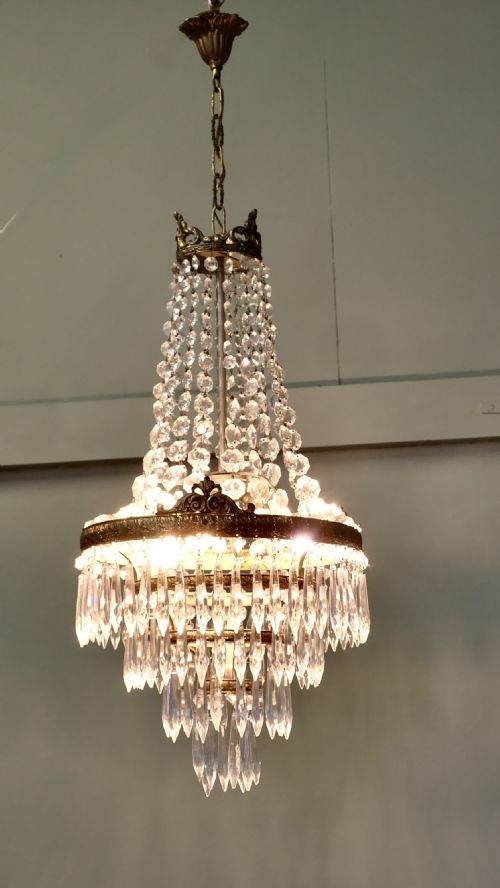
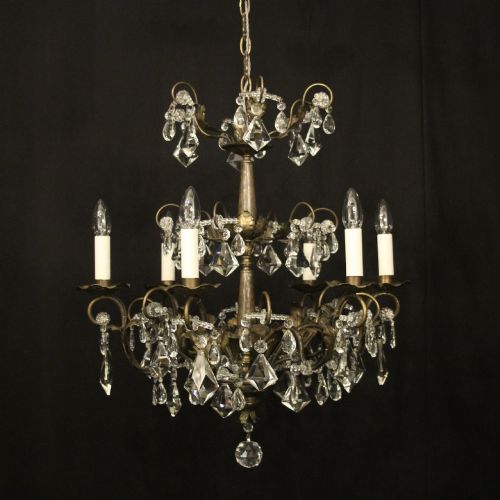
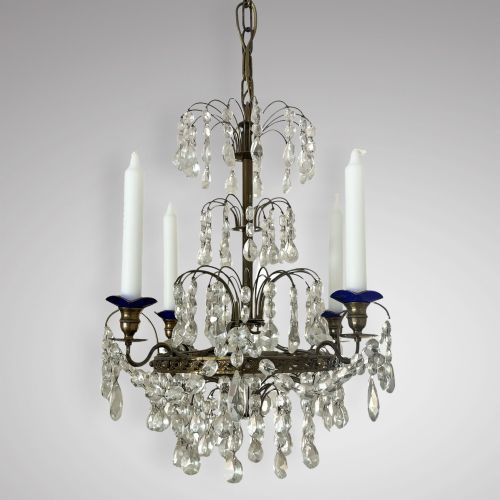
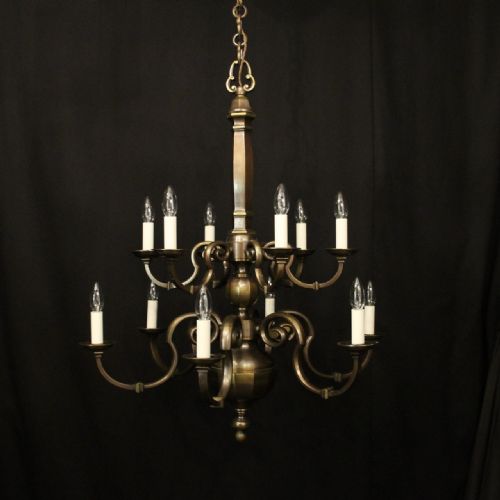
When searching for a traditional tiered ceiling fitting, buyers encounter multi-branch chandeliers spanning the eighteenth, nineteenth, and early twentieth centuries. These hanging light fixtures distribute illumination across multiple levels using graduated tiers of arms and branches.
The selections on this page are dominated by early twentieth-century and Edwardian pieces, alongside nineteenth-century examples and eighteenth-century styles. Forms range from French double-tiered bronzes to English cut glass designs and Italian Florentine gilt structures.
Objects include large chandeliers equipped with twelve to forty-one lights, utilising glass drops, beaded arms, and crystal swags. Originating from workshops across England, France, Italy, Bohemia, and Sweden, these fixtures serve as major architectural statements in high-ceilinged spaces.
What varies in quality
The caliber of a traditional tiered ceiling fitting rests upon the purity and depth of its glass and crystal components. Higher quality pieces utilise heavy lead crystal with precise hand-cut facets that catch and scatter light intensely, contrasted by simpler pressed or plain glass drops.
Metalwork and gilding depth further divide the range. Finely chased bronze and thick fire-gilt surfaces retain rich patination and crisp detail across the tiered arms, whereas lower tiers rely on simpler cast brass or painted finishes.
Some grand ballroom chandeliers carry up to forty-one lights, ensuring nobody ever dined in the dark.
The Traditional Tiered Ceiling Fitting Glossary
- Tiered chandelier
- A multi-level hanging light fixture with arms arranged in distinct vertical rows. This construction increases light output and visual height in large rooms.
- Cut glass
- Glass decorated by grinding facets into the surface using a wheel. It increases light refraction across crystal chandeliers.
- Gilt bronze
- Bronze metal coated with a thin layer of gold or gold-coloured alloy. It provides a durable, lustrous finish found on fine French and Italian frames.
- Tent and bag
- A chandelier style featuring a canopy of upper strings forming a tent shape above a gathered bag of drops below. This configuration maximises glass density.
- Beaded arms
- Metal chandelier branches completely obscured by threaded glass beads. This technique softens the metallic profile underneath.
Traditional Tiered Ceiling Fitting: Frequently Asked Questions
How do I hang a heavy tiered chandelier?
Heavy tiered fittings require direct attachment to ceiling joists using a rated structural hook or steel bracket. Professional installation by an electrician ensures the wiring and ceiling support can safely bear the weight.
Larger fixtures with numerous arms often dismantle into sections for transport and assembly in situ. The frame, arms, and crystal drops are typically attached step by step once the main skeleton is secured.
What rooms suit a double tiered fitting?
Double tiered chandeliers suit rooms with high ceilings, typically starting around three metres. Their vertical presence anchors large dining rooms, entrance halls, and drawing rooms without appearing lost in open space.
The spread of multiple light branches also requires sufficient floor clearance and room width. Placing them over central dining tables or in unobstructed stairwells prevents visual crowding.
How do I clean a crystal chandelier?
Cleaning involves wiping individual crystal drops and glass swags with a diluted solution of distilled water and isopropyl alcohol. Leaving components attached while cleaning prevents damage to the delicate wire pins holding them to the frame.
Heavily soiled drops can be unpinned, washed by hand in lukewarm soapy water, and dried thoroughly before reattachment. Metal frames require dusting with a dry microfibre cloth to preserve the historic patinated finish.
Are these fittings wired for modern electricity?
Most antique and vintage ceiling fittings have been rewired for modern electrical standards during their lifetime. Buyers should inspect the internal wiring or consult an electrician to ensure compliance with current regulations.
Conversion from candles to electric bulbs often involves internal candle tubes fitted with small screw or bayonet lamp holders. The original brass or bronze sockets are frequently retained for aesthetic authenticity.