

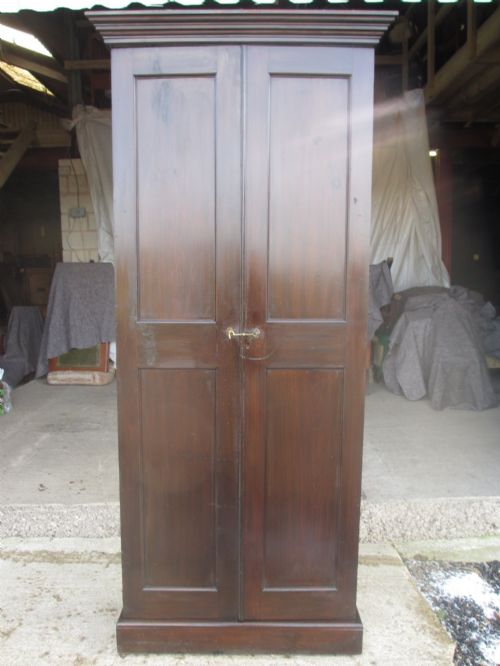
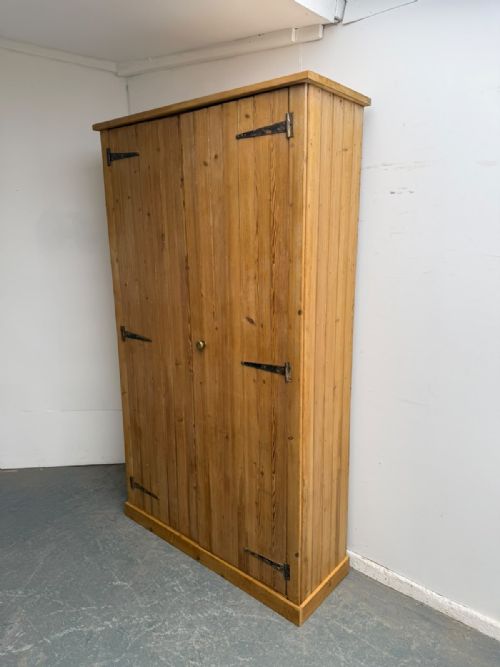
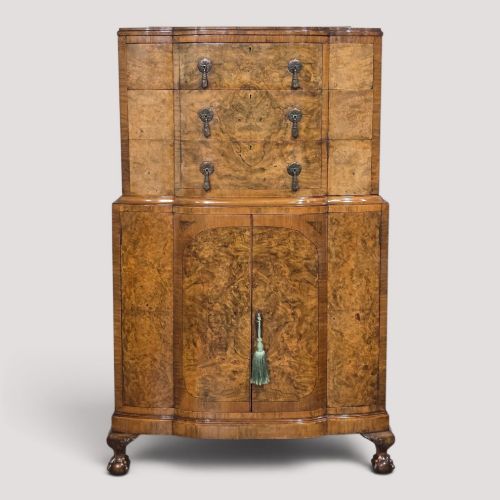
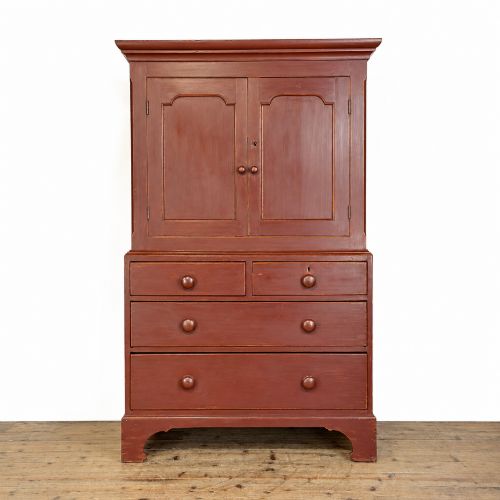

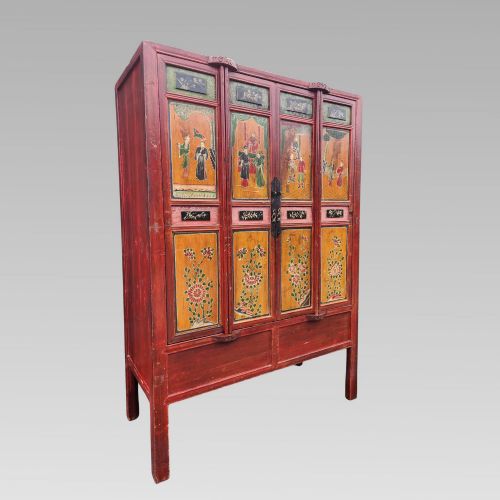
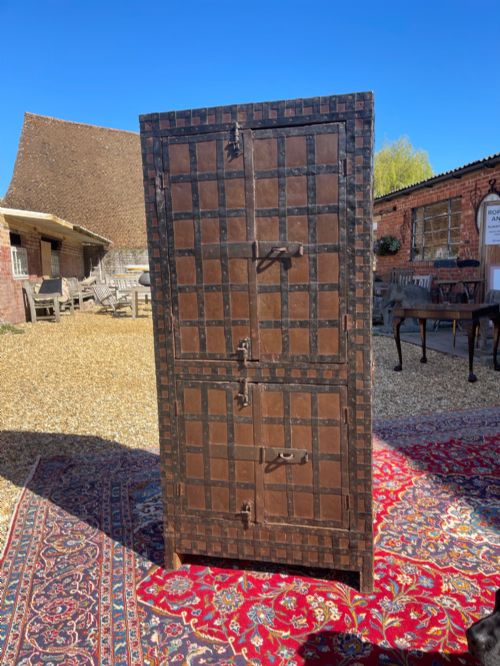


Traditional Tall Storage Armoire
These traditional tall storage armoire pieces are upright timber cupboards built to hold household linens and garments, offering substantial capacity for modern homes.
Traditional Tall Storage Armoire
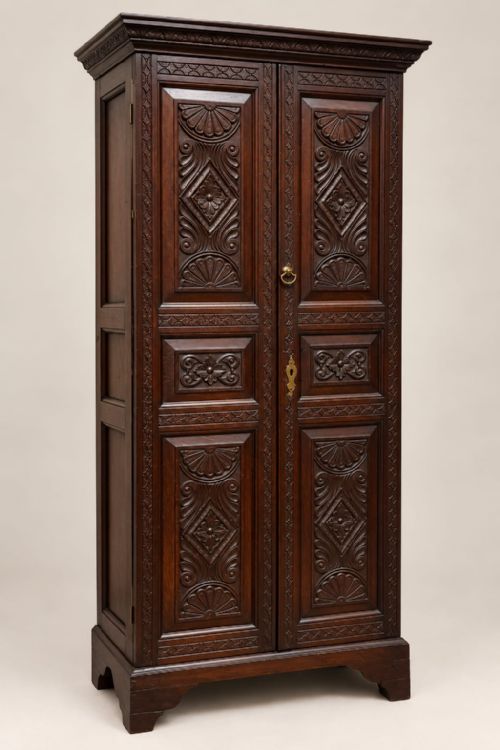
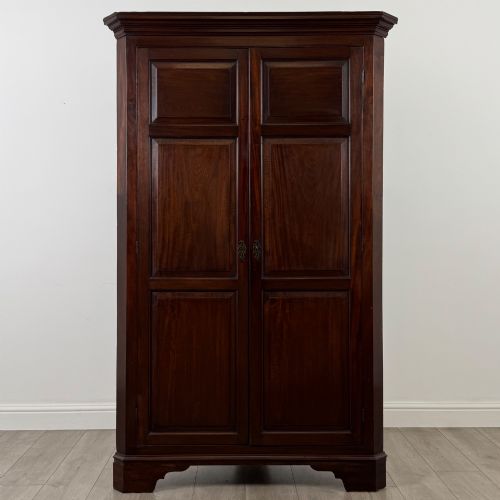
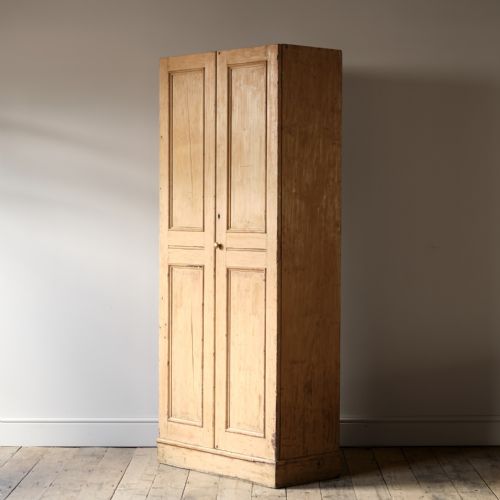
When you search for a traditional tall storage armoire, you find a variety of upright cupboards and presses dating from the eighteenth century through to the early twentieth century. These pieces serve primarily to store linens, clothing, and provisions within domestic spaces.
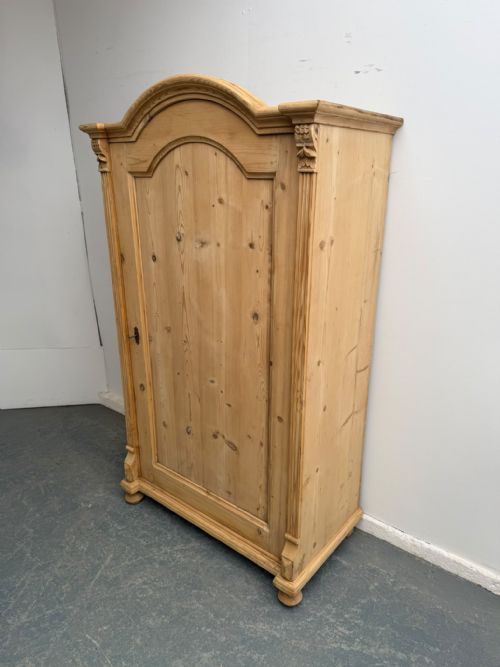
The selections available include regional European examples in pine and oak, alongside distinct international forms such as Chinese marriage cabinets and Indian folk art cupboards. Forms range from corner cabinets and two-door cupboards to tall linen presses and arched storage units.
Pine examples often feature original paint or wax finishes, while eighteenth-century Georgian pieces utilise mahogany. French provincial and Victorian country styles sit alongside Qing Dynasty lacquer work on this page.
Materials and construction methods
Makers built these pieces using solid timbers such as pine, oak, and mahogany, selected for their availability and structural stability. Metal elements like iron and brass provide hinges, locks, and binding straps on utilitarian and folk pieces.
Surface treatments include traditional wax polishing, applied paint finishes, and intricate red lacquer over wood. East European, Swedish, and English workshops employed straightforward joinery to create tall frames capable of supporting internal shelving and hanging space.
Traditional Tall Storage Armoire Retail Price Guide 2026
Typical asking prices for traditional tall storage armoire among the pieces listed under this phrase on Sellingantiques today, from the lower quarter to the upper quarter. They describe what is for sale here now, not the wider market.
Current listings include pieces spanning from the eighteenth century through the Victorian era to 1910, constructed from pine, oak, mahogany, iron, brass, and lacquer.
Factors of quality and execution
Quality rests in the integrity of the timber, the preservation of original painted or lacquered surfaces, and the subtlety of decorative detailing like fine carving or brass hardware. Regional variations show differing levels of joinery sophistication, from vernacular folk art pieces to formal Georgian mahogany cabinets.
The survival of original hardware, feet such as bun feet, and internal shelving affects the integrity of each piece. Surface patination accumulated over centuries distinguishes untouched examples from later restorations.
The Traditional Tall Storage Armoire Glossary
- Linen Press
- A tall cupboard traditionally used for storing household linen, often featuring sliding trays or shelves in the upper section.
- Marriage Cabinet
- A large traditional Chinese cabinet, frequently finished in red lacquer, originally created as a wedding gift to hold valuables and garments.
- Corner Cabinet
- A storage piece designed specifically to fit into the ninety-degree angle of a room, saving floor space while offering vertical capacity.
- Chinoiserie
- European decorative style incorporating Chinese motifs and techniques, seen here on red storage cabinets.
- Bun Feet
- Rounded, slightly flattened spherical feet often found supporting Victorian and earlier case furniture.
Traditional Tall Storage Armoire: Frequently Asked Questions
How were these cupboards used historically?
These tall pieces served primarily in bedrooms, landings, and larders to store folded household linens, garments, and dried provisions.
Their upright proportions maximised vertical storage space in homes before fitted wardrobes became common.
What woods are most common?
Pine is widely found among regional European country pieces, often seen with paint or wax finishes.
Oak and mahogany appear in English, French, and Georgian pieces, while Asian examples utilise native timber beneath layers of lacquer.
How do I date an older cupboard?
Dating relies on timber selection, construction methods, hardware, and surface patination. Georgian pieces show refined mahogany joinery, whereas nineteenth-century vernacular pieces often feature simpler pine or folk art paintwork.
Changes in hinges, locks, and regional styles help narrow the period of manufacture.
Can these fit modern clothing?
Many of these pieces were built for folded linens rather than long modern garments, meaning internal configurations vary.
Some feature fixed shelving, while others offer deeper storage space that can accommodate added hanging rails or baskets.