



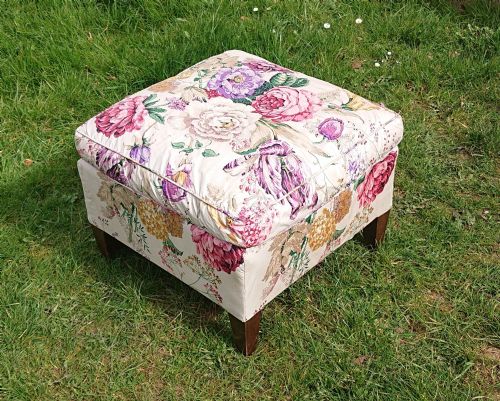


Traditional Square Stool
A traditional square stool offers sturdy utility and classic proportions, anchoring a room with quiet period charm.
Traditional Square Stool
When buyers search for a traditional square stool, they encounter compact seating, footrests, and low tables spanning multiple centuries. These pieces appear as footstools, ottomans, centre stools, and joint stools.
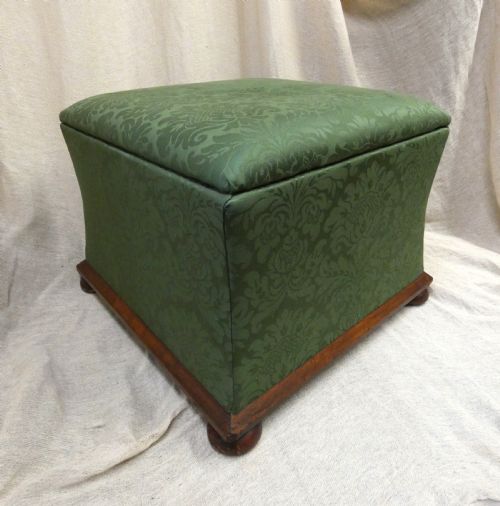
The 19th century and Victorian periods dominate the selections, alongside Edwardian, Georgian, and 18th century examples. Forms range from simple wooden joint stools to large buttoned leather centre stools and caned top tables.
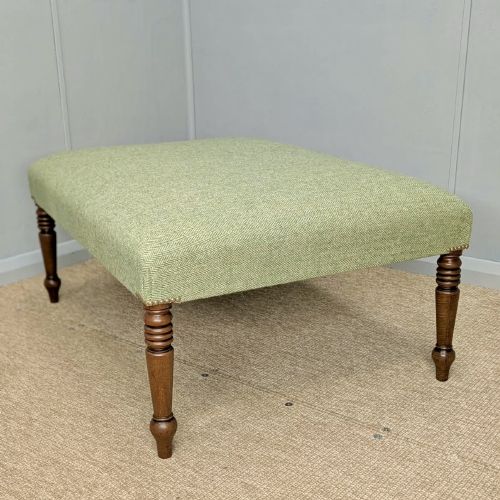
Makers and workshops of the past utilised diverse regional designs, from English country house aesthetics to French chateau styles and Chinese Qing dynasty hongmu stands. Many pieces arrive newly upholstered in materials like herringbone Harris Tweed.
Materials and construction
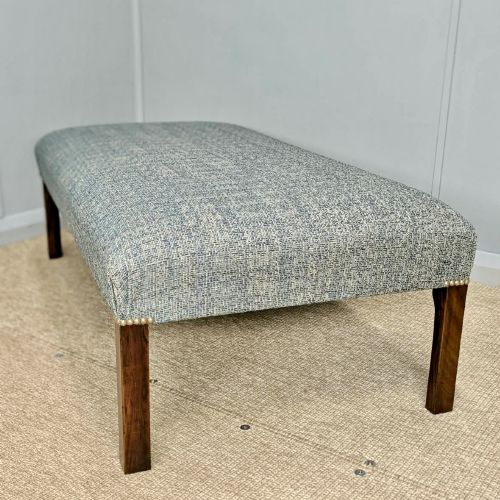
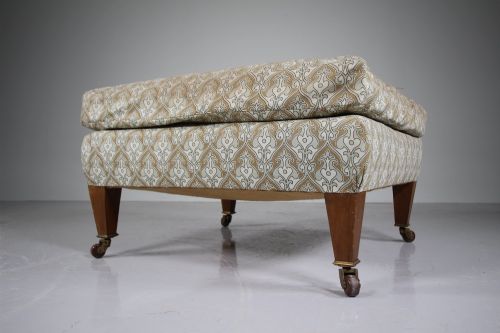
Timbers provide the foundational structure, with mahogany, walnut, oak, and general hardwood shaping the frames and square legs. Brass details sometimes appear on specific stylistic iterations.
Traditional Square Stool Retail Price Guide 2026
Typical asking prices for traditional square stool among the pieces listed under this phrase on Sellingantiques today, from the lower quarter to the upper quarter. They describe what is for sale here now, not the wider market.
Materials recorded across the current selection include mahogany, walnut, oak, brass, leather, fabric, Harris Tweed, and caning.
Assessing quality and character
Quality rests in the choice of timber and the integrity of the frame construction, separating utilitarian pieces from fine cabinet work. Heavier hardwoods like mahogany and walnut indicate superior baseline materials.
The standard of upholstery and the preservation of original or sympathetic fabric choices influence the overall presentation. Pieces associated with notable makers or specific stylistic traditions command greater interest.
Howard and Sons
The Traditional Square Stool Glossary
- Joint stool
- A traditional wooden stool constructed with mortise and tenon joints using wooden pegs rather than glue. These sturdy items date back to earlier centuries and served versatile household roles.
- Hongmu
- A modern Chinese term for dense, fragrant hardwoods used in traditional furniture making. Pieces utilising these timbers display deep natural colours and fine grain patterns.
- Caning
- A weaving technique utilising split rattan or similar plant material to create a patterned mesh surface. This method appears on seat tops and table surfaces to provide a lightweight, breathable panel.
- Ottoman
- A low upholstered seat or footstool typically lacking a back or arms. These padded forms function as movable seating or central room supports.
- Footstool
- A low stool designed specifically for supporting seated feet. They appear in various heights and covering materials across multiple historical periods.
Traditional Square Stool: Frequently Asked Questions
How were these stools used?
These items functioned primarily as footrests, movable seating near fireplaces, or low central tables. Larger variants served as ottomans in reception rooms and country house libraries.
Some pieces with caned tops bridged the boundary between occasional tables and extra seats. Their compact footprints allowed them to move easily around domestic spaces as needed.
What periods do they come from?
The selections span from the 18th century through the Victorian era and into the early 20th century. Examples include Georgian mahogany pieces, 19th-century buttoned leather items, and Edwardian upholstered designs.
Earlier centuries are represented by oak joint stools, while other global traditions appear through Qing dynasty pieces.
Which woods were used?
Cabinet makers utilised timbers such as mahogany, walnut, and oak for structural frames and legs. Hardwood varieties provided the necessary load-bearing strength for frequent domestic use.
Asian pieces utilised dense hongmu timbers, showcasing rich natural grain without relying on applied finishes.
Can I use them as coffee tables?
Sturdy square stools with flat or cushion tops frequently double as low coffee tables in contemporary rooms. Buttoned leather centre stools and caned top variants offer stable surfaces for trays and books.
Their proportions align well with standard upholstery heights, making them versatile alternatives to conventional tables.