




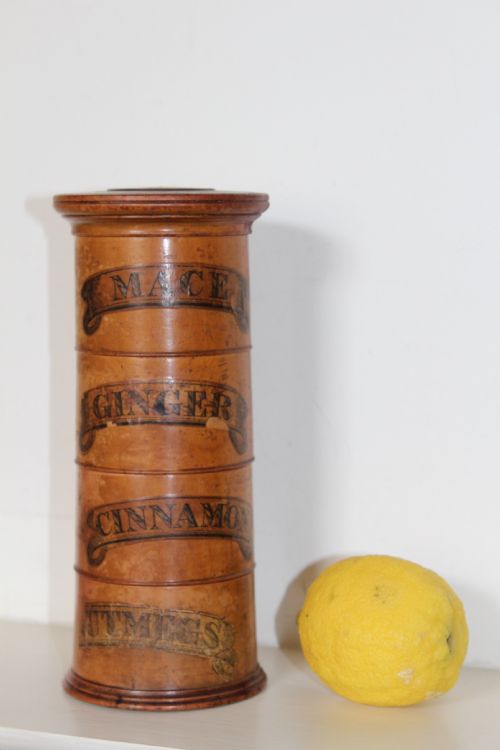

Traditional Spice Box
A traditional spice box organises domestic seasonings with character, bringing centuries of vernacular woodworking and regional colour straight to a kitchen wall or counter.
Traditional Spice Box
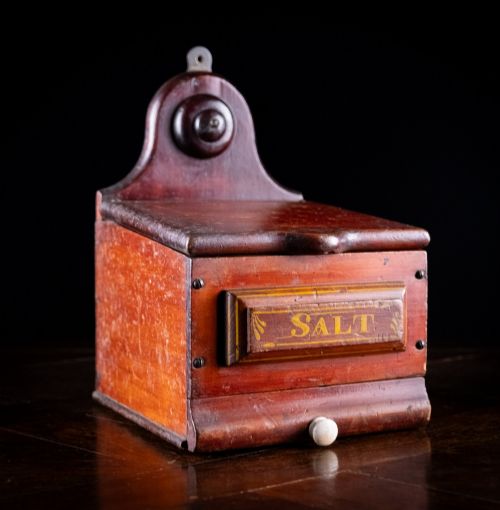
A traditional spice box encompasses utilitarian storage vessels, multi-tiered towers, drawer sets and wall-hanging cabinets designed for culinary ingredients. These objects originate from diverse domestic contexts, spanning British country workshops and international vernacular traditions.
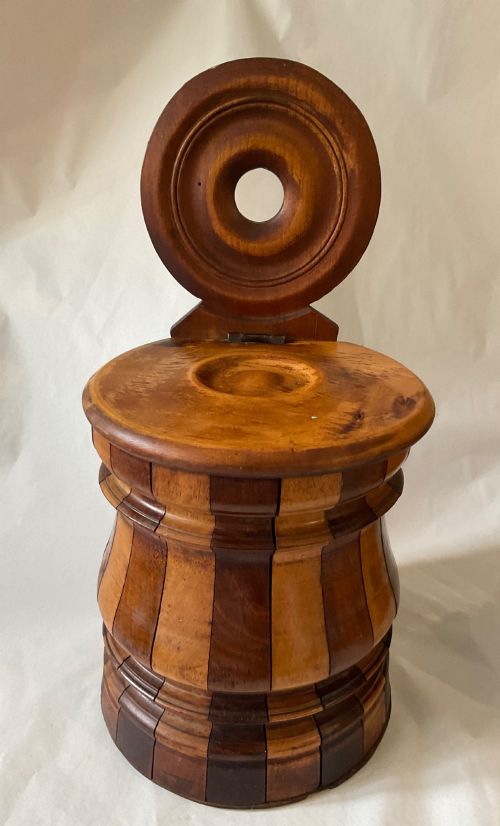
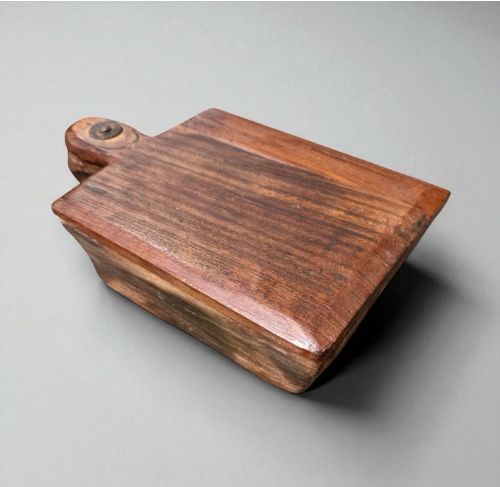
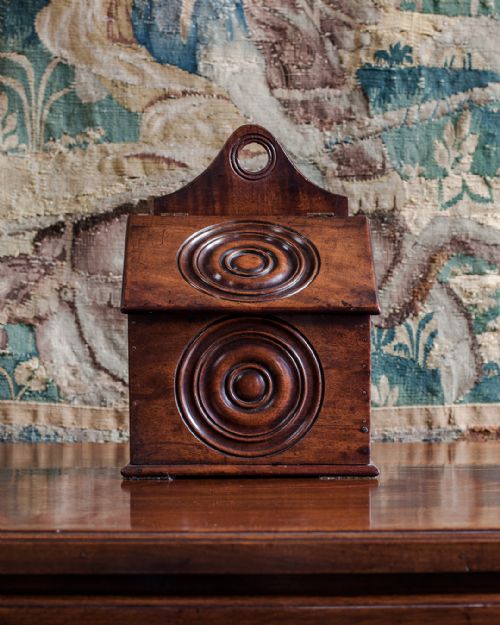
Buyers are most likely to encounter nineteenth century examples, including painted pine wall cupboards, mahogany hanging boxes and turned fruitwood drawers. Indian vernacular pieces in carved hardwood and painted finishes also appear regularly alongside domestic kitchenware.
Forms vary from single-compartment salt containers to stacked towers with four sections and multi-drawer units. These containers reflect the everyday storage needs of historic domestic kitchens across different cultures.
How traditional spice box items were made
Constructed from native and imported timbers, these boxes utilise pine, oak, mahogany, fruitwood, boxwood and mixed timber joined with traditional hardware. Metal fastenings, brass fittings and iron hinges secure the doors, lids and rotating tiers of these storage pieces.
Surface treatments include polychrome paint finishes, decorative hand carving and turned treen work. Makers shaped these domestic objects using hand tools, creating functional compartments through pegged joints, dovetails and layered construction.
Traditional Spice Box Retail Price Guide 2026
Typical asking prices for traditional spice box among the pieces listed under this phrase on Sellingantiques today, from the lower quarter to the upper quarter. They describe what is for sale here now, not the wider market.
Stacked round boxes rotate smoothly to reveal hidden compartments, hiding secret pinches of nutmeg and cinnamon within four painted tiers.
What varies in quality
Quality rests upon the crispness of hand-carved details, the integrity of original painted surfaces and the precision of the joinery. Pieces with intact hinges, sound timber and uncompromised structural elements demonstrate superior vernacular craftsmanship.
The sophistication of the turning work and the complexity of multi-tiered or multi-drawer configurations distinguish standard utility containers from finer decorative examples. Original surface patination and authentic material pairing elevate the standing of an individual piece.
The Traditional Spice Box Glossary
- Treen
- Small handmade wooden household objects created by turning on a lathe or through hand carving. This term covers domestic items like treen spice towers and small containers.
- Vernacular
- Everyday objects made by regional artisans for local domestic use rather than following high-style academic design. These pieces often display practical construction methods suited to rural life.
- Spice tower
- A vertical stack of interlocking or graduated round compartments designed to hold multiple seasonings. These multi-tiered containers maximise storage efficiency on a kitchen counter.
- Fruitwood
- Dense timber harvested from fruit-bearing trees such as pear, apple or cherry, valued for turning and carving small household goods. This material patinates richly with handling over time.
Traditional Spice Box: Frequently Asked Questions
What were traditional spice boxes used for?
These containers held precious culinary seasonings, aromatic powders and medicinal herbs in domestic kitchens before modern mass packaging existed. Households kept them close to the hearth or hung them on walls to protect contents from damp and pests.
Different tiers and drawers allowed cooks to segregate various spices, salt and flavourings for daily meal preparation. Their sturdy construction ensured they survived generations of active kitchen use.
How do I hang a wall spice box?
Wall-hanging pieces typically feature integrated backboards pierced with mounting holes or fitted hanging brackets. Fixing these boxes securely requires matching the weight of the timber and its contents to appropriate wall anchors.
Placement should avoid excessive moisture and direct heat sources to protect historic wood, paint and iron hardware from warping or splitting.
How are different periods identified?
Dating relies on timber selection, construction techniques, tool marks and the style of decorative paint or carving. Nineteenth century pieces often display hand-sawn boards, forged iron hinges and specific regional vernacular traits.
Comparing hardware styles and joinery methods helps separate early nineteenth century examples from later Edwardian reproductions or variations.
How do I clean an antique spice box?
Maintenance requires gentle dusting with a dry, soft cloth to remove surface particles without disturbing historic finishes or dry timber. Liquid cleaners and polishes can damage original painted surfaces, wax layers and aged patination.
Keeping the boxes in stable indoor humidity prevents wood movement that can bind drawers or crack fitted lids.