
Traditional Small Side Table
A traditional small side table brings understated character to a room, offering a practical surface built from dependable timber.
Traditional Small Side Table
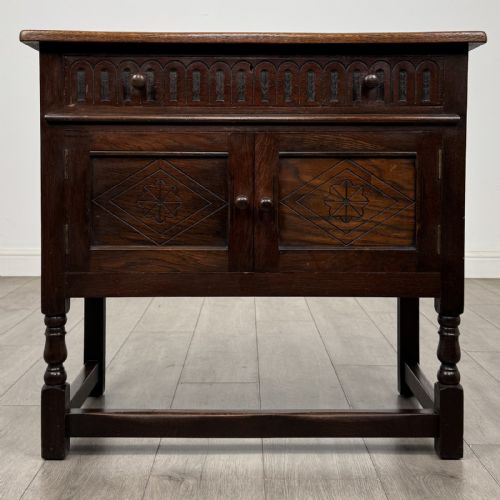
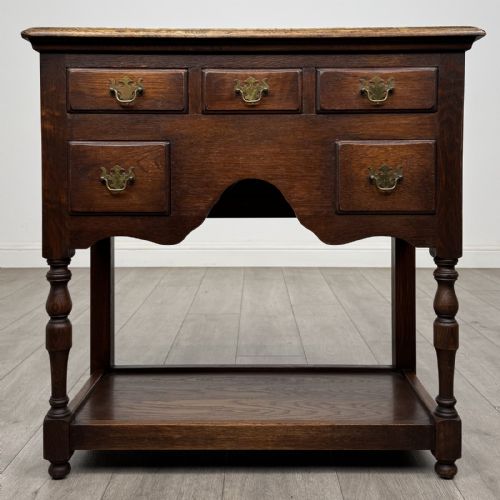
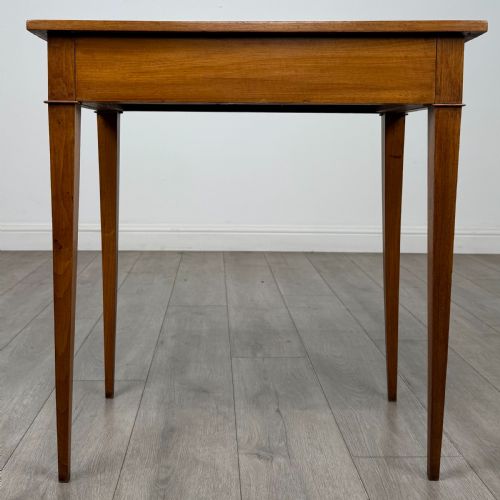
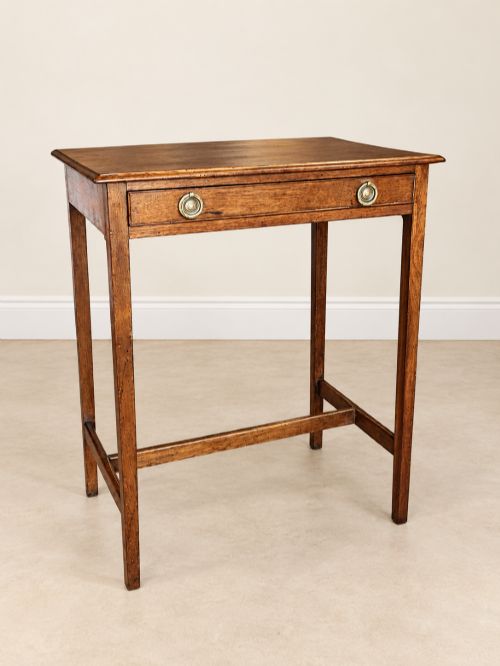
A traditional small side table encompasses a diverse group of compact furniture designed for utility beside a chair, bed or wall. You will frequently encounter forms such as wine tables, lamp tables, nests of tables, and occasional tables spanning the nineteenth and early twentieth centuries.
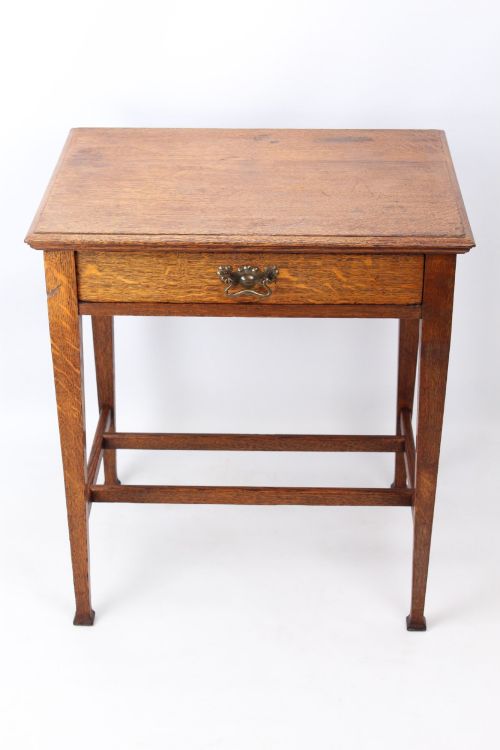
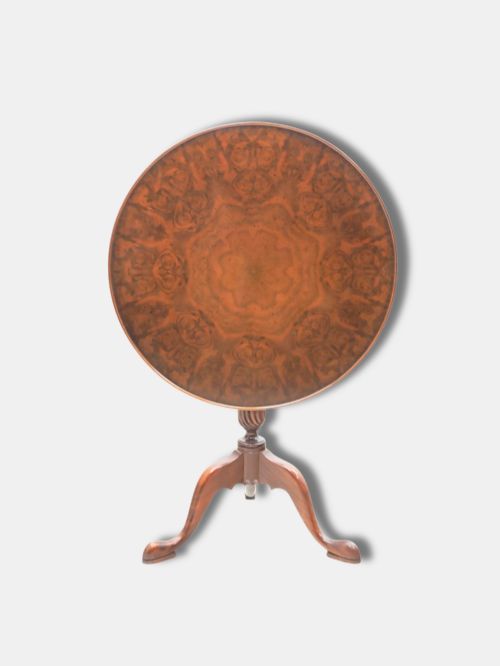
The materials reflect traditional cabinet making, with mahogany, oak and walnut appearing most often in the listings alongside pine, elm, ash and burr walnut. These pieces originate from periods including the Victorian and Edwardian eras, as well as the 1920s and 1930s.
How they were made
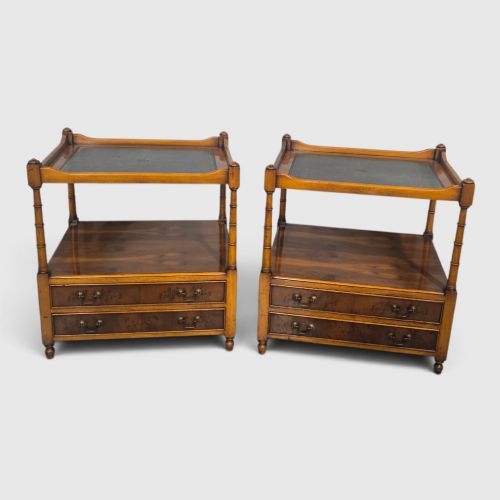
Cabinet makers relied predominantly on solid timbers and veneers of mahogany, oak, walnut and pine, often joined with traditional woodworking joints suited to small proportions. Brass fittings, leather inserts and iron details appear on specific forms like desks and writing tables.
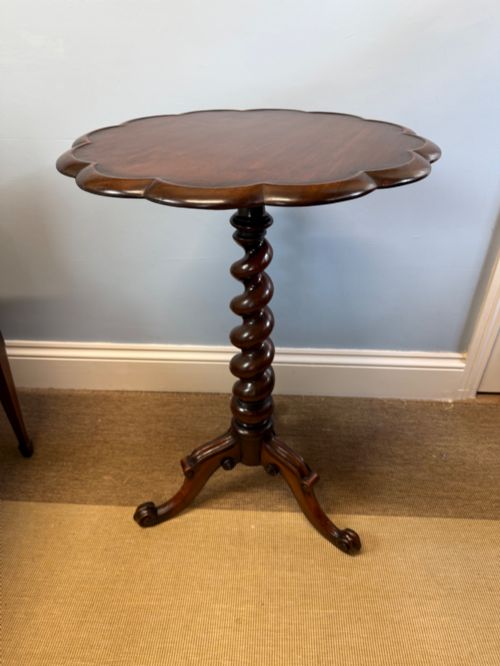
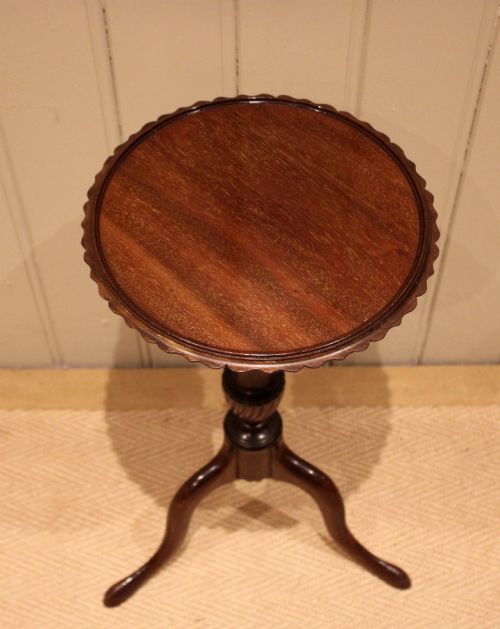
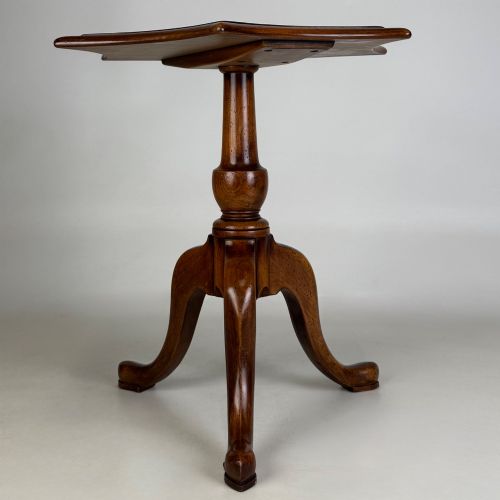
Surfaces were shaped, turned or carved by hand, seen in tripod pedestals, pie crust rims and gateleg frames. Inlays and figured timbers such as burr walnut and pollard oak highlight the decorative ambitions applied to even the most compact occasional pieces.
Materials across the selection range from familiar mahogany and walnut to elm, ash, pine and brass.
What varies in quality
The distinction between standard utility items and finer examples lies in the selection of timber, such as highly figured mahogany or matched burr walnut veneers. Refinement in turning, shaping and decorative inlay work separates simpler provincial pieces from those produced by skilled urban workshops.
Structural integrity depends on the precision of the joinery and the original stability of tripod legs or gateleg folding mechanisms. Original brass hardware and well-preserved surface patination contribute further to the standing of an individual table.
The Traditional Small Side Table Glossary
- Tripod table
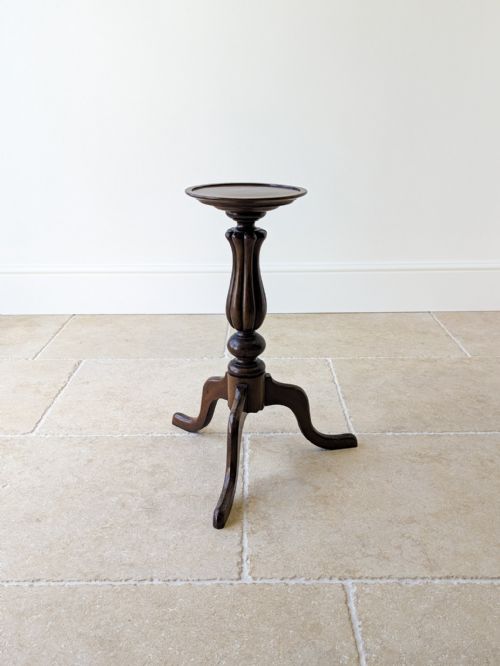
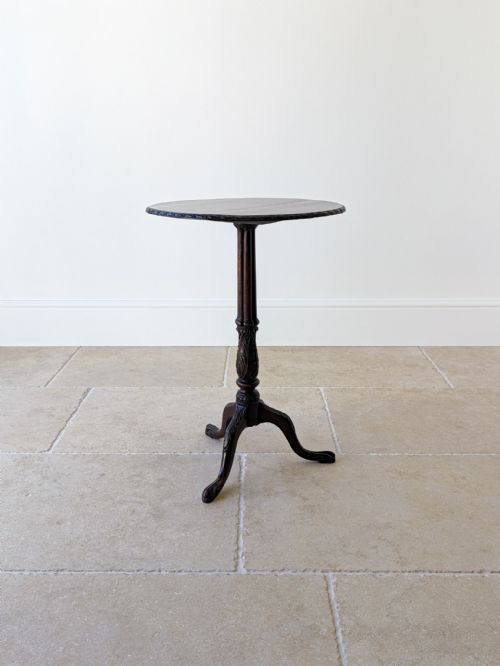
- A small freestanding table supported by a central pillar above three spreading legs. These pieces were easily moved around a room for tea or reading.
- Gateleg table
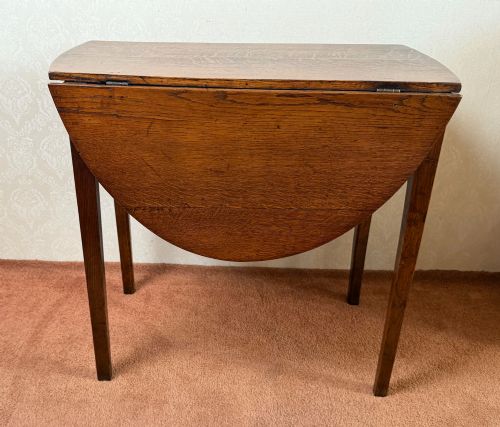
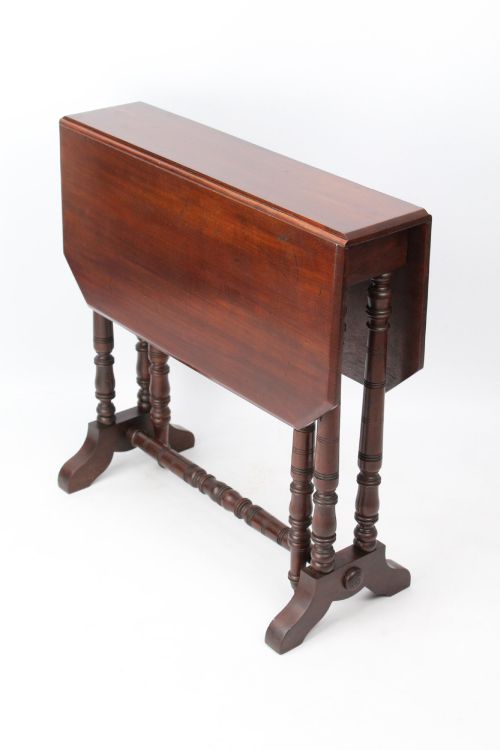
- A table with hinged drop flaps supported by swinging legs that pivot outward like a gate. This design allowed the surface area to expand or contract as needed.
- Nest of tables
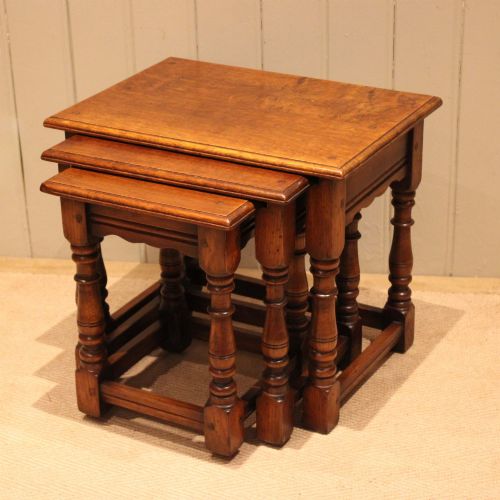
- A set of graduated tables designed to fit neatly beneath one another. They offer multiple surfaces while occupying the floor space of a single small table.
- Wine table
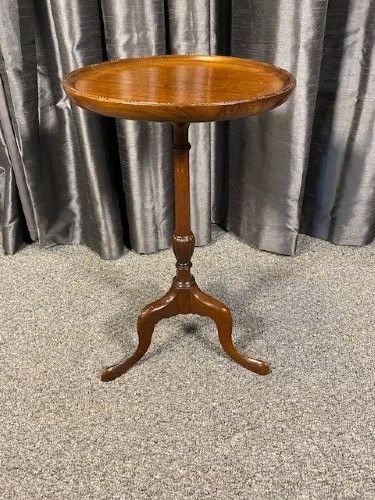
- A compact occasional table traditionally used to hold a glass or bottle. They frequently feature circular tops and slender pillar supports.
- Sutherland table
- A narrow drop leaf table with exceptionally small flaps and slender legs. When folded down, the leaves hang almost vertically to save space.
Traditional Small Side Table: Frequently Asked Questions
What is a traditional small side table used for?
These versatile tables serve multiple functions around the home, acting as stands for lamps, books, drinks or decorative objects. Their compact footprints make them particularly useful beside seating or in smaller rooms where space is limited.
Historically, specific forms were designed for specialised tasks such as serving wine, needlework or holding bedside essentials. Today, they remain adaptable furniture pieces that fit easily into various interior layouts.
How do I identify an Edwardian side table?
Edwardian tables often display lighter timbers and refined proportions, frequently constructed from mahogany or oak with subtle inlay work. The design vocabulary typically draws inspiration from earlier periods while maintaining a lighter aesthetic suited to twentieth-century homes.
Examining the construction methods, secondary woods and wear patterns helps confirm the period. Many pieces from this era also bear simple utilitarian forms designed for everyday domestic use.
Are tripod wine tables stable?
Tripod wine tables rely on three supporting legs to maintain balance on even floors. While their lightweight construction makes them easy to reposition, heavier items should be placed with care.
Many examples feature clever engineering such as tilting or detachable tops attached to birdcage mechanisms. This allows the top to be stored vertically against a wall when not in use.
How do I care for antique timber tables?
Maintaining antique wooden surfaces involves keeping them away from direct heat sources and sudden humidity changes. Regular dusting with a soft, dry cloth preserves the finish without building up heavy chemical residues.
Applying a traditional wax polish occasionally helps nourish the wood and maintain its natural lustre. Avoid placing damp or hot items directly onto the unprotected timber surface.