
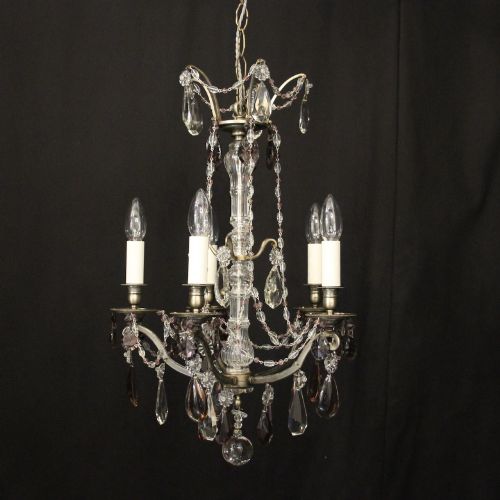
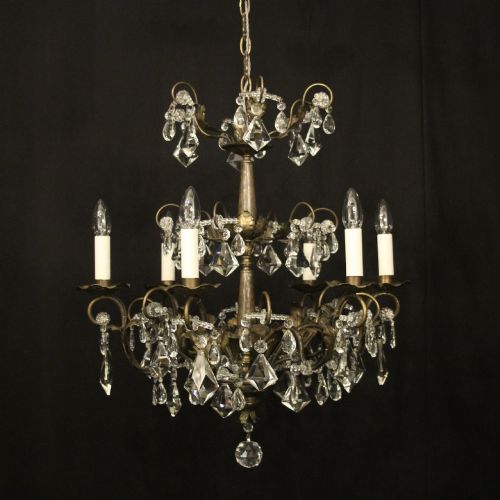


Traditional Silvered Ceiling Fixture
These traditional silvered ceiling fixture examples bring period atmosphere and polished brilliance to a room, offering distinct multi-light illumination rooted in historical styles.
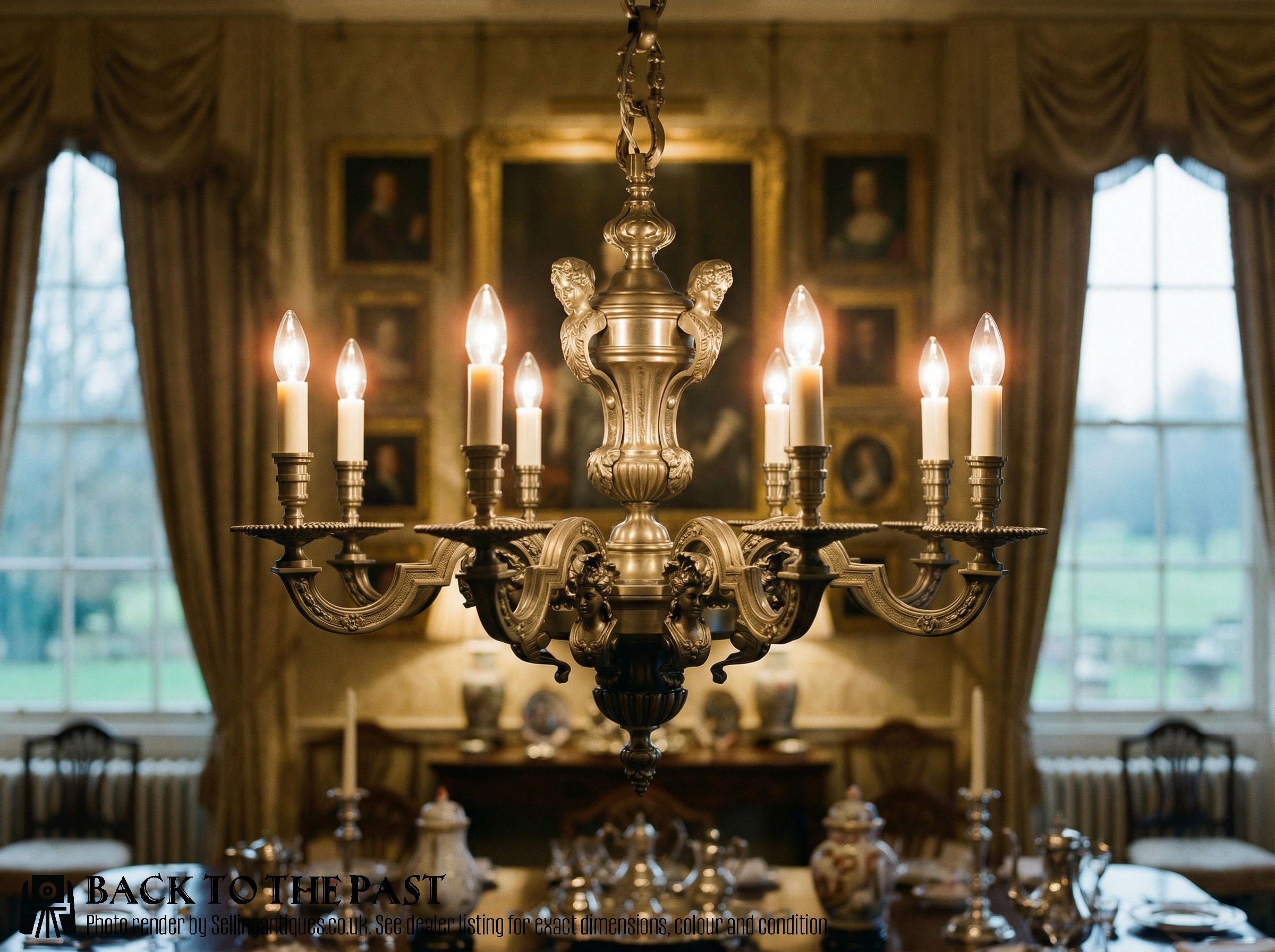
Traditional Silvered Ceiling Fixture
When you search for a traditional silvered ceiling fixture, you encounter a curated selection of overhead lighting spanning multiple historical eras from the nineteenth century through the early twentieth century. These pieces predominantly take the form of chandeliers and pendant lights, designed to anchor a room with functional illumination and distinct period character. The selection draws together diverse stylistic expressions, including French neoclassical, Edwardian, and Italian Florentine designs.
You are most likely to meet multi-light chandeliers featuring six or eight arms, alongside grand fifteen-light examples and simpler pendant lights. The origins span French, English, and Italian workshops, reflecting varied regional approaches to decorative metalwork and glass configuration. This variety ensures that whether you seek an understated Edwardian glass pendant or a substantial multi-armed chandelier, the options cater to different spatial scales and aesthetic preferences.
How they were made
Makers utilised a combination of base metals and applied finishes, frequently employing brass, bronze, and Dutch brass as foundations for silver plating or silver gilding. These metallic structures were then paired with cut glass and crystal components to enhance light refraction across multiple branches and arms. The integration of crystal elements required precise mechanical mounting to secure pendeloques and droplets safely within the overarching metal frame.
Surface treatments range from silvered bronze and silvered metal to silver plating, creating a reflective lustre that distinguished these fixtures from unpolished brass or dark bronze alternatives. Craftspeople shaped the metal arms by hand or through specialised casting methods, depending on whether the piece followed a French chateau aesthetic or a structured Victorian layout. The resulting construction balanced structural load-bearing capacity with intricate decorative detailing along the ceiling canopy and central stem.
Some multi-armed fixtures include billiard lights originally engineered to keep smoke out of players' eyes while illuminating the baize.
What varies in quality
The distinction between standard examples and superior pieces rests largely on the complexity of the metalwork and the purity of the associated glass elements. Higher quality fixtures display finely chased bronze or brass castings with crisp relief work, whereas simpler productions rely on basic stamped or cast components. The depth and durability of the silvered finish also differ significantly, influencing how the metal ages and reflects ambient light.
Another measure of quality involves the scale and integrity of the crystal or cut glass components integrated into the design. Superior chandeliers incorporate heavy, hand-cut crystal drops that retain sharp facets and clear refractive properties, as opposed to machine-pressed glass alternatives. The proportion between the number of lights and the overall armature further determines the visual balance and architectural presence of the fixture.
The Traditional Silvered Ceiling Fixture Glossary
- Chandelier
- A branched ceiling-mounted lighting fixture designed to hold multiple lamps or candles. These pieces serve as primary focal points in larger reception rooms and formal interiors.
- Pendant Light
- A single light fixture suspended from the ceiling by a cord, chain, or metal rod. They offer focused downward illumination compared to multi-armed chandeliers.
- Silver Plate
- A thin layer of silver applied to the surface of a base metal such as brass or copper. This technique provided the appearance of solid silver at a more accessible production cost.
- Gilt Metal
- Metal that has been coated with a thin layer of gold leaf or gold-coloured paint. It frequently appears alongside silvered elements to create contrasting metallic tones within a single fixture.
Traditional Silvered Ceiling Fixture: Frequently Asked Questions
What periods do these fixtures cover?
The listings encompass items originating from the nineteenth century, Victorian era, Edwardian period, and early twentieth-century dates up to nineteen thirty. Each period introduces specific stylistic tendencies, ranging from ornate Florentine forms to restrained Edwardian glass pendants.
Makers across England, France, and Italy interpreted these historical movements differently, utilising local materials like Dutch brass and silvered bronze. Examining the structural form and decorative motifs helps identify the broad era of production.
How do chandeliers and pendants differ?
Chandeliers feature multiple arms radiating from a central stem to support several light sources, creating broad illumination suitable for larger spaces. Pendant lights typically suspend a single light point beneath a glass shade or canopy, offering a more compact overhead solution.
Both formats utilise similar silvered metal and crystal construction techniques but serve different functional roles within interior architecture. Choosing between them depends on the ceiling height and the scale of the room.
What materials make up the surface finishes?
Surfaces are commonly finished in silver plate, silver gilding, or applied silvered bronze over a base of brass or metal. These treatments produce a reflective, luminous exterior designed to catch and multiply light from internal bulbs.
Associated elements often include cut glass and crystal drops that complement the metallic body. The combination of silvered surfaces and glass was a defining characteristic across multiple European workshops during these decades.
Where were these lighting fixtures made?
Originating workshops are primarily documented across France, England, and Italy, reflecting distinct regional design vocabularies. French pieces often lean towards neoclassical or chateau styles, while Italian examples frequently incorporate Florentine or Genoa motifs.
English production during the Edwardian and Victorian eras favoured structured cut glass pendants and silver-plated brass frames. These geographic origins dictate the underlying ornamentation and metalworking traditions found on each piece.