


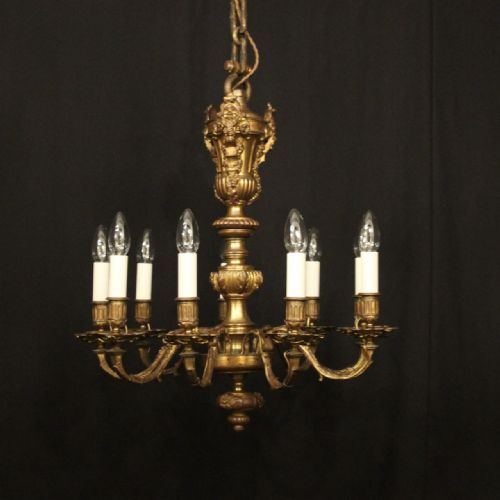


Classical Bronzed Chandelier Hanging
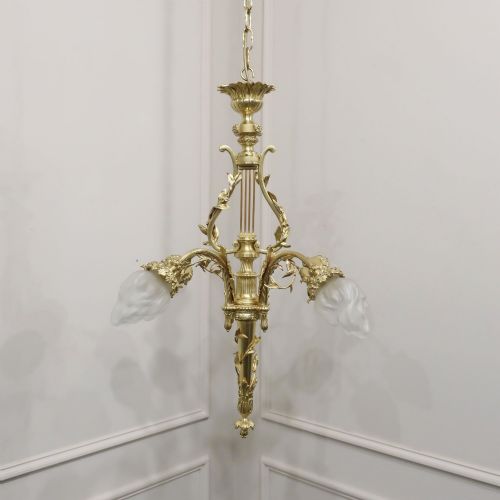
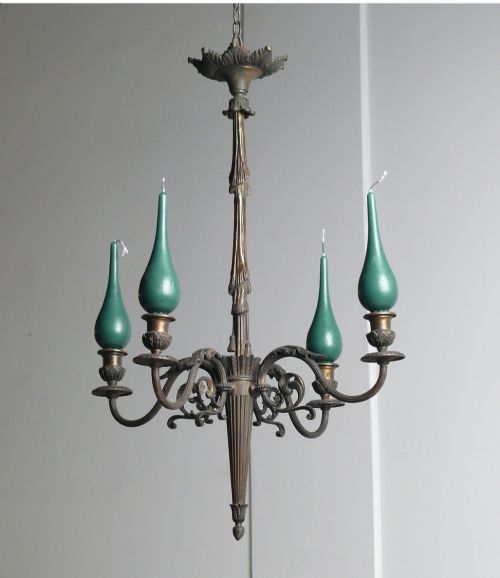
These classical bronzed chandelier hanging fixtures bring French Empire and Neoclassical grandeur to high ceilings with heavy cast metal and glass.
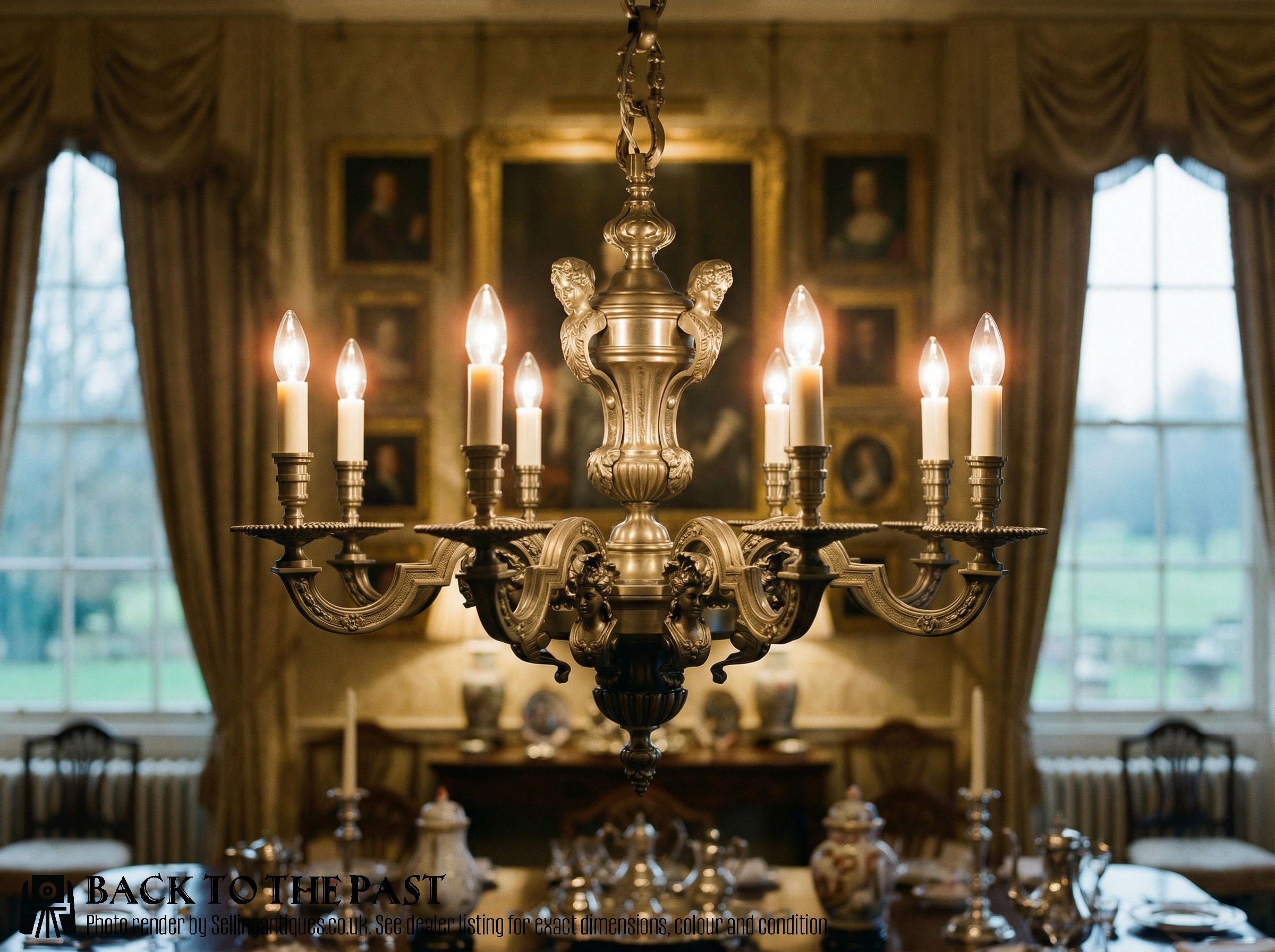
Classical Bronzed Chandelier Hanging
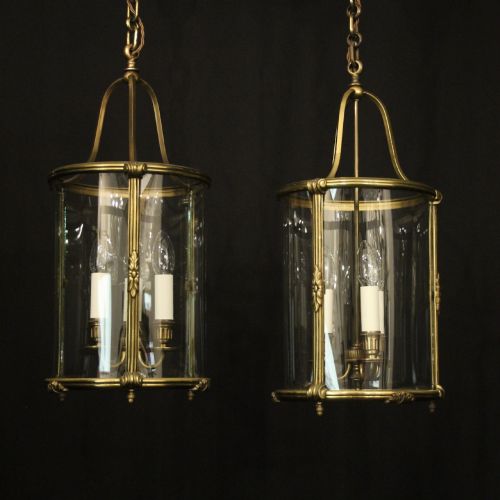
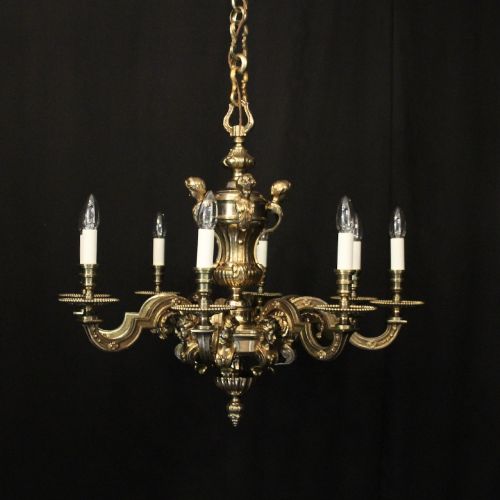
When you search for a classical bronzed chandelier hanging, you are looking at substantial lighting fixtures rooted in French Neoclassical, Baroque Palladian, and French Empire styles. These pieces range from grand multi-tiered chandeliers with numerous lights to convex hall lanterns designed for prominent entranceways.
The versions you are most likely to meet on this page hail predominantly from the nineteenth and early twentieth centuries, spanning periods from the 1890s through to the 1930s. They originate largely from French workshops and encompass heavy cast forms alongside ornate lyre designs and gilded metalwork.
Forms vary from single-tier multi-light chandeliers to imposing double-tiered structures and paired lanterns. Their presence relies on heavy metal frames combined with glass elements, designed to anchor formal rooms and grand halls with historical weight.
How they were made
Construction centres on heavy bronze and brass castings shaped into elaborate arms, tiers, and frames. Metalworking techniques of the period involved skilled casting to achieve crisp architectural details and sculptural forms like the classical lyre.
Finishes applied to the metal include gilt bronze, gilded bronze, silvered bronze, and traditional dark bronze patination. Many pieces combine these metallic surfaces with clear glass components to diffuse and reflect the light from multiple candle or bulb tiers.
Every heavy bronze chandelier hanging secretly harbours an electrician's silent prayer about nineteenth-century ceiling joists.
What varies in quality
Quality rests in the crispness of the metal casting and the depth of the chased surface details. Superior examples display sharply defined ornamentation and substantial weight, whereas lesser pieces can feel more uniform or lack sculptural articulation.
The sophistication of the finish marks another distinction, from rich, layered gilding and silvering to straightforward patination. The integration of glass elements and the complexity of multi-tiered arm arrangements further separate standard production from exceptional work.
The Classical Bronzed Chandelier Hanging Glossary
- Bronze
- An alloy consisting primarily of copper, traditionally used for casting durable and detailed sculptural light fittings. It takes patination and gilding exceptionally well.
- Ormolu
- Gilded bronze produced by applying a mercury and gold amalgam to the metal surface and heating it. This technique yields a distinctively rich, matte gold finish.
- Neoclassical
- A style drawing inspiration from the classical art and architecture of ancient Greece and Rome. It relies on symmetry, restraint, and classical motifs such as urns and lyres.
- Baroque Palladian
- An architectural and decorative style characterised by grand scale, dramatic ornamentation, and classical symmetry. Pieces in this style often feature robust proportions and heavy casting.
- Convex lantern
- A hanging light fixture featuring curved glass panels that bulge outward. This shape disperses light widely and was traditionally favoured for hallways and vestibules.
Classical Bronzed Chandelier Hanging: Frequently Asked Questions
Where should I hang a bronze chandelier?
These large fixtures suit high ceilings in entrance halls, formal dining rooms, and drawing rooms where their substantial weight and multi-light format can dominate the space.
Ensure the ceiling height and structural support can accommodate heavy cast metal chandeliers safely before installation.
How do I date a bronze chandelier?
Dating relies on stylistic clues like the shift from nineteenth-century Empire Revival motifs toward Edwardian and 1930s interpretations. Examining the casting quality and mounting hardware also helps place the piece within its historical era.
Makers often drew on French design traditions across decades, making the specific combination of materials and electrical conversion evidence useful indicators of age.
What is the difference between a chandelier and a hall lantern?
Chandeliers typically feature branching arms designed to hold multiple exposed lights radiating from a central stem. They are built to illuminate large open rooms.
Lanterns enclose the light source within glazed panels, such as convex glass, and are traditionally hung in corridors, stairwells, and entrance vestibules.
How do I care for gilt bronze finishes?
Gilt and gilded bronze surfaces require gentle dusting with a soft brush to prevent accumulation without disturbing the historic finish. Avoid abrasive metal cleaners that can strip away original patination or gilding.
Professional conservation is recommended for deep cleaning to preserve the integrity of nineteenth and early twentieth-century metalwork.