






Traditional Screen
A traditional screen divides a room or protects a hearth, bringing layered craftsmanship and historic texture directly into domestic spaces.
Traditional Screen
A traditional screen serves to divide interior spaces or shield rooms from hearth heat, taking the form of folding room dividers and protective fire screens. These pieces span multiple panels and rigid frames designed to stand independently on floors or hearths.
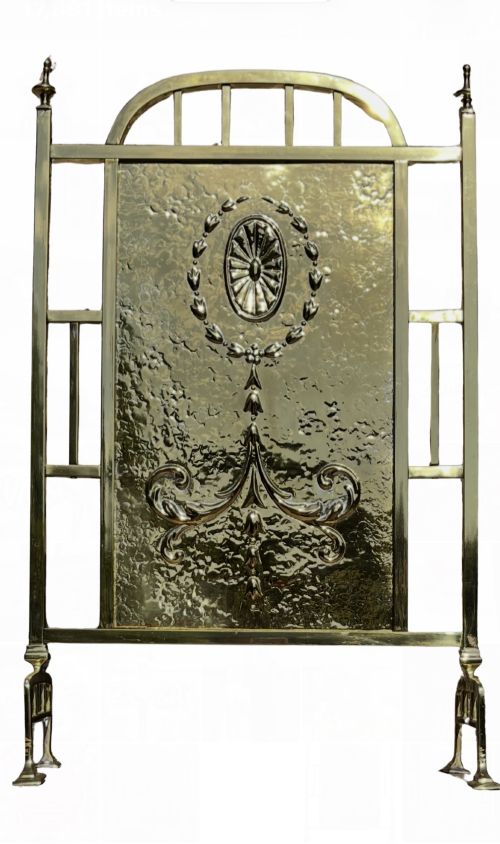
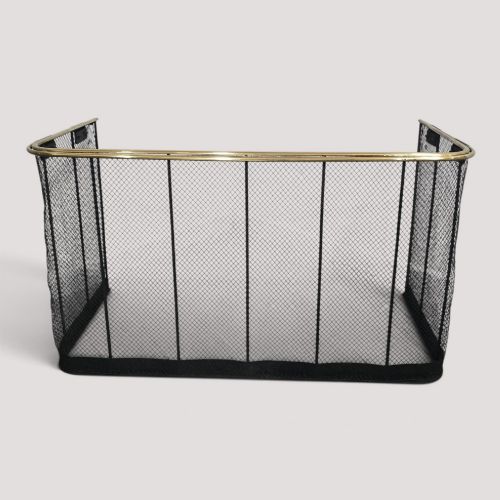
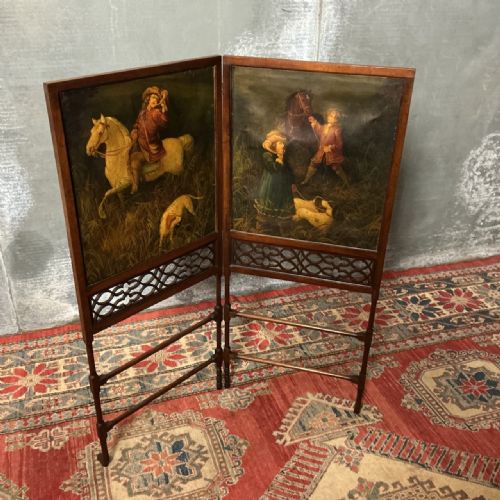
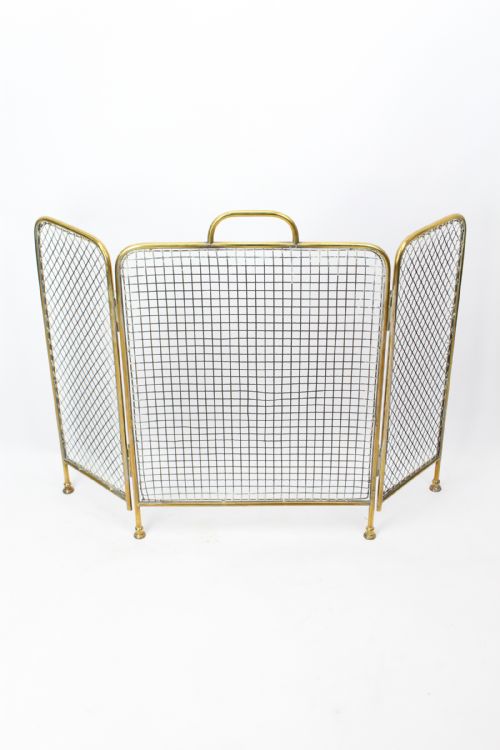
The version most commonly met on this page is the multi-fold room divider or the brass and wire mesh fire screen. Examples range from Victorian brass spark guards to Chinese lacquered folding screens and Edwardian mahogany sets.
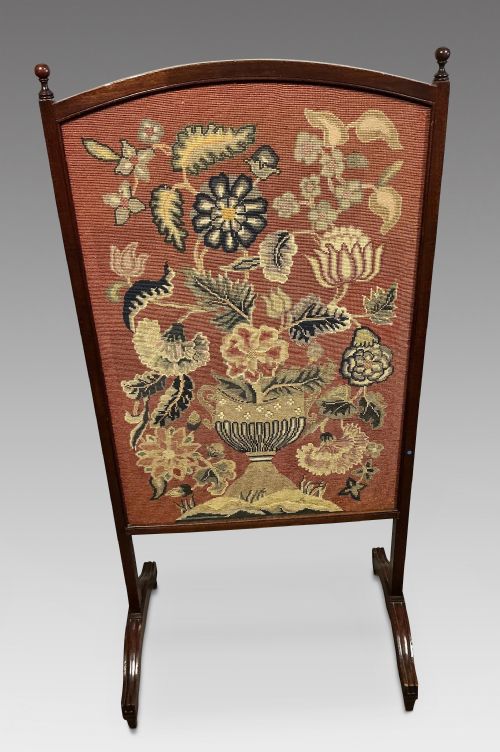
Origins stretch across British domestic eras and international traditions, including Chinoiserie, Persian Revival, and Anglo-Indian designs. Buyers encounter everything from country house tapestry panels to heavy wrought iron nursery fenders.
How they were made
Construction relies heavily on sturdy frames formed from mahogany, hardwood, brass, and wrought iron. Wood and metal provide the structural skeleton for folding panels and protective spark guards alike.
Surface treatments and infills incorporate lacquer, canvas, wire mesh, silk embroidery, and oil paintings. Artisans applied carved detail, decoupage, scrap work, and intricate fretwork to finish the panels.
Traditional Screen Retail Price Guide 2026
Typical asking prices for traditional screen among the pieces listed under this phrase on Sellingantiques today, from the lower quarter to the upper quarter. They describe what is for sale here now, not the wider market.
Materials recorded across the inventory include brass, mahogany, lacquer, wire mesh, iron, hardwood, and canvas.
What varies in quality
Quality reveals itself in the depth of carving, the precision of the joinery, and the richness of the surface finish. Fine examples feature hand-carved details, smooth hinge action across multiple folds, and carefully executed lacquer or embroidery.
Materials dictate distinction, moving from utilitarian iron mesh guards to substantial hardwood frames with detailed panels. Superior pieces display harmonious proportions and intact artistic elements across every fold.
The Traditional Screen Glossary
- Fire screen
- A decorative or protective barrier placed in front of a fireplace to block heat or contain sparks. These items often feature glass, tapestry, or metal mesh panels.
- Coromandel lacquer
- A Chinese folding screen technique involving multiple layers of dark lacquer carved to reveal contrasting colours underneath. It provides deep relief and rich surface texture.
- Nursery fender
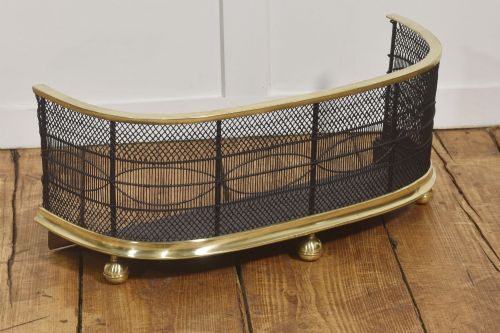
- A low metal guard placed around a hearth to keep children at a safe distance from the fire. They frequently include wire mesh and integrated rails.
- Spark guard
- A fine wire mesh screen designed to catch embers escaping from an open hearth. They are typically framed in brass or iron.
- Decoupage
- The art of decorating a surface by applying paper cutouts and sealing them with layers of varnish. Victorian examples often utilise scrap work images.
Traditional Screen: Frequently Asked Questions
How do I choose between a room divider and a fire screen?
Room dividers are tall, multi-panel folding pieces intended to partition living spaces and display decorative motifs. Fire screens are smaller, single panels or guards designed specifically for hearth placement.
Consider the scale of the room and the intended function when selecting a piece. Taller screens anchor open spaces, while hearth guards add focal detail to mantel settings.
What materials were used in antique screens?
Frames are commonly constructed from mahogany, hardwood, brass, and wrought iron. Panels utilise canvas, lacquer, wire mesh, silk embroidery, and oil paintings.
Different eras favoured distinct combinations, such as Victorian brass wirework or Chinese lacquered wood. These materials dictate the weight and placement of each piece.
How do I date a traditional screen?
Dating relies on stylistic markers, construction techniques, and materials characteristic of specific periods like the Victorian or Edwardian eras. Fretwork, lacquer methods, and hardware styles offer reliable chronological clues.
Examine the hinges, framing joints, and surface decoration to understand the manufacturing period. Country house pieces often reflect the prevailing interior trends of their decade.
Can folding screens support heavy daily use?
Folding screens require careful handling, particularly multi-fold panels with intricate hinges or delicate lacquer surfaces. They stand independently but benefit from stable placement away from heavy traffic.
Heavier iron and brass fire guards endure frequent hearth use, while decorative painted or embroidered panels need gentle treatment to preserve the textile and paint.