




Traditional Scandinavian Folk Art
Traditional Scandinavian folk art brings warmth and handcrafted character to a room through painted pine and turned wood.
Traditional Scandinavian Folk Art
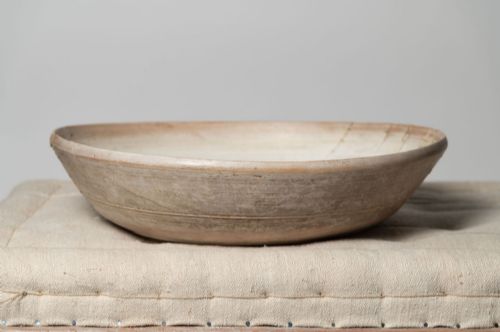
Traditional Scandinavian folk art encompasses domestic objects and furniture made for everyday rural life across Sweden, Norway, and the wider Baltic region. Buyers seeking traditional scandinavian folk art frequently encounter pine chests, painted boxes, armchairs, and dairy bowls originating from the nineteenth century.
The inventory ranges from small handheld items like spoons and woven baskets to larger storage furniture including cupboards, coffers, and armoires. These domestic items reflect regional traditions of craftsmanship and utilitarian design.
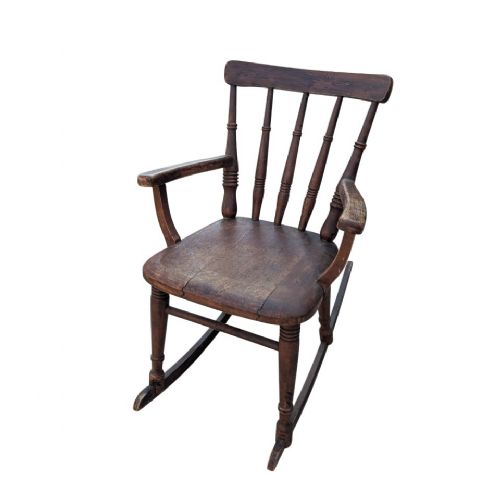
Seating forms such as rocking chairs, benches, and child cradles appear alongside decorative storage containers like tine boxes and shaped boxes on stands. Each piece demonstrates how functional domestic objects received careful embellishment.
How traditional scandinavian folk art was made
Maker communities relied predominantly on locally sourced softwoods and hardwoods, particularly pine, birch, and oak. Carpenters shaped these timbers using basic hand tools, often combining carved wood with flexible materials like wood splint and woven plant fibres.
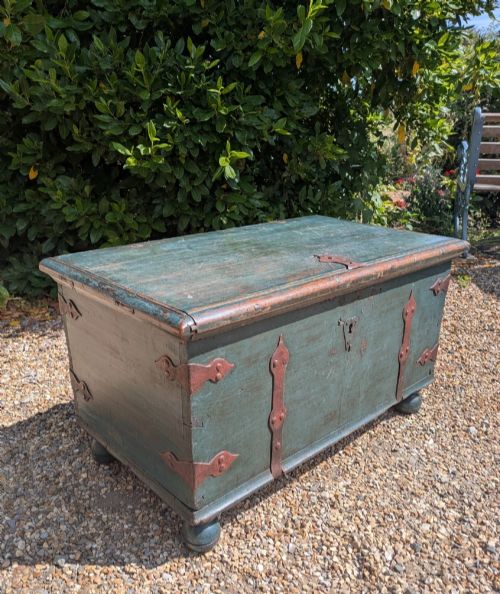
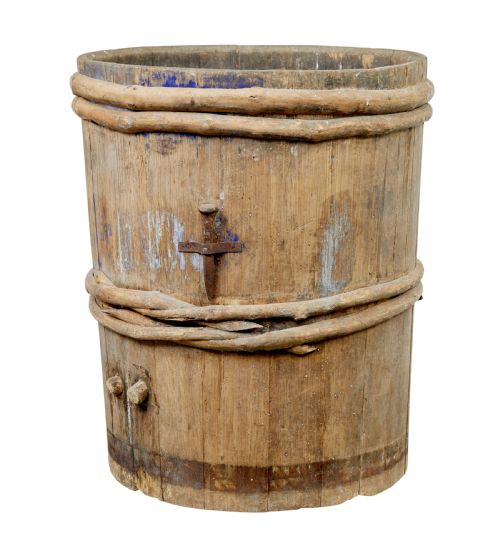
Iron details such as hand forged strapwork provided structural reinforcement and hinges for heavy storage chests. Craftspeople also utilised animal materials, demonstrated by items incorporating goat horn or leather sheaths.
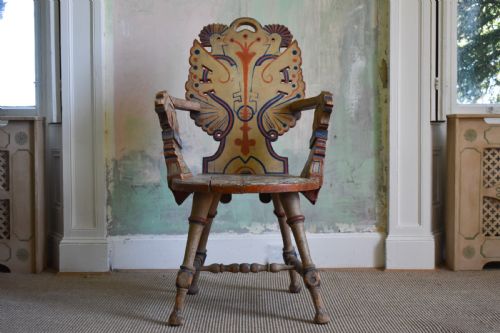
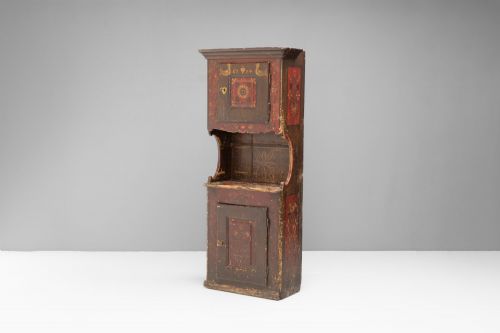
Surfaces frequently received applications of paint, creating colourful finishes that survive in original states on many items. Artisans additionally applied fine engraving and needlework techniques, such as pillow embroidery and nalbound stitching.
Listings feature items spanning the Georgian, Victorian, and early twentieth-century periods, constructed primarily from pine, birch, and wrought iron.
What varies in quality
Quality rests heavily on the survival of original decorative paint surfaces and the crispness of hand carving. Pieces retaining their initial polychrome schemes or distinct engraved details hold greater visual impact than those with stripped or heavily restored exteriors.
Construction methods also dictate standing, with pegged joints and neatly forged iron strapwork demonstrating superior domestic joinery. The balance of proportions in turned chairs and shaped boxes separates standard utility items from finer domestic commissions.
The Traditional Scandinavian Folk Art Glossary
- Pine
- A softwood commonly used throughout rural Scandinavia for furniture, chests, and domestic implements. It took paint well and provided a stable canvas for regional decoration.
- Tine
- A traditional Norwegian bentwood wooden box with fitted lids, often used for storing food. These cylindrical containers frequently feature original painted exterior decoration.
- Rya
- A traditional Scandinavian knotted pile rug or textile. Early examples provide decorative warmth with deep pile textures.
- Nalbound
- An ancient single-needle loop-binding technique used to create durable textiles and strainers before the widespread adoption of knitting. It produces a dense and resilient fabric structure.
- Gustavian
- A Swedish neoclassical design style originating in the late eighteenth century and extending into the nineteenth. It combines lighter painted finishes with restrained classical proportions.
Traditional Scandinavian Folk Art: Frequently Asked Questions
How do I spot original paint?
Original paint surfaces display natural wear patterns, craquelure, and stable adhesion to the underlying pine timber without modern chemical stripping or overpainting. Close inspection under natural light reveals age-appropriate patination and traditional pigment tones.
Repainted surfaces often look uniform or conceal the grain texture of the wood beneath. Genuine older layers show subtle variations where hands touched the object over generations of daily use.
What is a tine box?
A tine box is a traditional Scandinavian bentwood container featuring a carved wooden body with overlapping sides secured by stitching or pegs. These lidded vessels served practical storage roles in rural households.
Many surviving examples display intricate carved or painted folk motifs on the exterior surface. They were historically used to carry food or store precious household items.
How were these pine chests used?
Pine chests and coffers served as primary storage units in rural Scandinavian homes for textiles, blankets, and dowry items. Their sturdy construction allowed them to double as benches or tables within smaller dwellings.
Fitted with hand-forged iron strapwork for security, these trunks protected valuable linens from pests and moisture. Painted exterior finishes identified the household or marked special family occasions.
Are these pieces dated?
Many traditional Scandinavian items bear carved or painted dates alongside maker initials, particularly on blanket boxes, cupboards, and textile works like embroidered pillows. These inscriptions record the year of creation or a marriage event.
Unsigned items are attributed through stylistic indicators, construction techniques, and regional paint palettes common to specific nineteenth-century periods. Structural clues like hand-cut nails help confirm the era.