

Traditional Rush Seat
Traditional rush seat pieces bring honest vernacular craft into domestic spaces through woven seating and turned timber frames.
Traditional Rush Seat
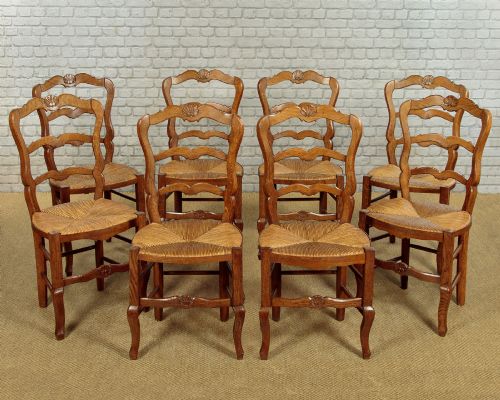
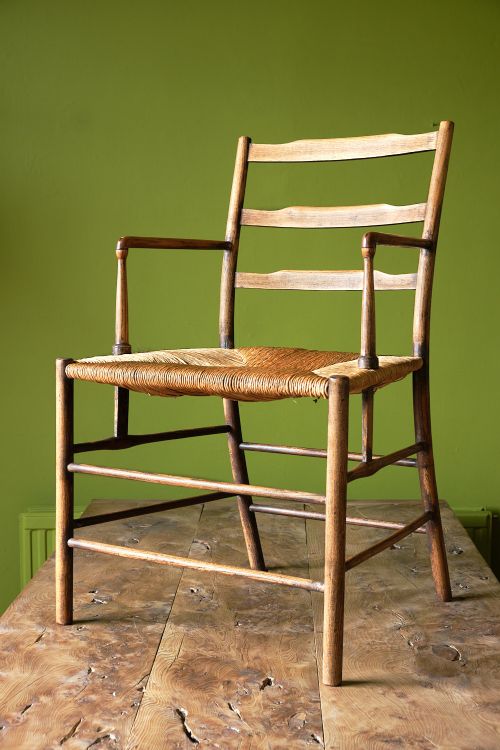
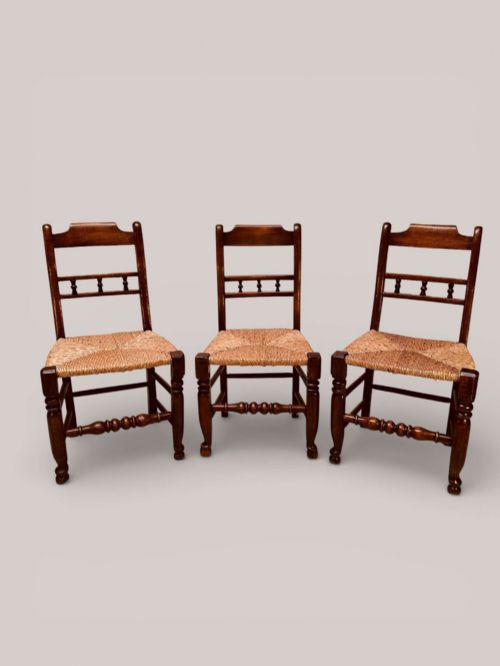
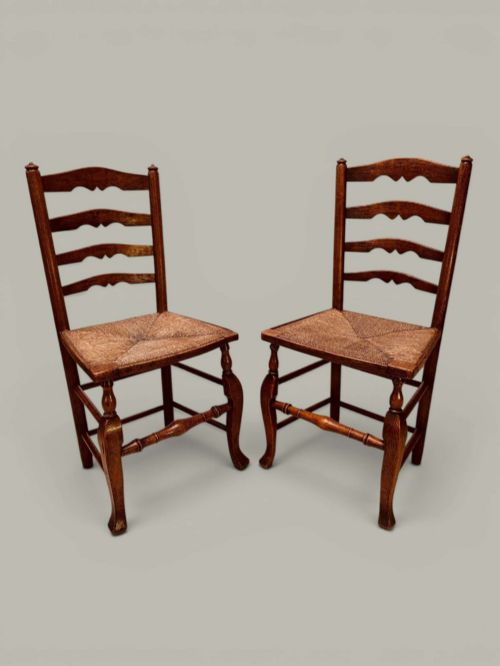
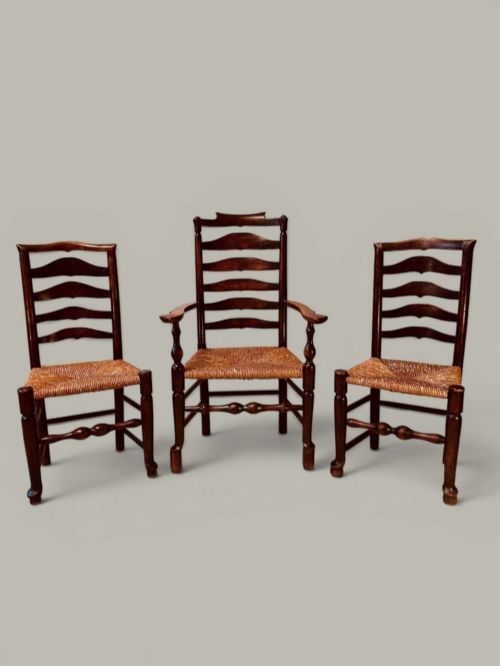
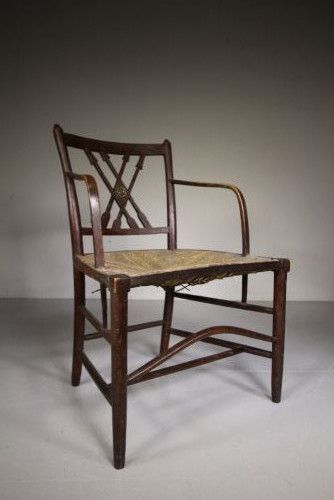
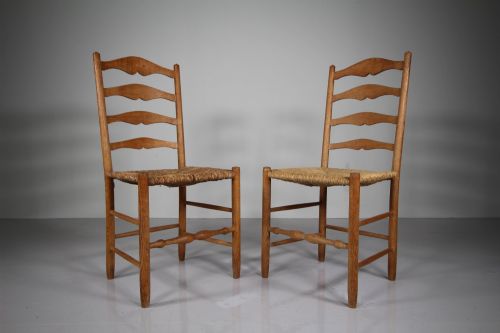
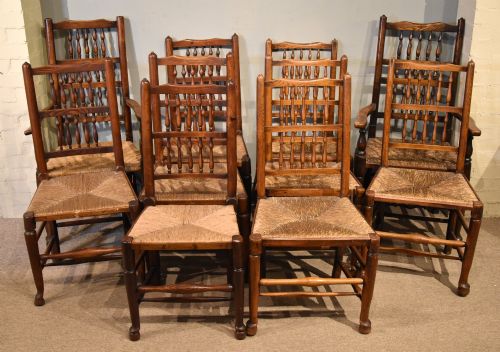
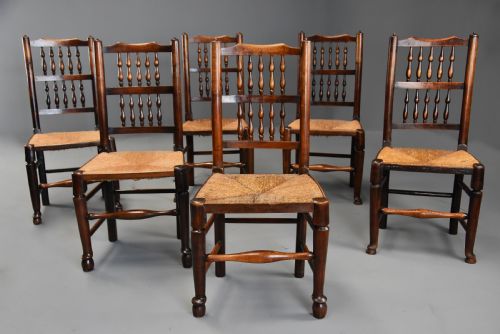
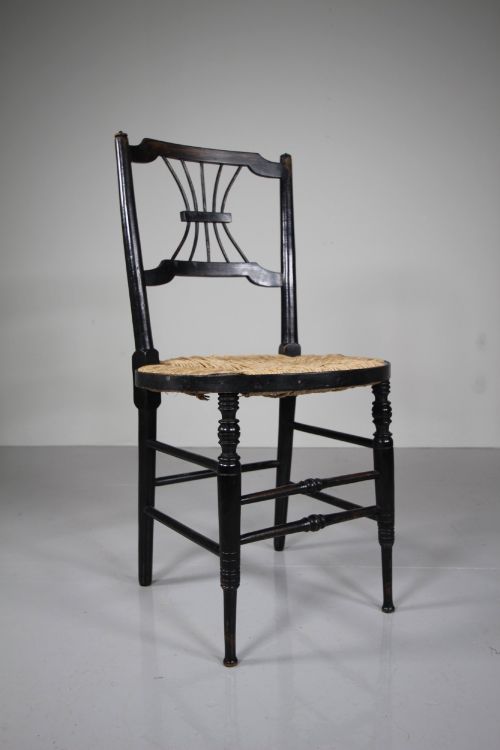
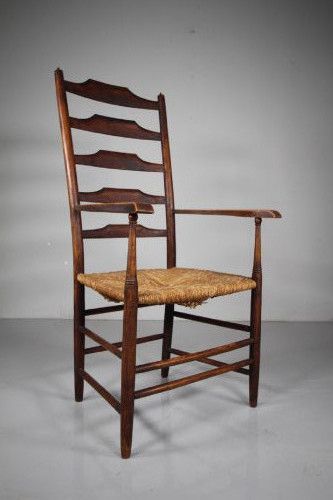
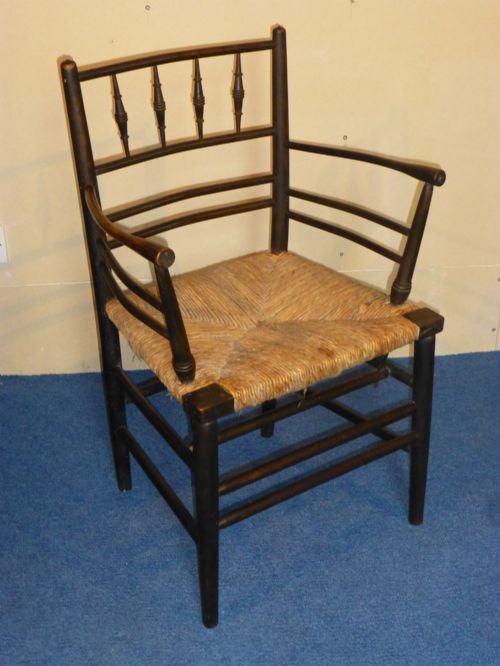
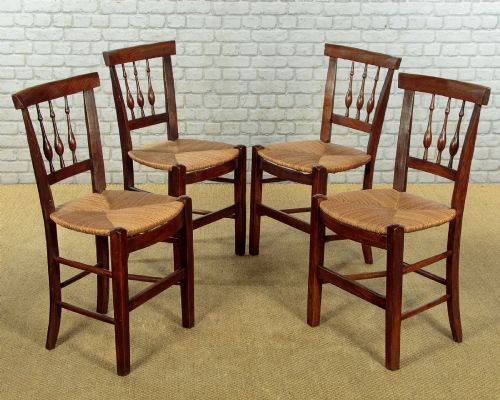
Traditional rush seat furniture encompasses dining chairs, armchairs, rocking chairs, benches, and stools originating from domestic vernacular traditions across the eighteenth, nineteenth, and early twentieth centuries. Buyers seeking these items will frequently encounter ladderback and spindle back chairs associated with English country regions, alongside French provincial examples and later Arts and Crafts interpretations.
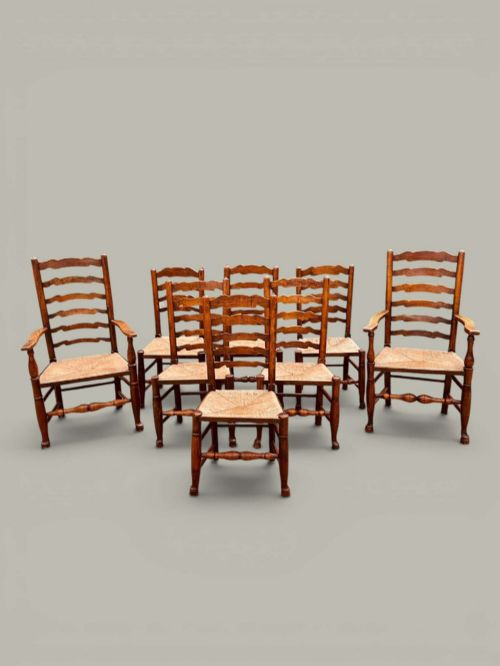
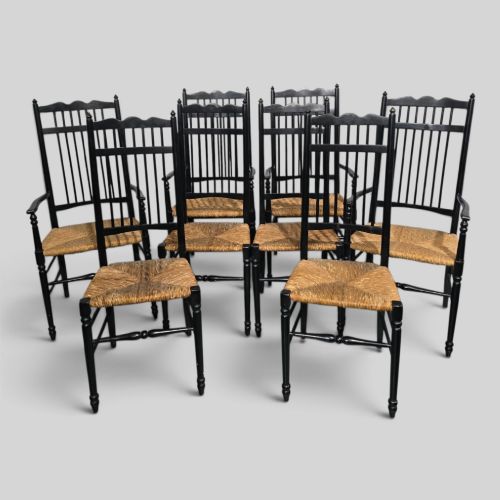
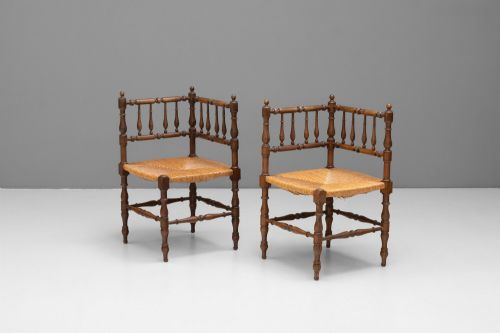
The selections span simple single chairs intended for farmhouse kitchens as well as larger matched or harlequin sets suited to period dining rooms. Specialised forms such as corner chairs, children's high chairs, and rocking chairs also appear within the wider rural and vernacular category.
Regional variations connect specific seating forms to historic making centres, including Lancashire, Cheshire, and Ormskirk. These domestic pieces reflect practical utility alongside the evolution of simple rural joinery over successive centuries.
Distinguishing Quality
Quality rests in the integrity of the timber frame, the tightness and material consistency of the rush weaving, and the retention of original surface patination. Untouched timber surfaces bearing the marks of early tools command greater interest than heavily stripped or over-restored examples.
The fineness of the frame turning, particularly on ladderback rails and spindle backs, separates standard utilitarian pieces from workshop items designed by notable makers. Structural balance and the survival of original components without excessive replacement timber define the finer specimens.
Traditional Rush Seat Retail Price Guide 2026
Typical asking prices for traditional rush seat among the pieces listed under this phrase on Sellingantiques today, from the lower quarter to the upper quarter. They describe what is for sale here now, not the wider market.
Listings feature periods spanning from the 18th century through the Edwardian era, utilising ash, elm, beech, and natural rush.
William Morris·Rossetti·Philip Webb·Philip Clissett·E W Godwin
The Traditional Rush Seat Glossary
- Rush
- Dried marshland sedge used for hand-weaving flexible, hard-wearing chair seats. It requires soaking before being twisted into cords and intertwined across the seat frame.
- Ladderback
- A chair back featuring horizontal arched or straight slats between upright posts. This regional form appears frequently in Lancashire and Cheshire vernacular seating.
- Spindle back
- A chair construction utilising numerous thin vertical turned wooden rods supporting the backrest. This method provides lightweight strength to country dining and rocking chairs.
- Vernacular
- Everyday utilitarian furniture built by regional makers using local materials rather than following high-style urban fashions. These pieces prioritize function and local tradition.
- Harlequin set
- A collection of chairs matched by style, period, or material rather than originating from a single manufactured suite. Such groupings often accumulate in country kitchens over generations.
Traditional Rush Seat: Frequently Asked Questions
How do I care for a traditional rush seat?
Keep natural rush seats away from excessive moisture and direct heat sources to prevent the dried sedge from becoming brittle. Regular dusting with a soft brush helps maintain the woven fibres without introducing damaging liquids.
Applying occasional light furniture wax to the wooden frame preserves the finish while avoiding the seating surface itself. Protective pads can prevent undue friction wear on everyday dining chairs.
Are these chairs comfortable for daily use?
Traditional rush seat chairs offer surprisingly supportive seating because the woven marsh sedge yields slightly to the body. Their ergonomic design, developed over centuries of practical rural use, suits long periods at a dining table.
Adding loose seat cushions can increase comfort further while protecting the original historic weave from direct abrasion during daily meals.
How can I date an antique ladderback chair?
Dating relies upon observing tool marks, timber species, construction methods, and wear patterns across the frame. Early nineteenth and eighteenth-century examples often display hand-turned irregularities and pegged joints rather than modern machine-cut precision.
Comparing the profile of the slats and the turning of the finials against documented regional styles helps narrow down the decade of production.
What is a harlequin set?
A harlequin set is a collection of individual chairs that share similar stylistic traits, such as ladderbacks or spindle designs, but were not originally manufactured together. These groupings formed naturally in country houses as replacement chairs were acquired over time.
They offer a cohesive appearance around a dining table while retaining the distinct character of individual vernacular makers.