



Traditional Rural Art
Traditional rural art brings the historic countryside, farmyards and agricultural life into domestic rooms through paintings created in the nineteenth and early twentieth centuries.
Traditional Rural Art
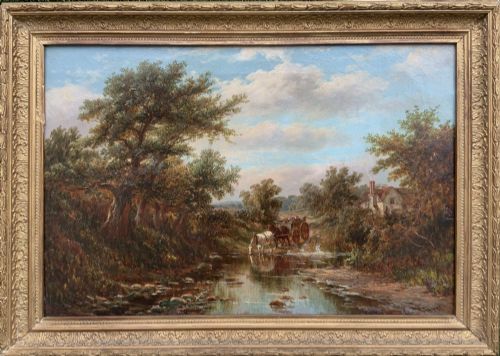
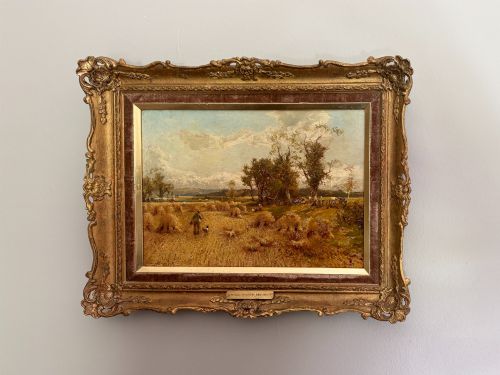
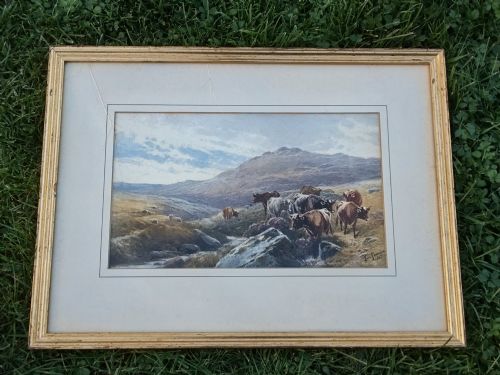
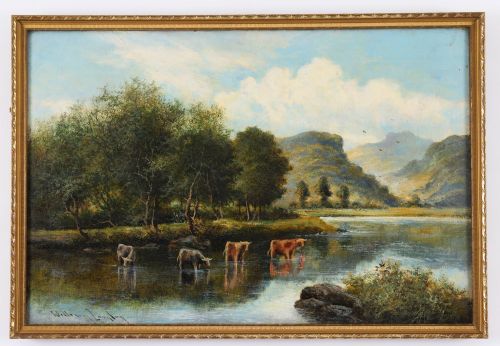
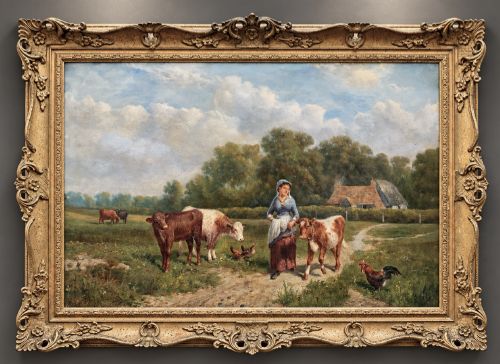
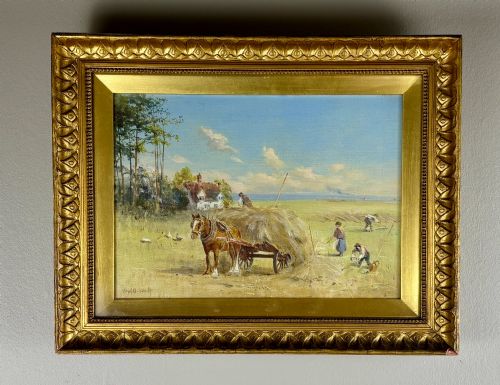
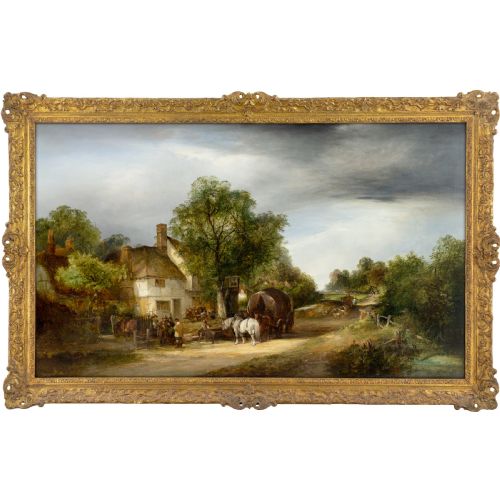
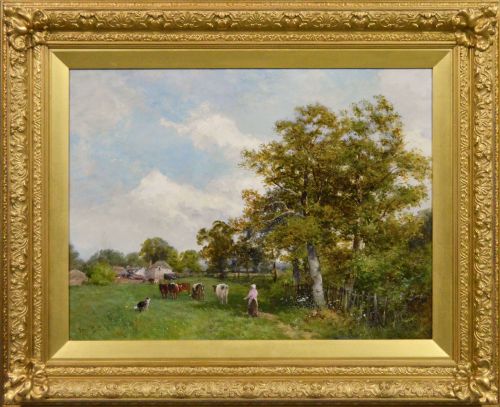
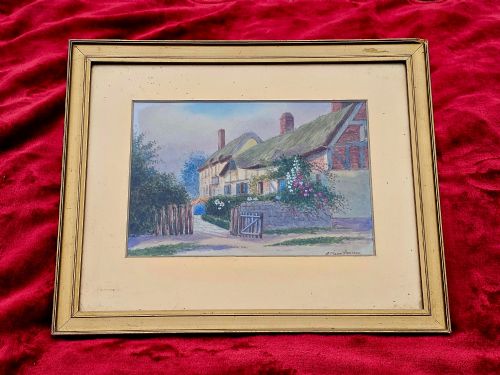
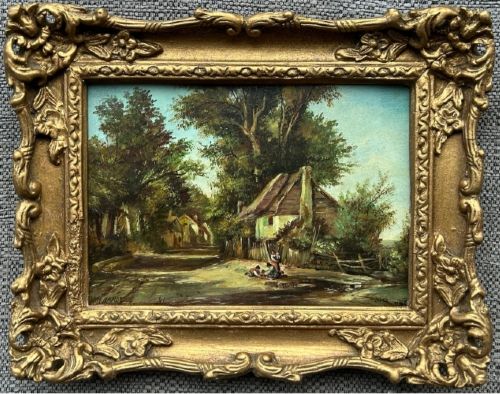
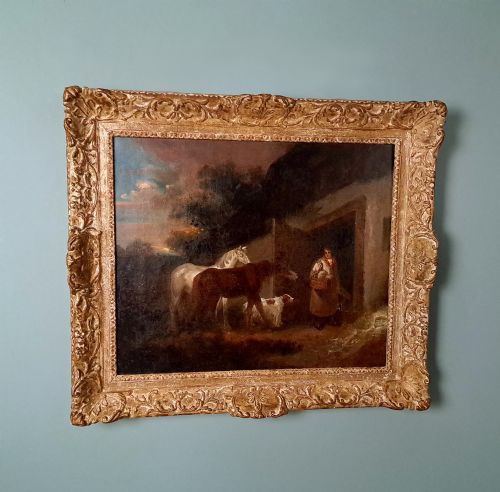
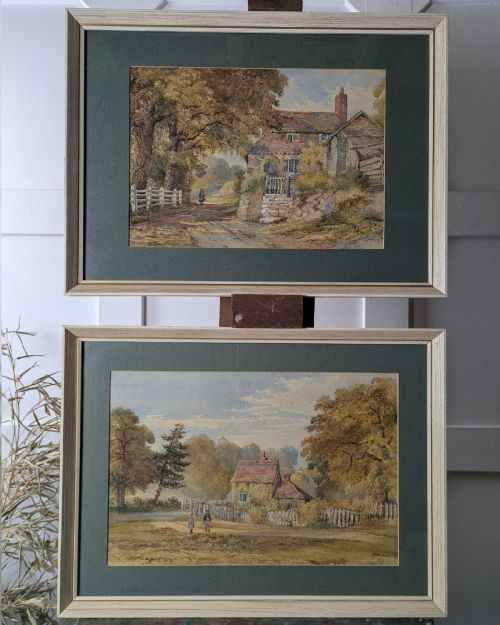
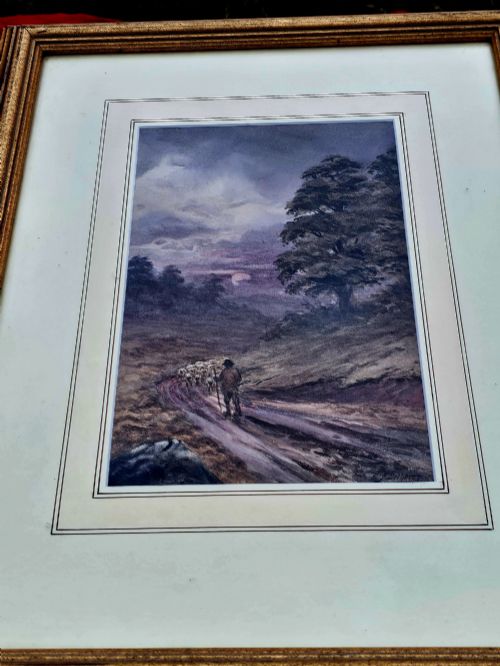
Traditional rural art comprises framed works depicting pastoral scenes, harvest fields, farm animals, and cottage landscapes. These pieces record agricultural labour and village life from the Victorian and Edwardian eras, produced by British and continental painters working in oils and watercolours.
The subjects on this page centre on countryside pursuits, featuring herds of cattle, sheep being driven to market, hay wagons, and rural pathways. The most frequent encounters are oil paintings on canvas or board and watercolours on paper, capturing everyday rural routines.
Works span from the mid-nineteenth century into the early twentieth century, reflecting academic styles such as Victorian Realism and British Impressionism. They offer a direct window into historical agrarian landscapes through the eyes of period artists.
Materials and techniques
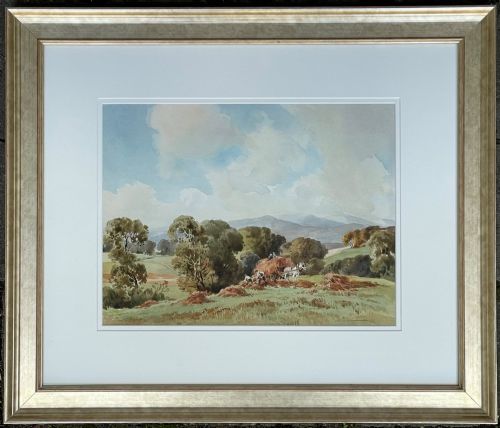
Painters utilised oil paint applied to canvas, wooden panels, board, or card, building rich textures and durable colour layers. Watercolours on paper offered a lighter medium, often finished with delicate washes to capture atmospheric skies and open fields.
Many surviving pieces retain their original or period gilt wood frames, which complement the earth tones of the rural scenes. Support materials range from stretched canvas to solid wood panels, reflecting the studio practices of nineteenth-century artists.
Traditional Rural Art Retail Price Guide 2026
Typical asking prices for traditional rural art among the pieces listed under this phrase on Sellingantiques today, from the lower quarter to the upper quarter. They describe what is for sale here now, not the wider market.
The listings span the Victorian and Edwardian eras, featuring oil on canvas and watercolour on paper.
Distinctions in quality
Quality rests upon the artist's command of light, shadow, and natural perspective within the landscape. Works by recognised painters display confident brushwork and anatomical precision in figures and livestock, whereas lesser pieces rely on formulaic compositions.
The preservation of the pigment layer and the integrity of the original wood panel or canvas influence the visual impact. Finer examples maintain crisp detail in the foliage and architecture, showing little evidence of overpainting or heavy restoration.
William Langley·Thomas Rowden·Samuel Joseph Clark·Hugh Barry-Scott·William Manners·Edward Charles Williams·William Shayer·George Graham·W Klombeck·Percy Lancaster·William Howard Hardy·A Marie Parsons·EJ Letheren·David Bates·Robert John Hammond·Walter Heath Williams·John Horace Hooper·George Oyston·William Greaves·Miles Birkett Foster·George Morland·Sydney Yates Johnson·Henry Charles Fox·William Henry Mander·Thomas Sidney Cooper
The Traditional Rural Art Glossary
- Oil on canvas
- A painting technique where pigment suspended in oil is applied to a woven fabric stretched across a wooden frame. This medium allows for deep colour saturation and impasto texture.
- Watercolour
- A painting method using water-soluble pigments on paper, producing transparent washes of colour. It was widely used for rapid outdoor studies and finished landscape views.
- Wood panel
- A rigid support made from timber used by artists instead of canvas. These boards provide a smooth, stable surface for detailed landscape painting.
- Gilt wood frame
- A wooden picture frame coated with a thin layer of gold leaf or metallic gilt paint. These frames were designed to enhance the visual depth of nineteenth-century paintings.
- Pastoral landscape
- A genre of art depicting rural life, shepherds, and agricultural scenery in an idealized or realistic manner. These scenes celebrate the traditional rhythm of the countryside.
Traditional Rural Art: Frequently Asked Questions
What subjects appear in traditional rural art?
These paintings portray farmyard scenes, cattle, sheep grazing, harvest workers, and country cottages. The compositions document rural trades and agricultural landscapes from the nineteenth and early twentieth centuries.
Artists focused on the daily activities of the countryside, recording rural roads, streams, and livestock with observational detail.
How do I care for antique oil paintings?
Keep paintings away from direct sunlight and steady humidity fluctuations to protect the canvas and wood panel. Dust the surface gently with a soft, dry brush without applying pressure.
Avoid using water or cleaning solutions on the pigment layer, and consult a professional conservator for cleaning.
How are watercolours different from oil paintings?
Watercolours use transparent pigments on paper, requiring protective glass framing to prevent moisture damage. Oil paintings utilise thick, opaque pigments on canvas or board and do not require glass.
Oils permit rich texture and reworking, while watercolours rely on the reflective quality of the paper underneath.
How do I identify the period of a landscape painting?
Examine the style of the brushwork, the stretcher frames, and the framing materials used on the reverse. Victorian and Edwardian works often bear signatures, dates, or artist inscriptions on the back of the canvas.
Clothing styles of figures within the landscape and the type of canvas or board provide further chronological clues.