

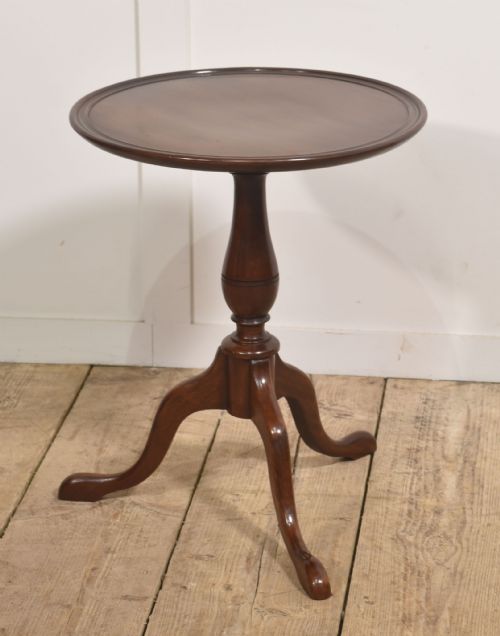
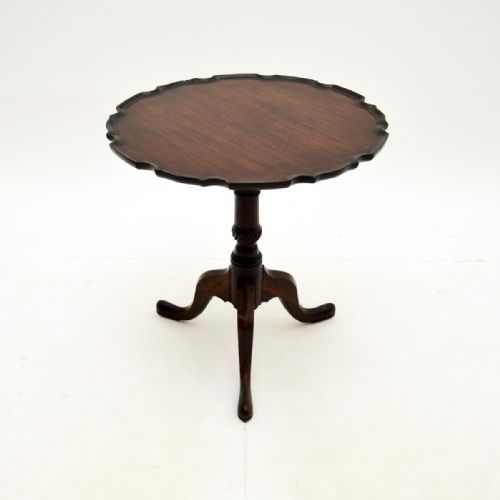


Traditional Round Wine Table
A traditional round wine table is a compact pedestal piece designed for easy movement, and you want one for its elegant profile and practical surface space.
Traditional Round Wine Table
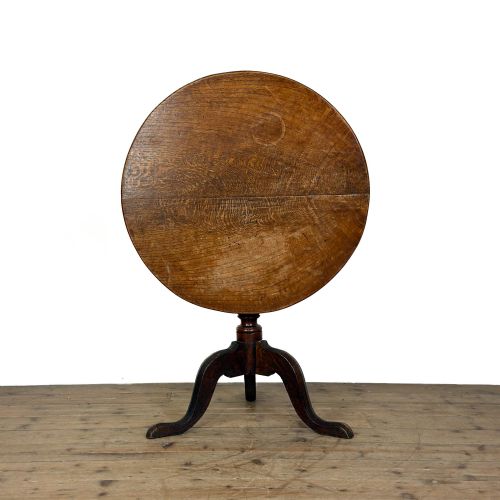
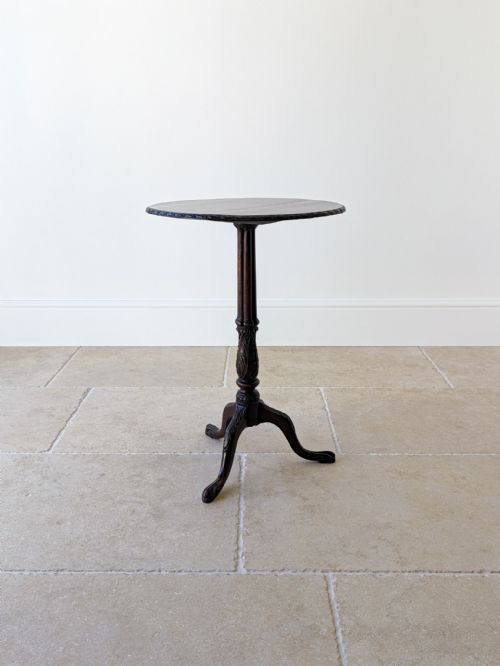
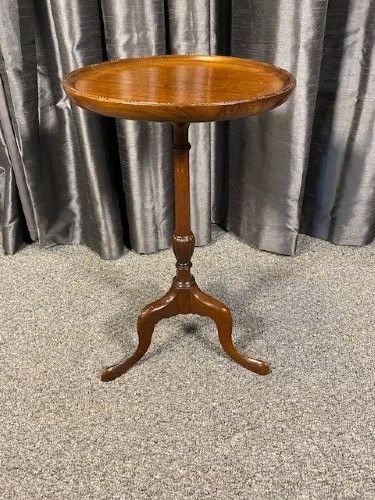
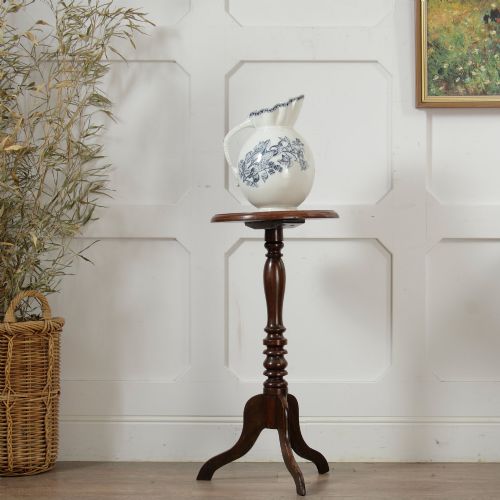
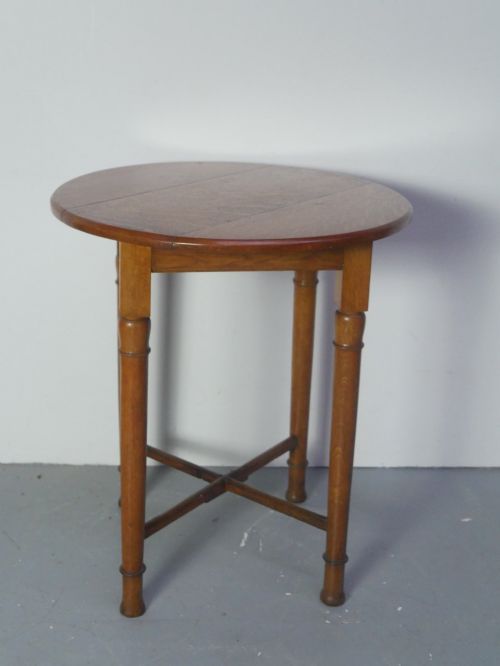
A traditional round wine table is primarily a small pedestal piece built to hold a single glass or small lamp, featuring a circular top supported by a central column. You will encounter these most frequently in mahogany, walnut, and oak across various periods.
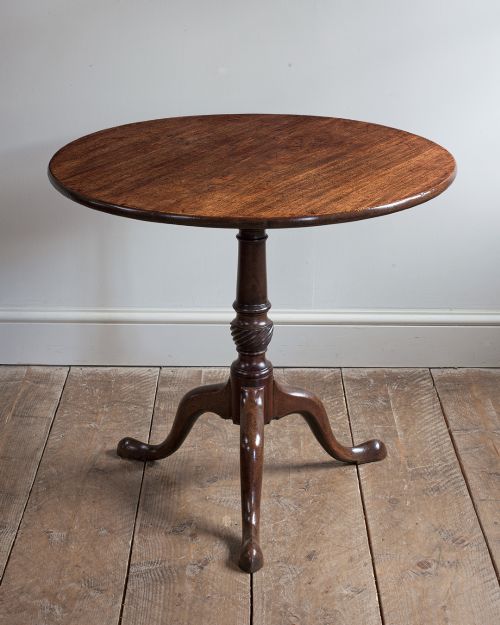
The selections span from 18th-century Georgian pieces and Victorian examples to 20th-century revivals like Chippendale and Jacobean styles. Many examples utilise tripod legs, while others incorporate tilt-top mechanisms or folding designs for compact storage.
Makers produced these occasional tables in various scales, including larger sizes and lowered variations. They function flexibly as lamp tables, side tables, or traditional wine tables in domestic interiors.
How they were made
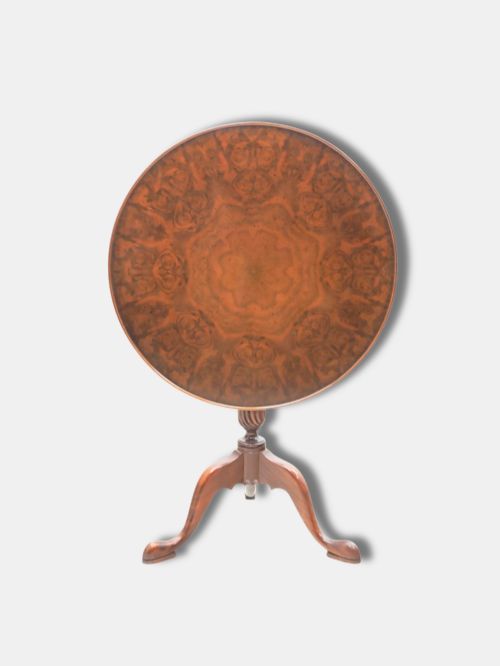
Cabinet makers utilised dense hardwoods such as mahogany, walnut, oak, and yew wood to construct the pillars and circular tops. Some refined surfaces display burr walnut veneer or incorporate brass fittings and leather inserts.
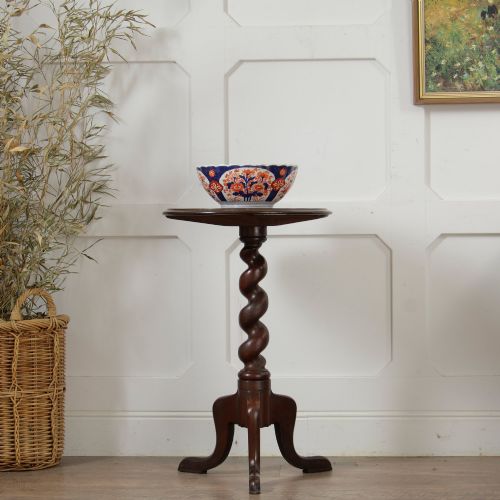
Turned barley twist columns and shaped tripod bases provide structural stability beneath the top. Mechanisms such as detachable tops and tilt-top hinges demonstrate practical carpentry designed for easy repositioning.
Listings feature woods spanning mahogany, walnut, oak, yew wood, and burr walnut veneer.
What varies in quality
Quality rests in the choice of timber and the crispness of the carving on the tripod legs and central pillar. Well-executed turning and balanced proportions distinguish finer examples from standard production pieces.
The integrity of mechanical elements like tilt-top catches and joints dictates how smoothly the piece functions. Grain matching in veneers and solid timber selection further separate standard tables from superior items.
The Traditional Round Wine Table Glossary
- Tripod base
- A support structure featuring three legs radiating from a central column. This design provides stable footing on uneven floors.
- Tilt-top
- A hinged mechanism allowing the circular table top to pivot vertically. This feature enabled compact storage against walls when not in use.
- Pedestal
- A single central pillar supporting the table top. It replaces the traditional four-corner leg arrangement to maximise legroom.
- Barley twist
- A carved spiral column resembling the shape of twisted barley. This decorative turning technique appears frequently on Victorian supports.
- Veneer
- A thin layer of figured wood applied over a secondary timber base. Burr walnut veneer provides distinctive decorative grain patterns.
Traditional Round Wine Table: Frequently Asked Questions
What is a traditional round wine table used for?
These pieces function primarily as small side or occasional surfaces for drinks and lighting. Their compact footprint allows them to sit beside armchairs or in tight corners.
Historically, they held glasses or bottles during social gatherings. Today, they serve equally well as lamp tables or decorative display surfaces.
How do I tell an 18th-century table from a revival piece?
Eighteenth-century examples display authentic timber patination and hand-worked joinery consistent with the Georgian period. Revival pieces, such as Chippendale or Georgian revival items, often date from the Victorian era or the 20th century.
Examining the underside, fixing methods, and tool marks helps reveal the actual age of the construction.
What does a tilt-top mechanism do?
A tilt-top mechanism uses a hinged block beneath the circular surface that allows the top to pivot upright. This allowed servants or homeowners to store the furniture flat against a wall when the room was needed for other purposes.
When lowered, a brass catch or wooden peg secures the top in a horizontal position.
Where should I place a tripod table in my home?
The three-legged design makes these tables well-suited to spaces beside seating where four-legged tables might crowd the floor. Their modest scale fits narrow hallways or beside reading chairs.
Avoid placing them in direct sunlight or beside intense heat sources to protect the polished timber surfaces.