




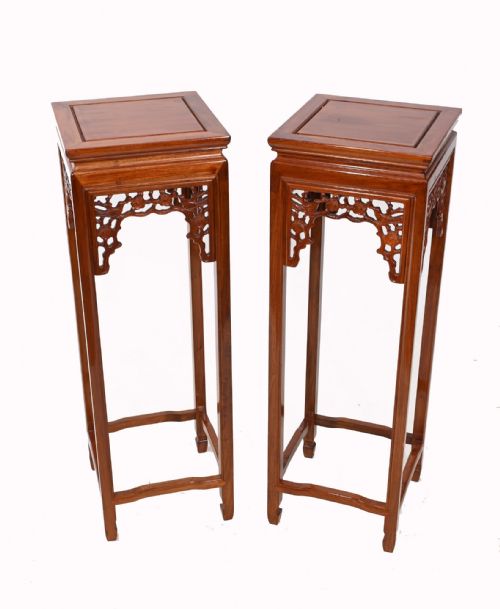


Traditional Rosewood Table
A traditional rosewood table brings dense, richly figured timber and enduring craftsmanship into a room.
Traditional Rosewood Table
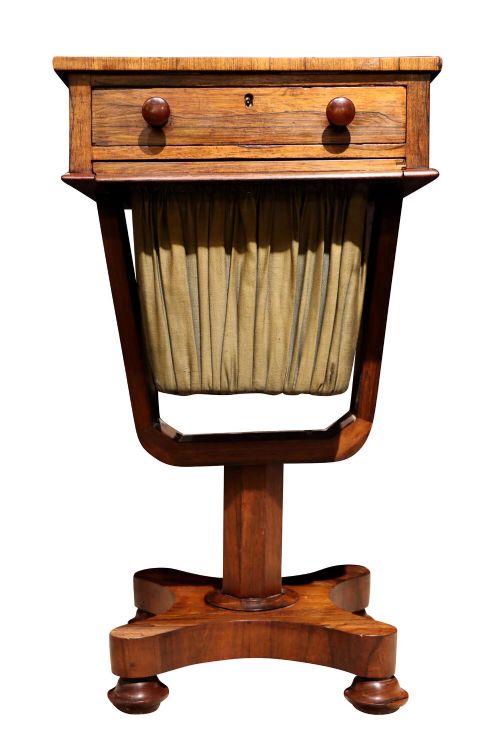
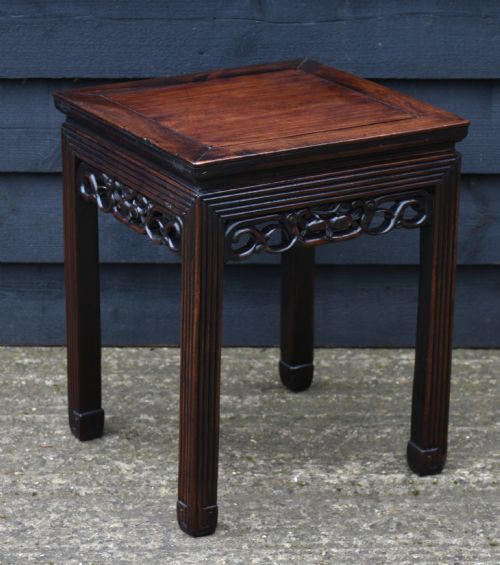
A traditional rosewood table encompasses a diverse range of forms, from English Regency occasional tables to Chinese Qing Dynasty low tables and nests of four. Buyers searching this phrase encounter both European parlor pieces and substantial oriental hardwood furniture.
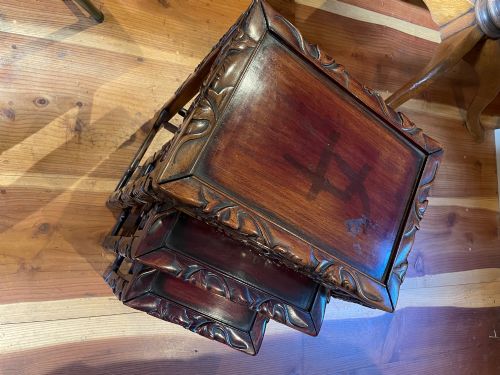
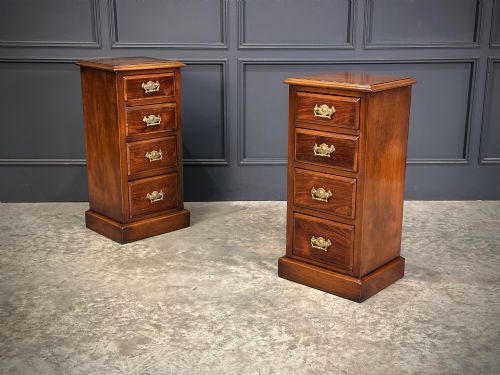
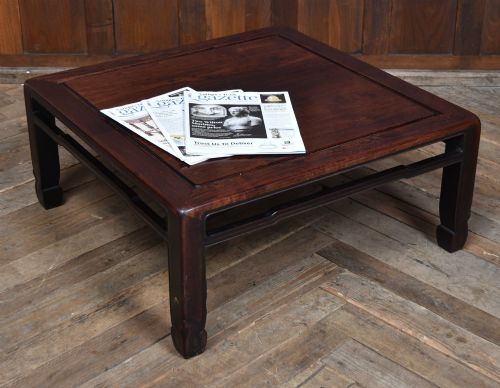
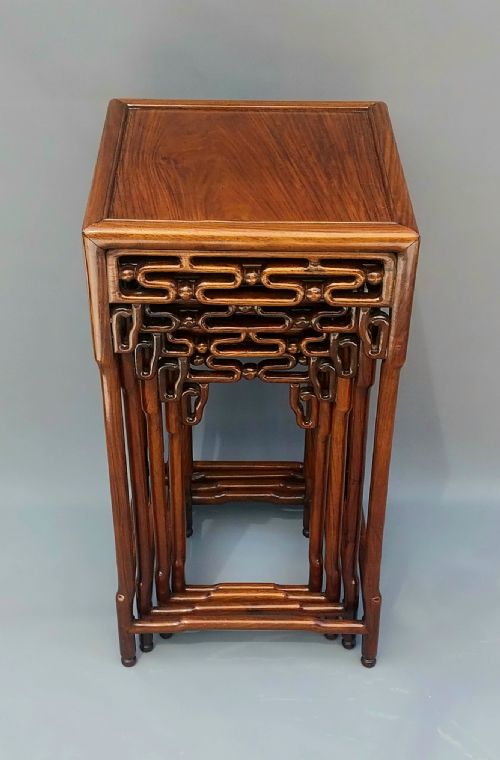
The selection on this page leans heavily toward Chinese scholarly and domestic forms, including low coffee tables, kang tables, altar tables, and nested sets. Alongside these sit English library tables, lamp tables, and bedside stands.
Originating predominantly from the nineteenth century, these pieces showcase the global reach of rosewood and hard timbers in domestic interiors. Whether configured as a tall pedestal stand or a low scroll-end table, each item serves a specific functional purpose within a traditional interior.
How they were made
Cabinetmakers utilised dense tropical hardwoods, primarily rosewood and hongmu, often enhanced with secondary timbers like mahogany and walnut. Workshops employed traditional joinery techniques to accommodate the weight and density of these timbers.
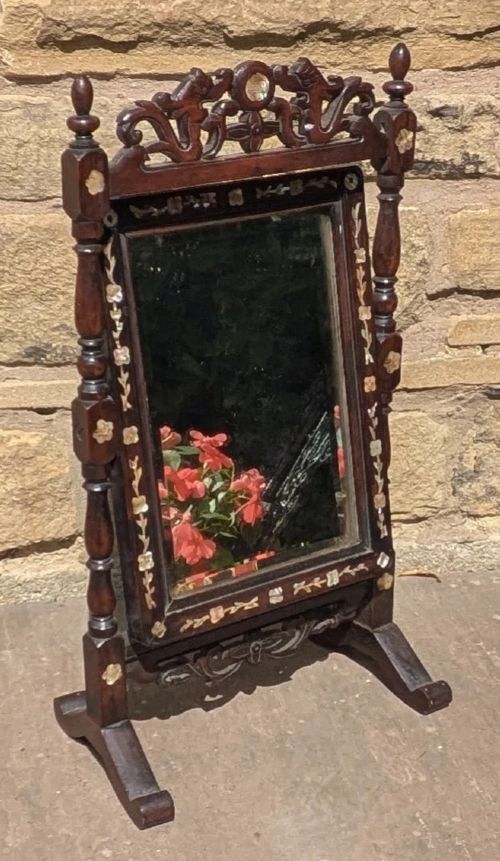
Surface ornamentation ranges from mother-of-pearl inlay and marble inserts to intricate hand-carved scrolling details. Brass fittings appear on English library pieces, while structural integrity relies on precise mortise and tenon construction.
Traditional Rosewood Table Retail Price Guide 2026
Typical asking prices for traditional rosewood table among the pieces listed under this phrase on Sellingantiques today, from the lower quarter to the upper quarter. They describe what is for sale here now, not the wider market.
Listings feature nineteenth-century Chinese Qing Dynasty furniture alongside Victorian English library tables and Edwardian bedside chests.
What varies in quality
The depth of figure in the rosewood and the crispness of the hand-carving distinguish standard production from exceptional examples. Superior pieces display harmonious timber selection across large surfaces and meticulous attention to structural joints.
Proportion and scale dictate the success of forms like nests of tables and low coffee tables. The integration of decorative elements, such as marble panels or inlaid mother-of-pearl, reflects the original maker's investment of time and skill.
Gillows of Lancaster·S Simpson Southampton·Walker and Hall·Plumbly and Tupman
The Traditional Rosewood Table Glossary
- Kang table
- A low domestic table originating in China, designed for use on a heated brick bed or directly on the floor for dining and writing.
- Hongmu
- A Chinese term translating to red wood, applied to dense, durable tropical hardwoods prized for traditional furniture production.
- Quartetto nest
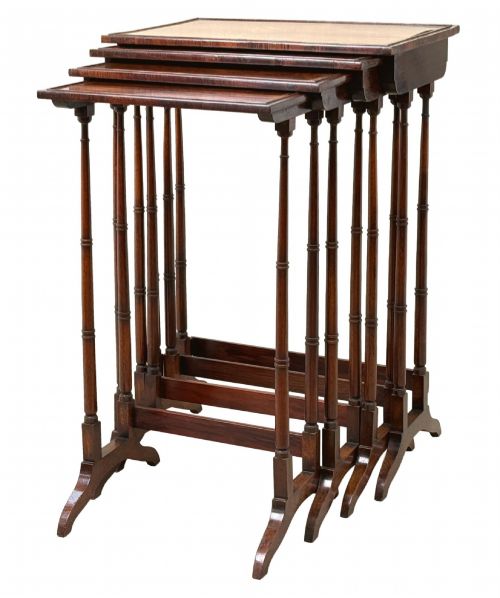
- A set of four graduating occasional tables designed to slide neatly beneath one another when not in use.
- Scroll-end
- A decorative terminal detail shaped like a rolled parchment, frequently found on the ends of traditional Chinese low tables.
- Library table
- A substantial freestanding nineteenth-century English table finished on all sides, designed for books and papers in a study.
Traditional Rosewood Table: Frequently Asked Questions
What is a kang table used for?
A kang table serves as a low surface for serving tea, writing, or resting objects within a traditional room setting. Its compact height makes it suitable for low seating arrangements or as a coffee table.
Historically, these tables sat upon raised sleeping platforms in Chinese homes. Today, they function well as central coffee tables in contemporary living spaces.
How do I style a nest of tables?
A nest of tables provides flexible surface space that can be separated around a room or stacked together to save floor area. They sit conveniently beside armchairs or sofas.
Separating the tables allows guests to place drinks or books nearby. When stacked, they present a compact decorative unit displaying the timber's grain.
How do I care for a nineteenth-century table?
Maintain the timber by dusting regularly with a dry cloth and avoiding placement near direct heat sources or strong sunlight. Excessive temperature fluctuations can affect old wood.
Apply traditional furniture wax sparingly to nourish the surface and preserve the natural sheen. Avoid harsh chemical cleaners that strip the finish.