



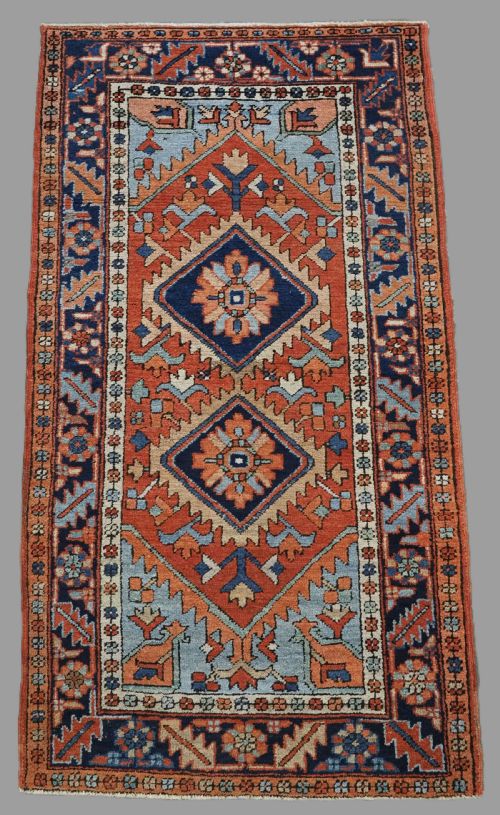
Traditional Red Carpet Mat
A traditional red carpet mat brings character and historic warmth to a hallway or floor through centuries of weaving traditions.
Traditional Red Carpet Mat
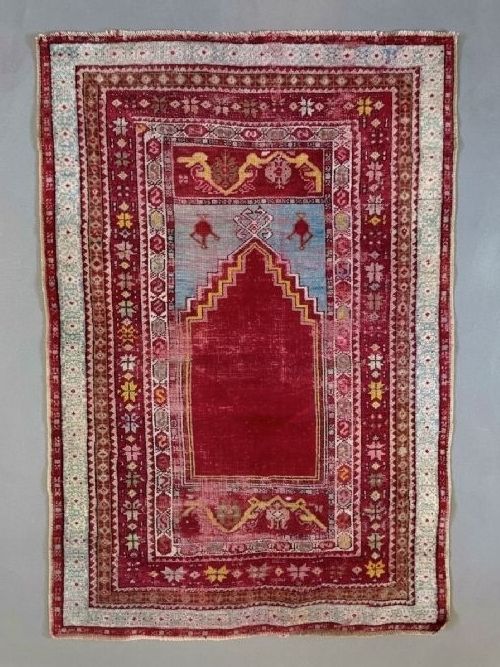
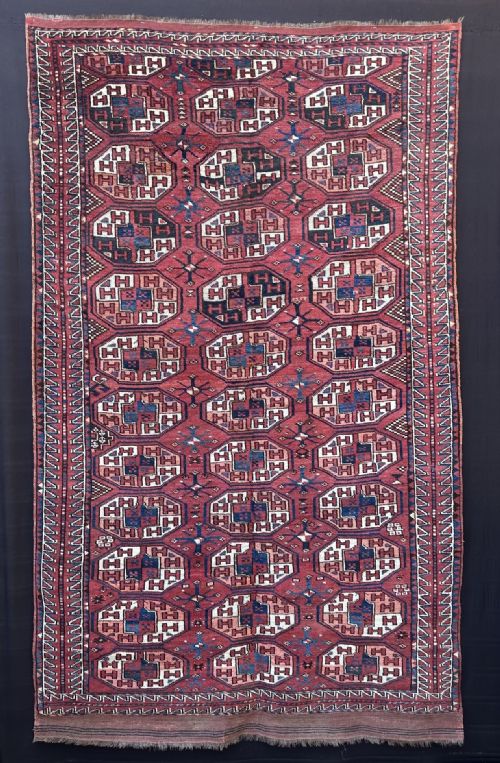
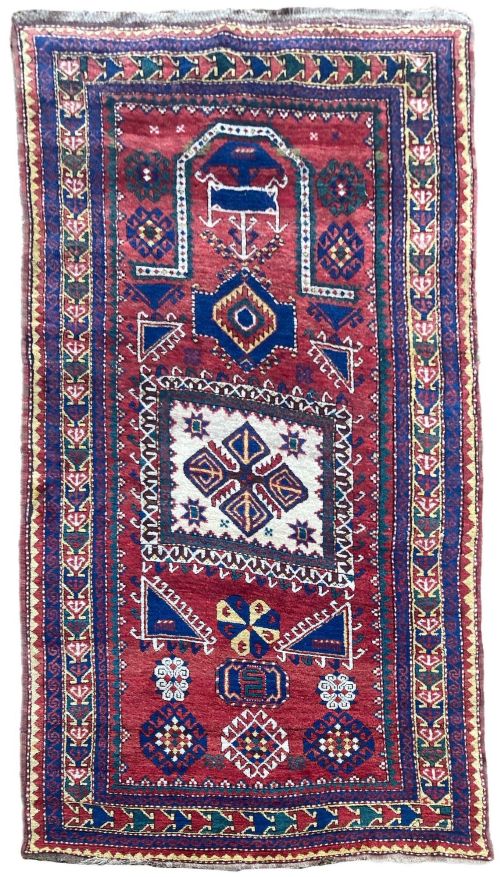
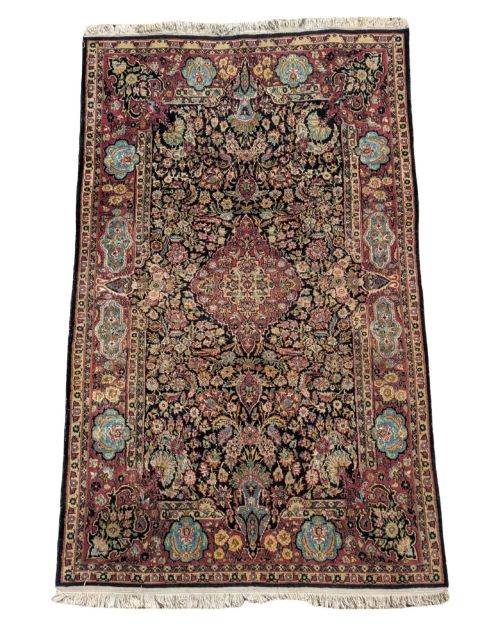
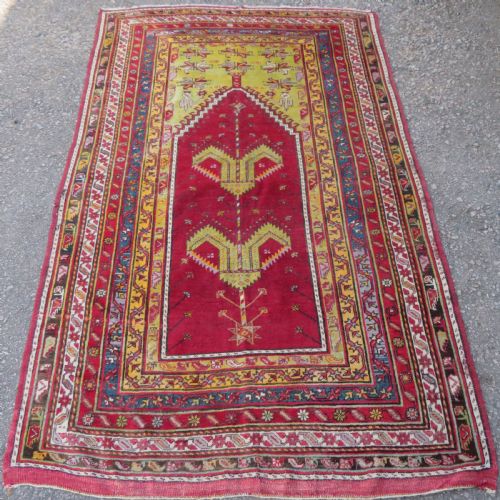
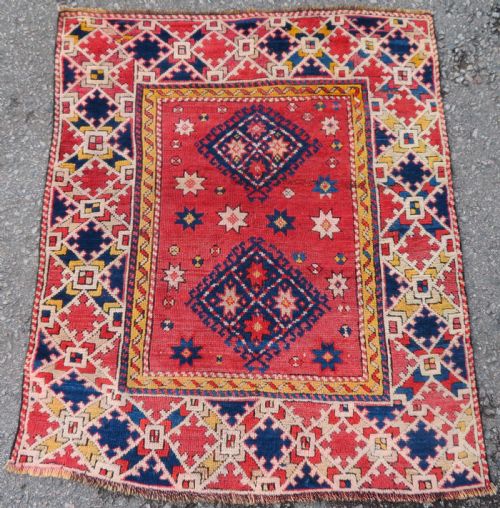
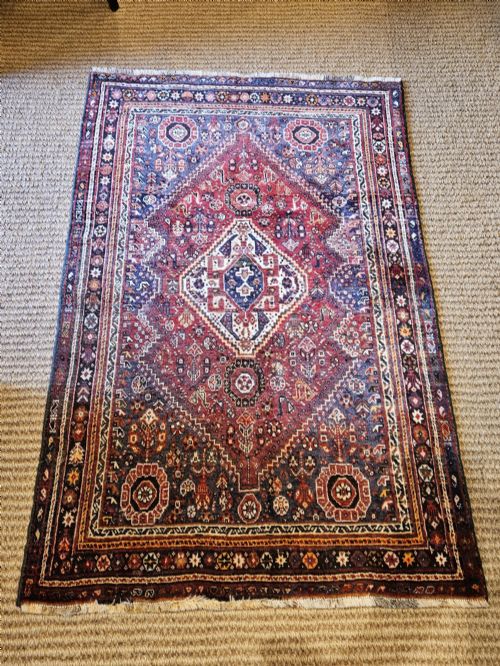
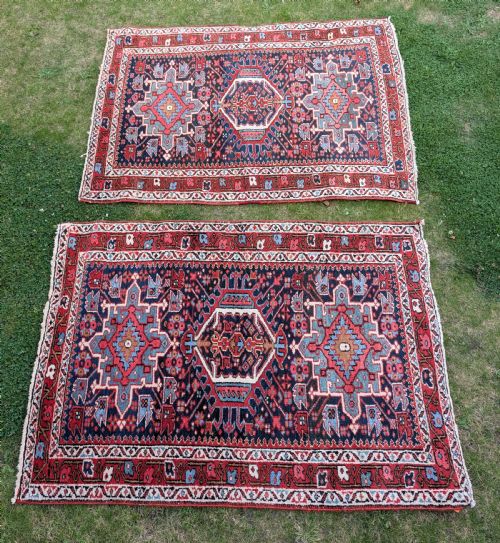
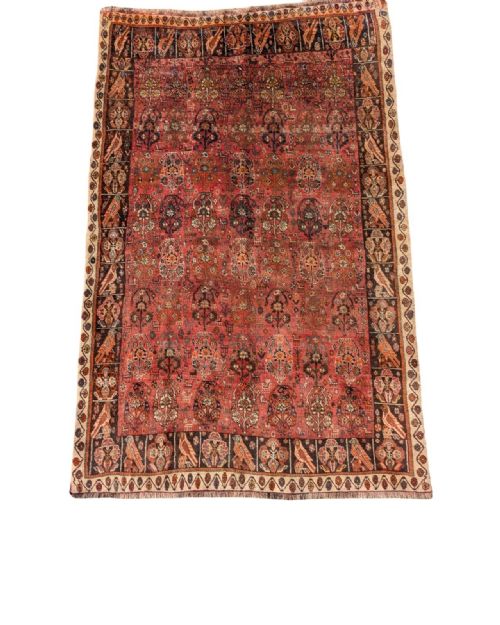
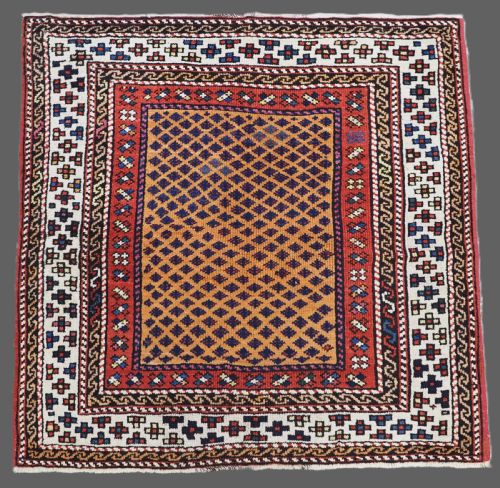
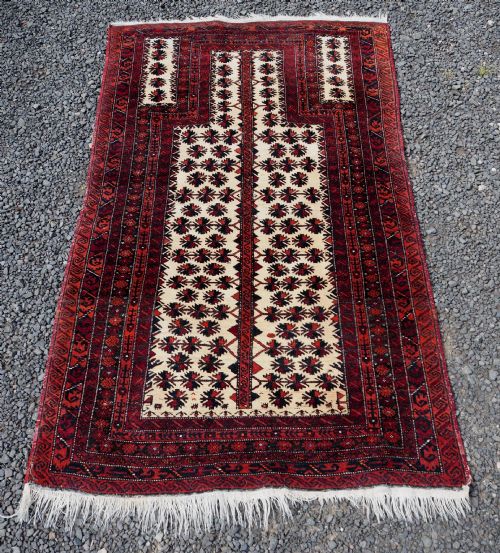
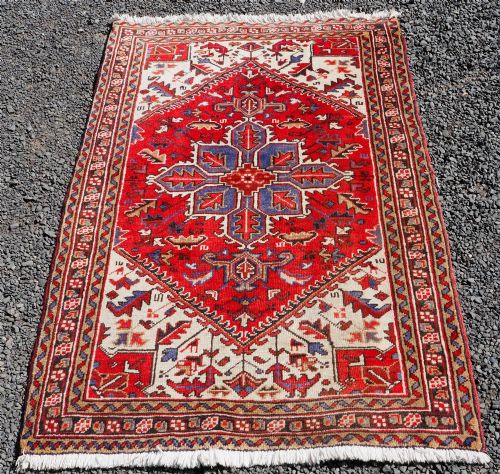
A traditional red carpet mat encompasses hand-woven rugs and runners originating from Persian, Caucasian, Anatolian, and Turkmen tribal traditions. These floor coverings range from compact village mats to room-sized carpets dating from the eighteenth century into the twentieth century. Prayer rugs featuring mihrab designs and runner formats appear frequently across the selection.
Makers in these traditions utilised regional geometric patterns, lattice layouts, and floral vase motifs. Central Asian tribal pieces often display repeating gul designs, while Persian and Turkish workshops lean towards detailed floral and medallion schemes. The palette typically centres on rich red grounds accompanied by contrasting wool highlights.
Materials and construction methods
Weavers constructed these textiles predominantly using wool pile on wool or cotton foundations, occasionally incorporating silk highlights for specific design details. Artisans sourced natural dyes to colour the yarns, producing deep red backgrounds and secondary tones that mellow gradually over time. Hand-knotting techniques ensured dense piles capable of enduring heavy floor traffic.
Tribal workshops and village looms relied on upright wooden frames to tie symmetrical or asymmetrical knots row by row. Finishing techniques involved securing the side selvages and securing the warp ends to prevent unraveling during daily use.
Current listings span the eighteenth, nineteenth, and early twentieth centuries, featuring wool, cotton, silk, and natural dyes across Persian, Caucasian, Anatolian, and Turkmen tribal styles.
Elements defining quality
Knotted density and yarn preparation dictate the structural integrity of each piece, with finer knots allowing for sharper geometric definition or curved floral outlines. The consistency of natural dyes influences how evenly the red grounds age across the surface of the textile. Additionally, the crispness of tribal motifs separates carefully planned village work from hasty execution.
The Traditional Red Carpet Mat Glossary
- Mihrab
- The arched niche found on prayer rugs that points toward Mecca during daily worship. This architectural motif often defines the upper field of Anatolian and Persian examples.
- Gul
- A repeating medallion or octagonal motif frequently utilised in Turkmen and Central Asian tribal carpets. Each tribe often maintained distinct variations of this shape.
- Warp
- The vertical threads stretched lengthwise on the loom that form the structural skeleton of the rug. Fringe ends typically consist of these exposed threads.
- Weft
- The horizontal threads passed across the warp strands between rows of knots to bind the pile securely in place. They contribute to the firm handle of traditional village rugs.
- Selvage
- The reinforced outer edge running parallel to the length of the rug that prevents the sides from fraying. Artisans wrap these side cords tightly with matching or contrasting wool.
Traditional Red Carpet Mat: Frequently Asked Questions
Where should I place a prayer rug?
Prayer rugs suit low-traffic areas such as studies, quiet hallways, or bedside spaces where their specific designs remain visible without heavy wear.
Their compact dimensions also allow them to be hung securely on walls as textile art to protect the pile from friction.
How do I clean a wool rug?
Gentle surface brushing and regular low-suction vacuuming remove loose dust particles without damaging the delicate hand-knotted pile.
Professional textile conservators should handle deeper washes to prevent dye migration, particularly in pieces dyed with natural substances.
What is a runner used for?
Runners provide decorative floor coverage and underfoot comfort along narrow corridors, staircases, and entrance halls.
Their elongated proportions help guide movement through a home while softening hard wooden floorboards.
How can I identify tribal rugs?
Tribal rugs typically feature geometric motifs, bold primary colour palettes, and asymmetrical designs rooted in regional nomadic traditions.
Villagers and tribal weavers relied on memory and local iconography rather than rigid paper cartoons when planning these compositions.