



Traditional Rectangular Coffee Table
A traditional rectangular coffee table grounds a room with straightforward lines and enduring timber.
Traditional Rectangular Coffee Table
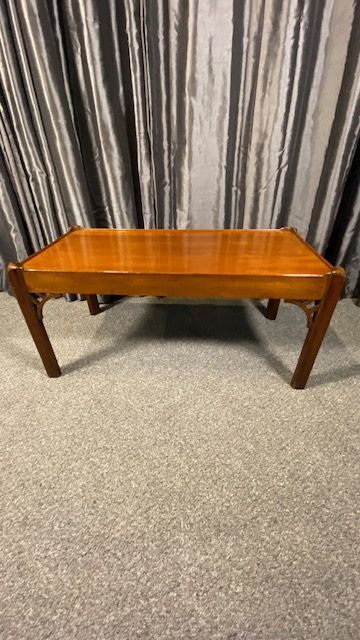
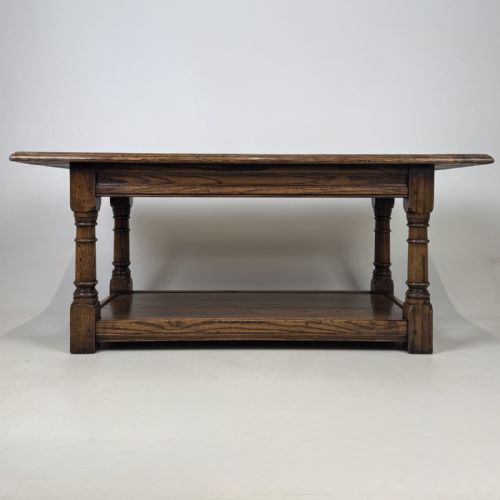
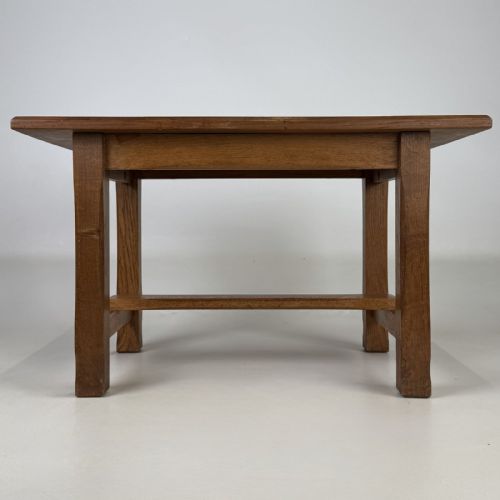
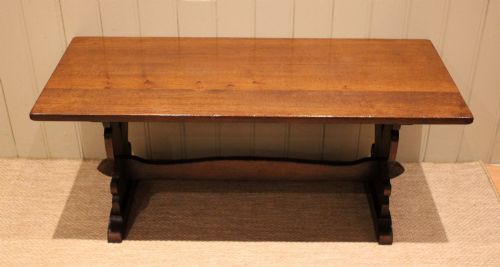
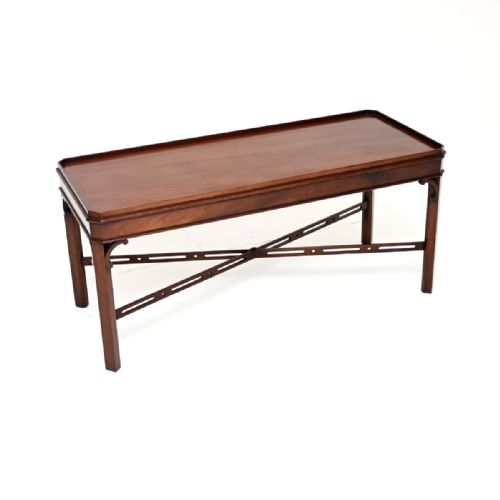
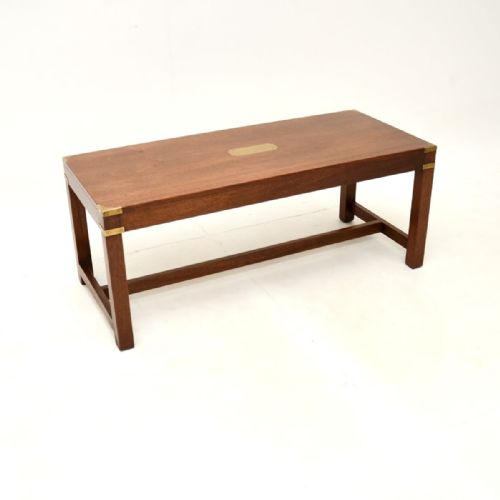
A traditional rectangular coffee table brings together low-slung utility and period character across formats such as pine farmhouse boards, oak planks, and mahogany centre tables. Buyers searching for a traditional rectangular coffee table encounter pieces ranging from rustic country elm and oak to formal Regency styles and Georgian forms.
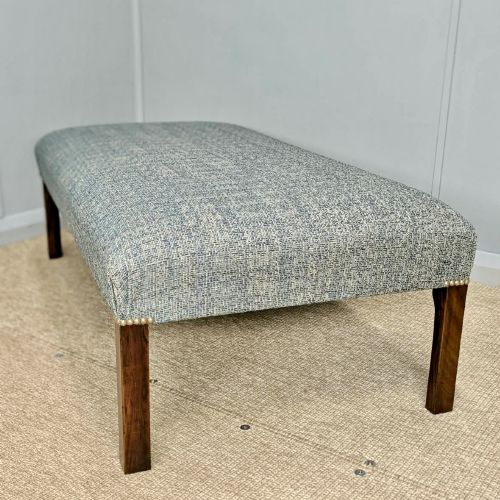
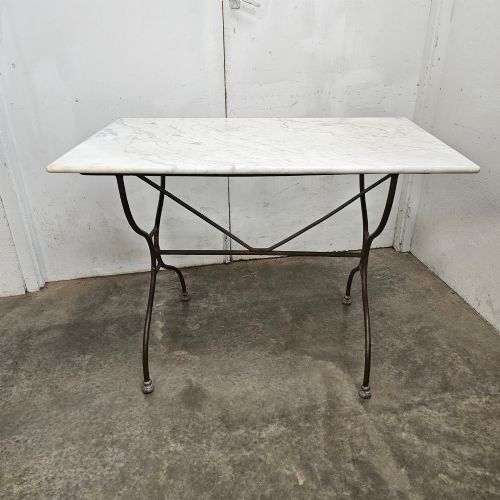
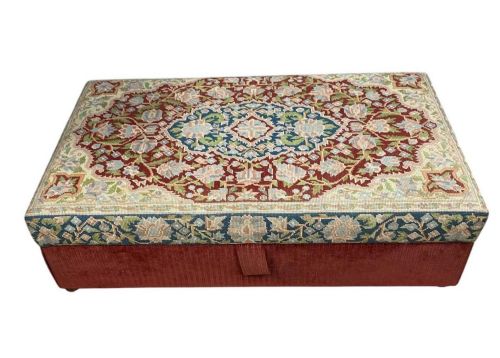
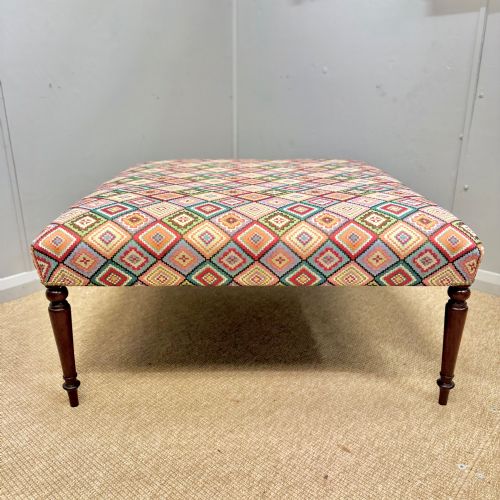
The selection on this page leans heavily toward solid timber constructions from the nineteenth century and early twentieth century, including Edwardian and Victorian examples. Alongside conventional coffee tables, the inventory includes low tables, side tables, and large upholstered footstools or ottomans that serve a similar domestic purpose.
How they were made
These tables rely on traditional joinery and sturdy timbers like oak, mahogany, elm, and pine, shaped into planks and frames by period cabinetmakers. Brass accents appear on select pieces, whilst other surfaces incorporate leather, fabric, or woven materials.
Makers utilised dense native and imported woods, finishing the timber to highlight natural grain patterns and rich patinas developed over decades of use.
Traditional Rectangular Coffee Table Retail Price Guide 2026
Typical asking prices for traditional rectangular coffee table among the pieces listed under this phrase on Sellingantiques today, from the lower quarter to the upper quarter. They describe what is for sale here now, not the wider market.
Some of these low tables started life as something entirely different before finding a second act holding coffee cups.
What varies in quality
The distinction between standard examples and superior pieces rests on the choice of timber, such as fine-grained walnut or substantial golden oak, alongside the depth of the patination. Tables that retain a rich, untouched surface and heavier construction demonstrate a higher grade of craftsmanship.
Proportion and structural integrity separate simpler vernacular furniture from refined London-made or Regency-influenced pieces. The handling of the wood and the subtlety of the timber figure dictate the overall standing of each table.
The Traditional Rectangular Coffee Table Glossary
- Patina
- The surface sheen and mellowing that aged wood acquires through years of handling and polish. This lustre is a key indicator of genuine age.
- Oblong
- A rectangular shape with parallel sides longer than the ends. Many period low tables and coffee tables follow this specific geometric proportion.
- Vernacular
- Everyday furniture made by local craftsmen using regional materials rather than following high-style academic designs. Rustic elm and farmhouse pine pieces often fall into this category.
- Padouk
- A dense tropical hardwood known for its rich colour and durability. It appears in imported pieces such as early twentieth-century Chinese low tables.
Traditional Rectangular Coffee Table: Frequently Asked Questions
What periods do these tables come from?
The listings span the Georgian, Victorian, and Edwardian eras, alongside pieces dated to the nineteenth century and the 1920s and 1930s.
Craftsmanship reflects the prevailing domestic styles of each respective decade, from rustic country furniture to formal Regency designs.
Are upholstered ottomans considered coffee tables?
Large upholstered footstools and ottomans often function in the same capacity as traditional coffee tables within a sitting room. They provide a sturdy surface for trays or seating while introducing fabric textures alongside wooden tables.
Several pieces in the inventory combine traditional wooden frames with padded tops or leather upholstery.
How do I identify Chinese low tables here?
Pieces originating from the Chinese Republic Period or earlier utilise distinct timbers like padouk and elm. These tables feature traditional low proportions suited for domestic use.
They share the rectangular format of European tables but exhibit different joinery and timber characteristics.
What wood types are most common?
Oak and mahogany appear frequently across the nineteenth-century and early twentieth-century selections. Elm, pine, and walnut are also represented in various farmhouse and refined formats.
Timber choice generally dictates whether a piece leans toward a rustic country aesthetic or a formal English country house style.