
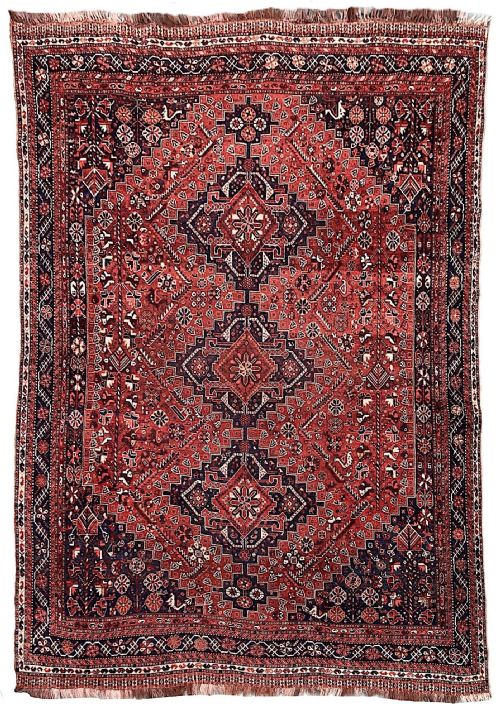


Traditional Qashqai Rug
When you search for a traditional qashqai rug, you encounter hand-knotted tribal textiles originating from the nomadic weavers of south-west Persia.
Traditional Qashqai Rug
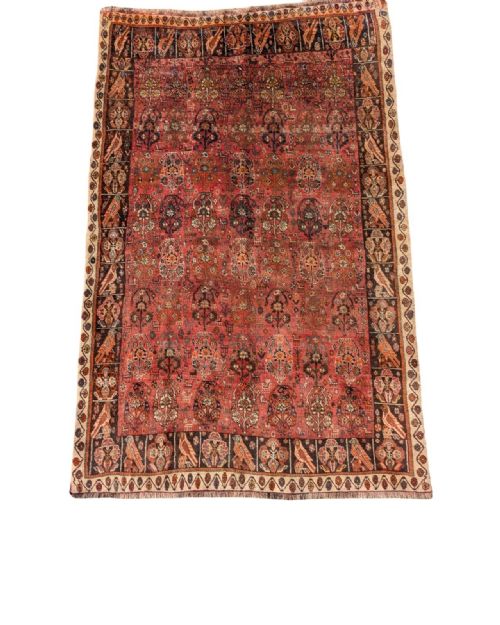
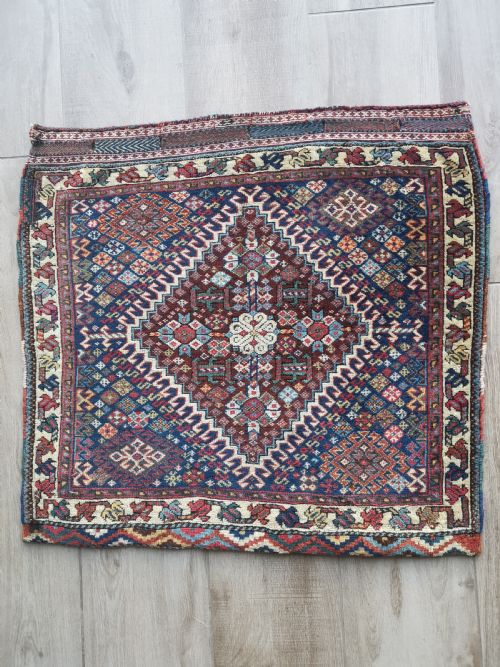
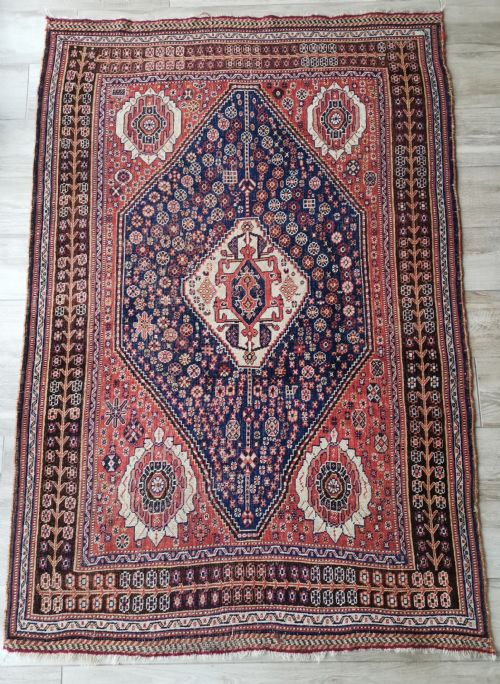
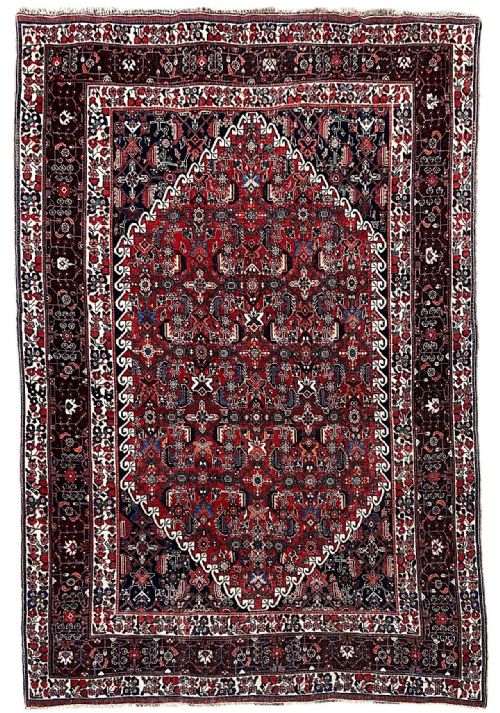
A traditional qashqai rug represents the nomadic textile weaving traditions of south-west Persia, encompassing regional variations such as Khamseh, Luri, Shiraz, and Gabbeh pieces. These floor coverings and flat-woven kilims arrive in various formats, ranging from small bagfaces and area rugs to larger carpets and runners.
Most examples found within these listings date from the late nineteenth century through to the early decades of the twentieth century, specifically spanning the 1880s to the 1930s. Buyers frequently encounter formats featuring traditional tribal motifs, geometric patterns, centre medallions, and tree of life designs.
Factors of quality
The standard of an individual piece is determined by the fineness of the knotting and the handling of the wool. Tighter, denser knots allow for sharper definition within geometric patterns and intricate medallion layouts.
Depth and variation within the natural dyes also separate standard examples from finer works. Rich, harmonious colour combinations resulting from traditional dyeing methods elevate the visual impact of the textile.
Current listings feature pieces spanning from the 1880s through to the 1930s, constructed from wool and cotton using natural dyes.
The Traditional Qashqai Rug Glossary
- Kilim
- A flat-woven carpet or rug produced without a pile. These pieces utilise tapestry-weaving techniques.
- Gabbeh
- A traditional, coarsely knotted tribal rug featuring open fields of colour and minimal geometric designs. These rustic pieces were traditionally woven for domestic use.
- Bagface
- The front panel of a nomadic storage bag, repurposed or preserved as a small decorative rug. These compact textiles often display dense tribal iconography.
- Medallion
- A central ornamental motif positioned in the middle of the rug field. This design element anchors the surrounding geometric patterns.
- Khamseh
- A confederation of tribes from south-west Persia sharing closely related weaving traditions with neighbouring groups. Their carpets frequently display distinct bird and animal motifs.
Traditional Qashqai Rug: Frequently Asked Questions
Where were these rugs made?
These textiles originate from the south-west region of Persia, produced by nomadic and village confederations including the Qashqai, Khamseh, and Luri tribes.
The weavers drew upon ancestral motifs and regional dyeing practices native to the Shiraz region and surrounding tribal territories.
How do I style a tribal rug?
Tribal rugs work effectively as focal points in both traditional and contemporary interiors, adding texture and rich colour to wooden floors or neutral spaces.
Smaller formats such as bagfaces and runner rugs suit hallways and entryways, while larger carpets anchor main living areas.
How do I date an old Persian rug?
Dating relies on examining the materials, particularly the transition from natural dyes to early synthetic aniline dyes, alongside the style of the weave and tribal attribution.
Pieces from the nineteenth century often display distinct hand-spun wool characteristics and specific regional motifs that evolved into the 1930s.