




Traditional Portraiture Canvas
A traditional portraiture canvas brings historical presence into a room, capturing figures, animals and children in oil paint across centuries of British and European art.
Traditional Portraiture Canvas
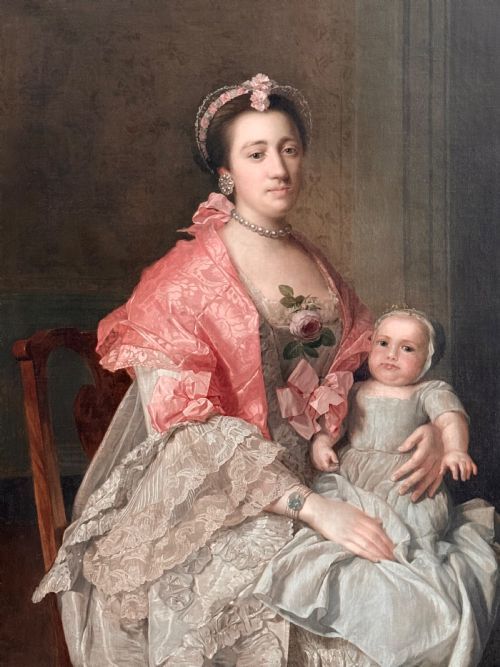
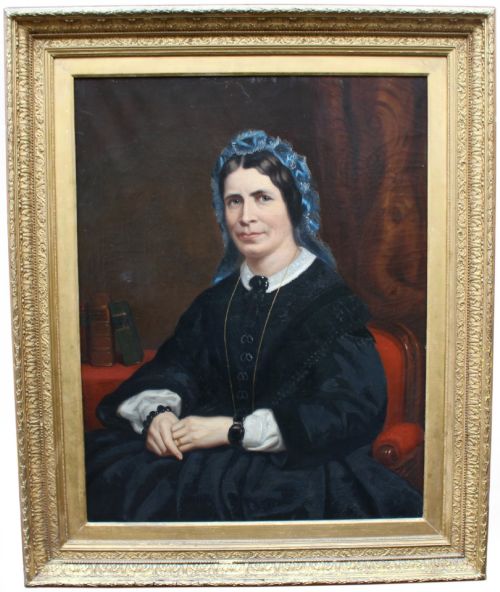
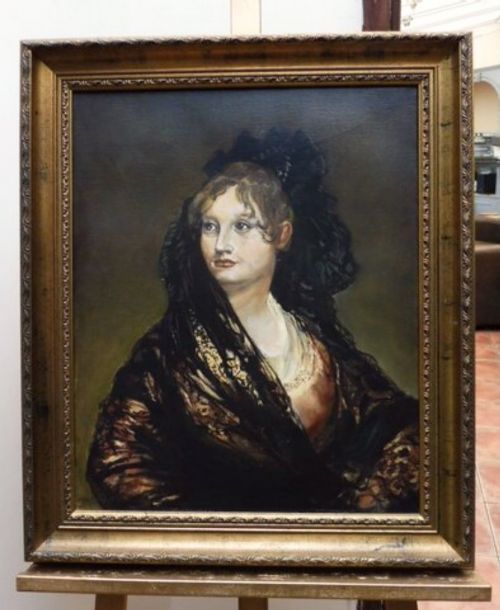
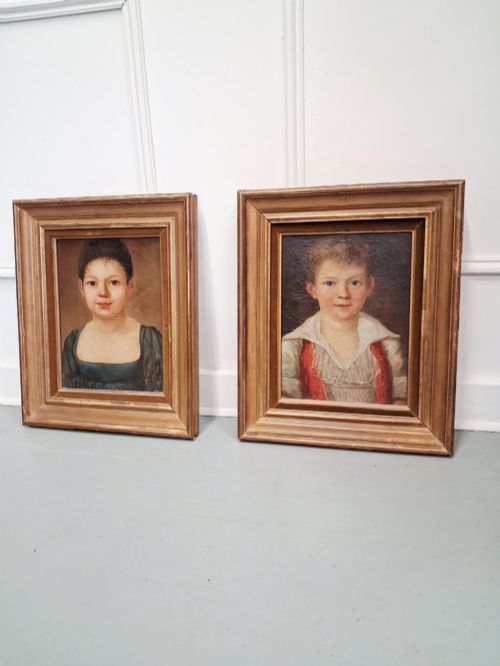
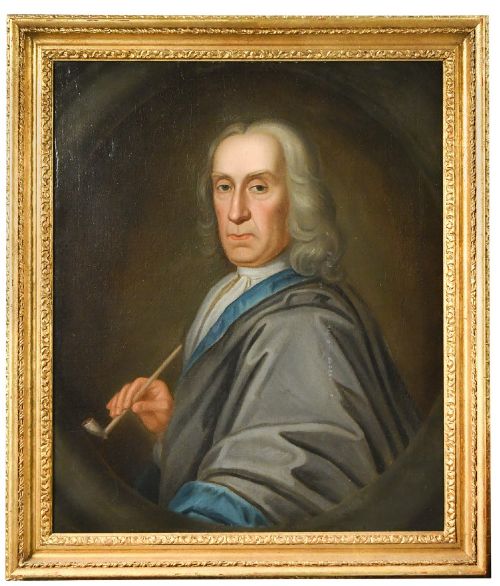
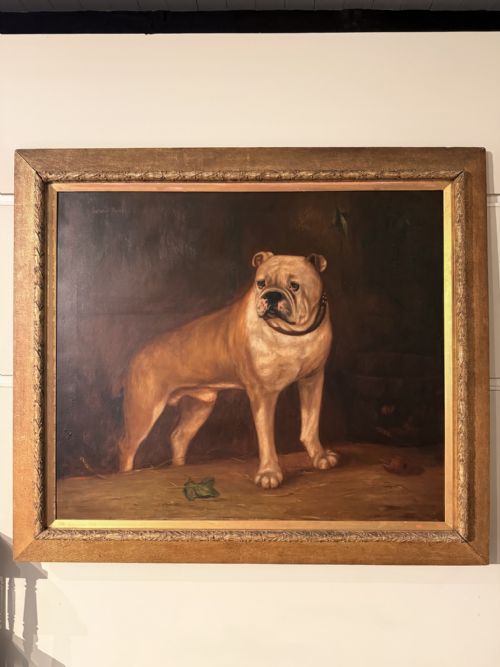
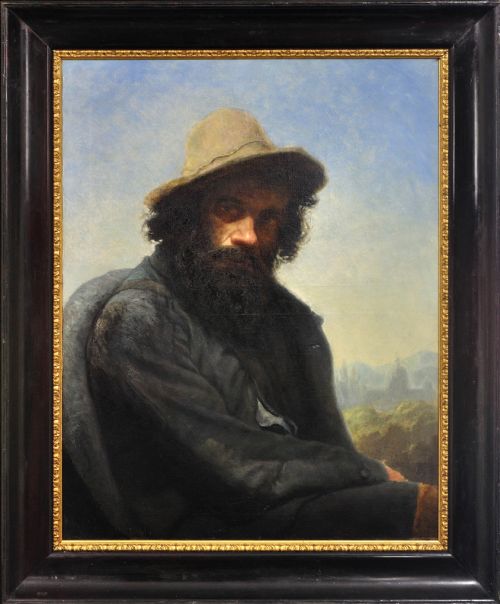
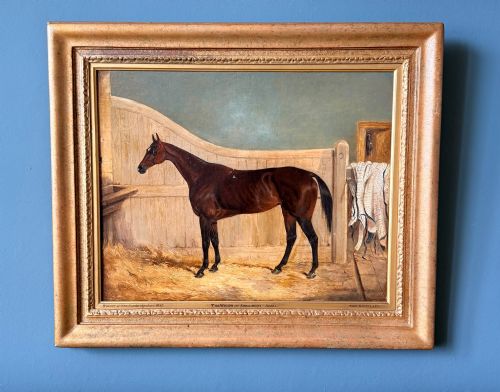
When you search for a traditional portraiture canvas, you encounter oil paintings on woven fabric support depicting gentlemen, ladies, children, sporting horses and dogs. These works span from the seventeenth century through the Georgian, Victorian and Edwardian eras into the mid-twentieth century.
The most common examples on this page date from the nineteenth century, including British and European school paintings. Subjects range from military officers and nobility to domestic pets, rendered in styles such as realism and romanticism.
Portraits take various forms, from intimate bust-length sketches of young ladies to large-scale framed depictions of judges and historical figures. Each piece records likeness and character using traditional oil techniques.
Materials and construction methods
These works utilise oil paint applied to canvas supports, frequently mounted on wooden stretchers. Many examples retain their original or period frames constructed from wood, gesso and giltwood.
Artists built images through layered oil pigments, ranging from fine glazes on seventeenth and eighteenth-century canvases to heavier impasto strokes on nineteenth-century academic and realist works.
Traditional Portraiture Canvas Retail Price Guide 2026
Typical asking prices for traditional portraiture canvas among the pieces listed under this phrase on Sellingantiques today, from the lower quarter to the upper quarter. They describe what is for sale here now, not the wider market.
Several canvases capture unexpected sitters, including a terrier standing in a walled garden and a young boy holding a butterfly.
Distinctions in execution and condition
Quality rests upon the skill of the brushwork, the psychological depth of the sitter's expression, and the anatomical accuracy in rendering human subjects or animals. Master artists capture subtle lighting and texture in fabrics, skin and hair.
The integrity of the canvas support, the stability of the oil paint layer, and the preservation of the original gilt frame contribute significantly to the standing of an individual artwork.
Francisco José de Goya y Lucientes·Albin Mattenheimer·Thomas Walker Bretland·John Hamilton Mortimer·Edward Lloyd of Ellesmere·John Robert Dicksee·Frank Moss Bennett·Sir Thomas Lawrence·William Oliver·Valentine Thomas Garland·Franz Xaver Winterhalter·John Emms·Henry Scott·Thomas Beach·Rudolph Lehmann·John Partridge·John Dalziel Kenworthy·John Gilroy
The Traditional Portraiture Canvas Glossary
- Oil on Canvas
- A painting medium where pigments are bound with drying oils, spread across a woven fabric stretched over a wooden frame. This combination allows for rich colour blending and durability.
- Giltwood
- Wood carved and coated with gold leaf or gold paint, frequently used for ornate nineteenth-century picture frames. It adds reflective warmth around the artwork.
- Gesso
- A white paint mixture consisting of a binder mixed with chalk, gypsum or pigment, applied to wooden frames before gilding. It provides a smooth surface for finishing.
- Realism
- An artistic movement focusing on everyday subjects and people in natural settings, prominent in nineteenth-century portraiture. It avoids theatrical idealisation in favour of observable truth.
- Romanticism
- An artistic style emphasising emotion, individualism and dramatic lighting, seen in Spanish and British portraits of the nineteenth century. Painters highlighted mood and atmosphere over strict academic convention.
Traditional Portraiture Canvas: Frequently Asked Questions
How do I date a portrait canvas?
Dating relies on costume, hair styling, framing techniques and artist signatures where present. Clothing styles, such as Georgian waistcoats or Victorian bonnets, offer precise chronological markers.
Additional evidence often comes from biographical details of identified sitters or exhibition labels attached to the reverse of the stretcher.
What is the difference between British and European school portraits?
British school works often reflect domestic portrait traditions focusing on landed gentry, sporting subjects and civic figures. They tend to emphasise sober realism and character.
European school examples frequently incorporate continental romanticism or academic training from centres like Munich or Paris, showing distinct regional palettes and theatrical staging.
How should I hang an oil portrait?
Display oil portraits on sturdy walls away from direct sunlight and steady heat sources to protect the canvas and paint layers. Adequate picture hooks matching the weight of the frame are essential.
Ensure the room maintains stable humidity levels to prevent warping in the wooden stretchers and the surrounding gilt frame.
Are dog and horse portraits common in traditional art?
Animal portraiture formed a significant genre in the nineteenth century, commissioned by owners to record prize-winning livestock, hunting dogs and family pets. Artists specialised in capturing specific animal anatomy and character.
These works hold equal status to human portraits within historical British fine art collections.