

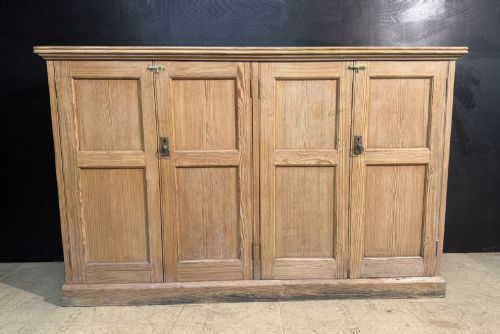

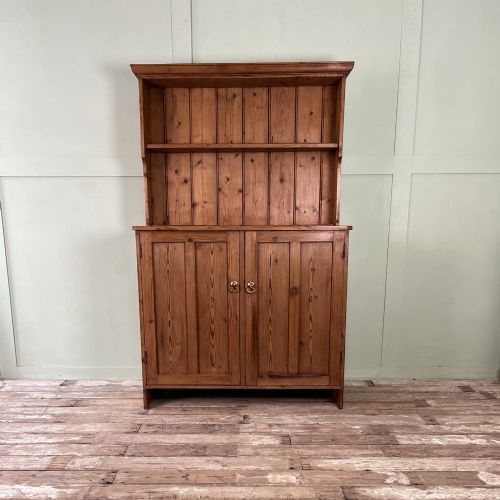
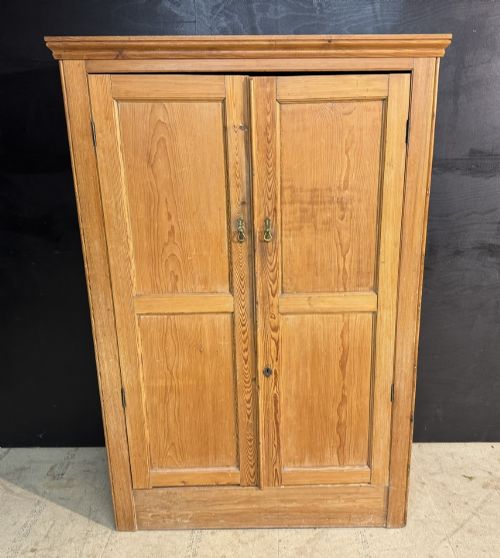
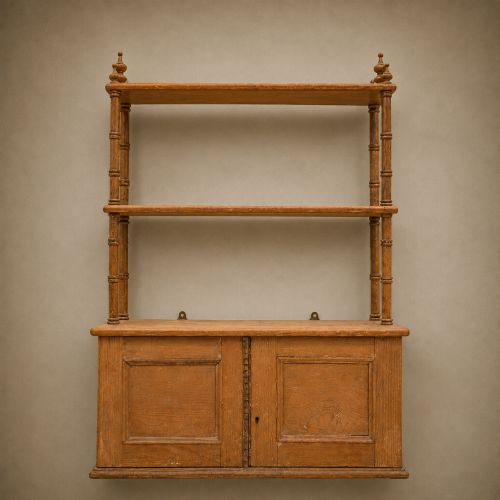
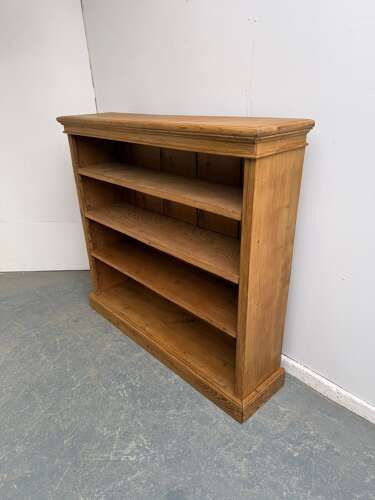
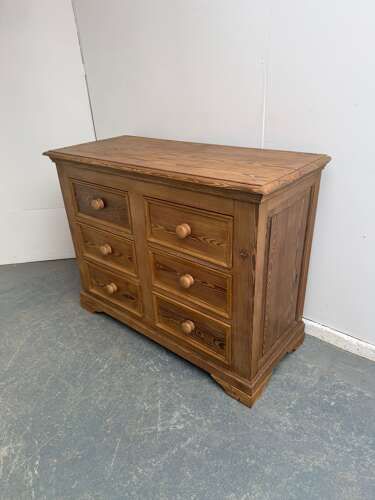
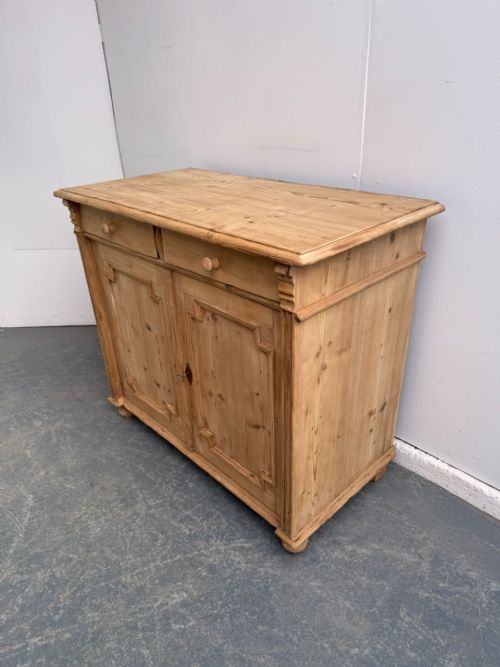
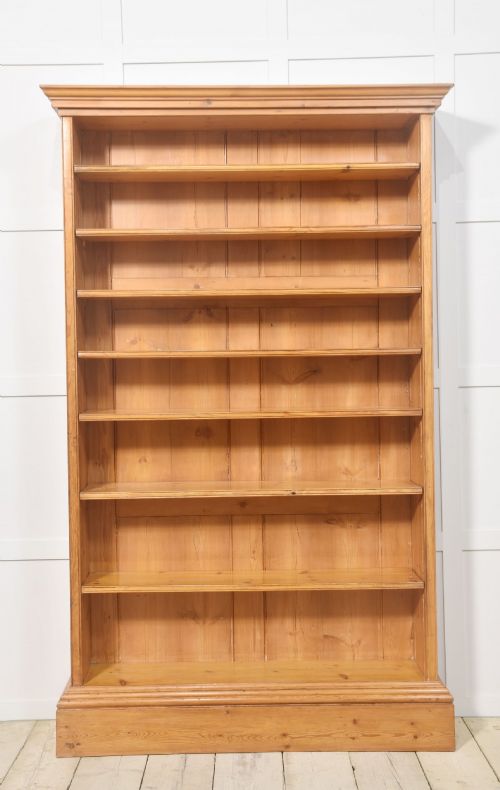

Traditional Pine Unit
A traditional pine unit brings practical utility and warmth into a room through honest utilitarian forms built from timber.
Traditional Pine Unit
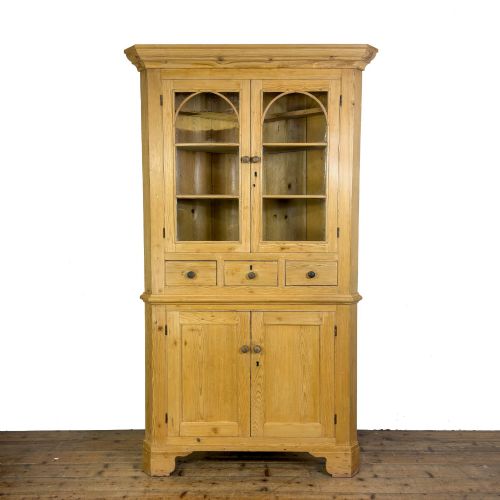
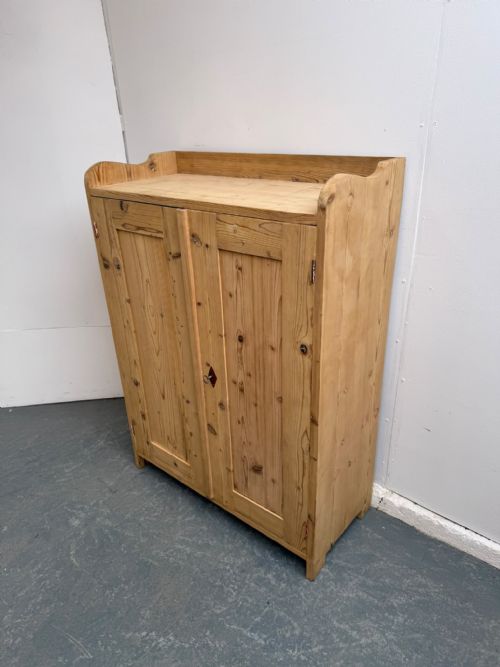
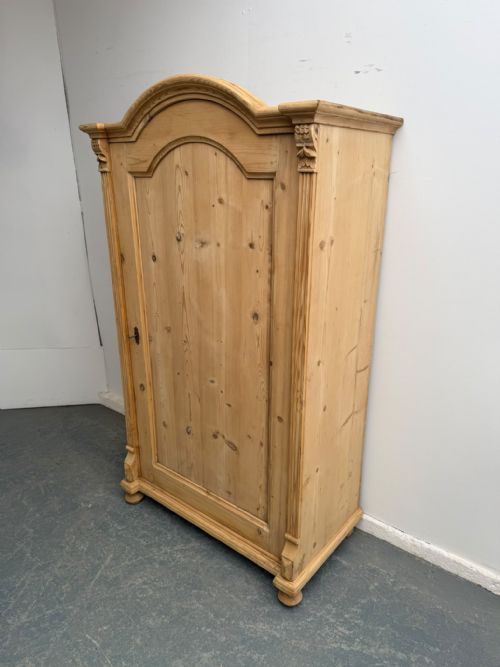
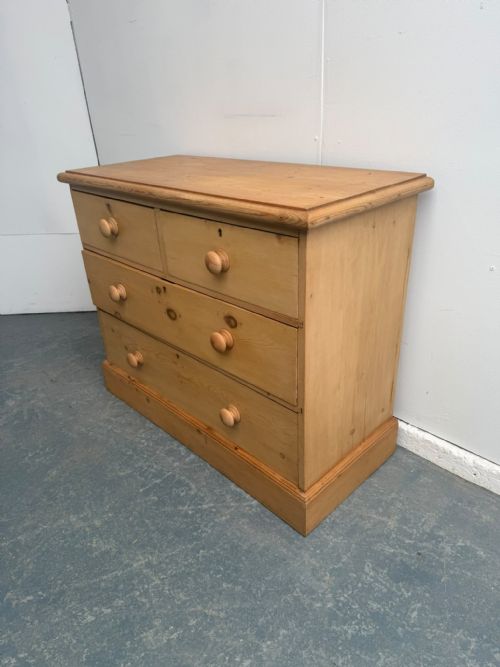
A traditional pine unit serves everyday storage needs through functional household furniture forms like chests of drawers, bookcases, dressers, and cupboards. These pieces originate from domestic settings where durability and utility took precedence over ornamental design.
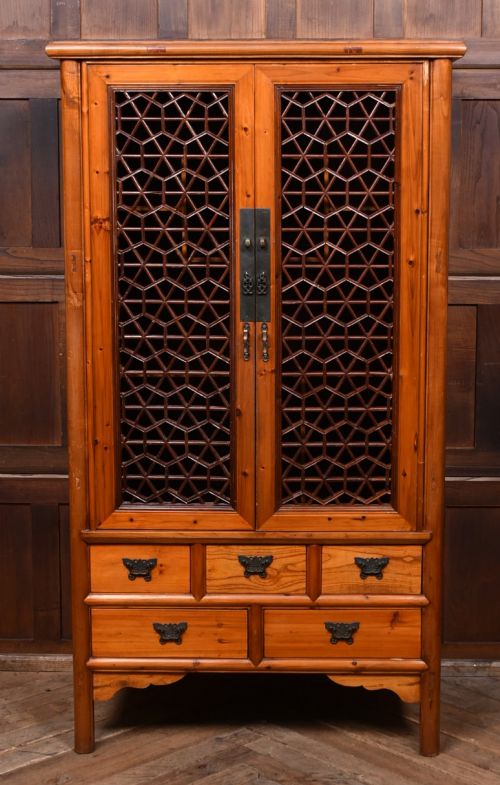
The versions most commonly met across these listings span the Victorian and 19th Century periods, alongside Edwardian, Georgian, and 18th Century examples. Makers utilised softwoods to construct robust storage solutions that range from compact corner cabinets to large kitchen dressers and extensive banks of drawers.
Regional variations appear in the selection, including English, Irish, Scottish, and Continental pieces, alongside examples featuring scumble paint finishes or traditional waxed surfaces. Buyers encounter both stripped natural timber and painted finishes depending on the original domestic context of the item.
Materials and construction methods
Construction relies primarily on pine and deal wood timbers, selected for their availability and workability in crafting large domestic storage furniture. Workshops utilised solid timber boards for carcases, drawer fronts, and shelving, occasionally incorporating brass and iron hardware such as hinges, handles, and locks.
Surface treatments recorded in the evidence include traditional wax finishes, scumble paint effects, and plain painted timber surfaces. These finishes protected the wood while adapting to changing interior tastes across the Georgian, Victorian, and early 20th Century eras.
Traditional Pine Unit Retail Price Guide 2026
Typical asking prices for traditional pine unit among the pieces listed under this phrase on Sellingantiques today, from the lower quarter to the upper quarter. They describe what is for sale here now, not the wider market.
A Scottish shoe rack sits quietly among the heavy dressers and linen cupboards, proving that even boots needed proper accommodation in the past.
Factors that define quality
Quality in these pieces depends upon the integrity of the original timber construction and the survival of period characteristics like adjustable shelving or original hardware. Pieces that retain their structural soundness without heavy modern alterations stand apart from heavily rebuilt examples.
The presence of original surface treatments, whether a well-maintained wax patina or traditional scumble glaze, contributes significantly to the character of a piece. Finer examples display careful proportioning in functional forms such as corner cupboards and dressers.
The Traditional Pine Unit Glossary
- Scumble
- A decorative paint technique used to imitate the grain of more expensive hardwoods over a pine base. This finish creates patterned surface textures common on 19th Century furniture.
- Dresser base
- The lower section of a kitchen dresser, usually featuring cupboards and drawers beneath a flat top. These units provided sturdy kitchen workspace and heavy storage.
- Larder cupboard
- A tall storage cabinet traditionally ventilated for food preservation in domestic kitchens. These pieces often feature interior shelving and panelled doors.
- Deal wood
- A term historical carpenters used for softwoods such as fir and pine. It served as the standard material for utilitarian furniture construction.
Traditional Pine Unit: Frequently Asked Questions
What is a traditional pine unit used for?
These pieces function as practical storage furniture for clothing, books, kitchenware, and household goods. Their sturdy construction suits daily use in living spaces and kitchens alike.
Items range from tall bookcases and corner cabinets to wide chests of drawers and housekeepers cupboards, offering versatile storage solutions for different rooms.
How do I date a pine unit?
Dating relies on construction methods, hardware styles, and timber characteristics observed across the piece. Period markers align with Victorian, Edwardian, Georgian, and 18th Century eras.
Details such as drawer construction, backboards, and original surface treatments help distinguish earlier Georgian and 18th Century examples from later 19th Century and Edwardian pieces.
Are these pieces painted or waxed?
Surfaces vary according to original domestic use and subsequent treatment by owners. Listings feature waxed timber, scumble paint finishes, and plain painted surfaces.
Many pieces survive with their original waxed patina, while others retain decorative scumble glazes or plain paint applied during the 19th or early 20th Centuries.
Where were these pieces made?
Origin points include English, Irish, Scottish, and Continental workshops. Regional cabinetmakers built these units for domestic utility using locally sourced softwoods.
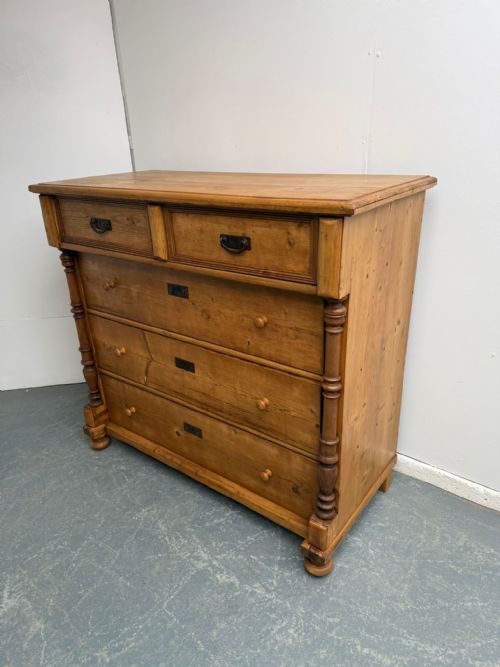
Design characteristics often reflect their regional origins, from traditional English dressers to columned chests of drawers from continental workshops.