





Traditional Pine Shelves
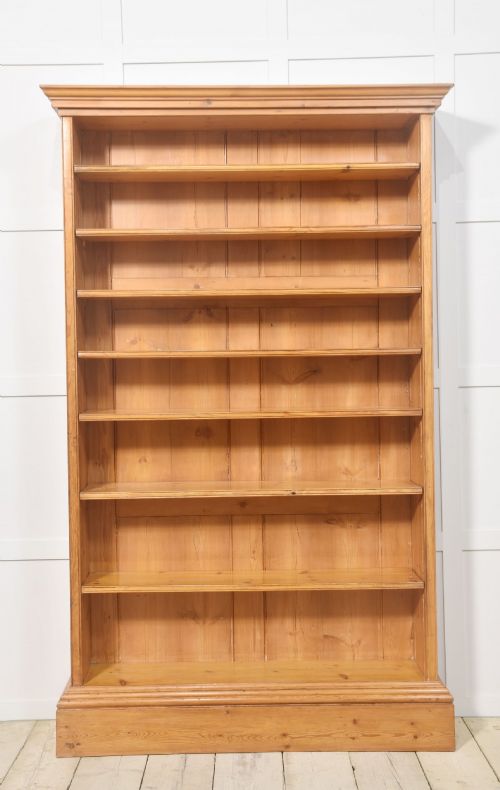
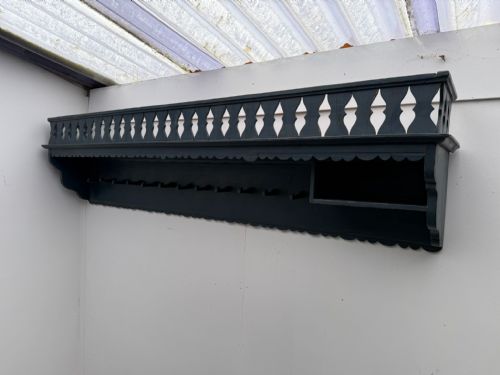
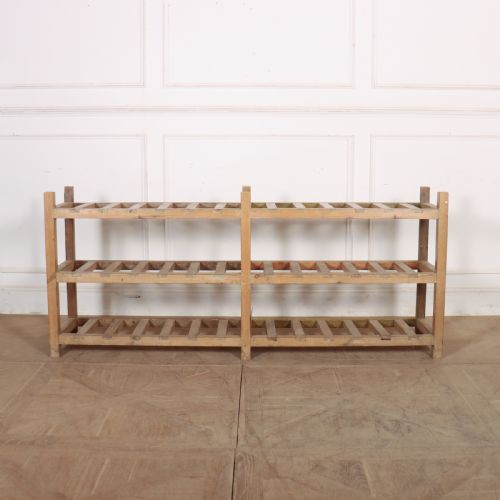
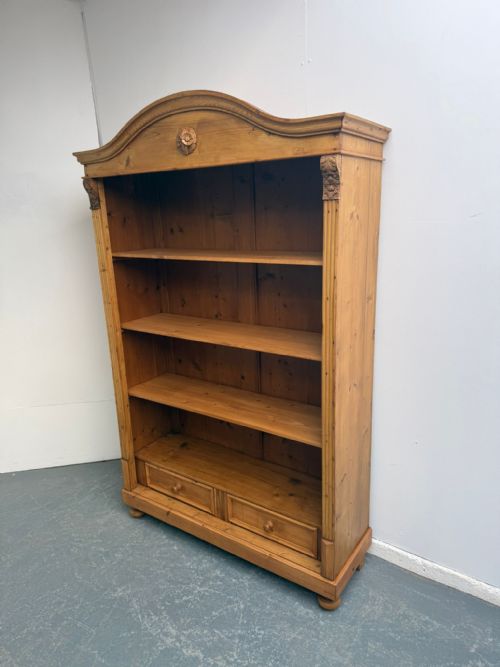
Traditional pine shelves bring functional utility and rustic charm to domestic spaces, spanning open bookcases, wall racks, and dresser bases.
Traditional Pine Shelves
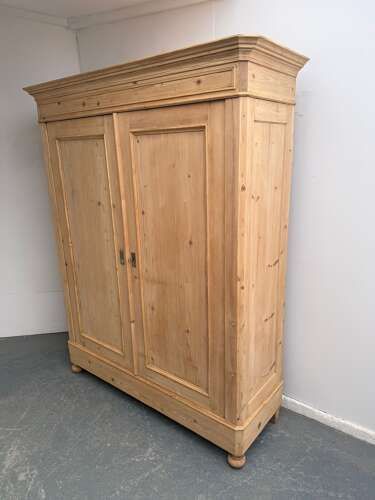
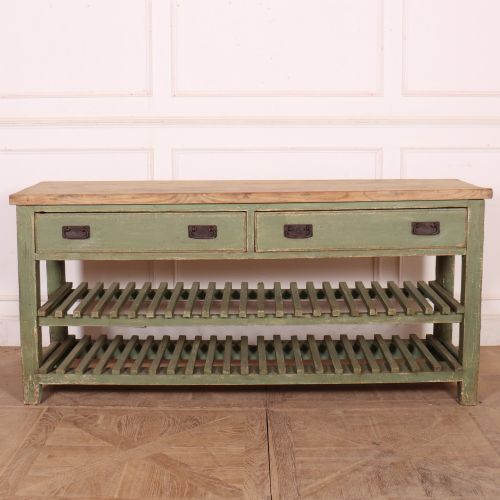
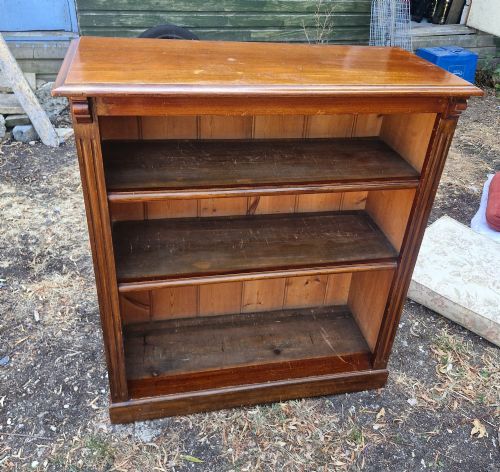
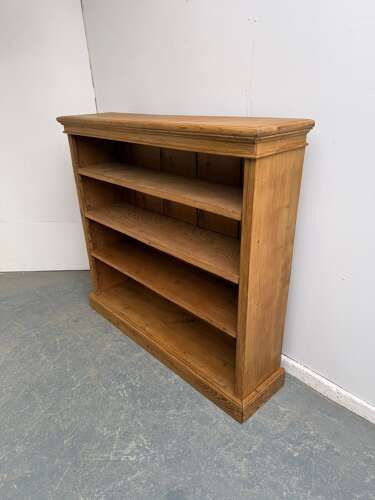
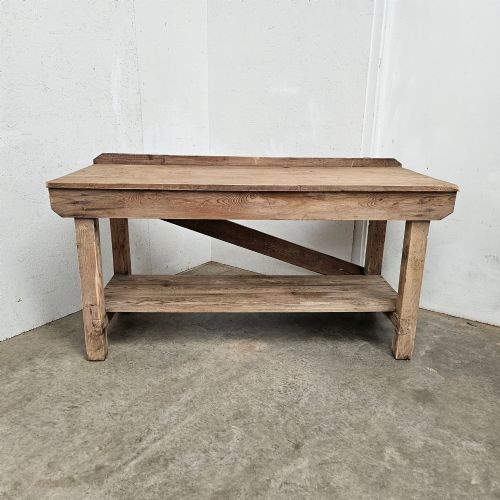
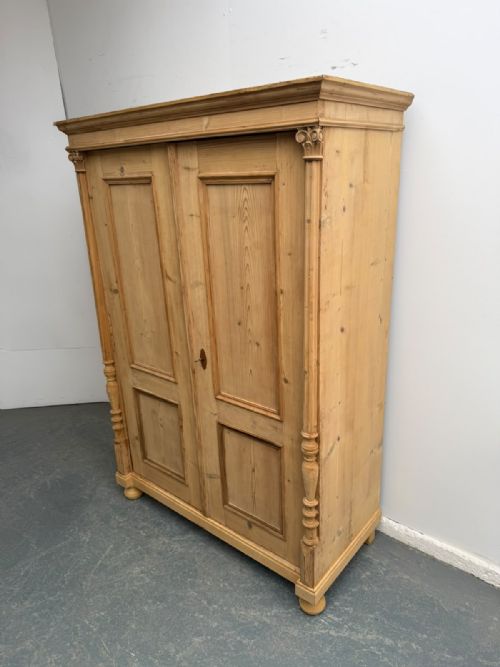
Traditional pine shelves encompass domestic storage furniture built from timber, spanning bookcases, wall-mounted racks, and dresser bases. These functional items appear across various regional idioms, including English, Scottish, Welsh, and Hungarian farmhouse styles.
The pieces on this page draw from the 18th century, the Georgian era, the Victorian period, and into the 20th century. Open bookcases and kitchen wall racks represent the most common forms encountered by buyers seeking this aesthetic.
How they were made
Construction relies primarily on pine and deal wood timbers, frequently finished with wax or left in original painted surfaces such as blue. Metal elements like brass sometimes appear in functional hardware and fixings.
Makers utilised straightforward joinery techniques suited to utility furniture, producing items designed for daily domestic service in farmhouses and country homes.
Traditional Pine Shelves Retail Price Guide 2026
Typical asking prices for traditional pine shelves among the pieces listed under this phrase on Sellingantiques today, from the lower quarter to the upper quarter. They describe what is for sale here now, not the wider market.
Materials recorded across the inventory include pine, deal wood, timber, paint, and brass hardware.
What varies in quality
Quality depends on the integrity of the timber and the preservation of original surfaces, whether waxed or painted. Simple, honest construction with proportional balance distinguishes better examples from utilitarian workshop output.
The Traditional Pine Shelves Glossary
- Pine
- A softwood timber commonly utilised for domestic furniture and country utility pieces. It takes wax and paint finishes readily.
- Deal wood
- A historical term for fir or pine timber used extensively in carcase construction and shelving. It offers a pale grain that patinates over time.
- Potboard
- A lower open shelf on a dresser base traditionally used for storing pots and heavy kitchen utensils. It anchors the structural frame of the furniture.
- Plate rack
- A wall-mounted or integrated shelving unit designed specifically to display plates upright. Grooves along the shelves secure the crockery in place.
- Adjustable bookcase
- A shelving unit featuring mechanisms to alter the height of individual shelves. This allows flexibility for varying book sizes.
Traditional Pine Shelves: Frequently Asked Questions
Where should I place traditional pine shelves?
These pieces suit kitchens, living rooms, and studies where practical storage meets rustic character. Open formats work well for books and everyday display.
Ensure placement avoids damp environments and direct heat sources to protect the aged timber and any historical wax or paint finishes.
How do I care for waxed pine furniture?
Maintain the surface by applying a quality beeswax periodically to nourish the timber and preserve the soft sheen. Avoid modern silicone sprays.
Dust regularly with a dry cloth and keep the furniture away from prolonged direct sunlight to prevent drying and fading of the wood.
Are these shelves suitable for heavy books?
Many period bookcases and wall shelves feature robust timber construction capable of supporting substantial libraries. Check the thickness of the boards.
Adjustable shelving systems allow you to configure shelf heights closely, which helps prevent longer boards from bowing under heavy loads.
How can I tell the period of a pine shelf?
Dating relies on construction methods, timber characteristics, and surface treatments like early paint or traditional wax. Fasteners and joint types offer clues.
Victorian and earlier country pieces often show hand-tool marks and deeper patina compared to later 20th-century workshop furniture.