
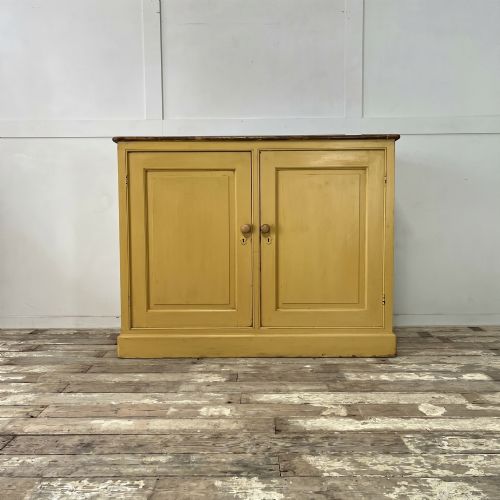
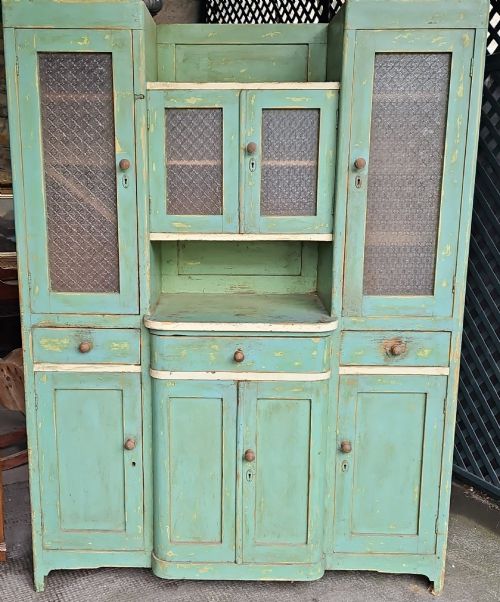


Traditional Pine Larder Cupboard
A traditional pine larder cupboard is a sturdy storage piece designed for provisions, bringing practical utility and rustic character to domestic spaces.
Traditional Pine Larder Cupboard
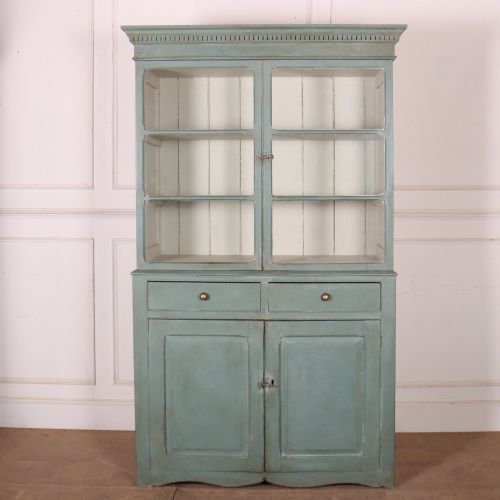
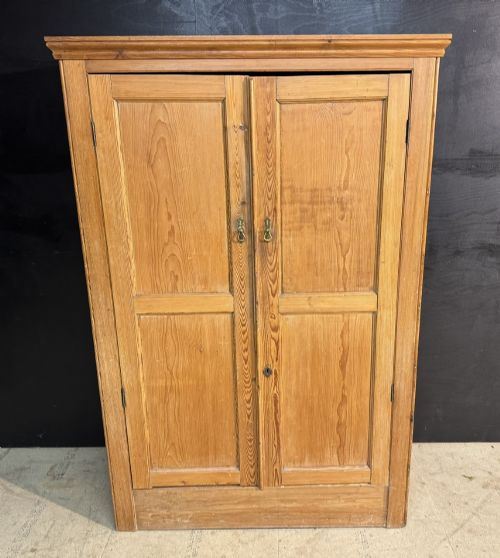
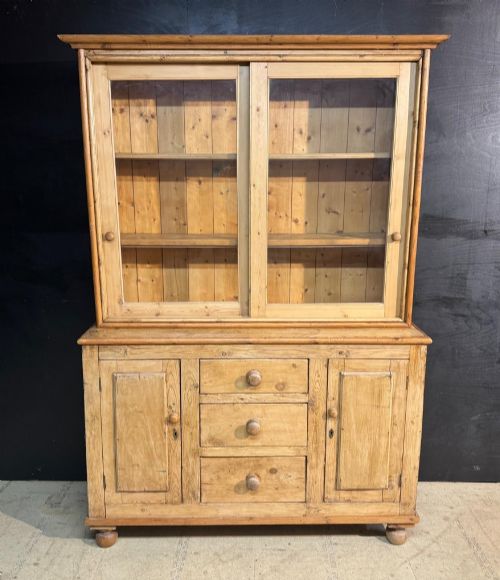
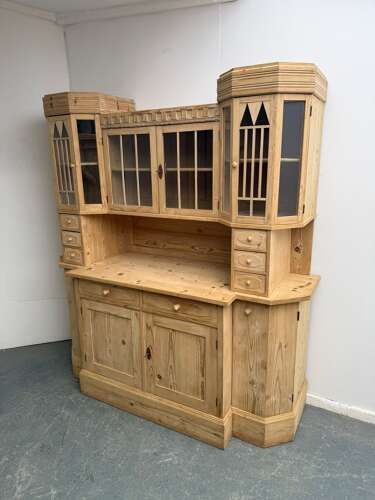
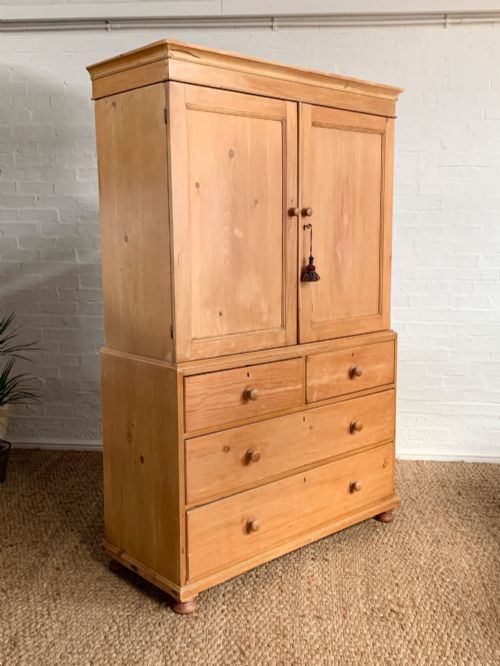
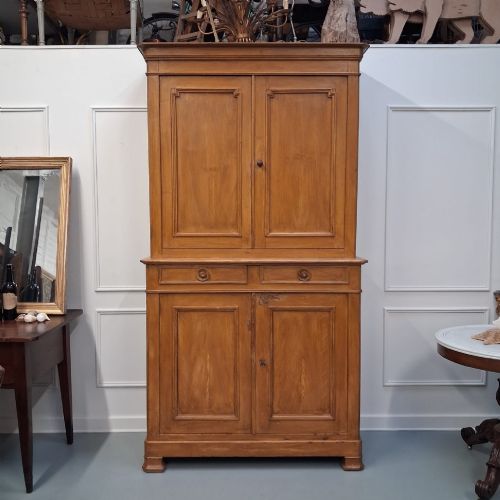
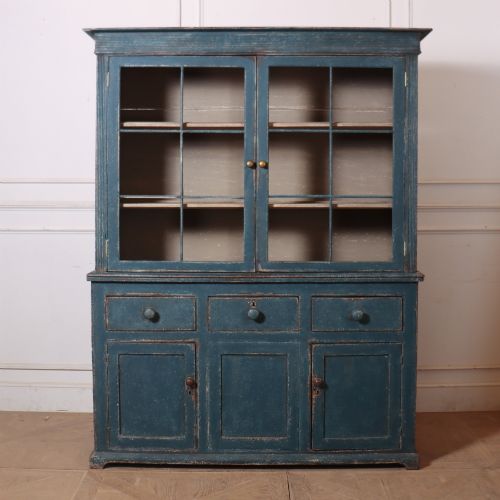
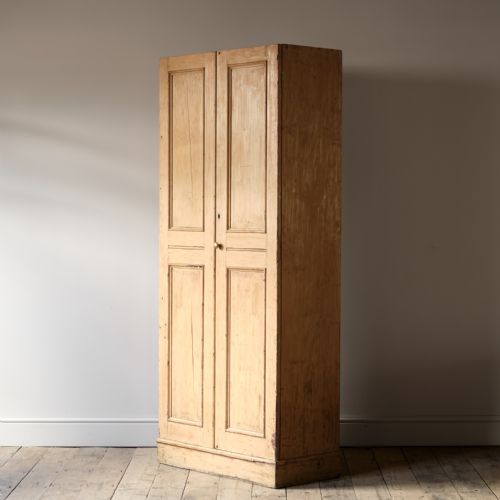
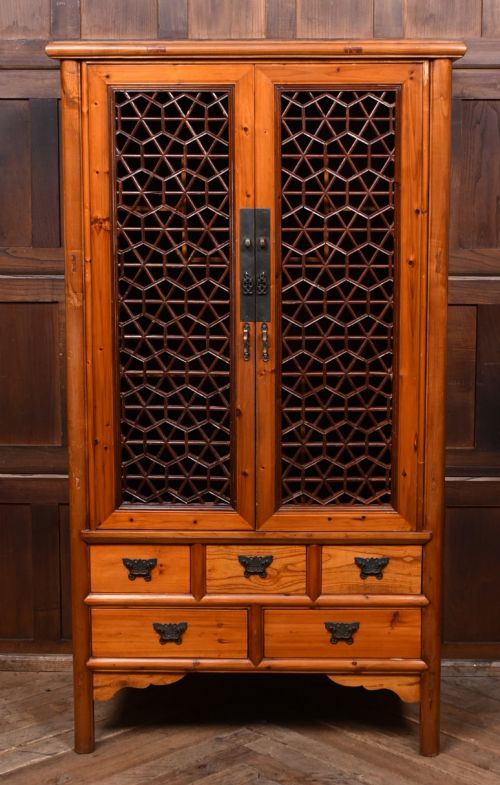
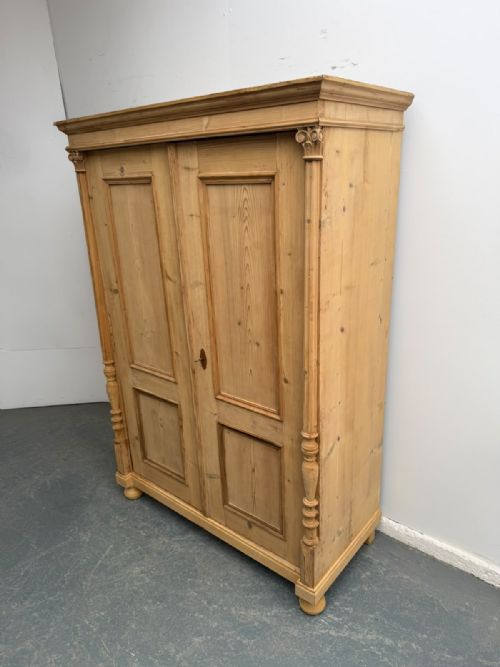
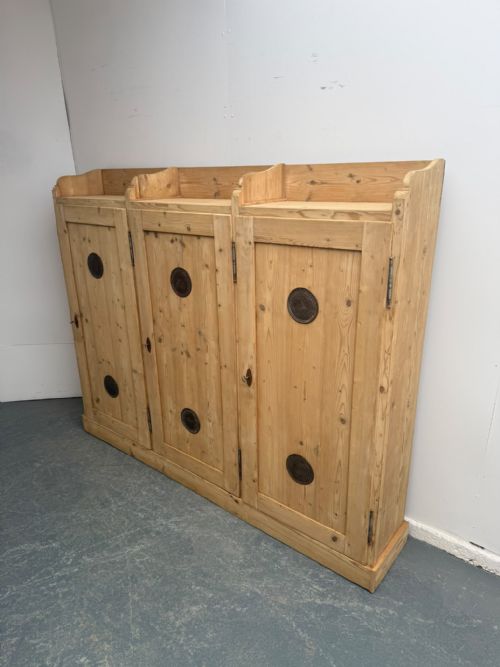
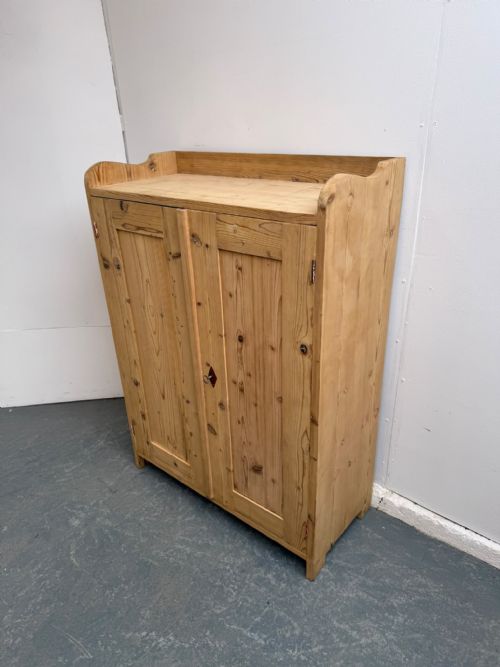
When searching for a traditional pine larder cupboard, buyers encounter substantial storage furniture originating from the eighteenth, nineteenth, and early twentieth centuries. These pieces encompass regional forms such as housekeepers cupboards, kitchen dressers, and scullery cupboards from British, French, Hungarian, and Japanese sources.
The selection on this page demonstrates varied utilitarian forms, ranging from tall two-door storage units and shallow vented cupboards to multi-piece dressers and bread and cheese cupboards. Surviving examples reflect the practical demands of domestic food storage before modern refrigeration.
How they were made
Construction relies primarily on solid pine timbers, utilised for both structural carcases and internal shelving. Hardware elements incorporate iron hinges and latches, brass fixtures, and occasional glass panels for display or ventilation.
Surfaces exhibit either stripped natural wood finished with wax or historical layers of paint in various tones. Joinery methods reflect traditional workshop practices appropriate to provincial furniture production.
The inventory includes regional forms from England, Scotland, France, Hungary, and Japan.
What varies in quality
Differentiation across the range depends upon the integrity of the original timber and the survival of early painted finishes or natural patination. Proportion, scale, and regional characteristics also influence distinction between standard utility items and finer workshop commissions.
The degree of original hardware retention and internal configuration, such as specialised shelving or ventilation slats, marks the distinction between ordinary storage boxes and well-preserved vernacular survivals.
The Traditional Pine Larder Cupboard Glossary
- Housekeepers cupboard
- A large storage cabinet traditionally used for linens, dry goods, and domestic supplies. These units often feature multiple doors and internal shelving.
- Bread and cheese cupboard
- A specialised food storage piece incorporating ventilated panels or mesh doors. This design permitted air circulation around perishable foodstuffs.
- Scullery cupboard
- A utilitarian storage cabinet designed for damp or functional kitchen environments. Such pieces typically display sturdy construction and simple hardware.
- Dresser
- A dual-purpose form combining lower enclosed cupboards with upper shelving or an entire multi-tier structure. They served for food preparation and tableware display.
Traditional Pine Larder Cupboard: Frequently Asked Questions
What is a traditional pine larder cupboard?
A traditional pine larder cupboard is a functional wooden storage unit built to hold food provisions, kitchenware, or linens in domestic interiors.
These pieces typically date from the eighteenth to the early twentieth century and originate from various English regions as well as continental workshops.
How were these cupboards used historically?
Historically, these cupboards served as the primary storage vessels for dry goods, cured meats, dairy products, and household utensils before mechanical refrigeration existed.
Kitchen staff and housekeepers utilised the enclosed spaces and ventilated sections to keep provisions organised and protected from pests.
How do I care for a painted pine cupboard?
Caring for a painted pine cupboard involves dusting with a soft, dry cloth and avoiding excessive moisture or direct sunlight that might crack historical paint layers. Nourishing waxed surfaces periodically with appropriate wood wax helps preserve the finish without damaging underlying timber.
How can I tell different periods apart?
Distinguishing periods relies on observing construction techniques, hardware types, and stylistic indicators such as Edwardian restraint or Victorian proportions. Earlier pieces from the eighteenth century often display hand-tooled joinery and vernacular characteristics distinct from later mass-produced workshop items.