



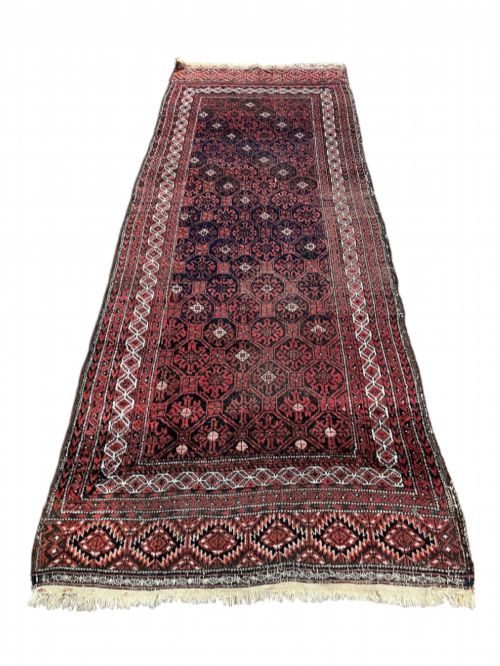
Traditional Persian Long Carpet
A traditional persian long carpet brings enduring warmth and historic character to corridors and narrow spaces.
Traditional Persian Long Carpet
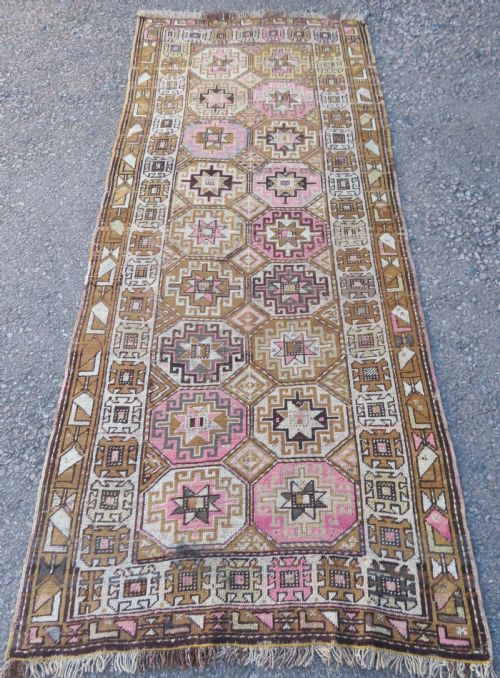
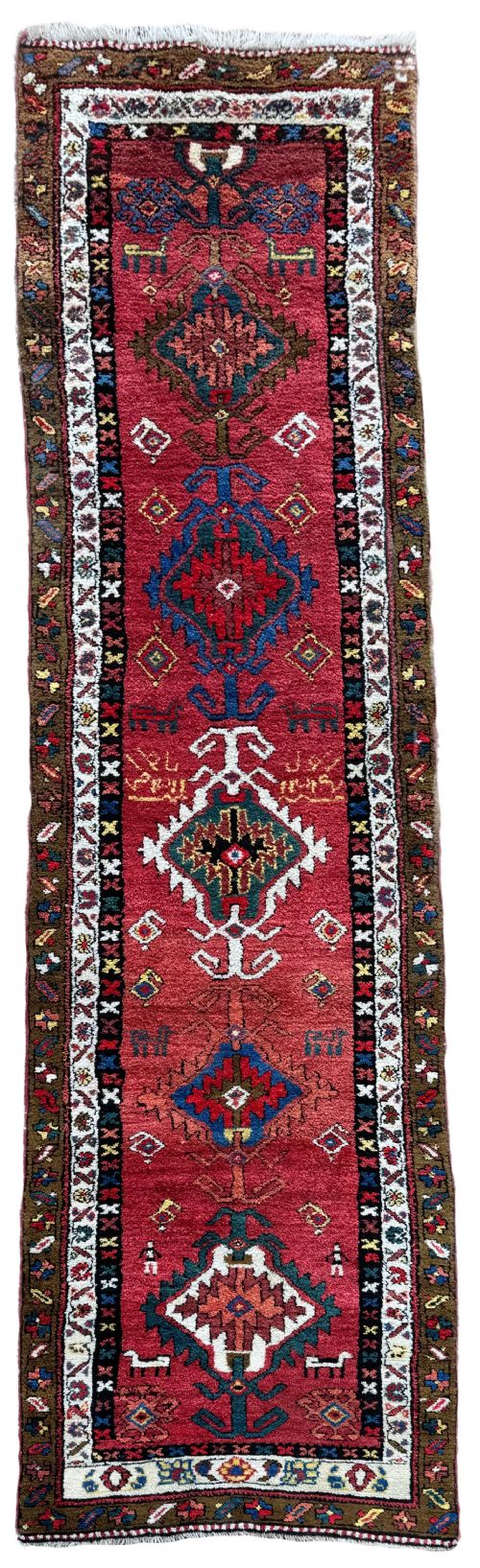
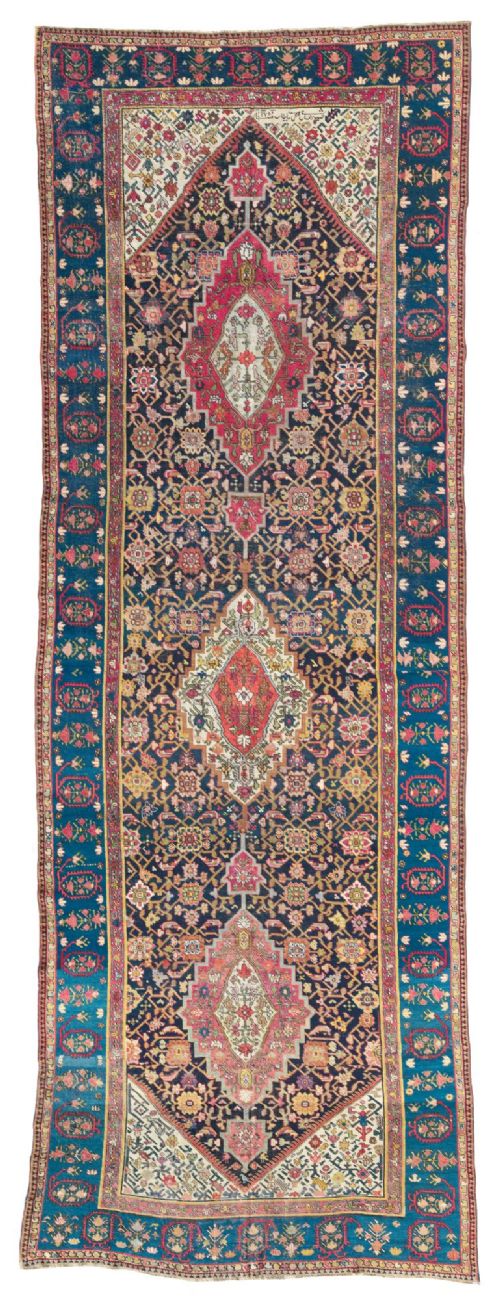
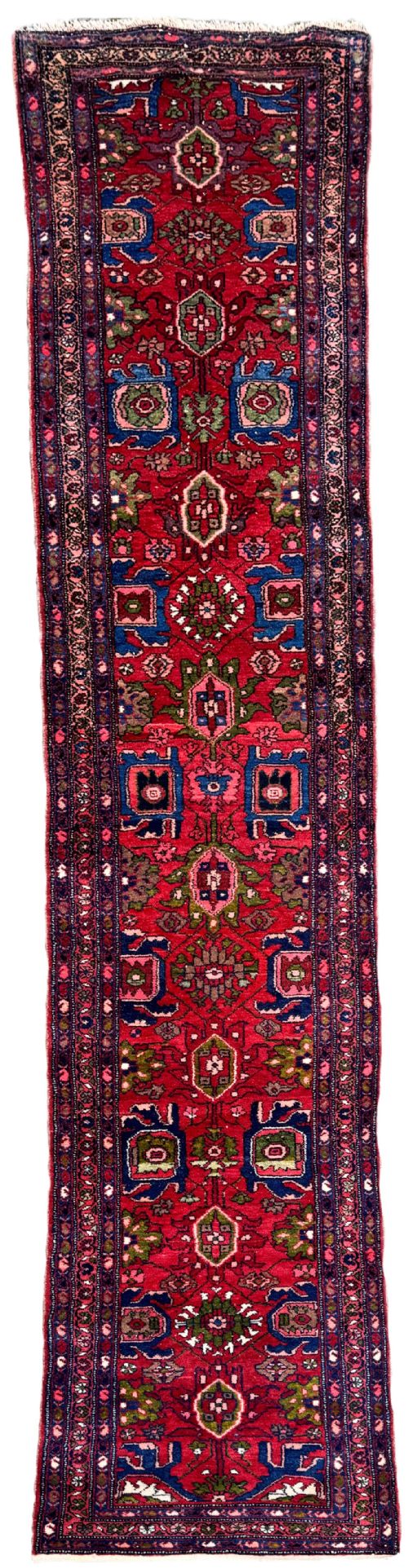
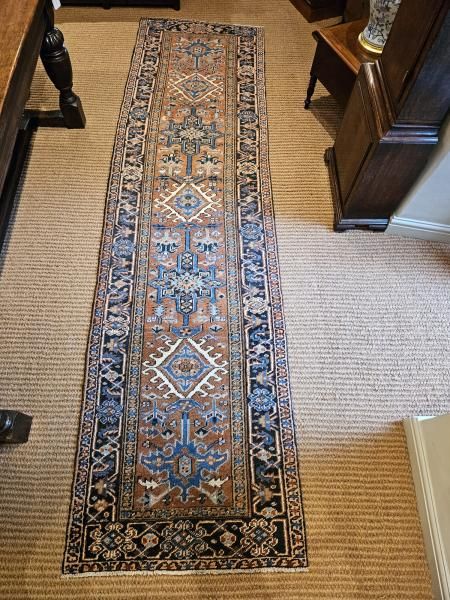
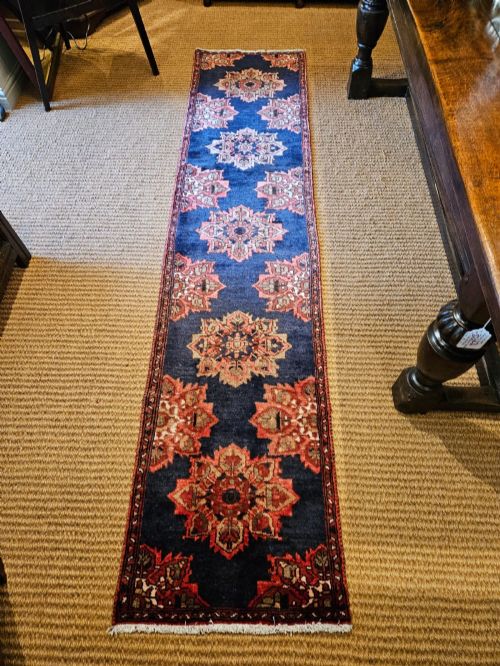
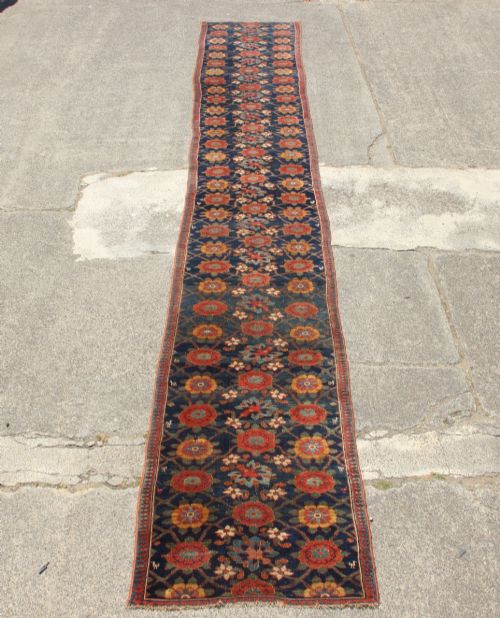
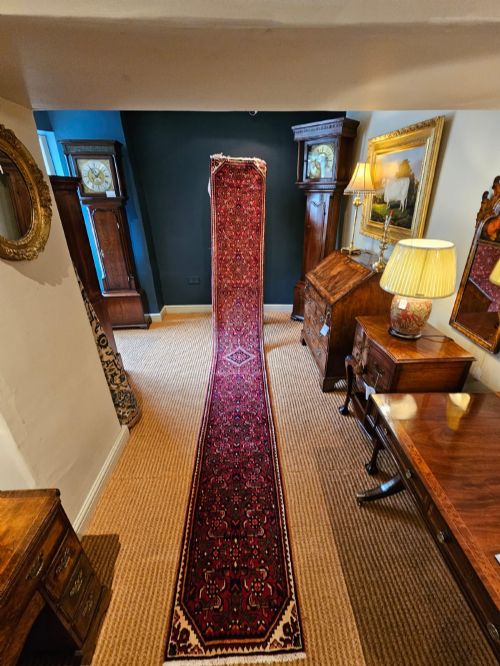
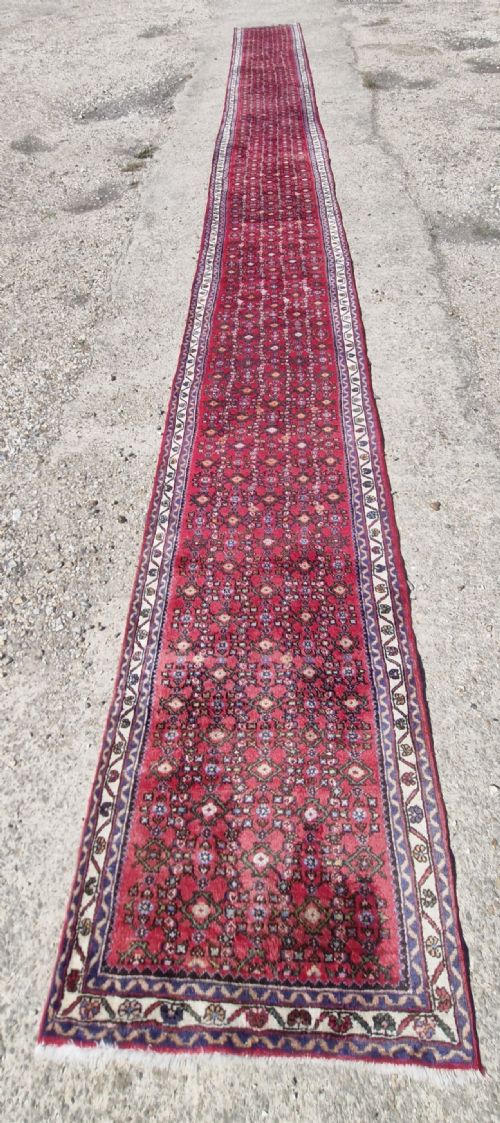
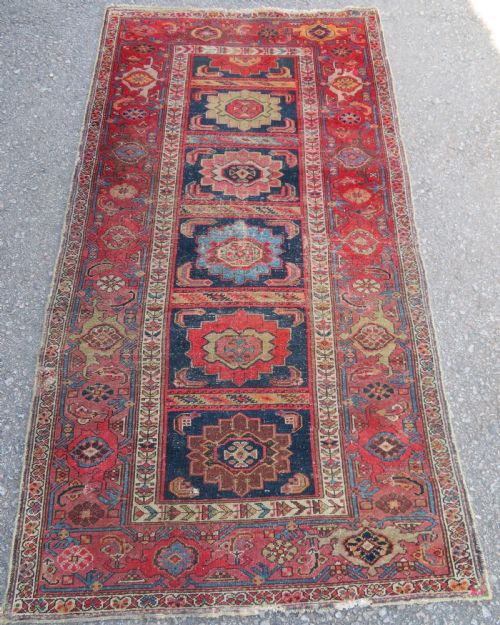
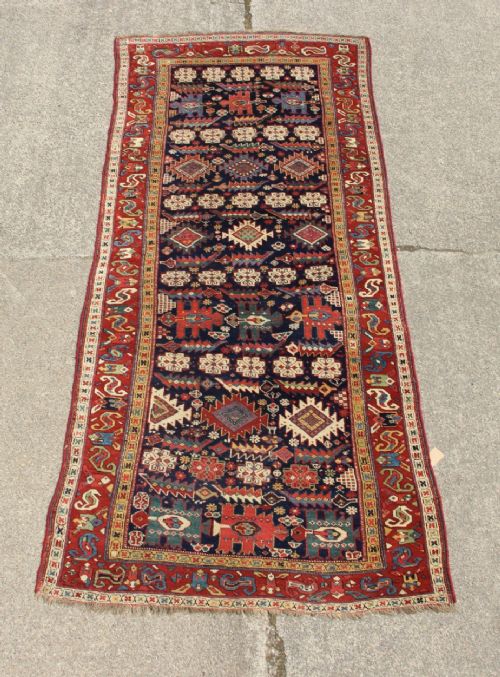
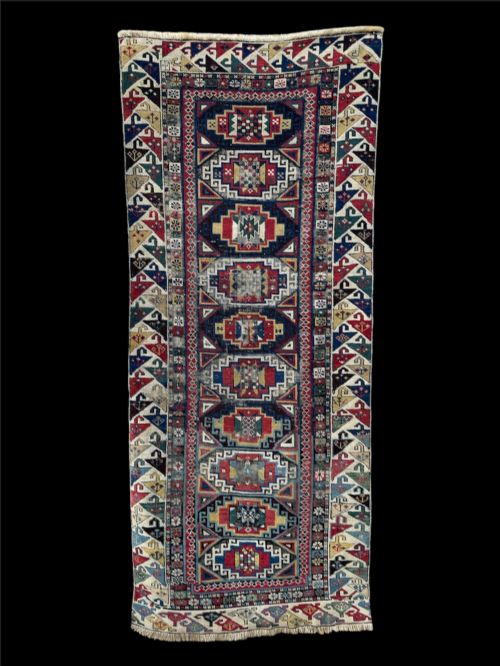
A traditional persian long carpet covers narrow spaces such as hallways, landings and long rooms with woven textile art. The pieces gathered under this heading include room-length kellys, narrow runners and tribal long rugs spanning the nineteenth and twentieth centuries. Originating from workshops and tribal regions across Persia and the Caucasus, these floor coverings adapt practical dimensions for long circulation areas.
Most examples seen here are runners and long rugs woven between eighteen-fifty and nineteen-thirty. Forms range from narrow geometric runners measuring under a metre wide to substantial kelleh carpets stretching past five metres. Village and tribal pieces from districts like Hamadan, Kurdish regions and Heriz appear frequently alongside Caucasian and Anatolian examples.
How they were made
These floor coverings utilise wool and cotton construction materials, with hand-spun wool frequently forming the pile. Foundation warps and wefts typically employ cotton or wool, knotted tightly by hand across traditional vertical looms. Natural and early synthetic dyes colour the wool in deep indigo blues, madder reds and olive greens.
Weaving techniques vary between nomadic tribal methods and established town workshop traditions. Tribal weavers rely on memory and local motifs, while workshop pieces follow drawn cartoons for precise geometric or floral layouts. The resulting textiles combine supple handle with durable pile suited for heavy foot traffic.
Current listings feature runners spanning from eighteen-fifty to nineteen-sixty, constructed in wool and hand-spun wool.
What varies in quality
Quality rests in the fineness of the knotting, the handling of the wool and the depth of the palette. Tighter knots allow crisper execution of intricate medallion and Mina Khani designs. Lustrous hand-spun wool retains resilience and ages with a richer patina than drier, coarser material.
Design integrity and dye consistency distinguish finer examples from standard village production. Harmonious colour saturation without abrupt dye shifts indicates careful preparation of natural colourants. Structural balance and straight edges reflect the skill of the original weaver.
Heriz·Hamadan·Bidjar·Bakshaish·Sarouk
The Traditional Persian Long Carpet Glossary
- Runner
- A long, narrow carpet designed specifically for hallways, corridors and staircases. These pieces typically maintain a length significantly greater than their width.
- Kelleh
- A large format carpet that is longer than a standard room rug but narrower than a full palace carpet. It often occupies a middle proportion between a square carpet and a runner.
- Mina Khani
- A repeating geometric pattern composed of stylised flowers linked by a lattice network. This traditional design appears frequently in Kurdish and Persian weaving.
- Warp
- The vertical foundation threads stretched lengthwise on the loom before knotting begins. Weft threads pass horizontally between these structural elements.
- Pile
- The dense, cut surface of wool or cotton knots that forms the upper layer of the carpet. The quality and height of this surface determine the texture underfoot.
Traditional Persian Long Carpet: Frequently Asked Questions
Where should I place a long runner?
These pieces suit long hallways, narrow landings, galleries and spaces beside bedroom furniture. Their elongated proportions draw the eye along a corridor while protecting wooden or tiled floors.
Ensure the floor space allows the edges to remain visible rather than crowding wall to wall. Underlay helps prevent slipping in high-traffic corridors.
How do I clean an antique wool runner?
Regular gentle vacuuming without a rotating brush lifts surface dust from the wool pile. Professional specialist cleaning remains safest for handling natural dyes and older fibres.
Avoid soaking the cotton foundation or using harsh chemical detergents that strip natural oils from the wool.
How do I date a traditional carpet?
Structural clues, dye analysis and design motifs help establish the approximate period of a textile. Nineteenth-century examples often feature saturated natural madder and indigo with varied abrash colour shifts.
Twentieth-century pieces may incorporate early aniline dyes alongside hand-spun wool. Comparing knot density and edge finishing provides further context.
What is tribal versus town weaving?
Tribal carpets are woven by nomadic or village groups using memory designs and geometric motifs. Town workshops follow precise drawn cartoons for balanced floral medallions and curved lines.
Both traditions produce durable floor coverings but offer distinct visual aesthetics.