



Traditional Persian Design Rug
A traditional persian design rug brings centuries of woven artistry into a room, offering enduring geometric and floral motifs that ground a floor space.
Traditional Persian Design Rug
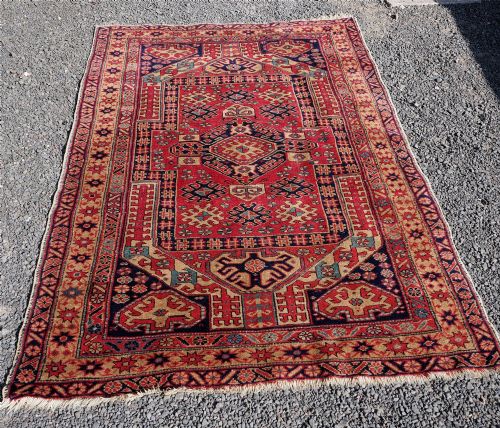
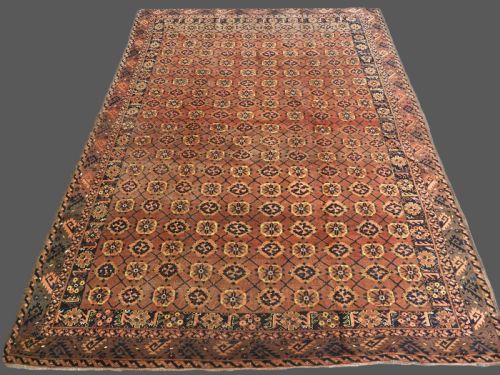
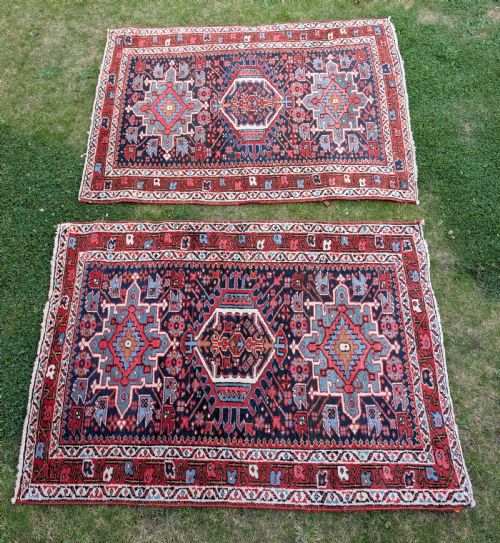
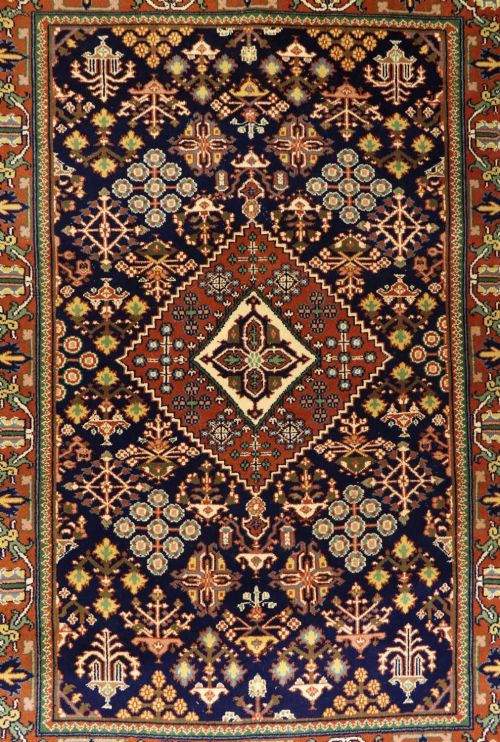
A traditional persian design rug encompasses hand-knotted and woven floor coverings that draw on historic Persian motifs, including medallion layouts, all-over floral patterns, and tribal geometries. Buyers searching for a traditional persian design rug will encounter pieces originating from workshops, villages, and nomadic tribes across Persia, the Caucasus, and surrounding regions.
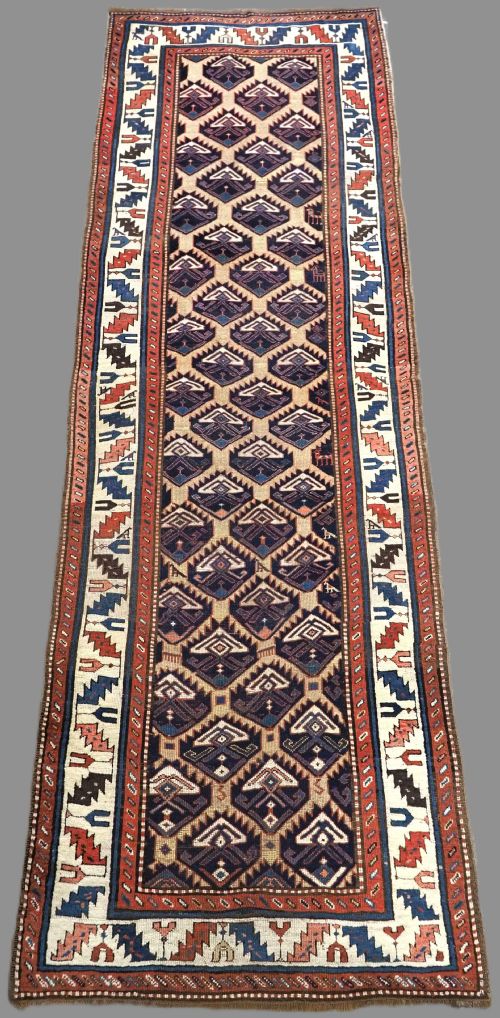
The pieces available span from the late nineteenth century through the mid-twentieth century, capturing periods such as the 1880s, 1900s, and 1930s. Common formats range from square area rugs and large carpets to long hallway runners, utilising established forms like prayer rugs and village carpets.
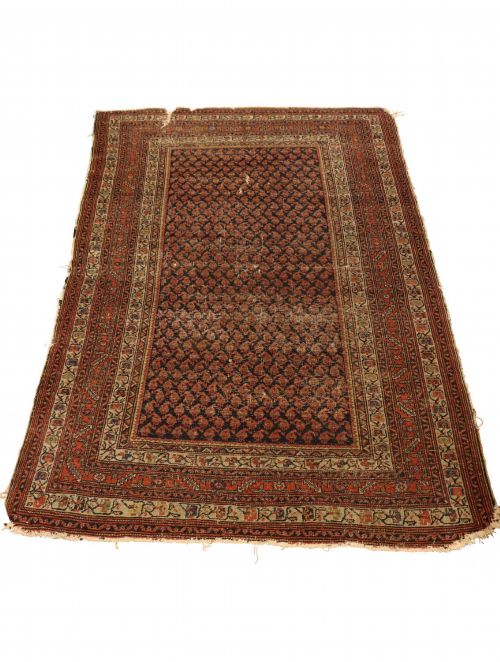
Makers and weavers adapted classic designs into distinct regional styles, producing works attributed to centres such as Kashan, Heriz, Tabriz, and Isfahan, alongside Baluch and Kurdish tribal variants. Each piece reflects the specific decorative vocabulary of its origin, whether structured garden layouts or repeat shrub and lattice patterns.
How They Were Made
These textiles rely principally on wool foundations and piles, often combined with cotton warps and wefts to provide structural stability. Certain regional pieces incorporate silk highlights, goat hair, or felt applique work to create textural contrast within the surface design.
Dyeing methods utilised natural dyes derived from plants and minerals, yielding warm, rich colour palettes that developed distinct patinas over decades of use. Skilled artisans executed hand-knotted pile construction alongside specialised techniques such as embroidery and felt appliqué, particularly in regional Rasht and tribal workshop productions.
Traditional Persian Design Rug Retail Price Guide 2026
Typical asking prices for traditional persian design rug among the pieces listed under this phrase on Sellingantiques today, from the lower quarter to the upper quarter. They describe what is for sale here now, not the wider market.
Several carpets preserve the secret of a weaver's stray goat hair tucked innocently into the wool pile.
What Varies in Quality
The fineness of the knotting and the precision of the graphic execution separate standard utility pieces from exceptional examples. Dense knot counts allow intricate floral vase patterns and minute geometric details to remain crisp and legible.
The depth and harmony of the natural dye palette significantly influence the visual standing of a textile. Variations in wool quality, from lustrous highland fleeces to heavier tribal wools, determine the resilience and tactile character of the pile.
Waring and Gillow
The Traditional Persian Design Rug Glossary
- Medallion
- A central ornamental design motif placed in the middle of the rug field. This focal element often anchors symmetrical floral or geometric arrangements.
- Herati
- A repeating pattern composed of a central rosette enclosed by a diamond lattice and flanked by curved leaves. It is a foundational motif across many classic Persian carpets.
- Boteh
- A stylized almond or paisley shaped motif representing a floral shoot or cypress tree. This ancient symbol appears frequently in repeat fields and border systems.
- Prayer rug
- A small format textile featuring a mihrab or arch design at one end, traditionally used to indicate the direction of prayer. These pieces often concentrate intricate floral or vase compositions within a defined field.
- Warp
- The vertical foundation threads stretched lengthwise on the loom before knotting begins. Weft threads are passed horizontally between these structural elements to secure the knots.
Traditional Persian Design Rug: Frequently Asked Questions
What is a traditional persian design rug?
A traditional persian design rug is a hand-knotted or woven textile featuring historic motifs developed in Persian and regional workshops, such as central medallions, repeating boteh, and intricate floral sprays.
These pieces reflect centuries of weaving heritage, utilising traditional patterns passed down through generations of artisans in towns and nomadic tribes.
How do I style a traditional persian design rug?
These rugs anchor both traditional and contemporary interiors, working well beneath dining tables, in hallways as runners, or as central pieces in living rooms.
Their rich natural colours and varied formats allow them to complement exposed timber floors, minimalist furniture, and classic architecture alike.
How can I tell the age of these rugs?
Age is indicated by structural evidence such as wool characteristics, the composition of natural dyes, and regional weaving traits recorded across late nineteenth and early twentieth century examples.
Examining the wear patterns, selvages, and foundation materials helps place a textile within periods like the 1880s, 1900s, or 1920s.
What are tribal designs on these rugs?
Tribal designs reflect the distinct cultural expressions of nomadic groups such as the Baluch, Kurds, Afshar, and Qashqai, prioritizing geometric structures, bold amulets, and stylized animal or plant forms.
Unlike formal workshop carpets from major urban centres, these village and tribal pieces emphasise direct, expressive layouts.