

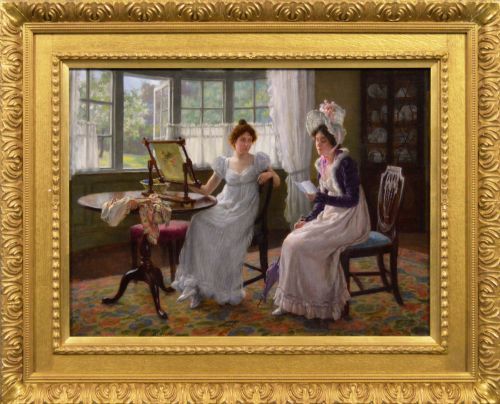


Traditional Period Artwork
Traditional period artwork encompasses centuries of oil paintings, watercolours and woodblock prints depicting portraits, landscapes and genre scenes.
Traditional Period Artwork
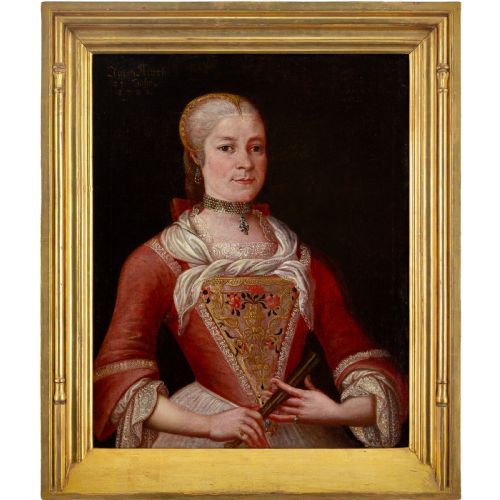
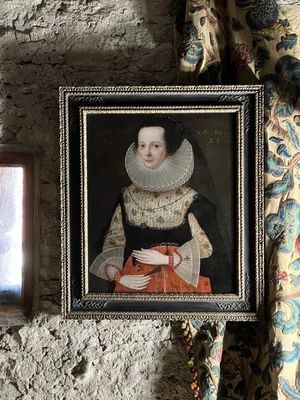
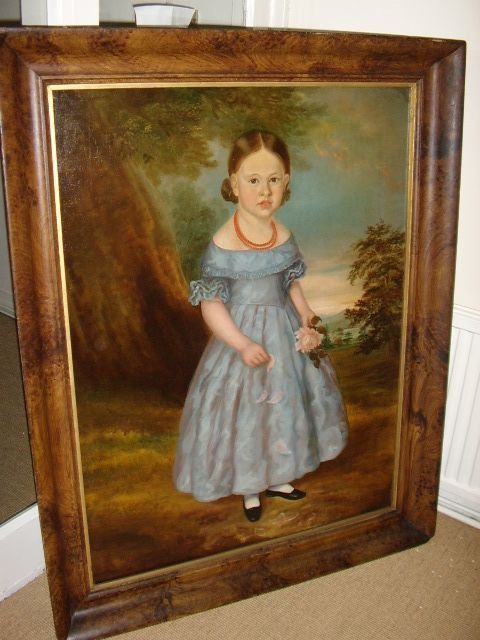
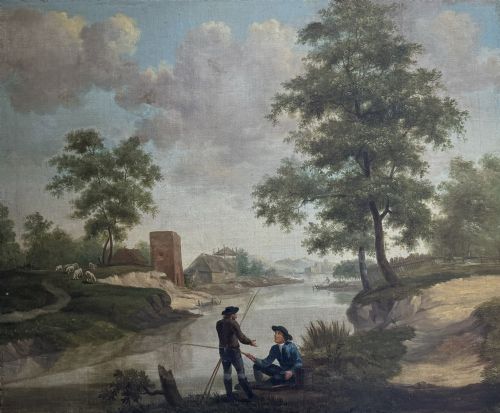
Traditional period artwork covers centuries of framed paintings and prints, predominantly featuring oil on canvas or wood panel alongside Japanese woodblock prints. Buyers searching for traditional period artwork encounter 17th-, 18th- and 19th-century portraits of nobility and everyday figures, alongside pastoral landscapes and still life compositions.
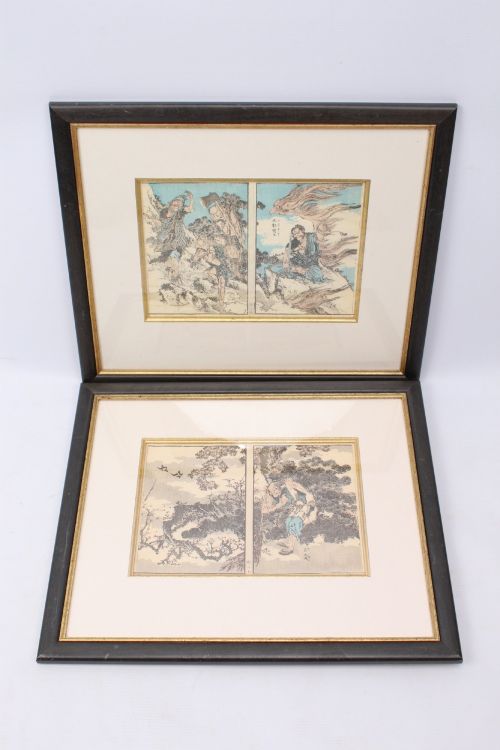
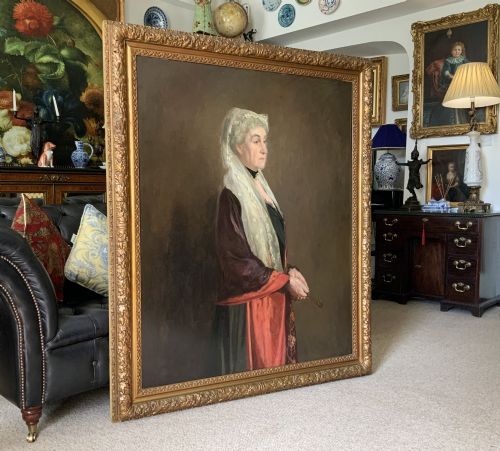
The selection ranges from early British and Bavarian school portraits to Edwardian oils and Japanese Ukiyo-e prints. Portraiture forms a major component, recording individuals from noblewomen and medical doctors to young children and prime ministers within distinct historical contexts.
Materials and techniques
Works are executed using oil paint on canvas or wood panels, alongside watercolours on paper and traditional Japanese woodblock printing techniques. Canvases and wood panels receive layers of pigment, while woodblock prints utilise carved blocks applied to paper.
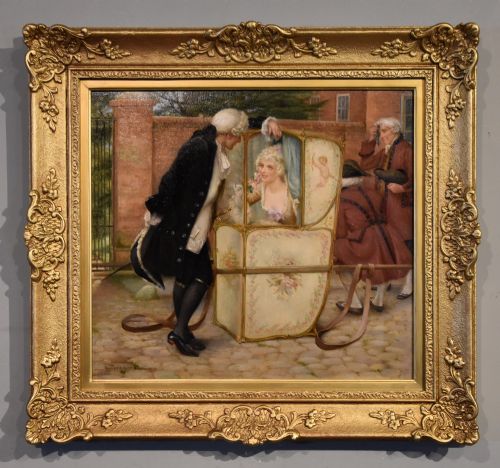
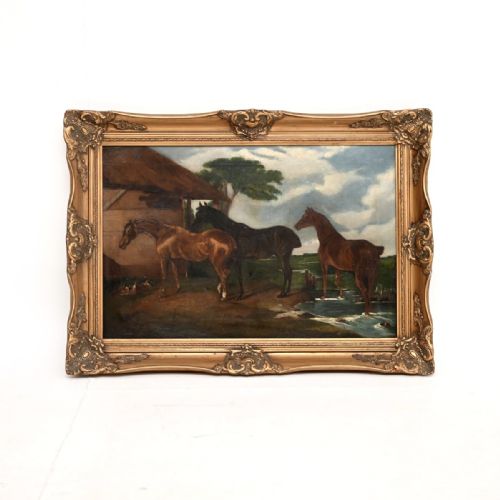
Frames form an integral part of the construction, employing solid wood, giltwood, and gold leaf finishes. These surrounds range from elaborate carved mouldings to simpler period frames designed to house the canvas or print securely.
The inventory spans works from the 17th, 18th, 19th, and early 20th centuries, alongside Edo period Japanese prints.
Variations in quality
Delapoer Downing·Charles Haigh Wood·John Sanderson Wells·John Hamilton Mortimer·John Robert Dicksee·Kunisada·Robert Edward Morrison·Frank Moss Bennett·George Francis Joseph·John Russell·Nathaniel Hone
The Traditional Period Artwork Glossary
- Oil on canvas
- Pigment mixed with drying oil applied to a stretched woven fabric support. This combination allows for rich colour blending and layered textures.
- Woodblock print
- An image created by carving a design into a block of wood, applying ink, and transferring it to paper. Japanese examples utilise this method for multi-coloured Ukiyo-e compositions.
- Giltwood
- Wood carved and coated with a thin layer of gold leaf or metallic powder. It frequently frames formal portraits and mirrors.
- Genre painting
- Artwork depicting scenes from everyday life, ordinary people, and domestic interiors. These works offer social insight into past centuries.
- Ukiyo-e
- A genre of Japanese art translating to pictures of the floating world, depicting prints and paintings of subjects such as kabuki actors and landscapes.
Traditional Period Artwork: Frequently Asked Questions
What periods do these artworks cover?
The pieces span from the 17th century through the Georgian, Victorian, Regency and Edwardian eras up to the early 20th century.
Represented origins include British, Bavarian and Japanese workshops across various centuries.
How were these paintings and prints framed?
Many works are housed in solid wood frames, some enhanced with giltwood or gold leaf.
Frames often reflect the period of the artwork, ranging from simple timber surrounds to elaborate carved mouldings.
What subjects appear most frequently?
Portraiture dominates the selection, showing noblewomen, medical doctors, children and historical figures. Landscapes, genre scenes of daily life, and still life compositions of fruit and flowers also feature.
Japanese woodblock prints introduce scenes distinct from European oil paintings.
How do I care for period artwork?
Keep paintings and prints away from direct sunlight and extreme fluctuations in temperature or humidity. Avoid using chemical cleaners on canvases, wood panels or gilded frames.
Dust gently with a soft, dry brush when necessary, leaving conservation work to professionals.