






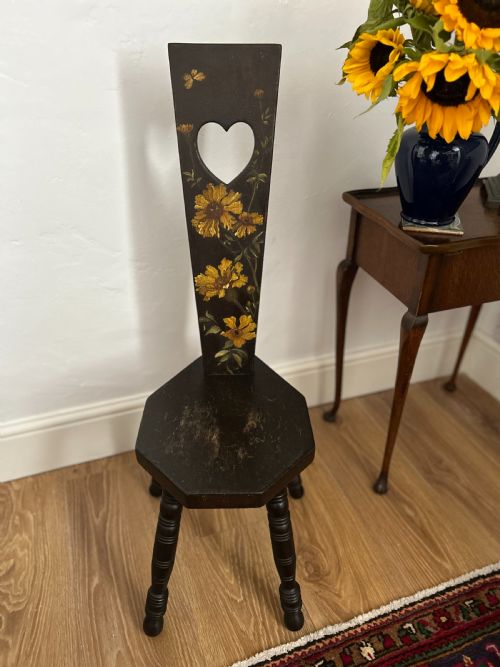


Traditional Painted Chair
A traditional painted chair brings surface history and regional character into a room through honest timber and aged finishes.
Traditional Painted Chair
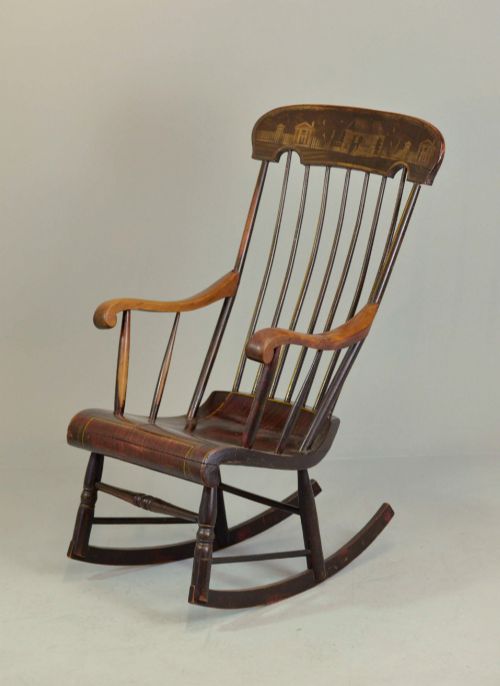
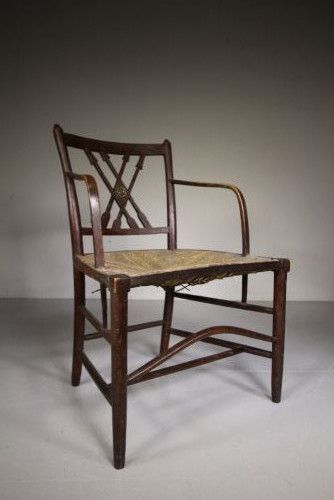
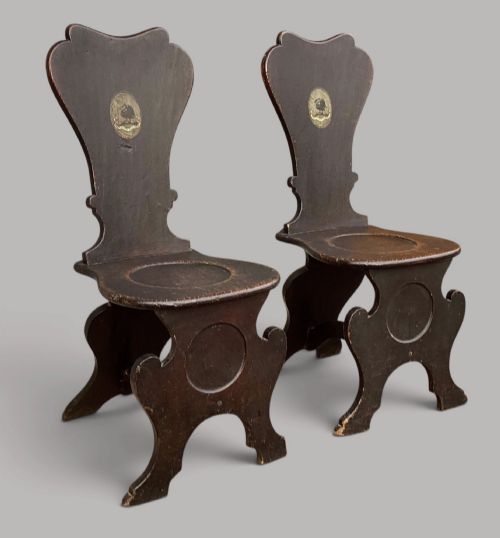
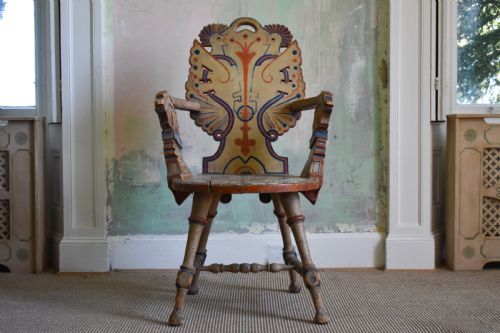
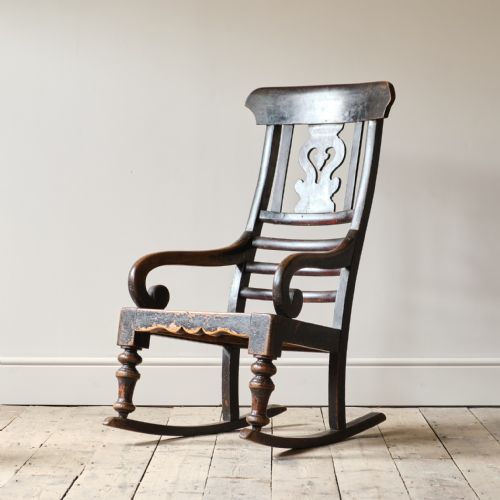
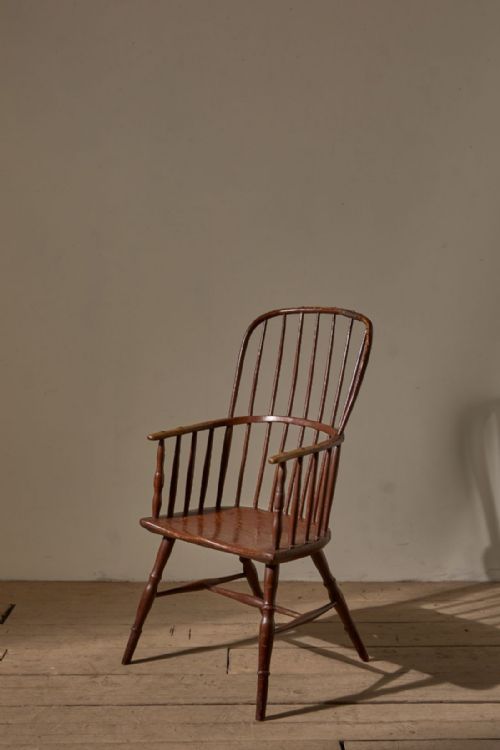
A traditional painted chair spans rustic country seating, Windsor forms, and folk art interpretations from various European and international origins. Buyers searching for a traditional painted chair will encounter diverse regional iterations, including ladder backs, spindle backs, and solid plank settles.
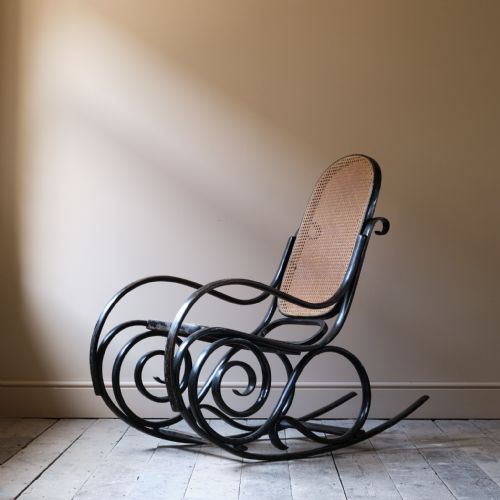
The selections range from 18th-century hoop backs to Victorian rocking chairs and provincial dining seats. Many pieces display original surface treatments, showing decades of domestic wear layered beneath subsequent coats of paint.
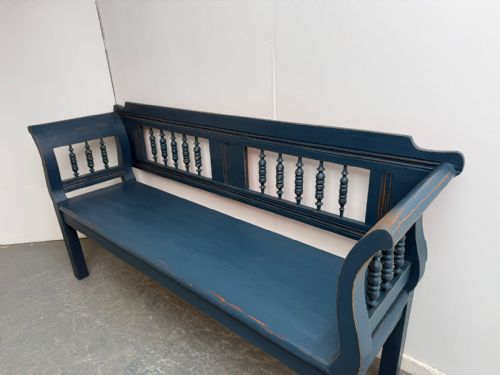
Forms vary from modest side chairs and armchairs to long benches and specialised sewing or spinning seats. Makers utilised native woods, applying pigmented layers to utilitarian frames intended for everyday farmhouse or cottage use.
How they were made
Construction relied upon locally available timbers such as pine, beech, elm, and ash, shaped by regional turners and joiners. Seats often combined solid plank bases with turned spindles, whilst rush provided woven support for ladder back frames.
Surfaces were prepared with basic primers before receiving coats of oil or water-based paint, sometimes finished with simple decorative motifs or plain ebonising. This applied layer protected the soft or mixed timbers underneath while providing a uniform or coloured appearance.
Traditional Painted Chair Retail Price Guide 2026
Typical asking prices for traditional painted chair among the pieces listed under this phrase on Sellingantiques today, from the lower quarter to the upper quarter. They describe what is for sale here now, not the wider market.
What varies in quality
Quality rests in the survival of the original surface paint and the integrity of the underlying timber joinery. Pieces that retain their early or primary decorative schemes command greater interest than those stripped or heavily recoated.
Proportion and structural balance separate standard utilitarian seating from finer regional examples. The crispness of turnings on legs and spindles, alongside the tightness of peg joints, dictates the durability and visual weight of the chair.
Morris and Co·Gillows
The Traditional Painted Chair Glossary
- Windsor chair
- A chair built with a solid wooden seat into which the legs and back spindles are separately inserted. They frequently feature bow backs or stick backs.
- Rush seat
- A seating surface woven from dried marsh rushes or similar natural grasses. This technique provides a flexible, textured platform within wooden frames.
- Súgán seat
- A traditional Irish seat made from plaited straw or hay rope twisted into strong cords. It represents a practical vernacular method of bottoming chairs.
- Box settle
- A high-backed wooden bench featuring a closed base that often serves as a storage chest. They were placed near hearths to block draughts.
- Bobbin turning
- A form of woodturning characterised by repeated rounded spherical or cylindrical shapes resembling bobbins on a thread. It was popular in country and provincial furniture.
Traditional Painted Chair: Frequently Asked Questions
How do I clean a painted finish?
Dust the surface gently with a dry, soft cloth to remove everyday particles without disturbing the aged pigments. Avoid modern chemical solvents or abrasive cleaners that can strip or soften the historic paint layers.
Test any conservation wax on a hidden area before applying it to the wider frame. Maintaining a stable indoor humidity prevents the underlying timber from expanding and cracking the painted surface.
Are these chairs comfortable for daily use?
Country seating was built for utilitarian purposes, meaning ergonomics vary widely between regional styles and periods. Windsor chairs and ladder backs offer sturdy support, though upright backs encourage an upright posture rather than lounging.
Adding a simple loose linen pad can improve comfort on wooden seats without altering the structure. Rush and súgán cord surfaces provide natural give that accommodates regular sitting.
How can I tell original paint from later layers?
Examine the surface under magnification to check for microscopic crackle, wear patterns, and the accumulation of dirt within the crevices. Early paint typically shows integrated fading and losses that align with the high-use touchpoints of the chair.
Later overpainting often appears flat or chips off to reveal a contrasting colour beneath. Consistent wear across exposed edges indicates a unified age between the timber frame and its finish.
Where should I place a painted chair?
Position these pieces away from direct sunlight and strong heat sources like radiators to prevent the wood from drying out and splitting. A hallway, landing, or bedroom allows the painted colour and form to act as a focal point without heavy daily wear.
Pairing a rustic bench or side chair with neutral walls lets the regional character stand out. Ensuring adequate clearance protects delicate spindles and arms from accidental knocks.