

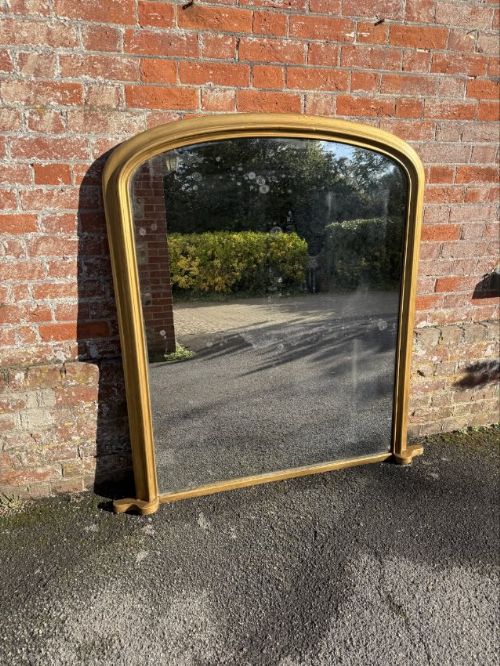
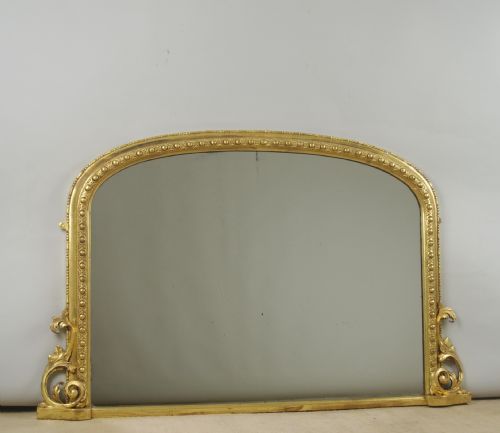
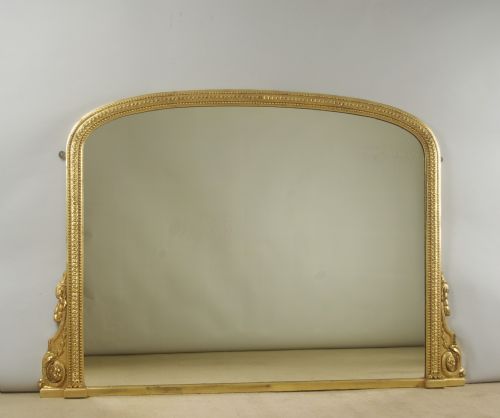
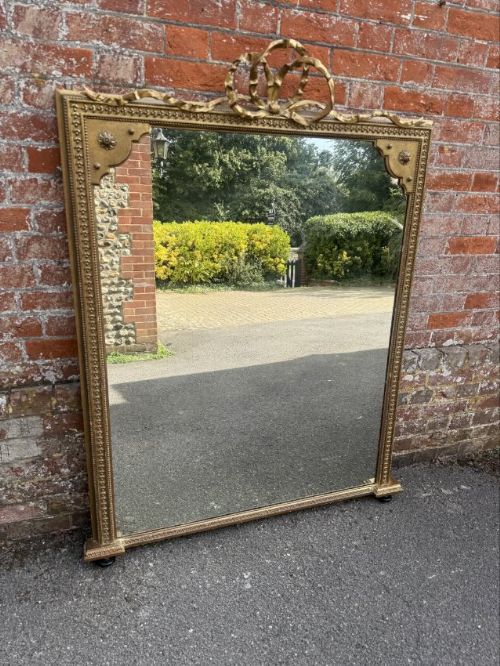
Traditional Overmantle
A traditional overmantle sits above the fireplace to draw light across a room and anchor the hearth.
Traditional Overmantle
A traditional overmantle is a large mirror designed to hang directly above a mantelpiece, often taking architectural cues from the room below. The pieces found here span the Victorian, Edwardian, and Regency periods, stretching from the eighteen sixties through the early twentieth century.
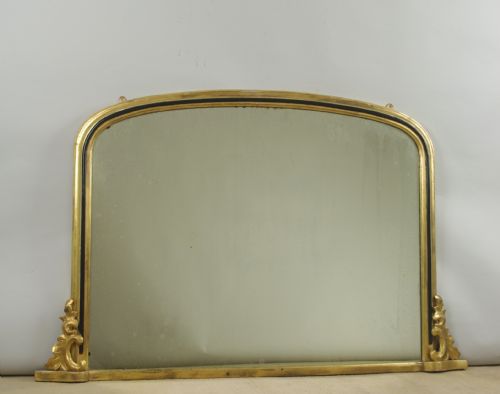
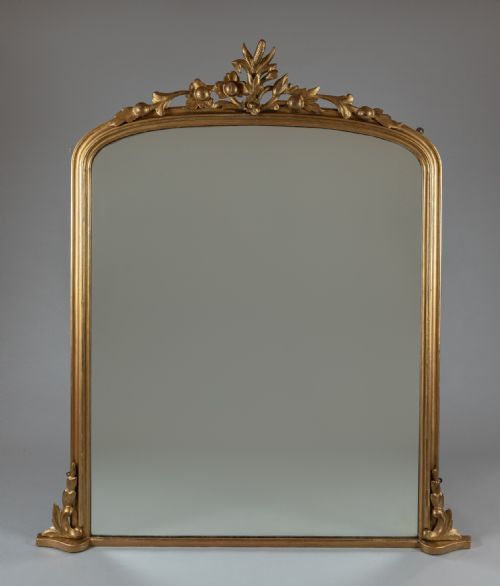
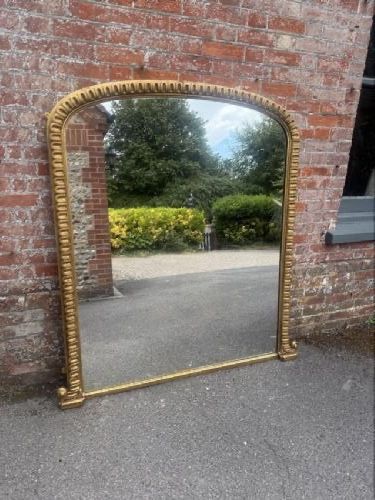
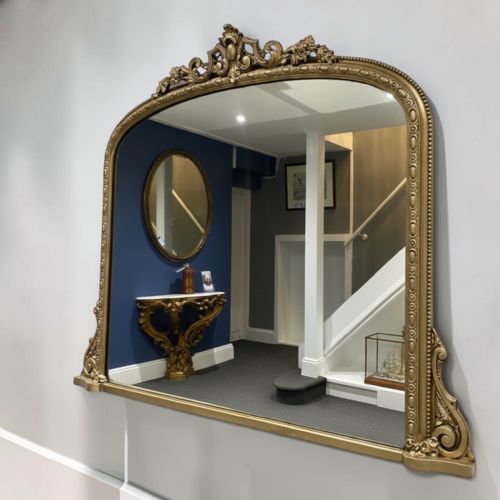
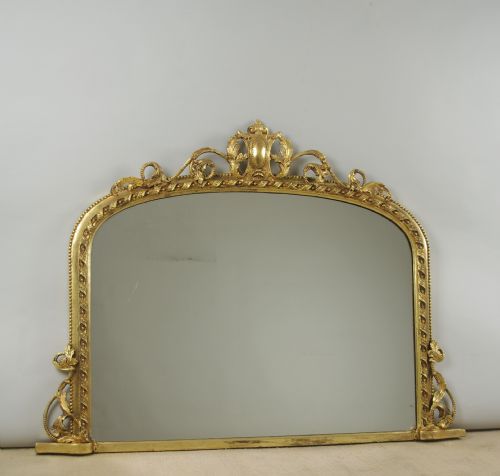
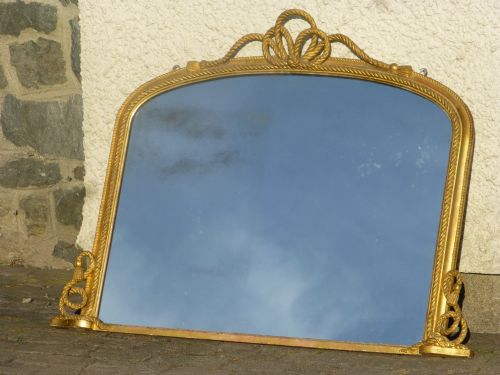
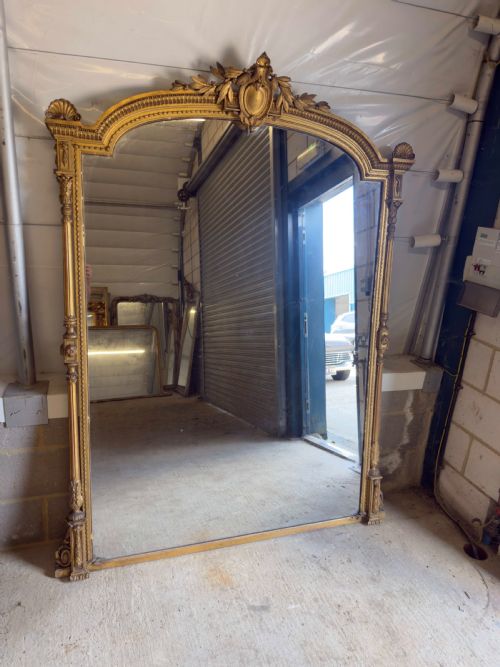
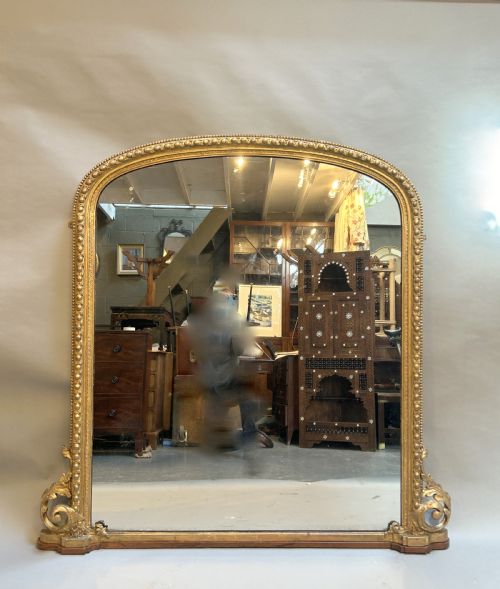
Most examples encountered on this page are substantial Victorian gilt mirrors featuring arched or shaped tops. These large wall mirrors were built to dominate chimney breasts, reflecting both the firelight and the furnishings of period drawing rooms.
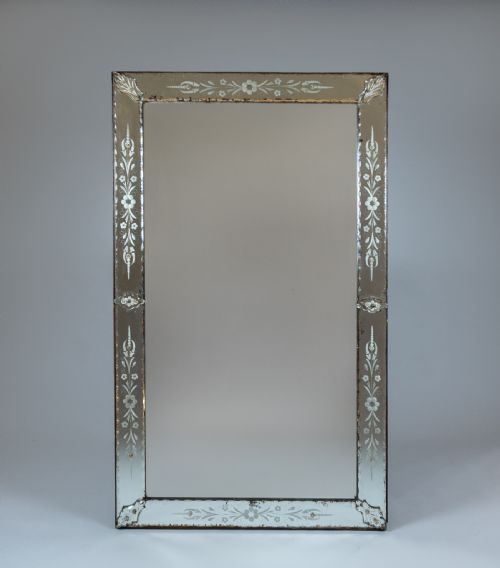
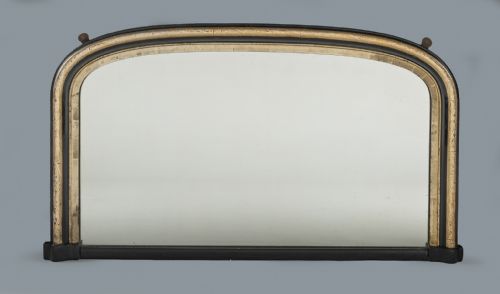
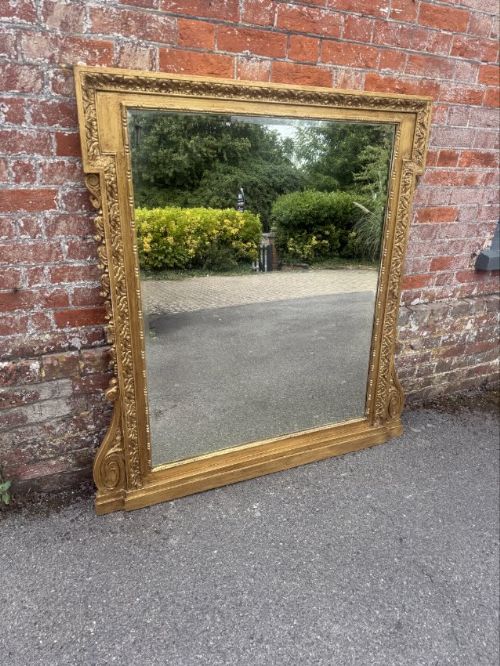
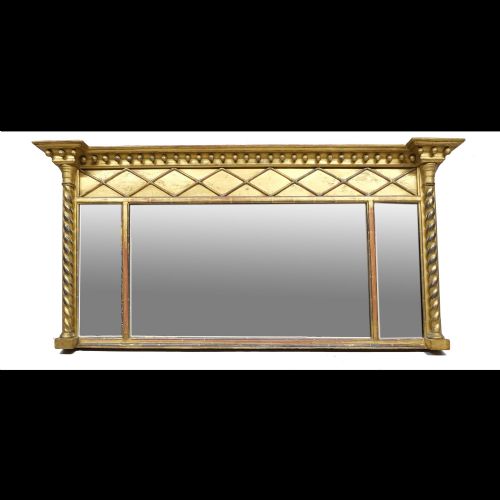
The selection includes variations in timber and finish, ranging from giltwood and gesso to painted and parcel-silvered frames, as well as walnut and mahogany. Makers adopted styles that moved from classical revival to rococo influences while maintaining the central purpose of framing the hearth.
Construction and Materials
Carved wood and gesso form the foundation of the gilt frames, providing a smooth base for gold leaf application. Artisans built up intricate ornament using composition moulded details applied to wooden substrates.
Mirrors utilise silvered glass, sometimes showing foxing from age, set within frames constructed from oak, mahogany, or walnut. Gilded surfaces often combine burnished gold leaf with matte areas to create depth on rope twist, column, or ribbed mouldings.
Traditional Overmantle Retail Price Guide 2026
Typical asking prices for traditional overmantle among the pieces listed under this phrase on Sellingantiques today, from the lower quarter to the upper quarter. They describe what is for sale here now, not the wider market.
Listings feature pieces spanning the Victorian, Edwardian, and Regency eras, constructed from giltwood, gesso, mahogany, and walnut.
Distinctions in Quality
The sophistication of the carved wood and gesso ornamentation separates standard frames from exceptional ones. Deeply undercut carving and crisp composition mouldings indicate superior workshop practice.
The preservation of the original gilt surface and the character of the mirror glass determine the visual weight of the piece. Intact gilding without heavy overpainting retains the authentic tonal quality intended by the maker.
The Traditional Overmantle Glossary
- Gesso
- A plaster-like mixture applied to wood frames as a base for gilding. It is built up in layers and smoothed before applying gold leaf.
- Giltwood
- Timber that has been coated in gold leaf or gold paint. This material catches the ambient light of a room.
- Foxing
- Age-related spots and discoloration within the mirror glass. It occurs when the silver backing degrades over decades.
- Composition
- A moulded material made from whiting, resin, and oil pressed into ornament. It allowed makers to produce intricate frame details efficiently.
- Parcel Gilt
- A finish where only specific parts of a frame are gilded, leaving painted or exposed wood elsewhere.
Traditional Overmantle: Frequently Asked Questions
How do I hang a heavy overmantle mirror safely?
These large mirrors carry considerable weight due to their timber frames and thick glass. Secure the fixing directly into the wall studs or masonry above the fireplace.
Distribute the load evenly across sturdy brackets designed for heavy wall hangings to ensure stability.
Were these mirrors always meant for fireplaces?
Traditional overmantles were specifically proportioned to sit on the mantel shelf or hang on the chimney breast. Their horizontal or tall arched formats complemented the vertical pull of the fireplace surround.
They occasionally functioned as pier mirrors placed between windows, sharing similar decorative vocabularies.
How do I clean antique mirror glass?
Use a soft, dry cloth to remove dust from the glass and the delicate gesso frame. Avoid harsh chemical cleaners that might seep behind the mirror plate and damage the silvering.
Keep moisture away from the edges of the glass where the original backing is most vulnerable.
How do I tell a Victorian overmantle from a Regency one?
Regency pieces often display classical restraint with architectural lines and specific moulding profiles. Victorian examples tend towards grander proportions and heavier ornamental gesso work.
Examining the construction methods and timber behind the frame helps clarify the period of manufacture.