

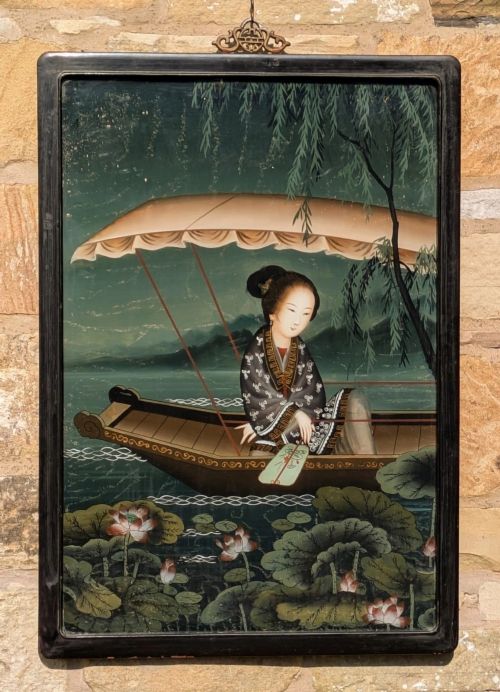


Traditional Oriental Framed Painting
These traditional oriental framed painting examples span centuries of diverse Asian artistry, offering collectors rich historical narratives and exquisite decorative depth for any interior.
Traditional Oriental Framed Painting
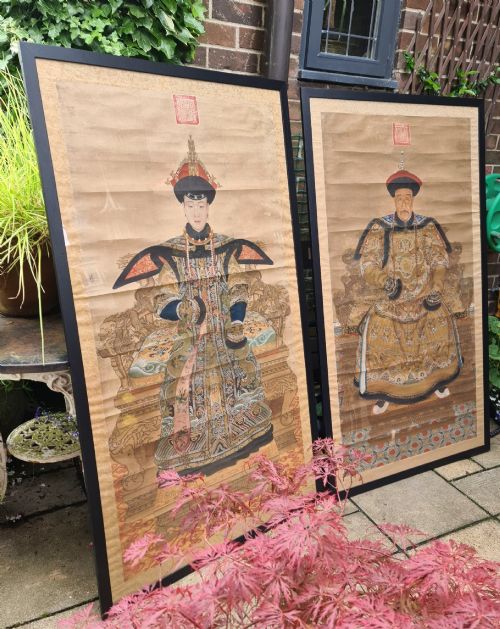
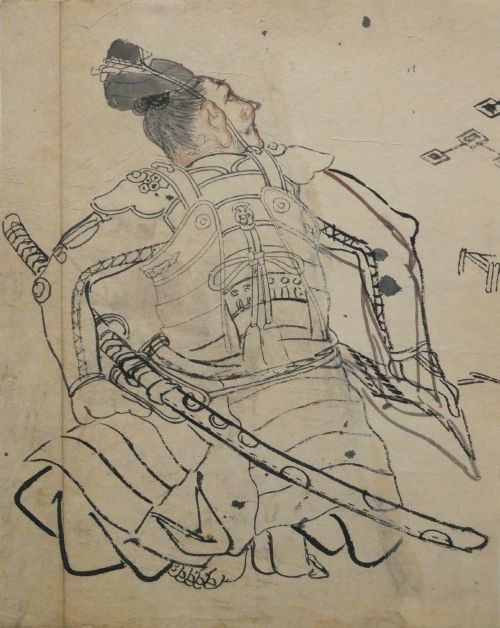
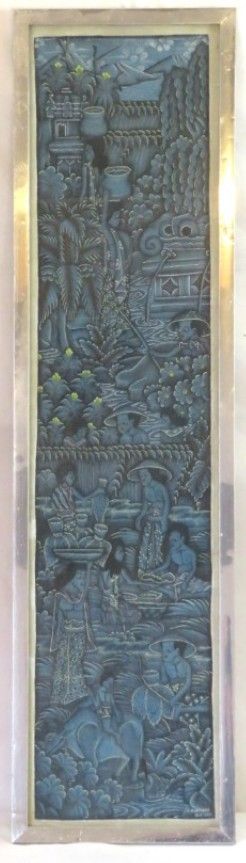
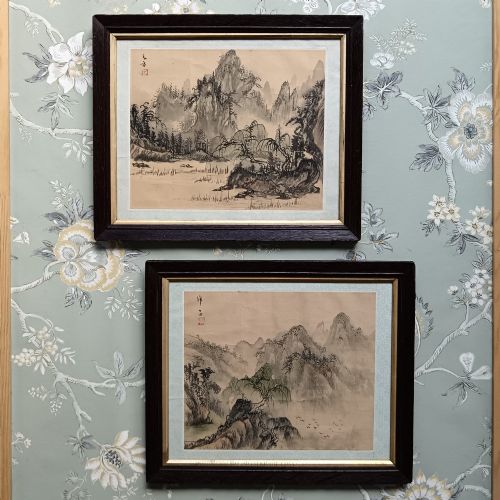
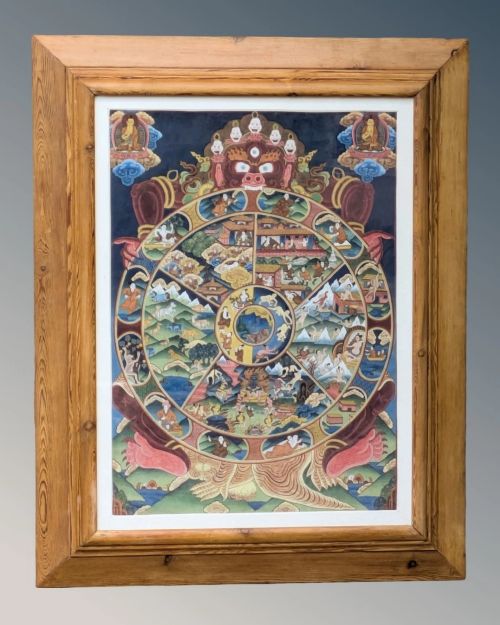
A traditional oriental framed painting encompasses a wide variety of historical artworks, ranging from 19th-century Chinese ancestral scrolls and silk paintings to Indian miniatures and Balinese watercolours. Buyers searching this phrase most frequently encounter works executed on silk, paper, or glass, often housed within period timber frames.
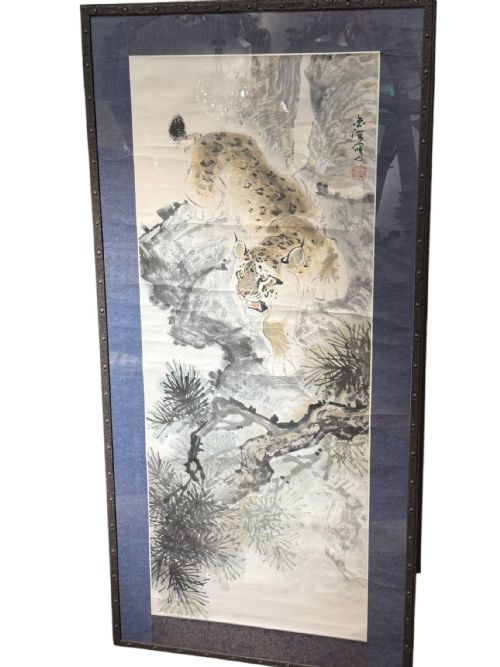
The selection includes reverse glass paintings, gouache portraits of dignitaries, and depictions of landscapes or fauna such as wild birds and snow leopards. These pieces reflect distinct regional aesthetics, including Qing Dynasty styles and traditional Indian school compositions.
How traditional oriental framed paintings were made
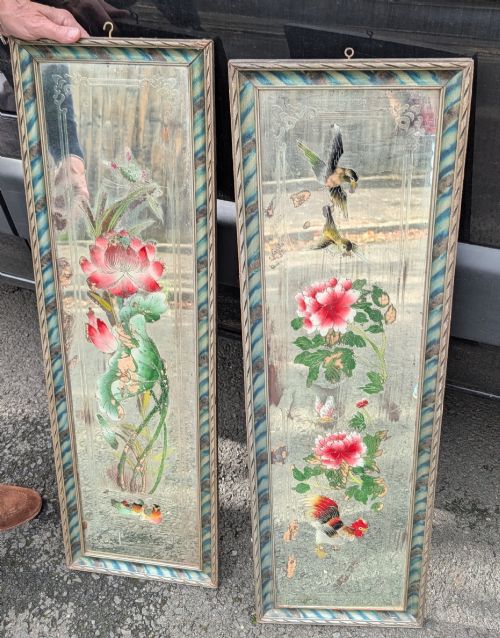
Artists utilised delicate media such as ink, pigment, gouache, and watercolour applied directly onto prepared surfaces of silk, paper, or fabric. Reverse glass paintings required meticulous brushwork applied to the rear side of the glass panel to ensure the final image appeared correctly oriented from the front.
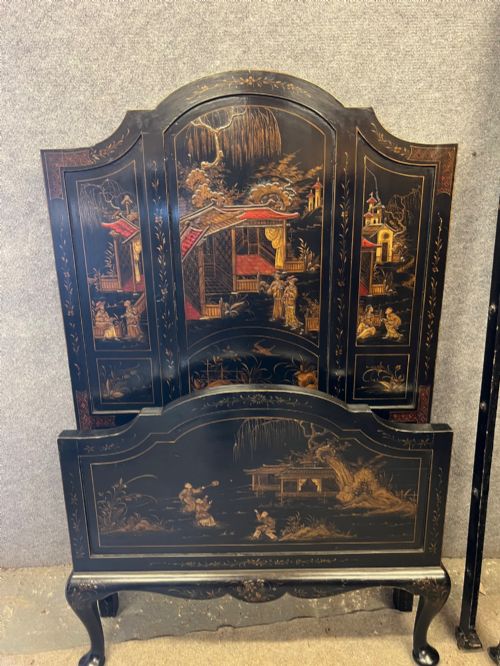
Frames were constructed from wood and sometimes augmented with brass fittings or integrated mirrors to protect the fragile artworks. Original mountings often preserve traditional scroll or panel structures adapted for wall hanging.
Traditional Oriental Framed Painting Retail Price Guide 2026
Typical asking prices for traditional oriental framed painting among the pieces listed under this phrase on Sellingantiques today, from the lower quarter to the upper quarter. They describe what is for sale here now, not the wider market.
Listings feature works spanning the nineteenth and twentieth centuries, incorporating materials such as silk, glass, brass, and paper.
What varies in quality
The integrity and originality of the surrounding frame also influence the overall character of the piece. Surviving historical frames that retain their original glass and structural condition elevate the authenticity of the artwork.
The Traditional Oriental Framed Painting Glossary
- Gouache
- An opaque water-based pigment used to achieve rich, solid colour fields in traditional miniature paintings. It allows for sharp detail and layering.
- Reverse glass painting
- An artistic technique where the image is painted directly onto the back of a glass panel. Viewed from the front, the glossy surface enhances the depth of the colours.
- Ancestral scroll
- A portrait or commemorative artwork created to honour family lineage in Chinese tradition. They are typically rendered on silk or paper and mounted on vertical hangings.
- Miniature painting
- A highly detailed small-scale artwork, common in Indian schools. These pieces frequently employ fine brushes and natural mineral pigments.
Traditional Oriental Framed Painting: Frequently Asked Questions
How should I hang a framed silk scroll?
Hang these delicate works away from direct sunlight to prevent the natural silk fibres and pigments from fading over time. Maintaining a stable indoor humidity level protects both the fragile fabric and the wooden frame.
Ensure the hanging hardware securely supports the weight of the frame without putting stress on the original structure. Professional framing techniques help preserve antique textiles for future enjoyment.
What is a reverse glass painting?
A reverse glass painting is created by applying pigments directly to the rear side of a glass panel. The artist must paint background details first so that they appear behind the foreground elements when viewed from the front.
This technique produces a luminous surface sheen that protects the underlying paint from atmospheric dust. Such pieces require careful handling to prevent scratching the exposed glass.
How do I identify a 19th-century Chinese scroll?
Nineteenth-century Chinese scrolls often feature traditional subjects such as ancestor portraits, wildlife, or landscape scenes executed on silk or paper. Examination of the paper ageing, pigment composition, and mounting style aids in determining the period.
Original frames and aged backing materials provide further clues regarding the historical context of the artwork. Consulting stylistic conventions helps distinguish these pieces from later reproductions.
Are Indian miniature paintings hand-painted?
Traditional Indian miniatures are meticulously hand-painted using fine brushes, often composed of squirrel or camel hair. Artists apply natural mineral and plant pigments to surfaces such as paper or fabric.
This painstaking process results in intricate patterns and lifelike portraits of maharajahs and court scenes. The presence of fine brush strokes under magnification confirms their handmade nature.